
South America
Ecuador
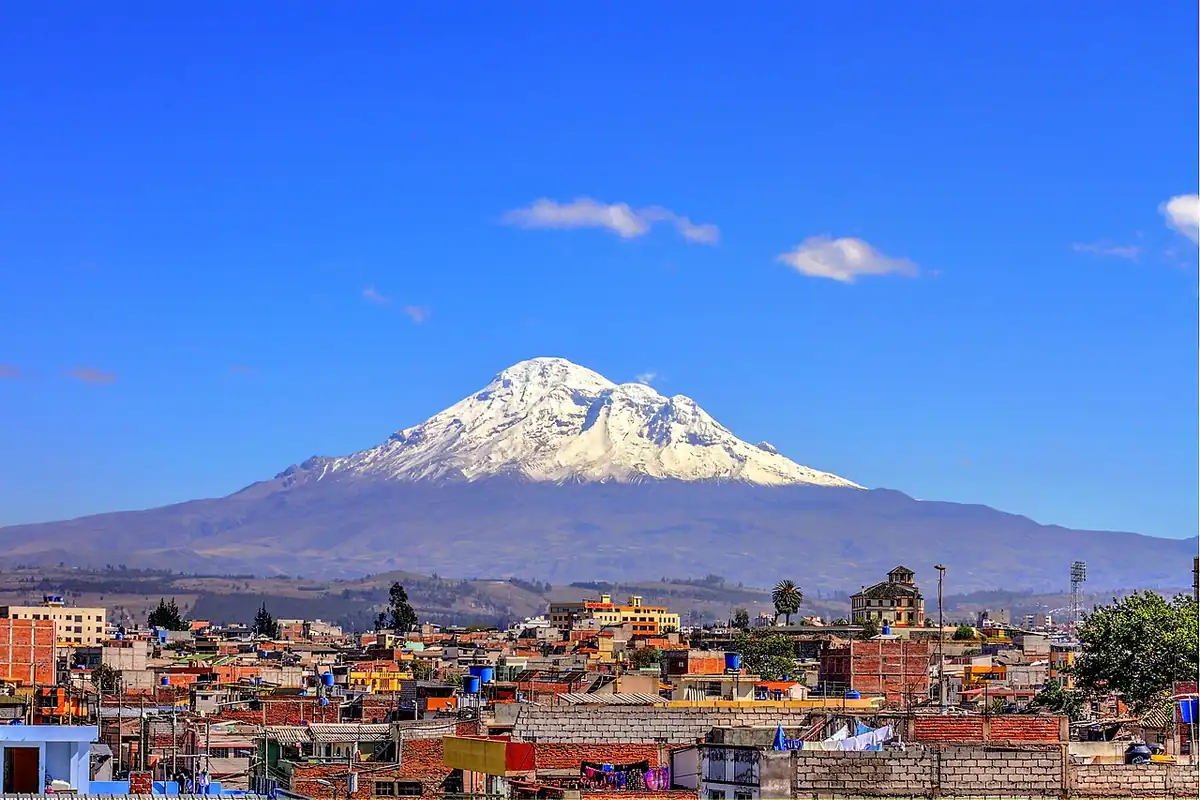
Volcanoes, jungle and the Galápagos on the equator
Photo: Eduardo Navas, CC BY-SA 2.0 · via Wikimedia Commons
Capital
Quito
Languages
Spanish, Quechua and other Indigenous languages
Currency
US dollar (USD)
Plugs and power
Types A, B · 120 V
Drives on the
Right
Time zone
UTC-5 on the mainland, UTC-6 in the Galápagos, no daylight saving
The short version
What to expect in Ecuador
Ecuador packs the Andes, the Amazon, the Pacific coast and the Galápagos Islands into a country small enough to cross in a day. Quito's colonial center sits high in the mountains, and markets in towns like Otavalo sell textiles and food. Distances are short, so you can go from cloud forest to beach in a few hours.
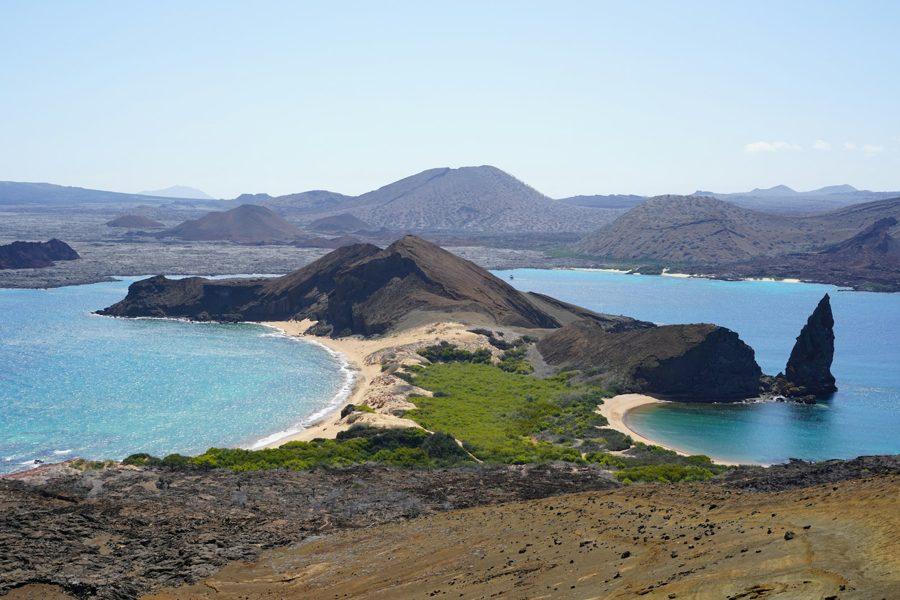
- Galápagos Islands
- Quito's old town
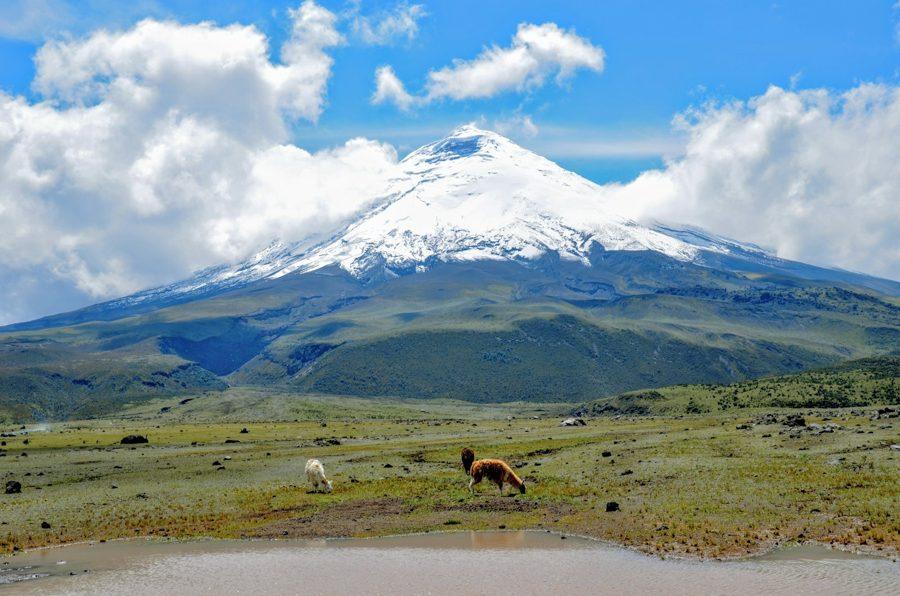
- Cotopaxi and the volcanoes
- Cacao and bananas
Did you know?
The country is named after the equator, and a monument near Quito marks the line.
Food and drink
What to eat in Ecuador
- 01
Ceviche
Coastal shrimp or fish cured in citrus, often with popcorn.
- 02
Locro de papa
Creamy Andean potato soup topped with cheese and avocado.
- 03
Encebollado
Tuna and yuca soup with pickled onion, a classic cure for hangovers.
Language
Say it like a local
Spanish
Buenos días
Good morning
Gracias
Thank you
¡Qué chévere!
How cool!
Money and manners: Many restaurants add 10% service and tax. Leaving a little extra for good service is appreciated. Small bills are handy since change for large ones can be hard to find.
Timing
When to go
The taller the bar, the more of our Ecuador trips are at their best that month.
Best months: Jun–Sep, Dec–Jan
Guides
Trip guides for Ecuador
 5 daysGood with kids
Ecuador
Quito and the Andes
Quito, Cotopaxi and Baños
- Price
- $$$
- Difficulty
- Moderate
- Best time:
- Jun–Sep, Dec–Jan
 5 daysGood with kids
Ecuador
Galápagos: Santa Cruz and San Cristóbal
Santa Cruz and San Cristóbal
- Price
- $$$
- Difficulty
- Easy
- Best time:
- Dec–Jun
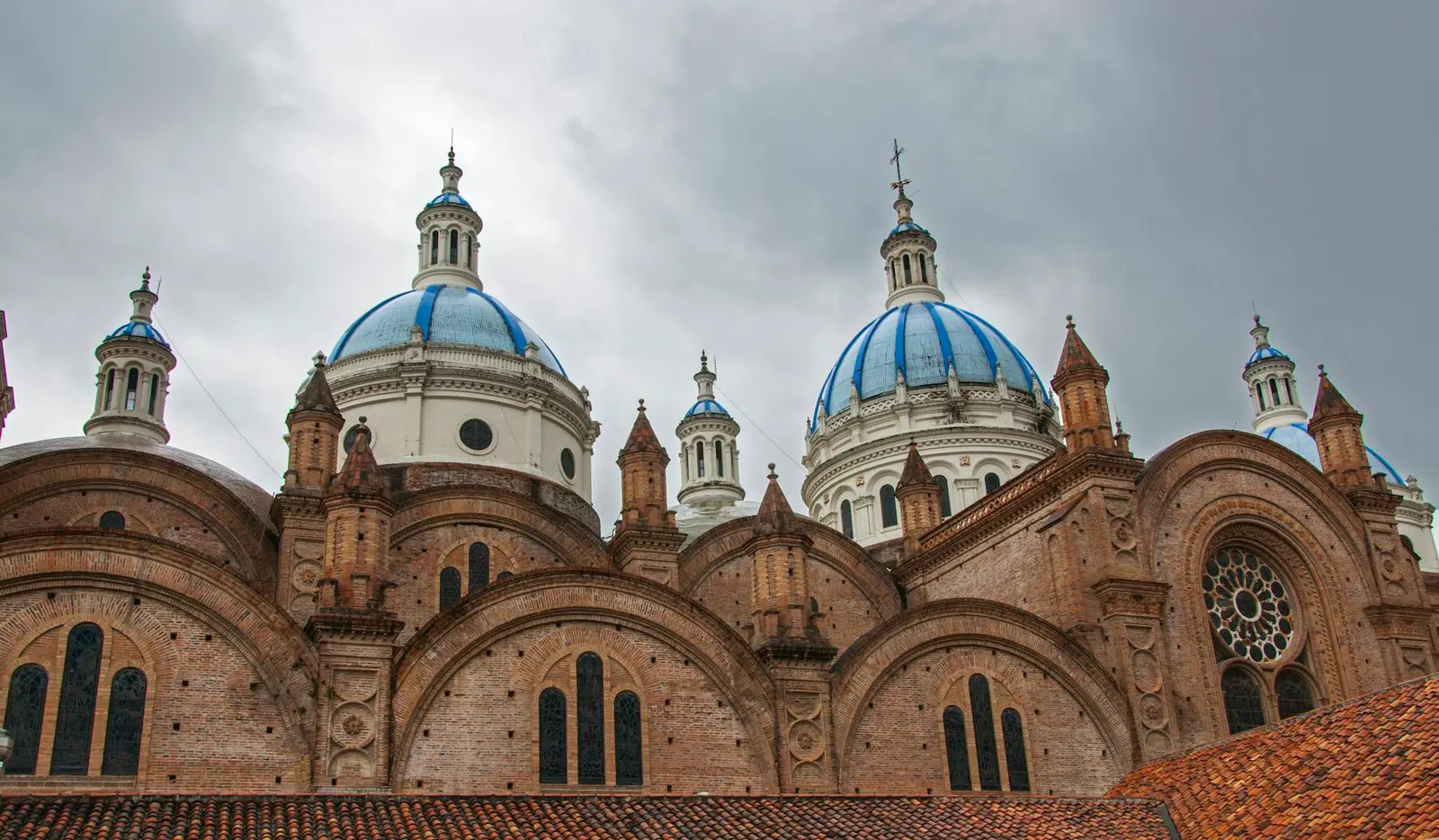 4 daysGood with kids
Ecuador
Cuenca and southern Ecuador
Cuenca, Cajas and Ingapirca
- Price
- $$$
- Difficulty
- Moderate
- Best time:
- Jun–Sep
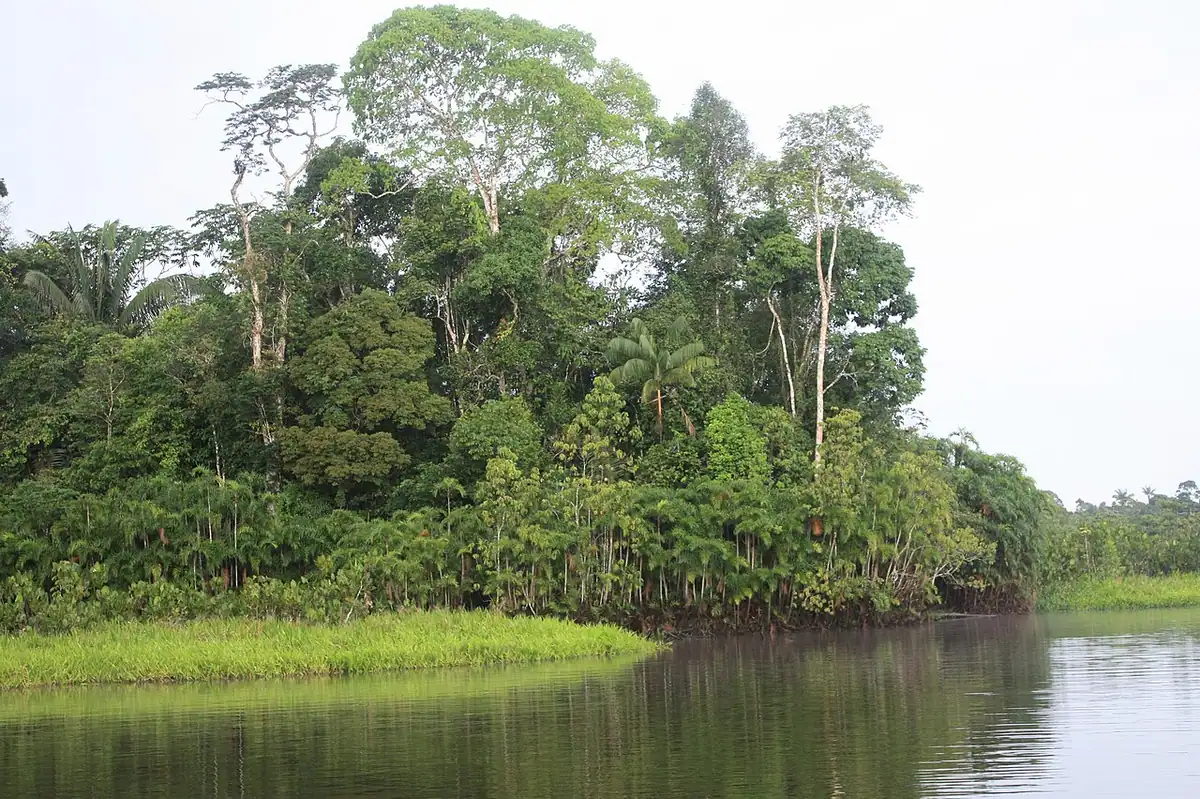 4 daysGood with kids
Ecuador
Ecuador’s Amazon: the Napo River
Coca, the Napo River and Yasuní
- Price
- $$$
- Difficulty
- Moderate
- Best time:
- All year
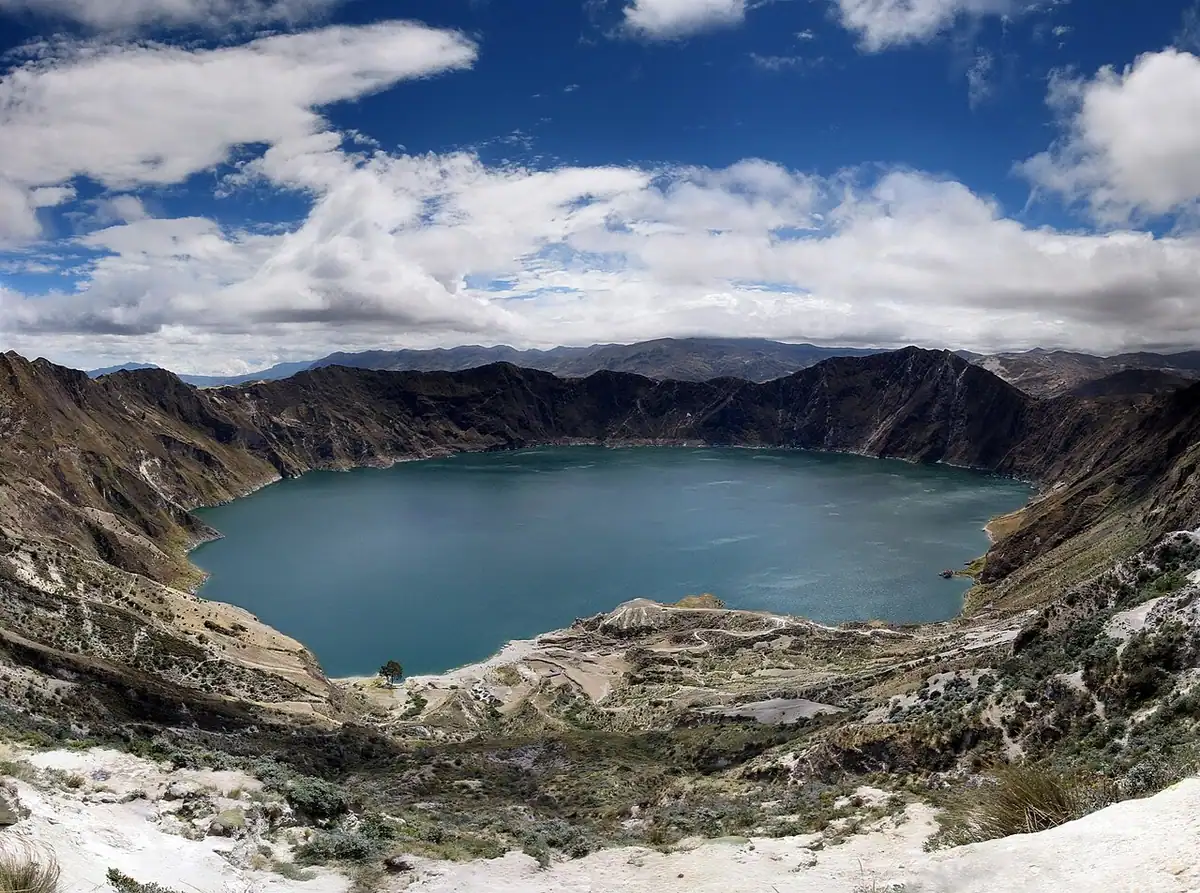 6 daysGood with kids
Ecuador
Ecuador’s Avenue of the Volcanoes road trip
Quito, Cotopaxi, Quilotoa, Baños and Chimborazo
- Price
- $$$
- Difficulty
- Moderate
- Best time:
- Jun–Sep, Dec–Jan
Safety, health and entry
Before you go
What to know about entry, health and safety before you go, summarized from official guidance for U.S. passport holders. Rules change, so confirm on the sources linked below.
Visa for U.S. citizens
Visa-free for up to 90 days
Visa-freePassport
Valid at least 6 months after arrival
Vaccines
Yellow fever vaccine advised for some areas
State Department advisory
Exercise increased caution
Level 2Entry and visas
Visa-free for up to 90 days
U.S. citizens can visit Ecuador without a visa for up to 90 days, with a possible extension of another 90 days requested before the first period ends. You may be asked for a return ticket and your reason for travel.
Have ready
- Valid at least 6 months after arrival
- Entering by land from Colombia or Peru can require an apostilled criminal record certificate.
- Galapagos stays are limited to 60 days and need a hotel booking, a return flight and a transit control card.
- Request any extension before your first 90 days end, since overstays are fined.
Health and vaccines
Yellow fever vaccine advised for some areas
Public healthcare is strained, and the Galapagos have limited facilities. Carry insurance that covers medical and air evacuation, and allow time to adjust to altitude.
Drinking water: Drink bottled or filtered water, since tap water is not reliably safe.
Required to enter
No vaccines are required for U.S. travelers arriving directly.
Recommended by the CDC
Health risks
- Altitude sickness in Quito and the Andes
- Dengue, chikungunya and Oropouche from mosquitoes
- Yellow fever and malaria in lowland jungle areas
Safety
Level 2: Exercise increased caution
Level 2, with do-not-travel areas
The U.S. State Department rates Ecuador Level 2: exercise increased caution, with Level 4 (do not travel) and Level 3 (reconsider travel) areas on the coast and near Colombia. Violent crime tied to drug trafficking, kidnapping and terrorism are the main risks, and protests can block roads without warning.
Avoid
- Level 4, do not travel: in Guayaquil, Nueva Prosperina, Pascuales and everything south of Portete de Tarqui Avenue; Huaquillas and Arenillas (El Oro); Quevedo, Quinsaloma and Pueblo Viejo (Los Ríos); Durán (Guayas); and Esmeraldas City and all areas north of it to the Colombian border and east to Carchi.
- Level 3, reconsider travel: Guayaquil north of Portete de Tarqui Avenue, the rest of El Oro and Los Ríos, Esmeraldas province south of the city, and Sucumbíos, Manabí, Santa Elena and Santo Domingo provinces.
Watch for
- Mugging and bag snatching, especially in Quito old town and at transport hubs
- Express kidnappings from unofficial taxis, so use apps or radio taxis
- Protests that can start without warning and block roads
- Volcanic activity and landslides in the Andes
Local laws and customs
- Carry a copy of your passport, and expect checkpoints and possible curfews under the state of emergency.
- Drug offenses carry long prison sentences.
- Foreigners should not take part in political demonstrations.
Emergency numbers
- Emergency
- 911
Sources: U.S. State Department travel advisories · U.S. CDC travel health notices · UK government travel advice. Summarized in November 2026. Advisory levels and entry rules change, so confirm on the sources before you book.
Other governments: Canada, Spain (in Spanish), World Health Organization.
This is general information, not medical, legal or security advice.
Keep exploring
More in South America

Your trip, your way.
Start from a guide or a blank page. Free on the web, with iPhone and Android apps coming soon.