
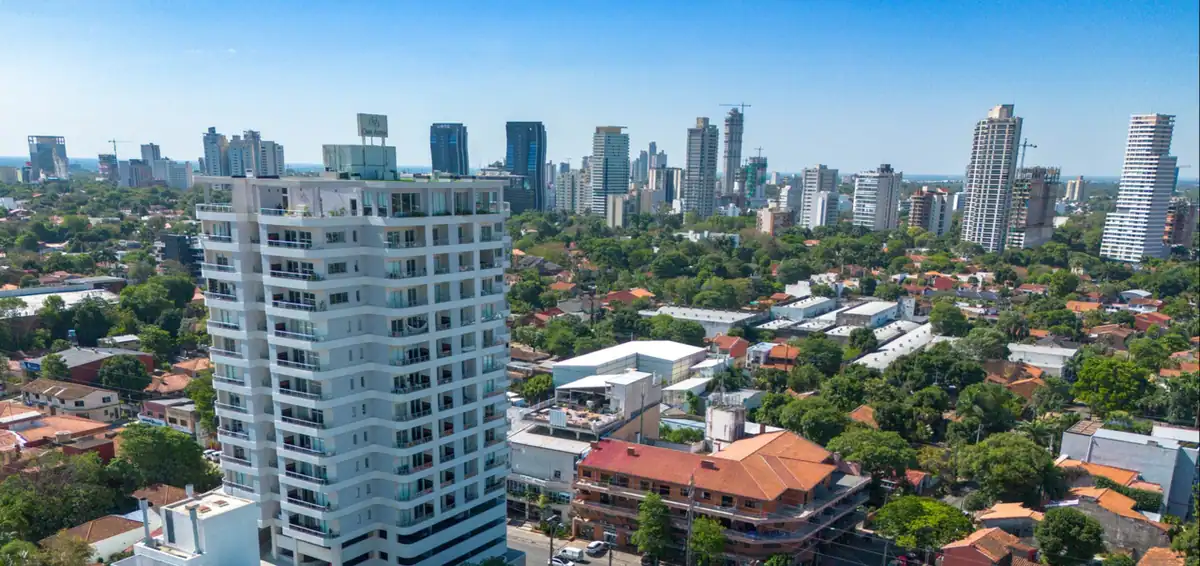
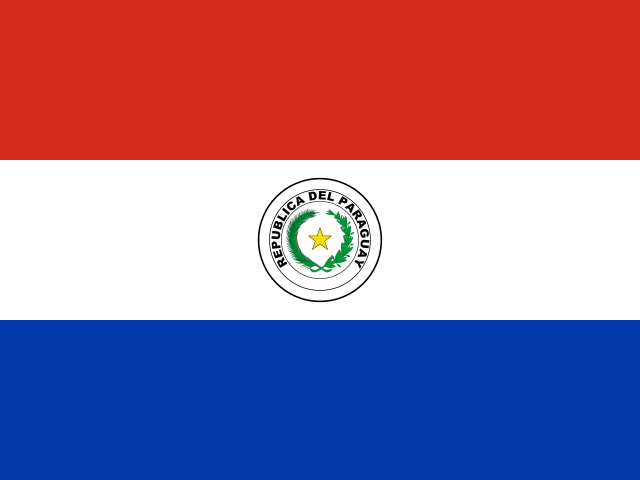
South America
Paraguay
Guaraní songs, tereré circles and Jesuit ruins
Photo: Overkill53, CC0 · via Wikimedia Commons
Capital
Asunción
Languages
Spanish, Guaraní
Currency
Paraguayan guaraní (PYG)
Plugs and power
Type C · 220 V
Drives on the
Right
Time zone
UTC-3, no daylight saving
The short version
What to expect in Paraguay
Paraguay is a quiet, landlocked country where Spanish and Guaraní are both spoken every day. Most visitors see Asunción on the Paraguay River, the Jesuit mission ruins near Encarnación, and Itauguá, the town known for ñandutí lace. People are warm, and sharing a cold tereré with friends is a daily habit.
- Jesuit mission ruins
- Tereré and yerba mate
- Ñandutí lace
- Guaraní language and culture
Did you know?
Guaraní is an official language alongside Spanish, and many Paraguayans use both in everyday conversation.
Food and drink
What to eat in Paraguay
- 01
Sopa paraguaya
A dense cornbread with cheese and onion, despite the name.
- 02
Chipa
Cheesy cassava bread sold warm by street vendors.
- 03
Tereré
Cold yerba mate infusion, often with herbs, shared from a guampa.
Language
Say it like a local
Guaraní
Mba'éichapa
How are you?
Aguyje
Thank you
Iporã
Good, nice
Money and manners: If someone offers you tereré, it is polite to accept and to finish the round before saying thank you and handing the cup back.
Timing
When to go
The taller the bar, the more of our Paraguay trips are at their best that month.
Best months: Apr–Oct
Guides
Trip guides for Paraguay
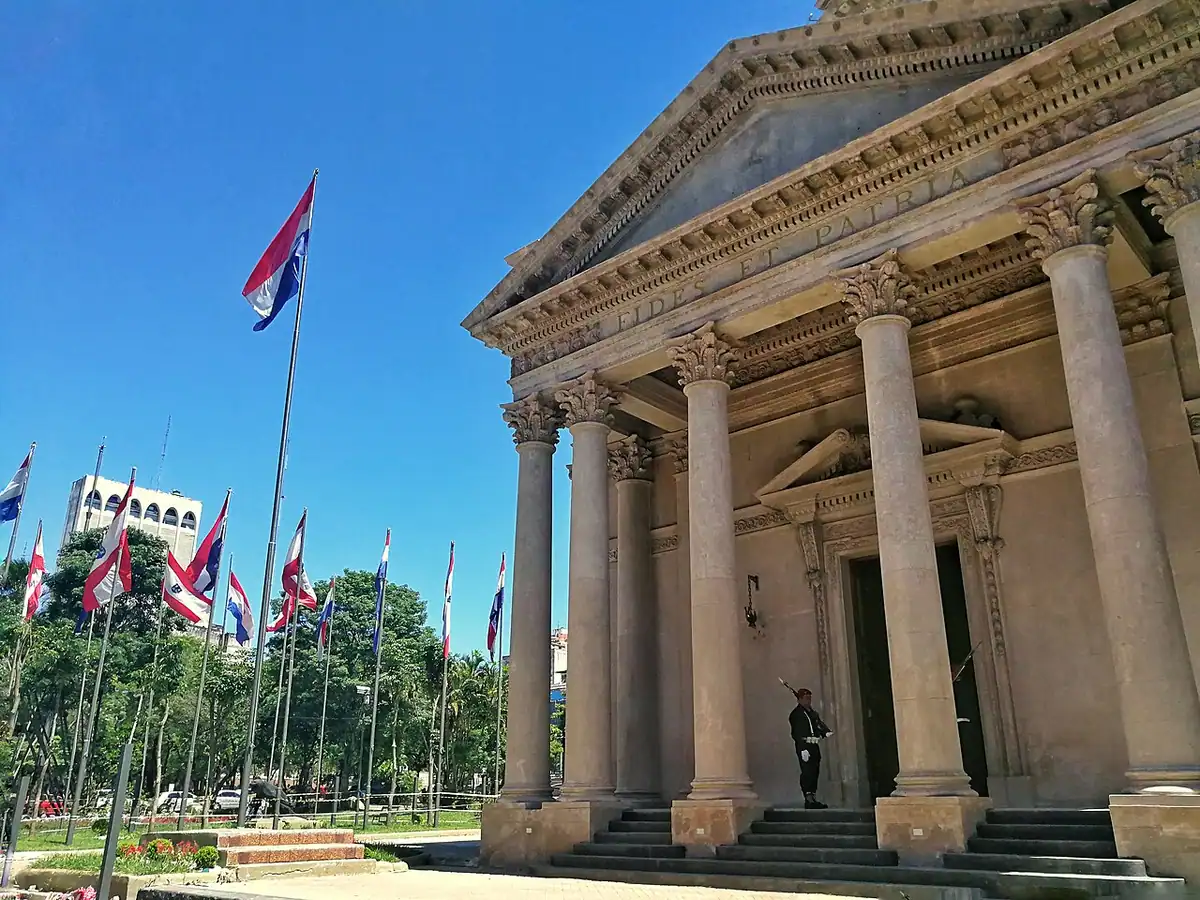 4 days
Paraguay
Asunción and the Jesuit missions of Paraguay
Asunción, San Ignacio and Trinidad
- Price
- $$$
- Difficulty
- Easy
- Best time:
- May–Oct
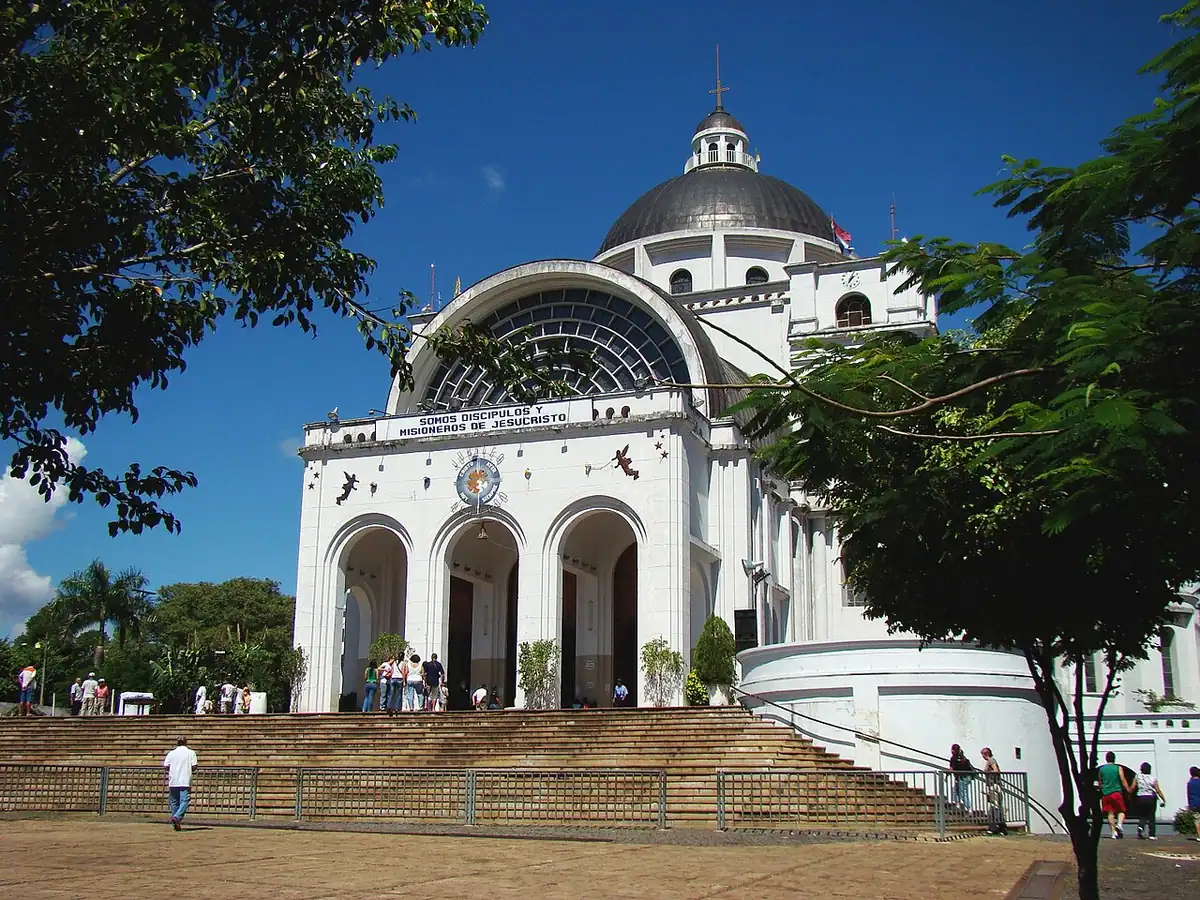 3 daysGood with kids
Paraguay
Paraguay: Lake Ypacaraí and the Cordillera towns
Itauguá, Areguá, San Bernardino and Caacupé
- Price
- $$$
- Difficulty
- Easy
- Best time:
- Apr–Oct
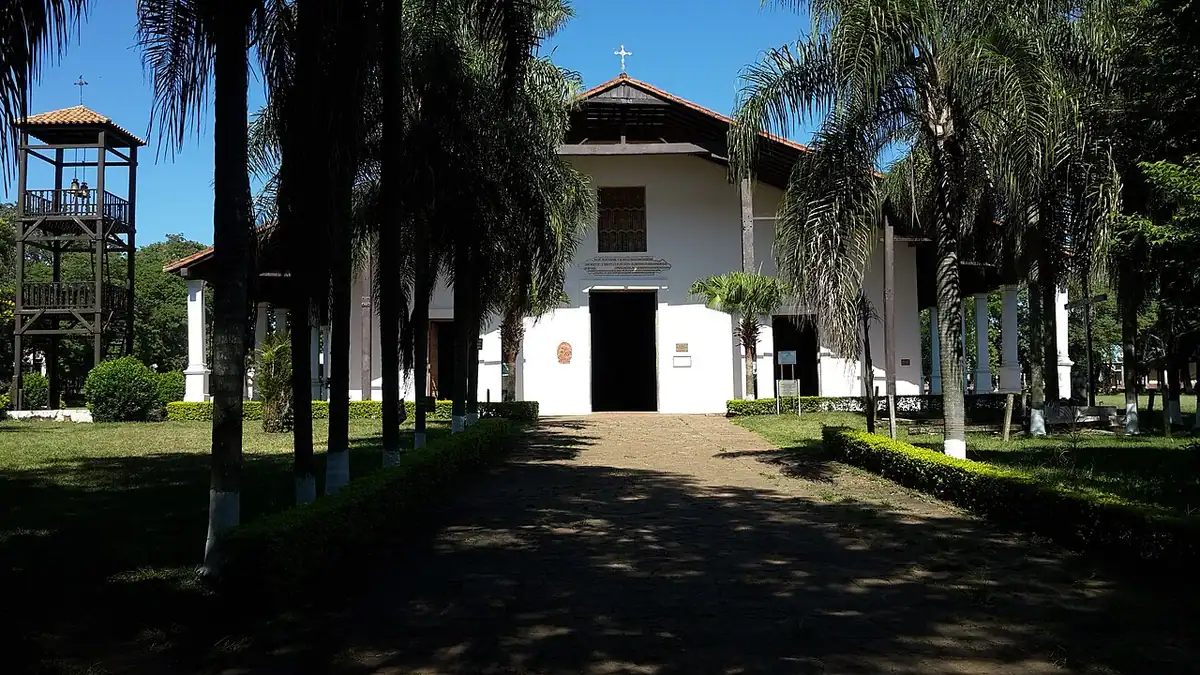 3 daysGood with kids
Paraguay
Paraguay: Ybycuí National Park and the old Franciscan towns
Itá, Yaguarón, Paraguarí and Ybycuí
- Price
- $$$
- Difficulty
- Moderate
- Best time:
- Apr–Oct
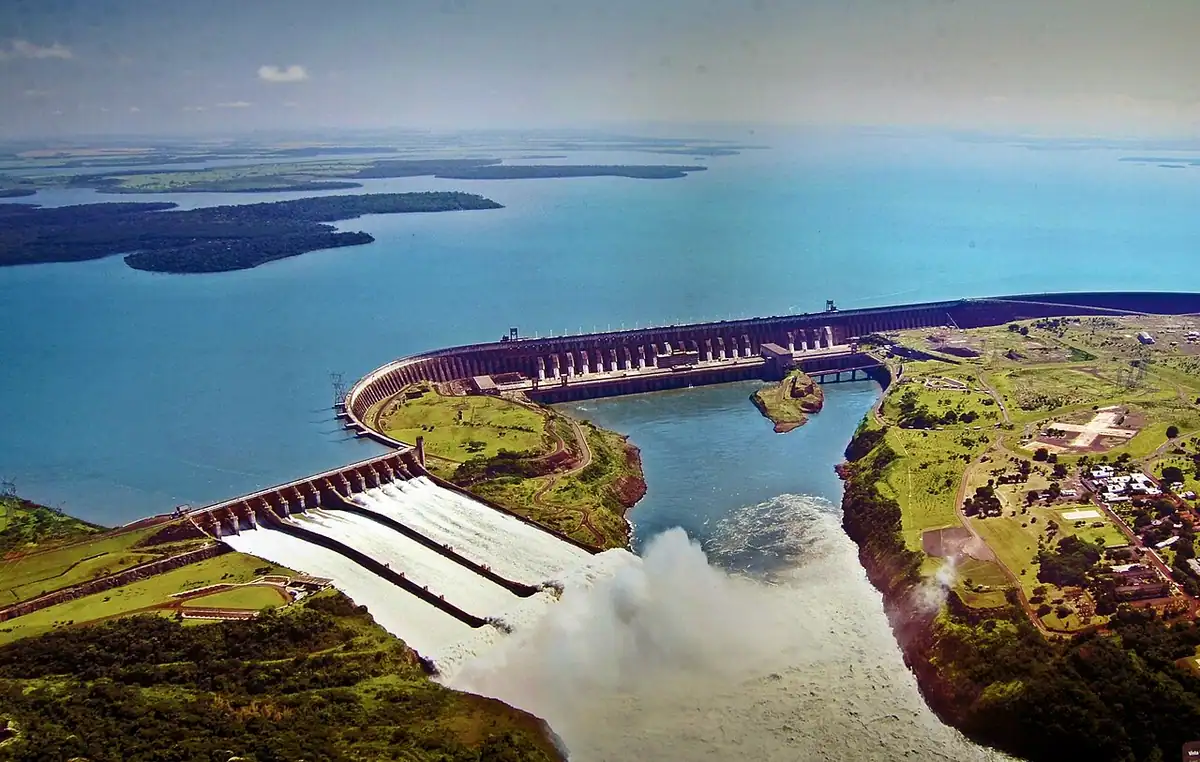 2 daysGood with kids
Paraguay
Paraguay: Itaipú Dam and Monday Falls
Ciudad del Este, Hernandarias and Presidente Franco
- Price
- $$$
- Difficulty
- Easy
- Best time:
- Apr–Oct
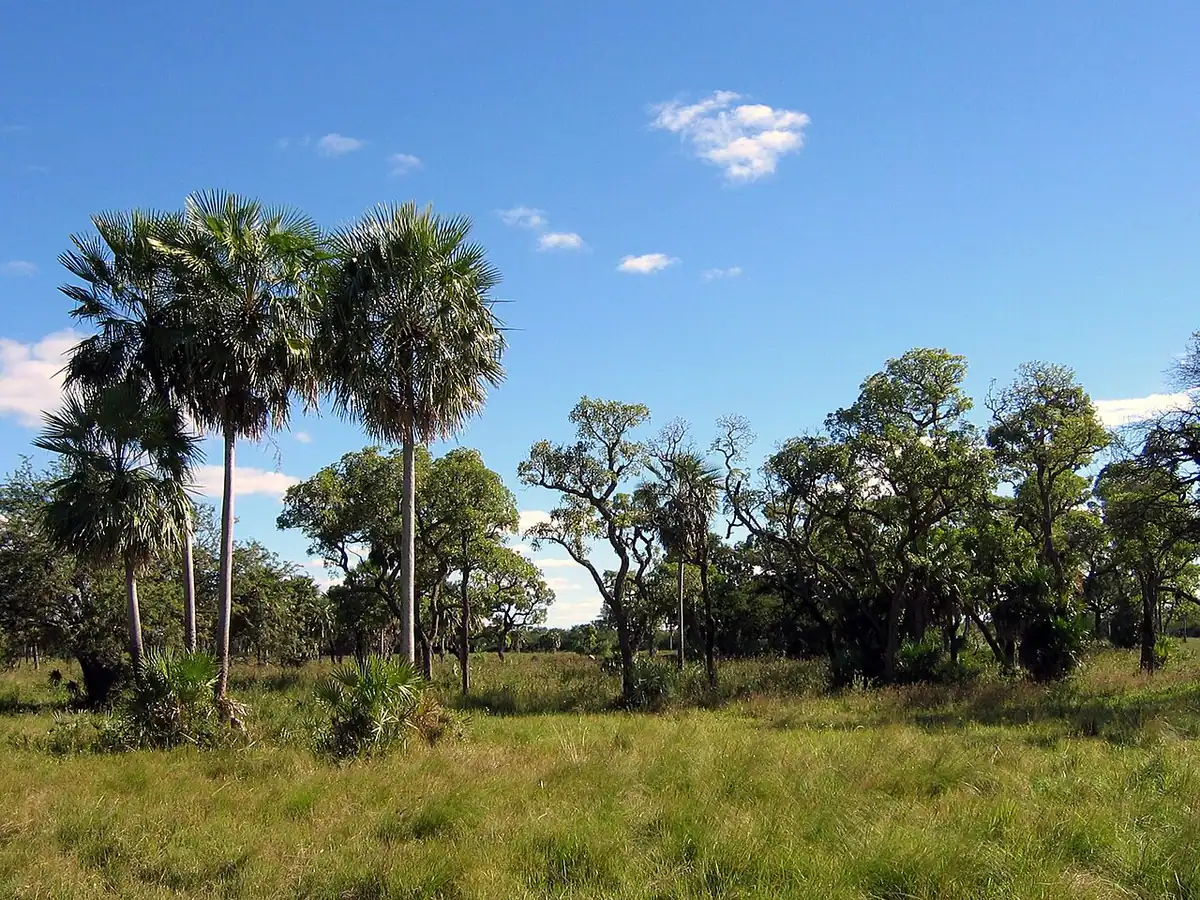 3 days
Paraguay
Paraguay: the Chaco and its Mennonite colonies
Filadelfia, Loma Plata and Boquerón
- Price
- $$$
- Difficulty
- Challenging
- Best time:
- May–Sep
Safety, health and entry
Before you go
What to know about entry, health and safety before you go, summarized from official guidance for U.S. passport holders. Rules change, so confirm on the sources linked below.
Visa for U.S. citizens
Visa-free for up to 90 days
Visa-freePassport
Valid for your whole stay
Vaccines
Yellow fever certificate in some cases
State Department advisory
Exercise normal precautions
Level 1Entry and visas
Visa-free for up to 90 days
U.S. citizens do not need a visa for tourism and normally get 90 days on arrival, with a possible extension of another 90 days. Make sure officers stamp your passport at the point of entry.
Have ready
- Valid for your whole stay
- Get an entry stamp, especially at land borders such as Ciudad del Este; a missing stamp means a fine when you leave.
- Extensions are requested at the immigration office inside the country before your stay runs out.
- Carry your passport or a copy, as police checks are frequent.
Health and vaccines
Yellow fever certificate in some cases
Good private care exists only in the main cities, and hospitals expect payment up front. Buy travel insurance with medical evacuation.
Drinking water: Tap water is not reliably safe outside Asunción, so drink bottled or treated water.
Required to enter
Recommended by the CDC
Health risks
- Dengue and chikungunya
- Rabies, common in dogs
- Yellow fever outside Asunción
Safety
Level 1: Exercise normal precautions
Level 1, more caution in five departments
The U.S. State Department rates Paraguay Level 1: exercise normal precautions, but Level 2 for Alto Paraná, Amambay, Canindeyú, Concepción and San Pedro, where crime risk is higher and criminal groups smuggle weapons and drugs along the northeastern border with Brazil. Bag snatching and pickpocketing are common on buses.
Avoid
- Extra caution in Alto Paraná, Amambay, Canindeyú, Concepción and San Pedro (Level 2), where crime risk is higher and smuggling groups operate along the Brazilian border with little police presence.
Watch for
- Bag snatching and pickpocketing on public transport; licensed taxis are a safer choice.
- Roadblock protests that can paralyse Asunción.
- Poor driving standards and frequent police checks.
- Drug-related crime in border towns such as Ciudad del Este and Pedro Juan Caballero.
Local laws and customs
- Drug offences carry heavy prison sentences.
- Carry your passport or a copy for police checks.
- Do not photograph military or police installations.
Emergency numbers
- Emergency
- 911
- Ambulance
- 141
Sources: U.S. State Department travel advisories · U.S. CDC travel health notices · UK government travel advice. Summarized in November 2026. Advisory levels and entry rules change, so confirm on the sources before you book.
Other governments: Canada, Spain (in Spanish), World Health Organization.
This is general information, not medical, legal or security advice.
Keep exploring
More in South America

Your trip, your way.
Start from a guide or a blank page. Free on the web, with iPhone and Android apps coming soon.