
South America
Chile
Desert, glaciers and wine on one thin strip
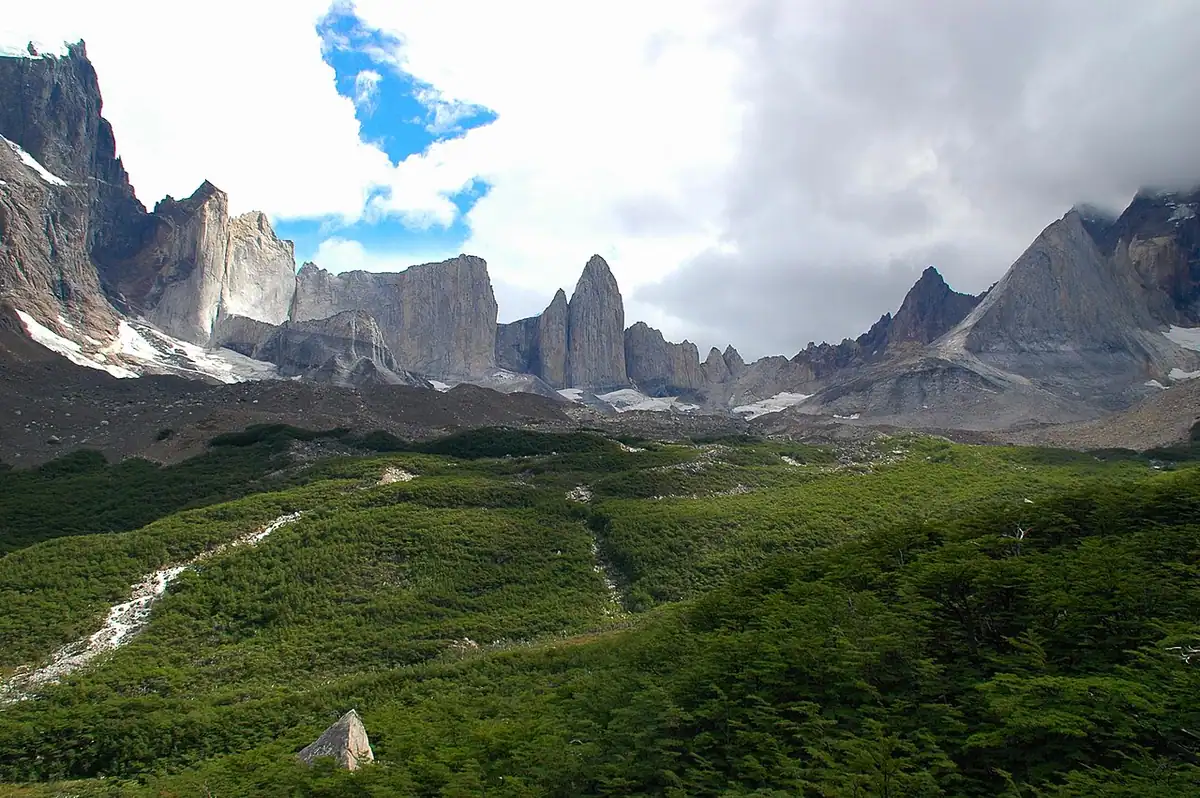
Photo: Mirko Thiessen, CC BY-SA 2.0 · via Wikimedia Commons
Capital
Santiago
Languages
Spanish
Currency
Chilean peso (CLP)
Plugs and power
Types C, L · 220 V
Drives on the
Right
Time zone
Mainland UTC-4, UTC-3 in summer (daylight saving); Easter Island and Magallanes differ
The short version
What to expect in Chile
Chile is a long, narrow country between the Andes and the Pacific, so a trip can go from the dry Atacama desert in the north to wine valleys near Santiago and the lakes, volcanoes and glaciers of Patagonia in the south. Hiking, stargazing and seafood are major reasons to visit. Santiago and Valparaíso are good for walking and street art.
- Torres del Paine
- Atacama desert skies
- Easter Island moai
- Wine valleys
Did you know?
Two Chilean poets, Gabriela Mistral and Pablo Neruda, won the Nobel Prize in Literature, in 1945 and 1971.
Food and drink
What to eat in Chile
- 01
Empanada de pino
Baked pastry filled with minced beef, onion, egg and olive.
- 02
Pastel de choclo
Corn-topped casserole with beef and chicken, baked in a clay dish.
- 03
Pisco sour
Grape brandy cocktail with lime juice and sugar, served cold.
Language
Say it like a local
Spanish
Hola
Hello
Gracias
Thank you
¿Cachai?
You know what I mean? (Chilean slang)
Money and manners: A tip of 10 percent is customary in restaurants, and the bill often lists it as a suggested tip you can accept or decline. Greet with a single kiss on the cheek among friends, a handshake in formal settings.
Timing
When to go
The taller the bar, the more of our Chile trips are at their best that month.
Best months: Nov–Mar
Guides
Trip guides for Chile
 6 days
Chile
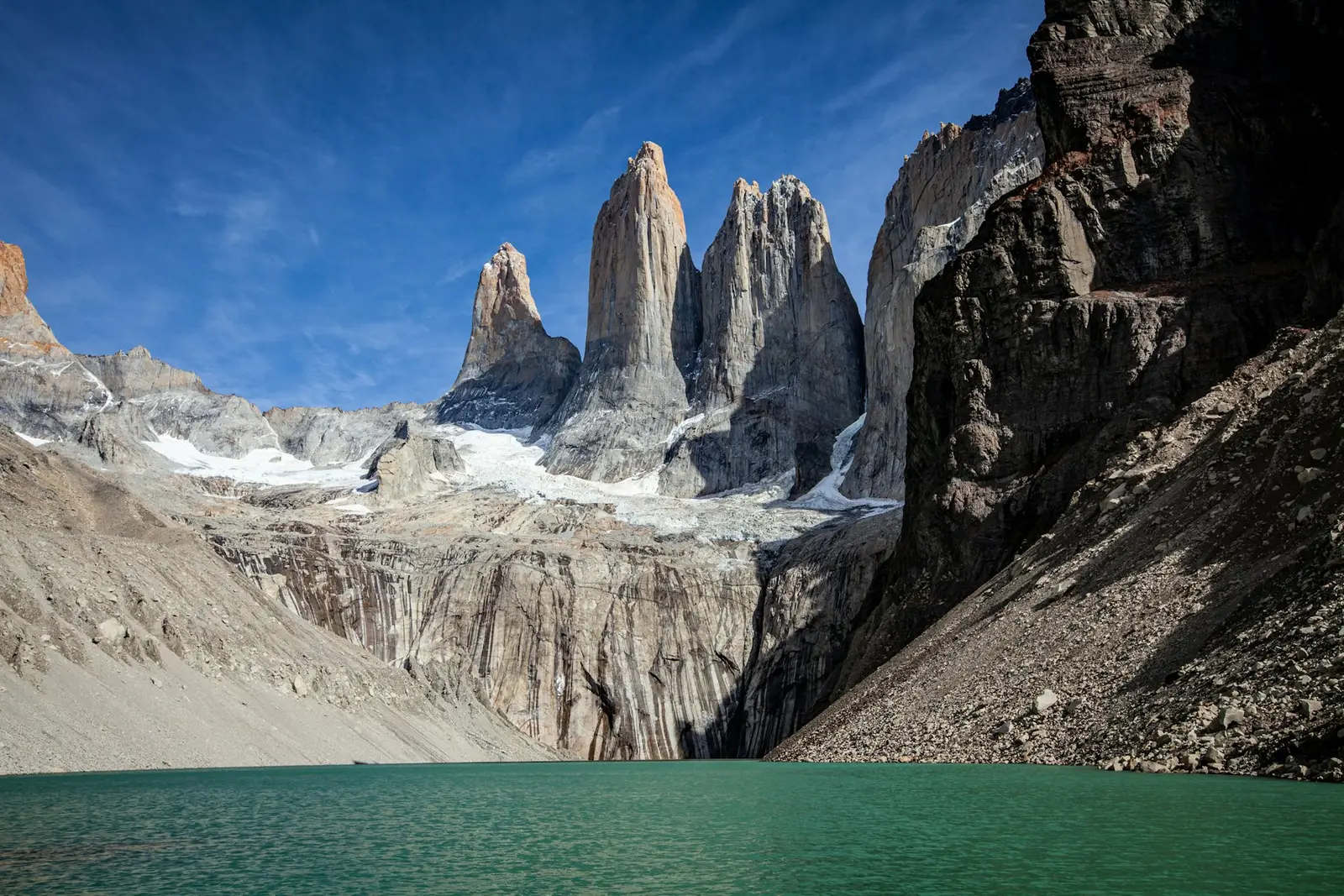
Patagonia: Torres del Paine W Trek
Torres del Paine National Park
- Price
- $$$
- Difficulty
- Challenging
- Best time:
- Nov–Mar
 4 daysGood with kids
Chile
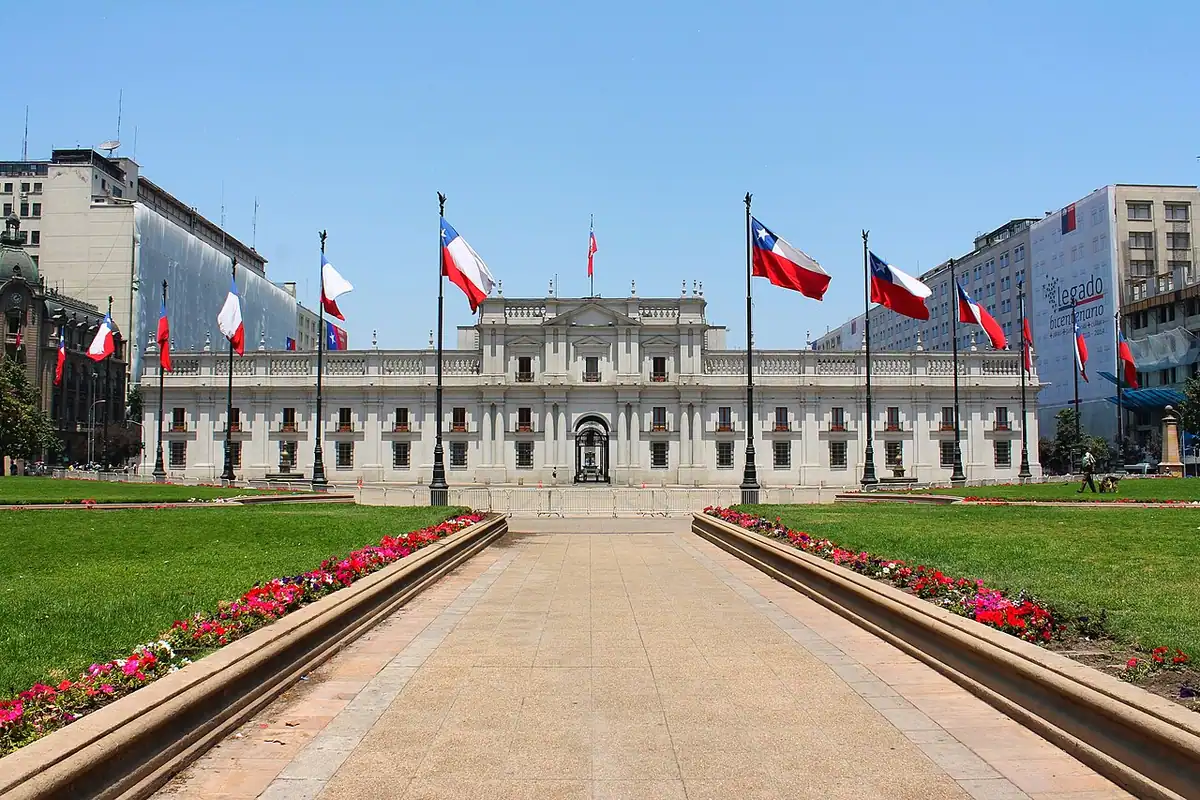
Santiago and Valparaíso
Santiago, Valparaíso and Viña del Mar
- Price
- $$$
- Difficulty
- Easy
- Best time:
- Oct–Apr
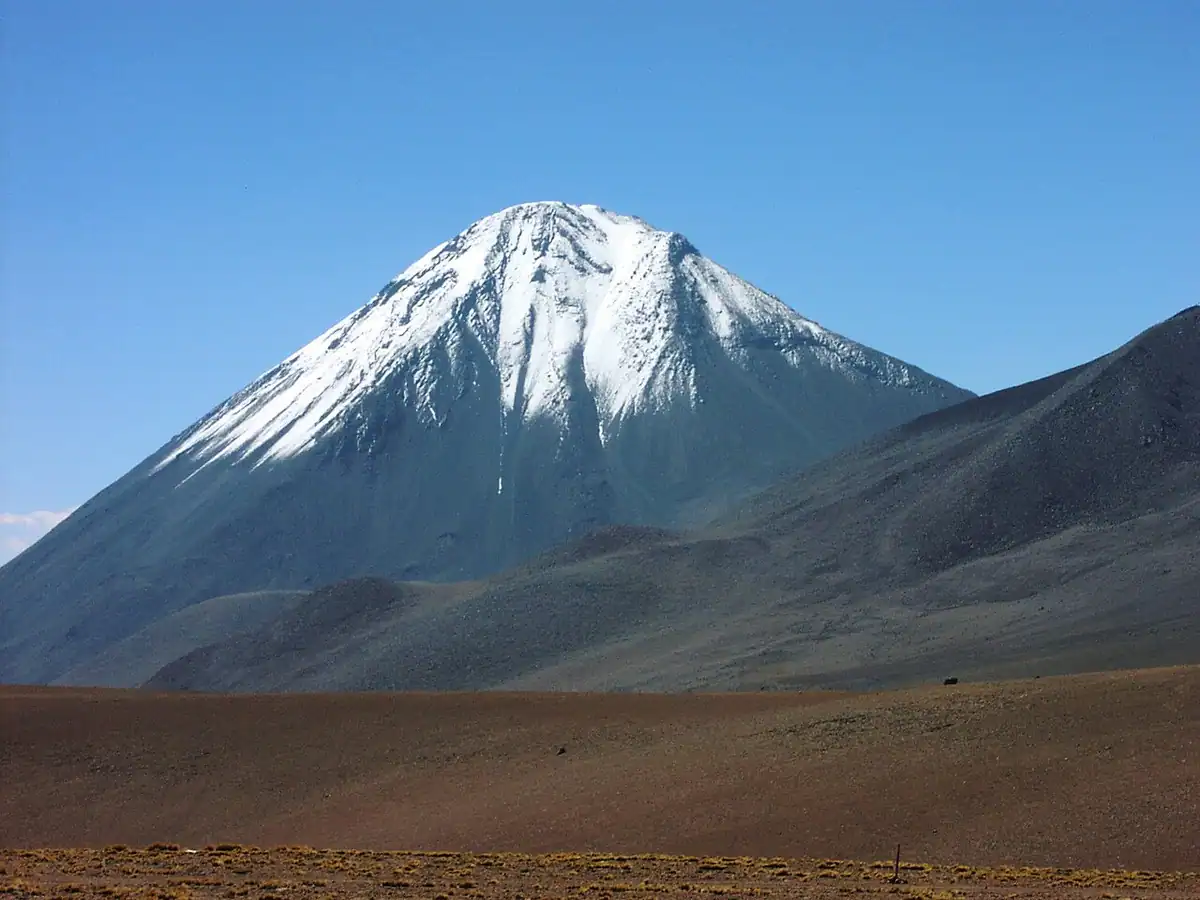 4 days
Chile
Atacama Desert from San Pedro
San Pedro de Atacama and its desert
- Price
- $$$
- Difficulty
- Moderate
- Best time:
- Mar–May, Sep–Nov
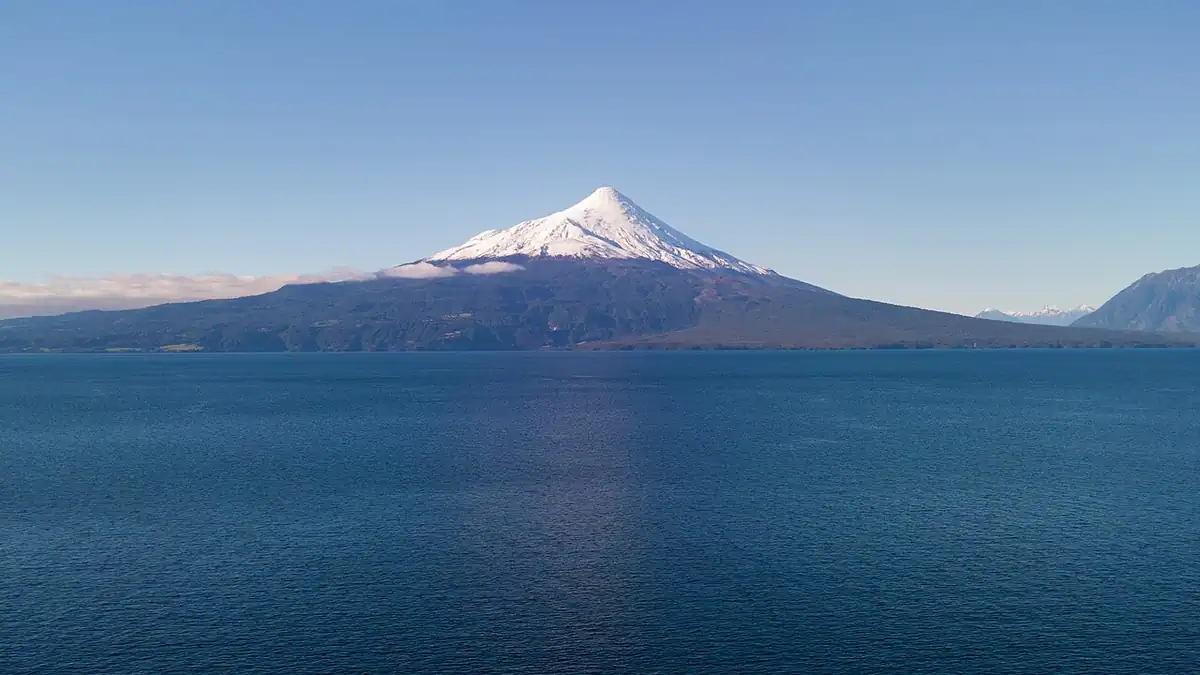 5 days
Chile
Chilean Lake District: Pucón and Puerto Varas
Pucón, Puerto Varas and Petrohué
- Price
- $$$
- Difficulty
- Moderate
- Best time:
- Dec–Mar
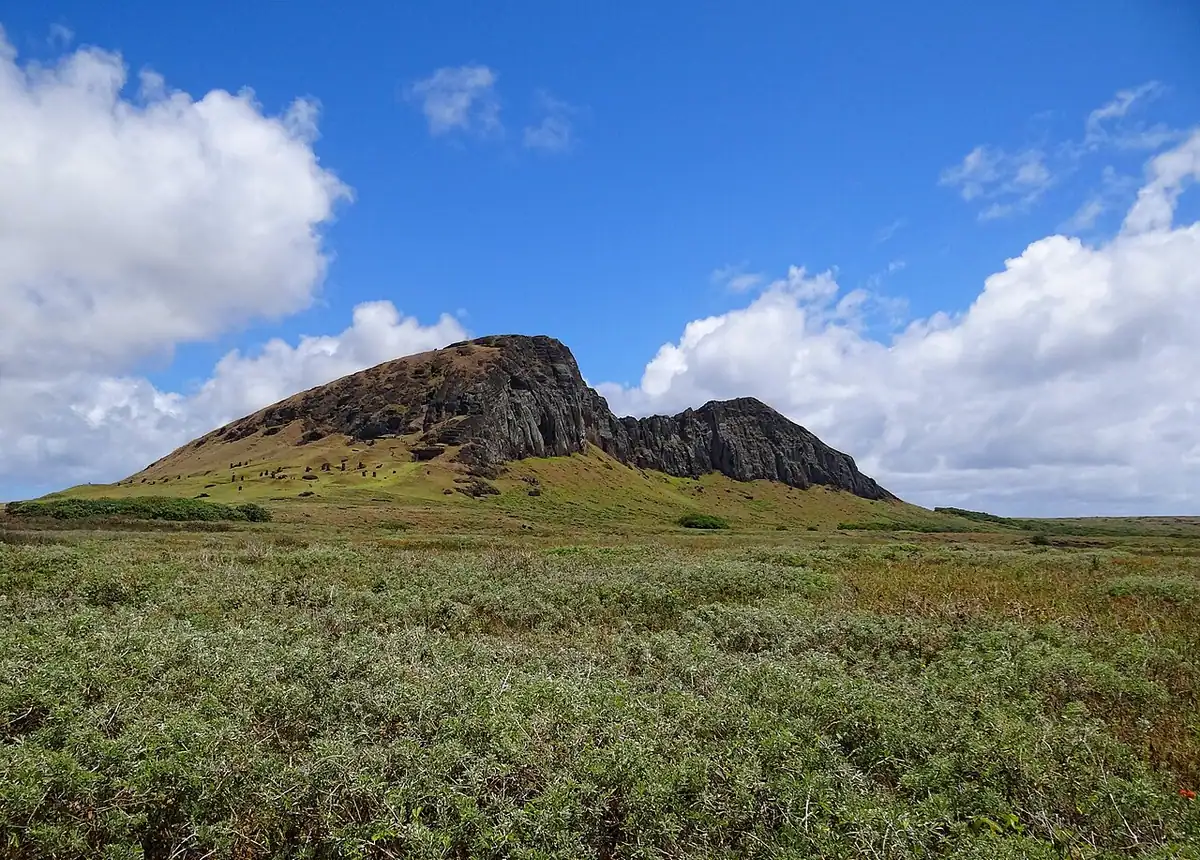 4 daysGood with kids
Chile
Easter Island (Rapa Nui)
Hanga Roa and Rapa Nui National Park
- Price
- $$$
- Difficulty
- Easy
- Best time:
- Nov–Apr
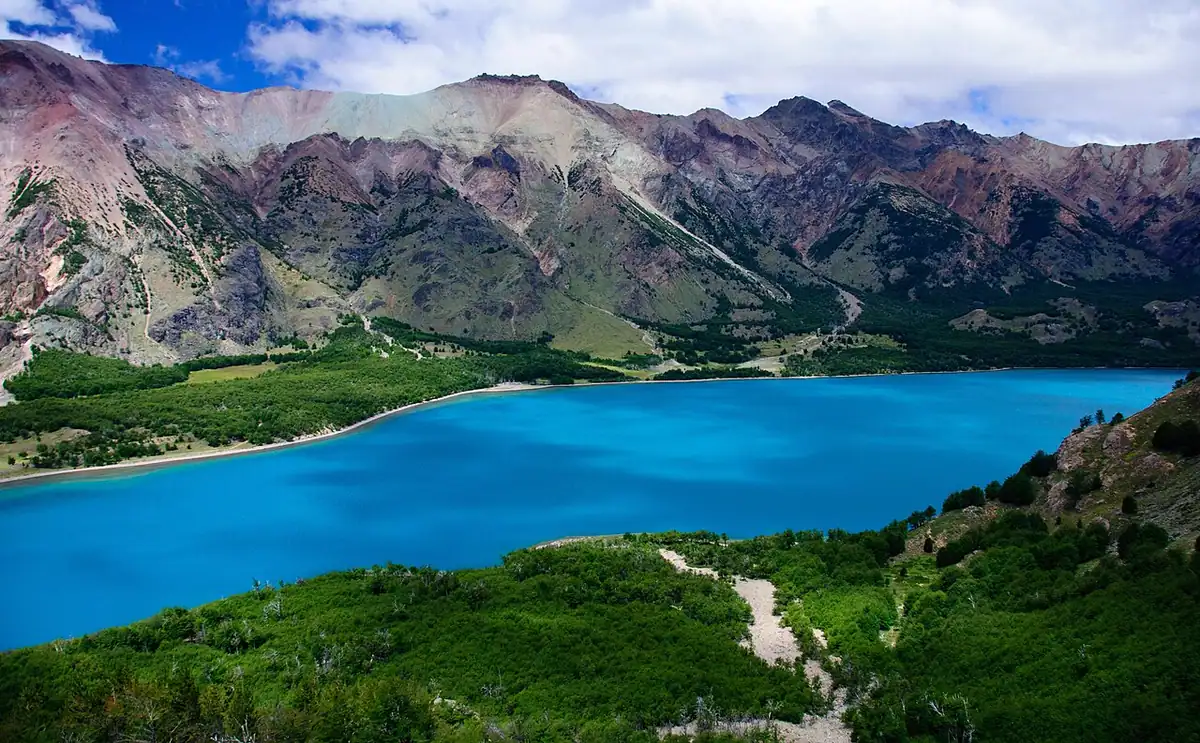 7 daysGood with kids
Chile
Chile’s Carretera Austral road trip
Puerto Montt, Pumalín, Coyhaique and Cochrane
- Price
- $$$
- Difficulty
- Moderate
- Best time:
- Nov–Mar
Safety, health and entry
Before you go
What to know about entry, health and safety before you go, summarized from official guidance for U.S. passport holders. Rules change, so confirm on the sources linked below.
Visa for U.S. citizens
Visa-free for up to 90 days
Visa-freePassport
Valid beyond the day you plan to leave
Vaccines
No vaccines required
State Department advisory
Exercise increased caution
Level 2Entry and visas
Visa-free for up to 90 days
U.S. citizens can visit Chile for up to 90 days without a visa and receive a tourist card on arrival. Keep the card and hand it in when you leave, since losing it causes delays.
Have ready
- Valid beyond the day you plan to leave
- Keep your tourist card safe and hand it in when you leave the country.
- Children traveling with one parent or alone need notarized permission from the absent parent or parents.
Health and vaccines
No vaccines required
Healthcare in Santiago is good, but private care is costly. Carry travel insurance with medical evacuation, especially for remote areas.
Drinking water: Tap water is generally safe in Santiago and most cities, but ask locally in rural and remote areas.
Required to enter
No vaccines are required for U.S. travelers arriving directly.
Recommended by the CDC
Health risks
- Altitude sickness in the Andes and Atacama
- Hantavirus in rural areas
- Dengue confirmed on Rapa Nui (Easter Island)
Safety
Level 2: Exercise increased caution
Exercise increased caution
Pickpocketing, muggings and theft from vehicles are very common, and protests can turn violent in Santiago. Major earthquakes are a risk. Violent attacks occur in the Araucania, Biobio and Los Rios regions.
Avoid
- Rural parts of the Araucania, Biobio and Los Rios regions, where violent attacks occur.
- Protests in Santiago, which can turn violent.
Watch for
- Theft at airports, bus stations and viewpoints, and from vehicles
- Distraction scams in central Santiago and Valparaiso
- Protests, especially on Friday afternoons and around 11 September
- Earthquakes, and mudslides after heavy rain in eastern Santiago
Local laws and customs
- Carry a copy of your passport and your tourist card.
- Fresh produce, meat and dairy cannot be brought into Chile, and customs fines are heavy.
- Drug offences carry prison sentences.
Emergency numbers
- Emergency
- 133
- Police
- 133
- Ambulance
- 131
- Fire
- 132
Sources: U.S. State Department travel advisories · U.S. CDC travel health notices · UK government travel advice. Summarized in November 2026. Advisory levels and entry rules change, so confirm on the sources before you book.
Other governments: Canada, Spain (in Spanish), World Health Organization.
This is general information, not medical, legal or security advice.
Keep exploring
More in South America
Your trip, your way.
Start from a guide or a blank page. Free on the web, with iPhone and Android apps coming soon.