
Hanga Roa and Rapa Nui National Park · Chile
Easter Island (Rapa Nui)
Four days on one of the most remote inhabited islands in the world: the moai statues at Tahai, Rano Raraku and Tongariki, the Orongo ceremonial village and a white-sand beach. Based in Hanga Roa.
- 4 days
- $$$ Splurge
- Easy
- Good with kids
- Couples
- Families
- Friends
- Culture
- Beaches
- Nature
Day by day
The plan
Times are suggestions. Opening hours and seasons change, so check before you go. Once it’s in your trip, move anything you like.
- Day 1
Hanga Roa and the Tahai sunset
- 10:00
Museo Antropológico Sebastián Englert
Activity
A small museum on Rapa Nui history, culture and the rongorongo tablets. A good first stop to understand the island.
- 12:00
Hanga Roa harbor
Activity
The small fishing harbor and the main street, with craft stalls and surf spots.
- 13:30
Lunch: fresh fish in Hanga Roa
Food & drink
Tuna and other local fish are grilled or served raw with lime in the style known as ceviche.
- 15:30
Ana Kai Tangata cave
Activity
A seaside cave with painted bird figures on the ceiling, near the airport. Check that access is open.
- 18:00
Ahu Tahai at sunset
Activity
Several restored moai on a platform by the sea, a short walk from town. Sunsets here are a local ritual.
- 10:00
- Day 2
East coast and Anakena
- 07:30
Ahu Tongariki
Activity
Fifteen restored moai in a row facing inland. It is especially striking at sunrise, but sunrise tours start before dawn.
- 10:00
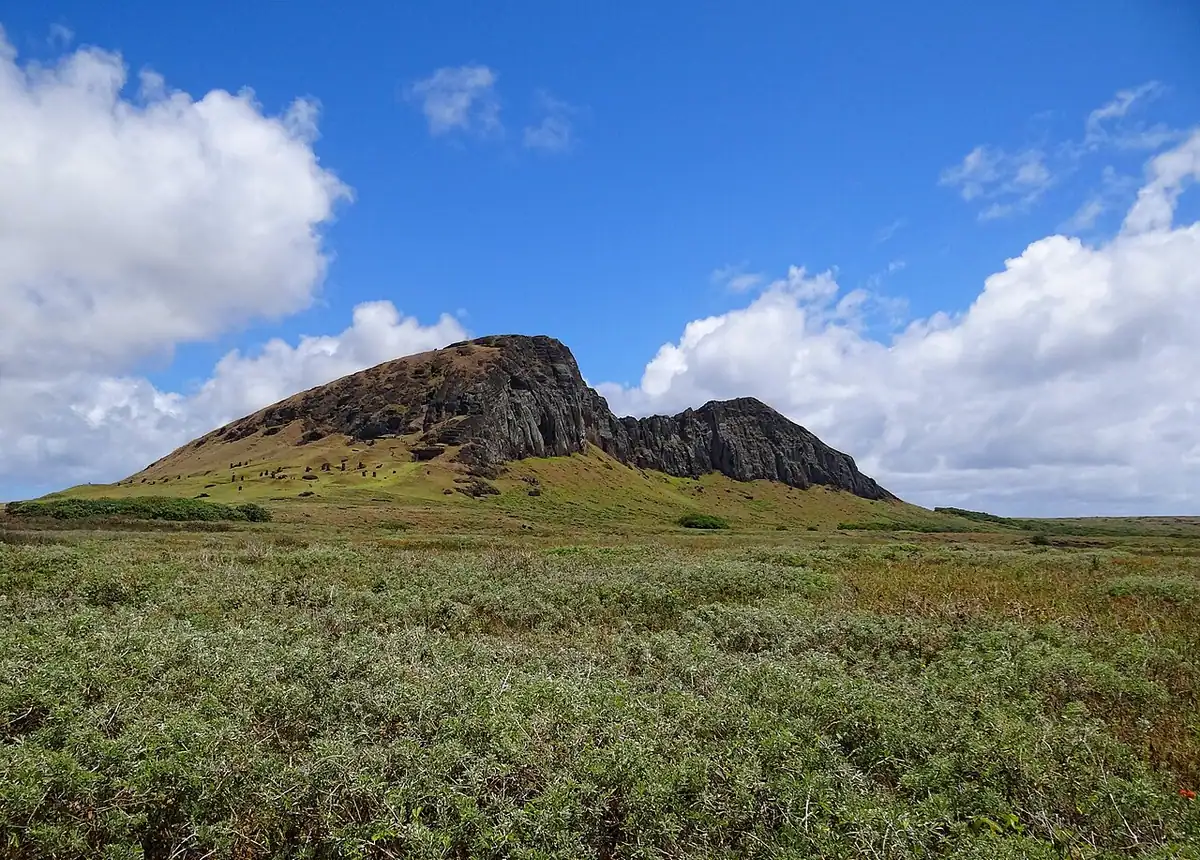
Rano Raraku quarry
Activity
The volcanic crater where moai were carved from the rock, with many left unfinished on the hillside. Stay on the paths.
- 13:00
Lunch at Anakena beach
Food & drink
Bring a picnic or eat at a simple stall by the sand.
- 14:00
Anakena beach and Ahu Nau Nau
Activity
A white-sand beach shaded by palms, with a row of well-preserved moai wearing their topknots.
- 16:30
Ahu Te Pito Kura
Activity
A large fallen moai and a round stone on the north coast, regarded as the navel of the world. Do not touch the stone.
- 07:30
- Day 3
Orongo and the inland statues
- 09:00
Rano Kau crater
Activity
A huge crater lake with a lookout from the rim. The wind is strong, so keep your hat on.
- 10:30
Orongo ceremonial village
Activity
Stone houses and rock carvings of the birdman cult above the sea. Stay on the marked paths, because the site is fragile.
- 13:00
Lunch in Hanga Roa
Food & drink
Try empanadas de atún, a fried pastry filled with tuna and cheese.
- 15:00
Ahu Vinapu
Activity
A ruined platform with finely fitted stonework, on the south side of the island.
- 17:00
Ahu Akivi
Activity
Seven moai that face the sea from inland, in a quiet field. They are among the few that look toward the ocean.
- 09:00
- Day 4
A slower last day
- 09:30
Church of Hanga Roa
Activity
A small church that blends Catholic and Rapa Nui carving styles.
- 10:30
Mercado Artesanal
Activity
A craft market with wood carvings and textiles, and a place to buy souvenirs made on the island.
- 12:30
Seaside lunch
Food & drink
A relaxed lunch on a harbor terrace is a good way to close the trip.
- 15:00
Playa Pea swim
Activity
A small town beach by the harbor, popular with locals for swimming and bodyboarding.
- 18:00
Last sunset at Ahu Tahai
Activity
Return to the shore for one more sunset with the moai.
- 09:30
Good to know
Tips
Respect sacred sites
Moai and ahu platforms are sacred to the Rapa Nui people. Never climb on, lean on or touch them, stay on marked paths and keep drones away. Following the rules protects fragile sites.
Park ticket and guides
Entry to the national park requires a ticket bought on the island or in advance, and visits are limited to a set number of days. Rules change, so check the current requirements before you go.
Getting there and around
Flights arrive from Santiago, so book early for peak months. Rent a car, scooter or bike, or join a guided tour. Local guides give context that signs do not.
Weather and sun
Summer from December to March is warm and sunny, with some showers year-round. Bring sunscreen, a hat, a rain jacket and reef-safe sun protection for the sea. Check your government’s travel advice and entry rules before booking.
Photo: Bjørn Christian Tørrissen, CC BY-SA 3.0 · via Wikimedia Commons
Safety, health and entry
Before you go
A summary of what the official guidance says, written for U.S. passport holders. Entry rules, vaccine advice and safety warnings change, so check the sources linked under each country close to departure.
Chile
Entry and visas
Visa-free for up to 90 days. U.S. citizens can visit Chile for up to 90 days without a visa and receive a tourist card on arrival. Keep the card and hand it in when you leave, since losing it causes delays.
Health and vaccines
No vaccines required. Healthcare in Santiago is good, but private care is costly. Carry travel insurance with medical evacuation, especially for remote areas.
Safety
Exercise increased caution. Pickpocketing, muggings and theft from vehicles are very common, and protests can turn violent in Santiago. Major earthquakes are a risk. Violent attacks occur in the Araucania, Biobio and Los Rios regions.
Emergency number133 (133 police)
Sources: U.S. State Department travel advisories · U.S. CDC travel health notices · UK government travel advice. Summarized in November 2026.
Checklist
- Passport: check the expiry date. Many countries want at least six months left and one or two blank pages.
- Visa or entry permit: rules depend on your passport, so check the country’s official immigration site or your own government’s advice.
- Vaccines: make sure routine ones are current and ask a travel clinic about the rest at least six weeks before you leave.
- Insurance: get cover for medical care, and for evacuation if you’ll be far from a hospital.
- Register your trip with your embassy if your country offers it, and keep copies of your passport and bookings.
Other governments: Canada, Spain (in Spanish), World Health Organization.
This is general information, not medical, legal or security advice.
Keep exploring
More guides
 5 daysGood with kids
Ecuador
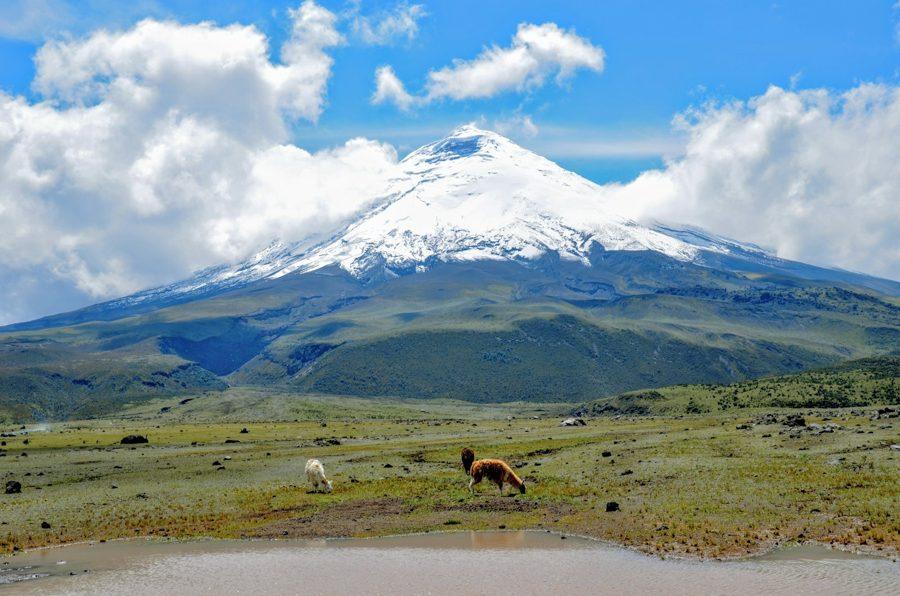
Quito and the Andes
Quito, Cotopaxi and Baños
- Price
- $$$
- Difficulty
- Moderate
- Best time:
- Jun–Sep, Dec–Jan
 5 daysGood with kids
Ecuador
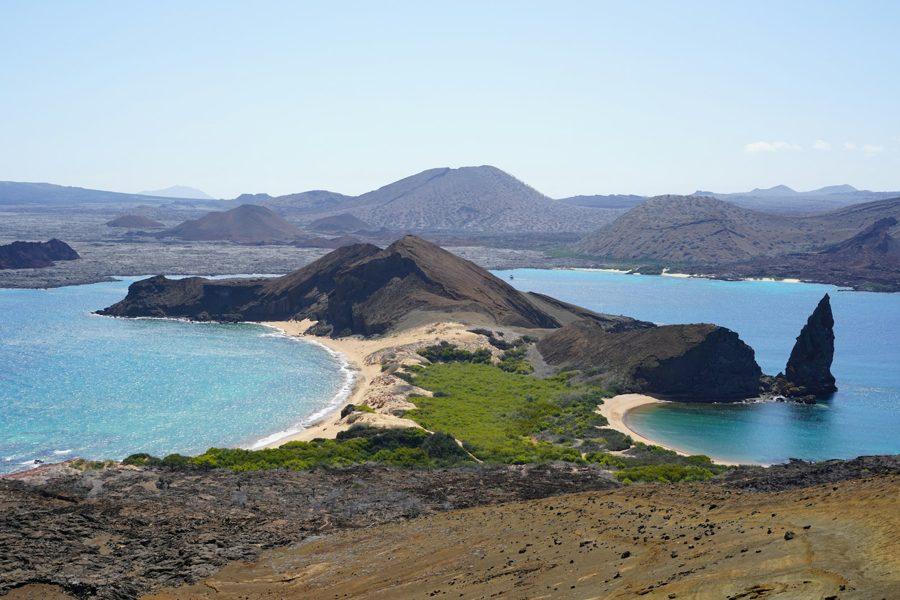
Galápagos: Santa Cruz and San Cristóbal
Santa Cruz and San Cristóbal
- Price
- $$$
- Difficulty
- Easy
- Best time:
- Dec–Jun
 5 daysGood with kids
Peru
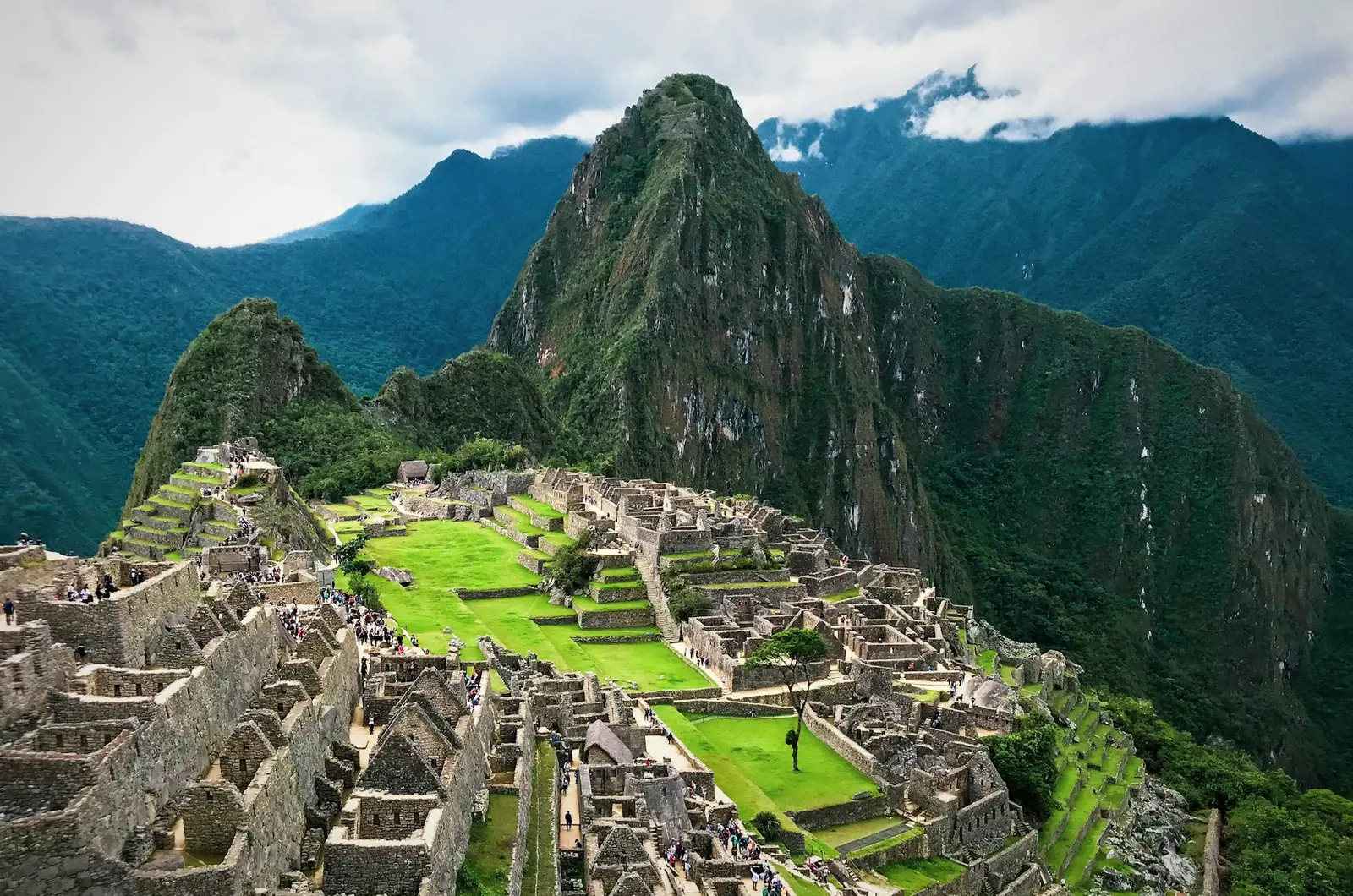
Cusco, the Sacred Valley and Machu Picchu
Cusco, Sacred Valley and Machu Picchu
- Price
- $$$
- Difficulty
- Moderate
- Best time:
- Apr–Oct