
South America
Bolivia
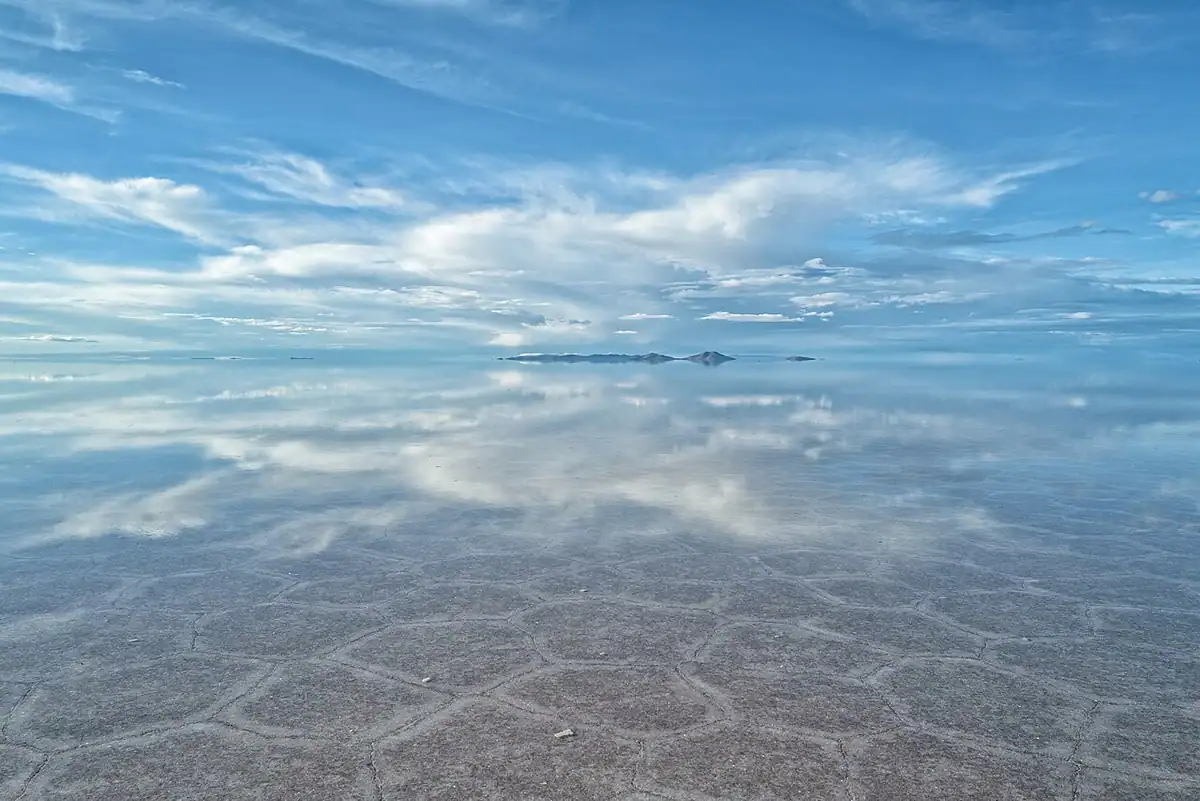
Salt flats, high Andes and cable car commutes
Photo: Otávio Nogueira from Fortaleza, BR, CC BY 2.0 · via Wikimedia Commons
Capital
Sucre (constitutional), La Paz (seat of government)
Languages
Spanish, Quechua, Aymara and other indigenous languages
Currency
Bolivian boliviano (BOB)
Plugs and power
Types A, C · 230 V
Drives on the
Right
Time zone
UTC-4, no daylight saving
The short version
What to expect in Bolivia
Bolivia stretches from the high Andean plateau to Amazon lowlands. Visitors cross the Uyuni salt flat in a jeep, ride the cable cars above La Paz, explore Lake Titicaca and walk the colonial streets of Sucre. Many arrive at high altitude, so slow days at the start help.
- Salar de Uyuni
- La Paz cable cars
- Lake Titicaca
- Colonial Sucre
Did you know?
After rain, the Uyuni salt flat becomes a thin sheet of water that mirrors the sky.
Food and drink
What to eat in Bolivia
- 01
Salteña
Baked pastry filled with juicy, spiced stew, eaten mid-morning.
- 02
Silpancho
Breaded beef over rice and potatoes, topped with an egg.
- 03
Api con pastel
Thick warm purple corn drink with a fried cheese pastry.
Language
Say it like a local
Spanish
Hola
Hello
Gracias
Thank you
¿Cuánto cuesta?
How much is it?
Money and manners: Take the first day or two slowly at altitude and drink coca tea, which is sold everywhere. Carry small bills and coins, since many shops and taxis cannot break large notes. Tipping 10 percent at sit-down restaurants is appreciated.
Timing
When to go
The taller the bar, the more of our Bolivia trips are at their best that month.
Best months: May–Oct
Guides
Trip guides for Bolivia
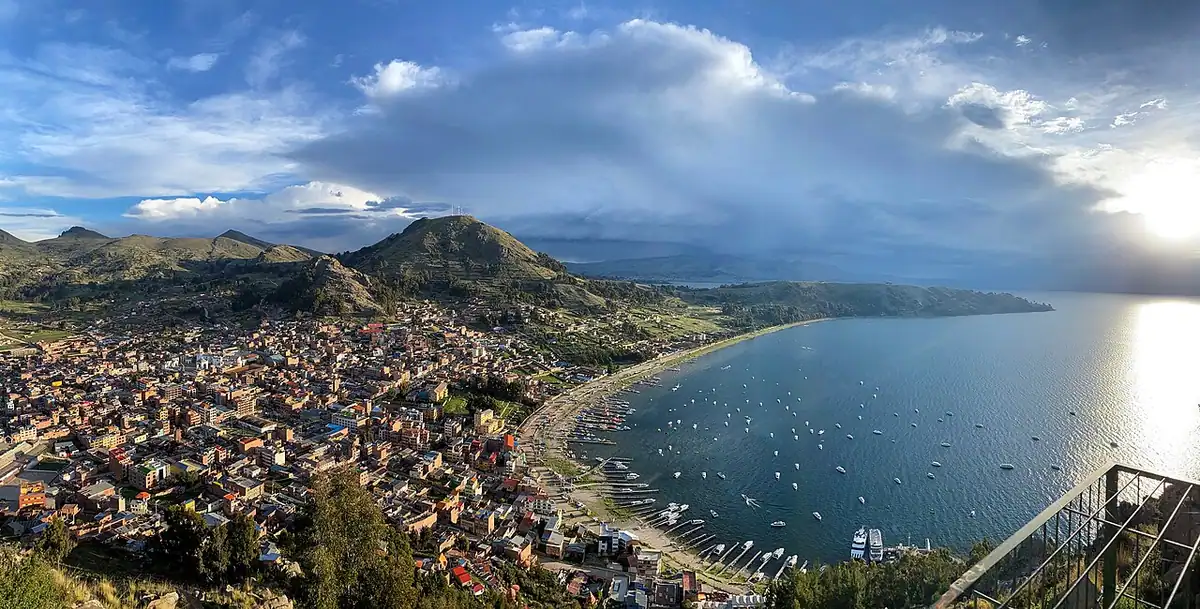 4 days
Peru and Bolivia
Lake Titicaca: Puno, the Uros islands and Copacabana
Puno, Uros, Copacabana and Isla del Sol
- Price
- $$$
- Difficulty
- Moderate
- Best time:
- May–Oct
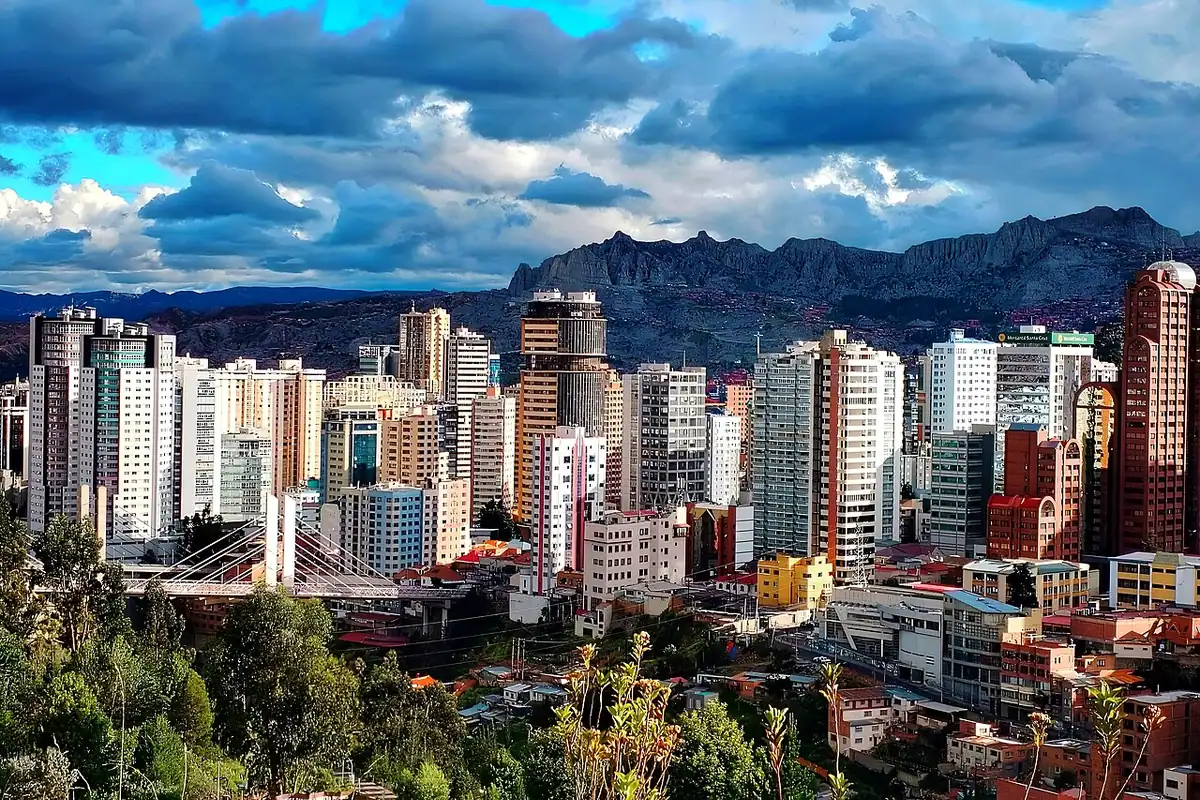 5 days
Bolivia
La Paz and the Uyuni Salt Flats
La Paz, Tiwanaku and Salar de Uyuni
- Price
- $$$
- Difficulty
- Challenging
- Best time:
- Jul–Sep, Dec–Mar
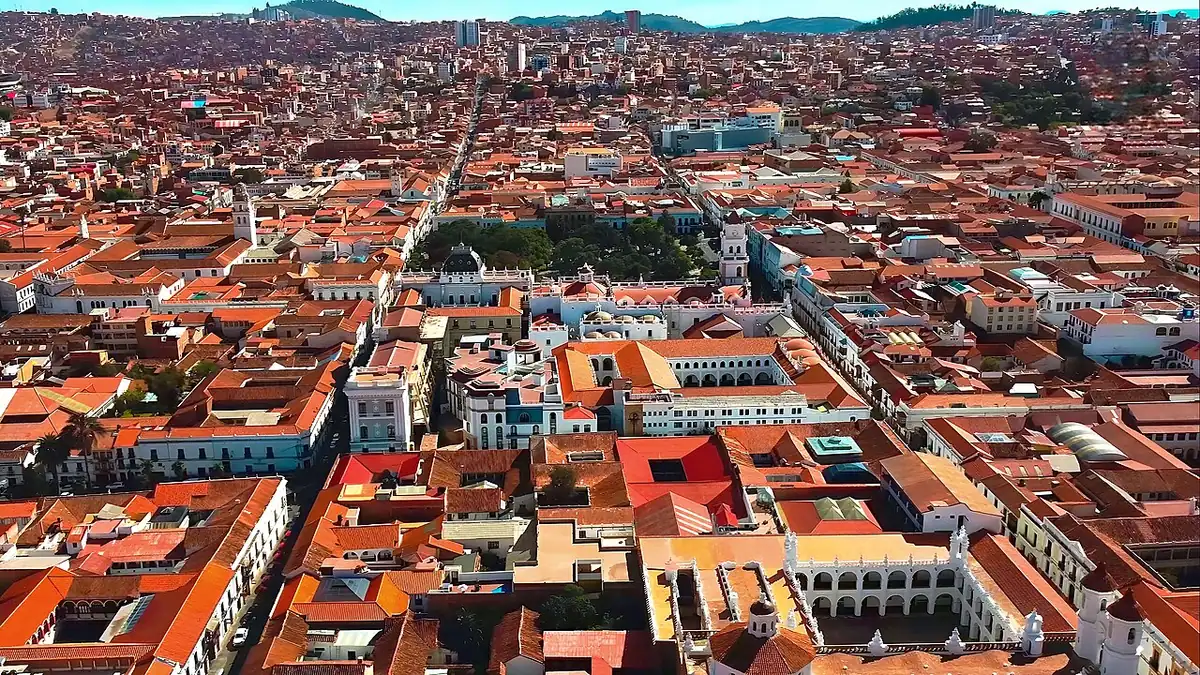 4 days
Bolivia
Sucre and Potosí
Sucre and Potosí
- Price
- $$$
- Difficulty
- Moderate
- Best time:
- May–Oct
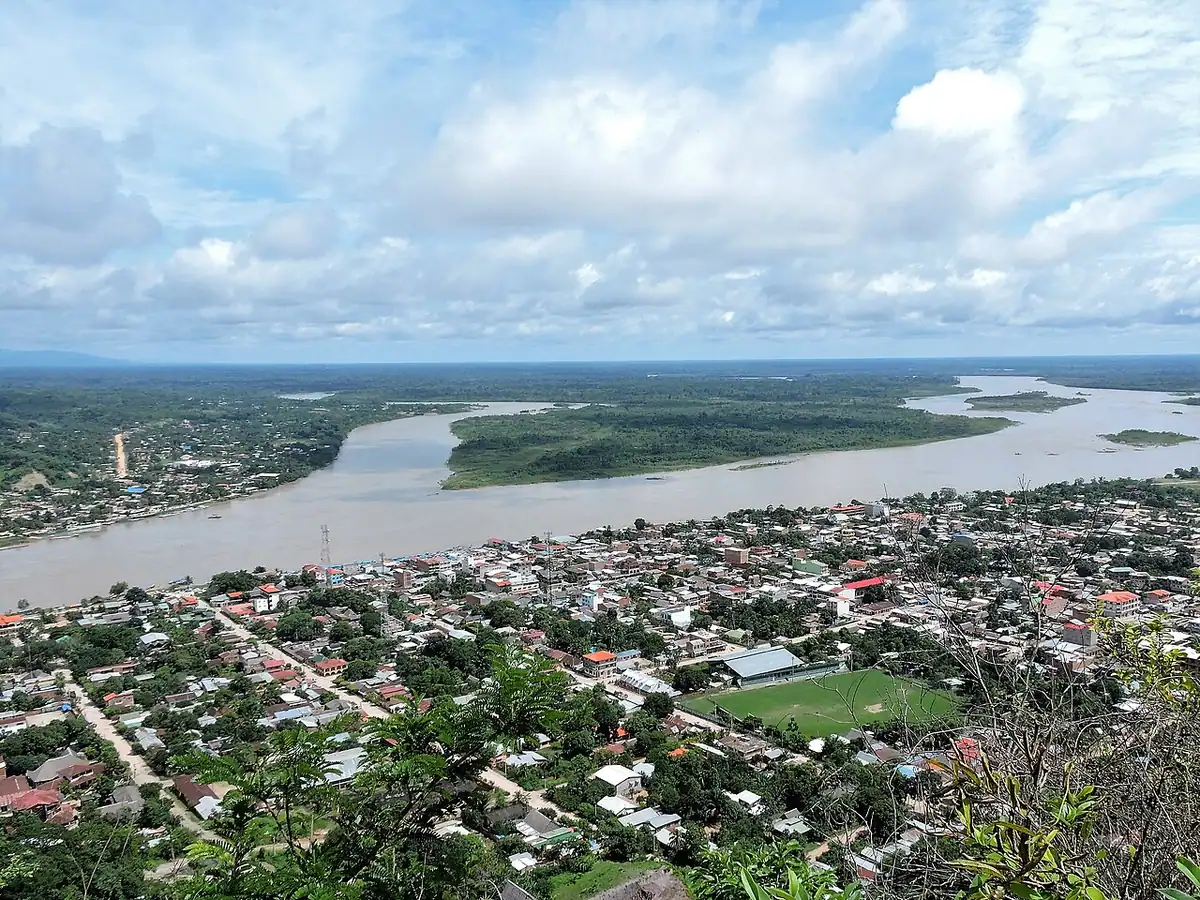 4 days
Bolivia
Rurrenabaque, Madidi and the pampas
Rurrenabaque, Madidi National Park and the Yacuma pampas
- Price
- $$$
- Difficulty
- Moderate
- Best time:
- May–Oct
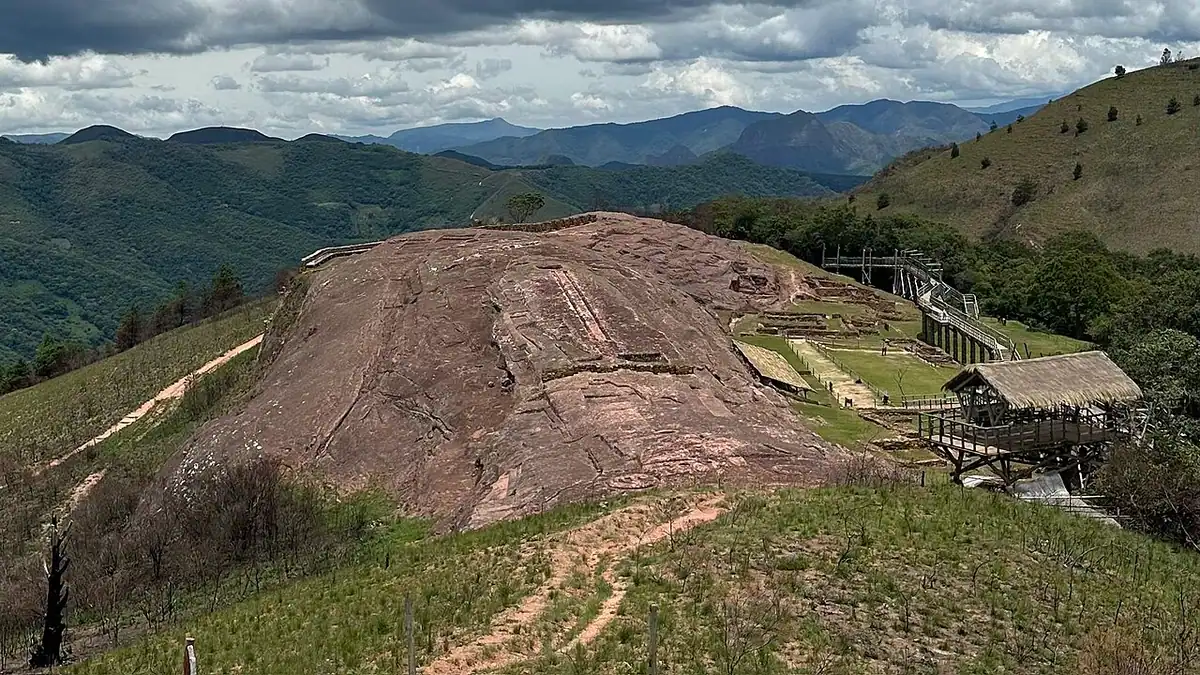 5 days
Bolivia
Santa Cruz, Samaipata and the Jesuit missions
Santa Cruz, Samaipata and the Chiquitania
- Price
- $$$
- Difficulty
- Moderate
- Best time:
- May–Oct
Safety, health and entry
Before you go
What to know about entry, health and safety before you go, summarized from official guidance for U.S. passport holders. Rules change, so confirm on the sources linked below.
Visa for U.S. citizens
Visa-free for up to 90 days
Visa-freePassport
Valid 6 months beyond arrival
Vaccines
Yellow fever certificate advised
State Department advisory
Exercise increased caution
Level 2Entry and visas
Visa-free for up to 90 days
U.S. citizens do not need a visa for tourism or business stays of less than 90 days in a year. Bolivia requires a yellow fever vaccination certificate, particularly for travel to lowland areas below 2,300 meters east of the Andes.
Have ready
- Valid 6 months beyond arrival
- Carry your international yellow fever certificate; it covers Beni, Pando and Santa Cruz.
- Make sure you get an entry stamp in your passport.
- You may bring in up to 50,000 US dollars.
Health and vaccines
Yellow fever certificate advised
Public healthcare is inconsistent and limited in remote areas, and some medicines are in short supply. Carry insurance that covers medical evacuation.
Drinking water: Do not drink tap water; use bottled or treated water.
Required to enter
Recommended by the CDC
Health risks
- Altitude sickness in La Paz and Uyuni
- Zika and Oropouche
- Rabid dogs are common
Safety
Level 2: Exercise increased caution
Exercise increased caution
The U.S. State Department rates Bolivia Level 2: exercise increased caution, because of crime and unrest, and says not to travel to Chapare Province for any reason. Protests and roadblocks can appear without warning and cause fuel and food shortages.
Avoid
- Chapare Province, where the State Department says not to travel for any reason.
- Roadblocks and protests; do not try to cross blockades.
Watch for
- Petty crime is common in central La Paz and on buses.
- Thieves pose as police, so never get into an unmarked car.
- Taxi robberies and express kidnappings occur in Santa Cruz, La Paz and Rurrenabaque.
Local laws and customs
- Carry a copy of your passport and entry stamp.
- Drug offenses carry long prison sentences.
- Ask permission before photographing people or military sites.
Emergency numbers
- Emergency
- 110
- Police
- 110
- Ambulance
- 118
- Fire
- 119
Sources: U.S. State Department travel advisories · U.S. CDC travel health notices · UK government travel advice. Summarized in November 2026. Advisory levels and entry rules change, so confirm on the sources before you book.
Other governments: Canada, Spain (in Spanish), World Health Organization.
This is general information, not medical, legal or security advice.
Keep exploring
More in South America
Your trip, your way.
Start from a guide or a blank page. Free on the web, with iPhone and Android apps coming soon.