
Africa
Tunisia
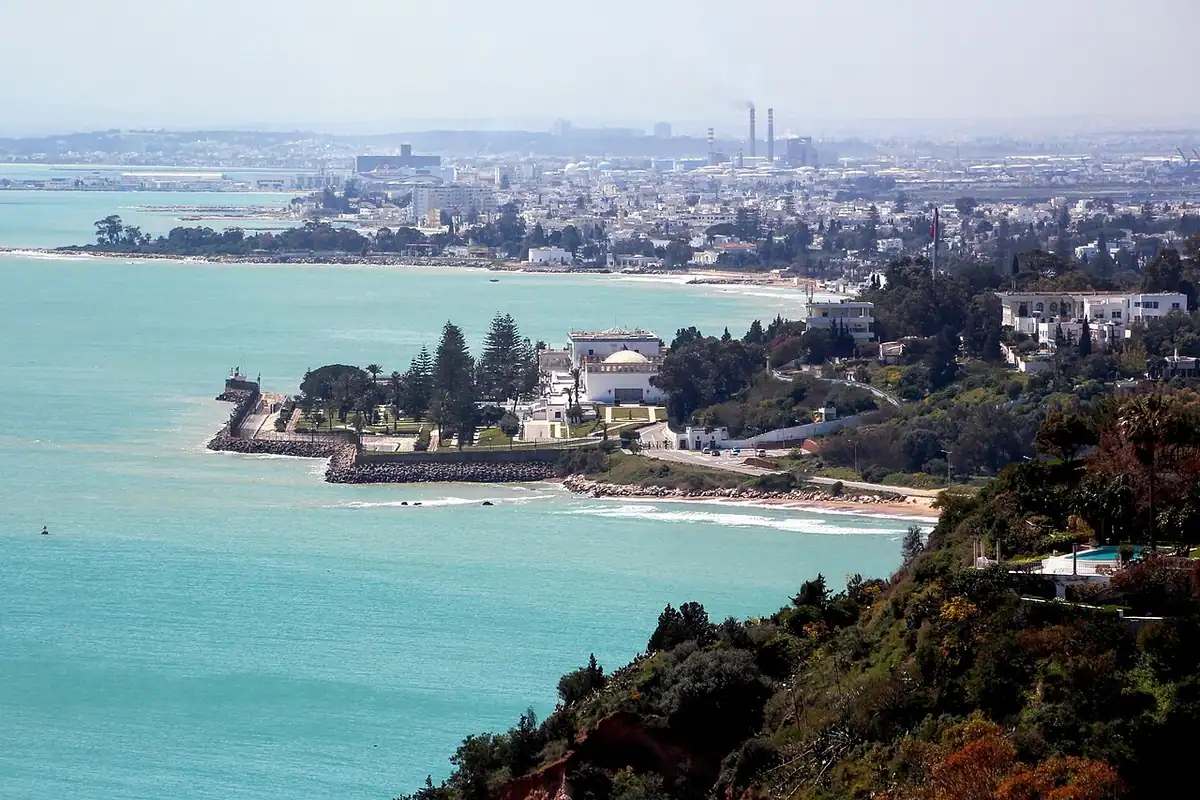
Roman ruins, blue doors and Sahara dunes
Photo: Fjmustak, CC BY-SA 4.0 · via Wikimedia Commons
Capital
Tunis
Languages
Arabic, French
Currency
Tunisian dinar (TND)
Plugs and power
Types C, E · 230 V
Drives on the
Right
Time zone
UTC+1, no daylight saving
The short version
What to expect in Tunisia
Tunisia packs a lot into a small North African country. There are Mediterranean beaches, the old medinas of Tunis and Sousse, Roman sites such as El Djem and Carthage, and the edge of the Sahara in the south. Mint tea, spicy harissa and bargaining in the souks are part of most trips.
- Carthage and Roman ruins
- Sidi Bou Said blue and white
- Sahara desert tours
- Harissa and olive oil
Did you know?
Scenes for the Star Wars films were shot in Tunisia, including the cave homes near Matmata that stood in for Tatooine.
Food and drink
What to eat in Tunisia
- 01
Brik
Thin pastry folded around egg and tuna, then deep fried.
- 02
Couscous
Steamed semolina served with lamb, fish or vegetables in spiced broth.
- 03
Lablabi
Chickpea soup over bread with harissa, cumin and olive oil.
Language
Say it like a local
Arabic (Tunisian)
عسلامة (Aslema)
Hello
شكرا (Shukran)
Thank you
بالسلامة (Bessalama)
Goodbye
Money and manners: Prices in souks are often negotiable, so counter politely and smile. In restaurants, leaving small change or around 10 percent is appreciated.
Timing
When to go
The taller the bar, the more of our Tunisia trips are at their best that month.
Best months: Mar–May, Oct–Nov
Guides
Trip guides for Tunisia
 6 days
Tunisia
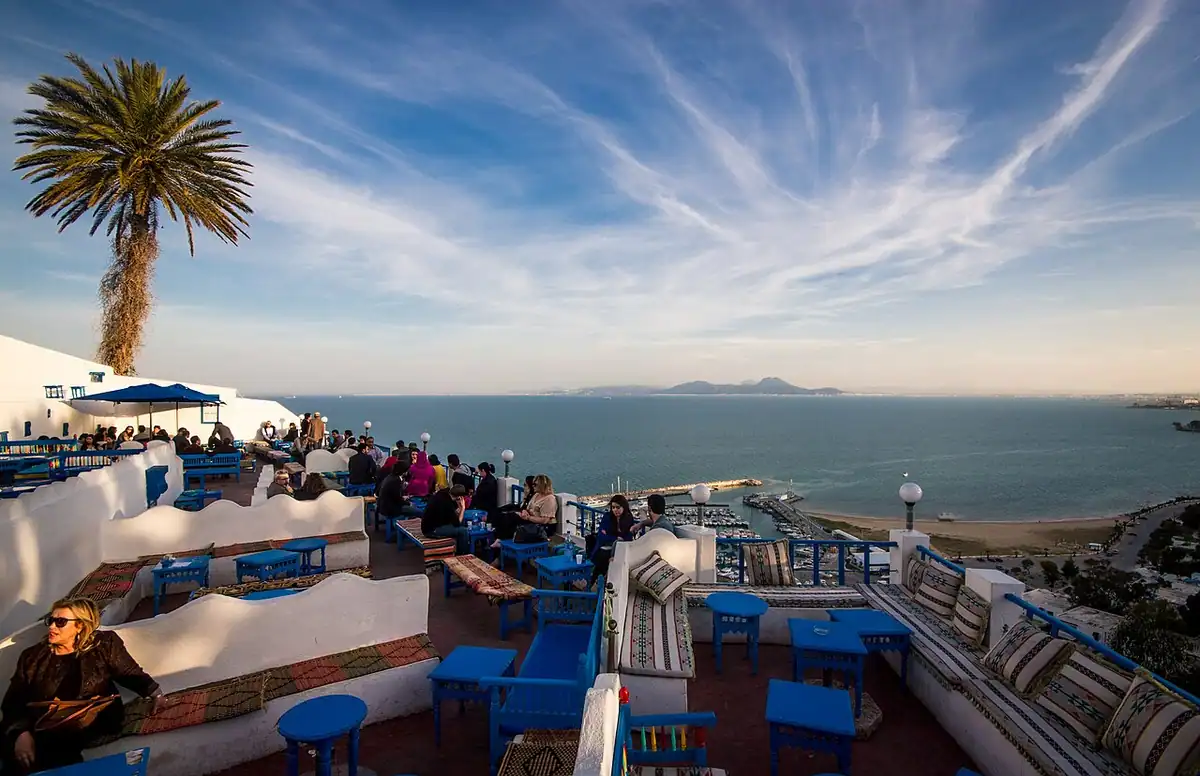
Tunisia: Carthage and the Sahara
Tunis, Carthage, Dougga, Matmata and Douz
- Price
- $$$
- Difficulty
- Moderate
- Best time:
- Mar–May, Oct–Nov
 3 daysGood with kids
Tunisia
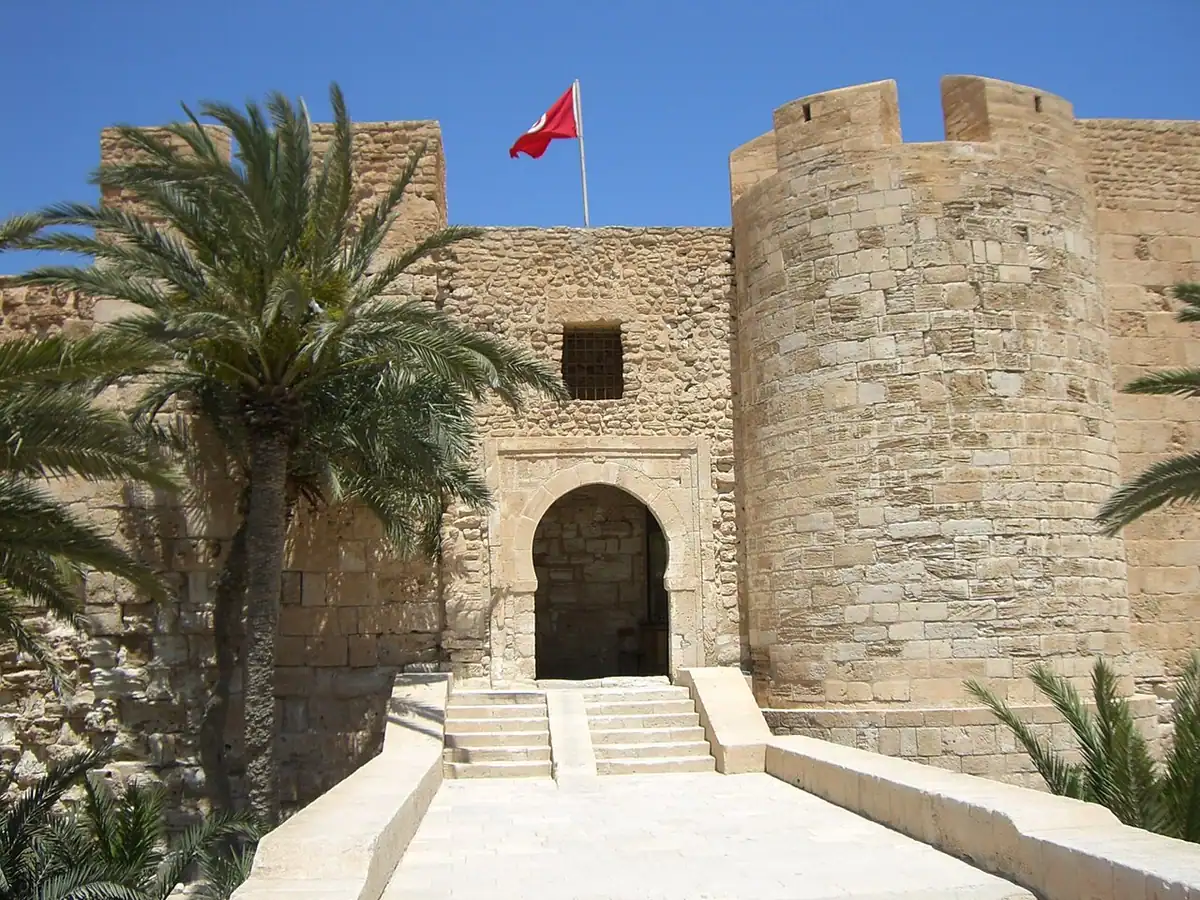
Djerba island days
Djerba
- Price
- $$$
- Difficulty
- Easy
- Best time:
- May–Jun, Sep–Oct
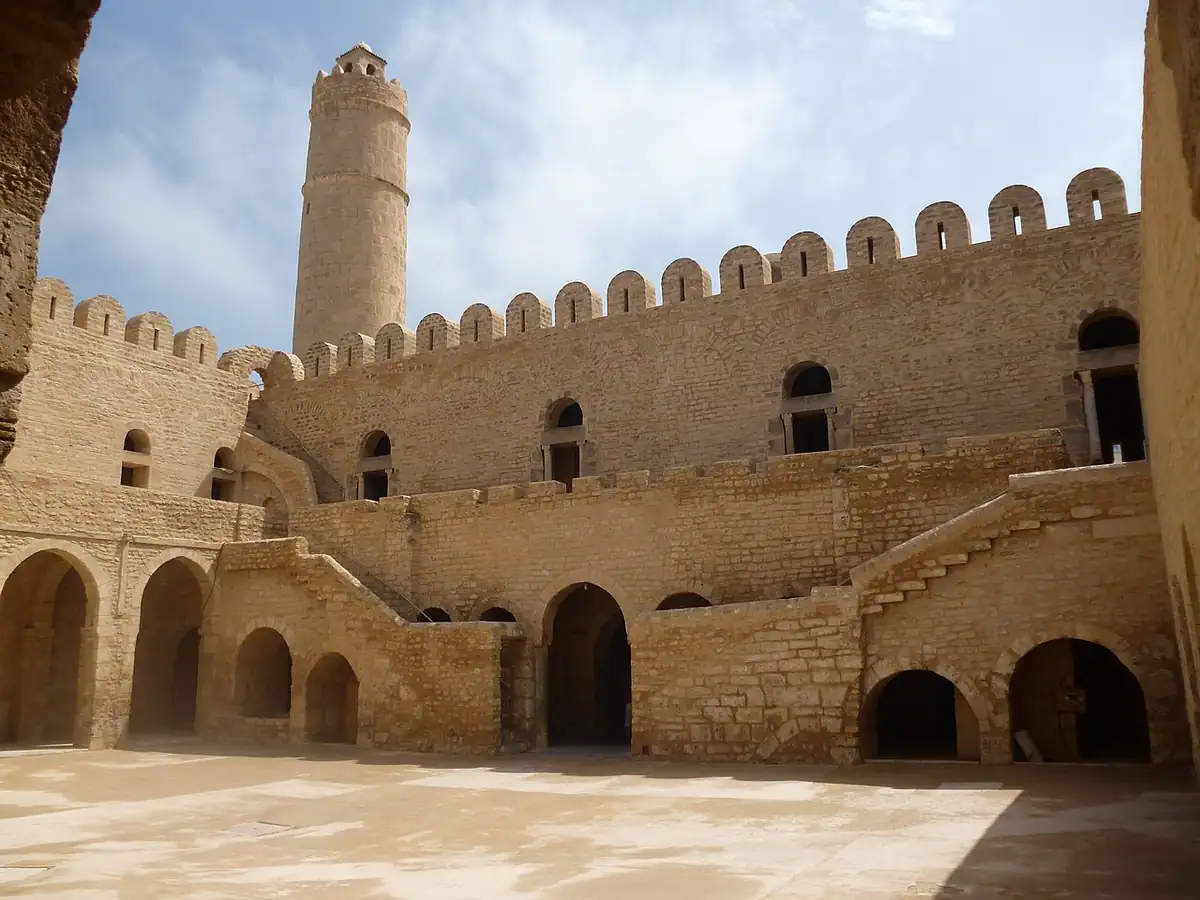 4 days
Tunisia
Sousse, Mahdia and Kairouan
Sousse, Monastir, Mahdia and Kairouan
- Price
- $$$
- Difficulty
- Moderate
- Best time:
- Mar–May, Oct–Nov
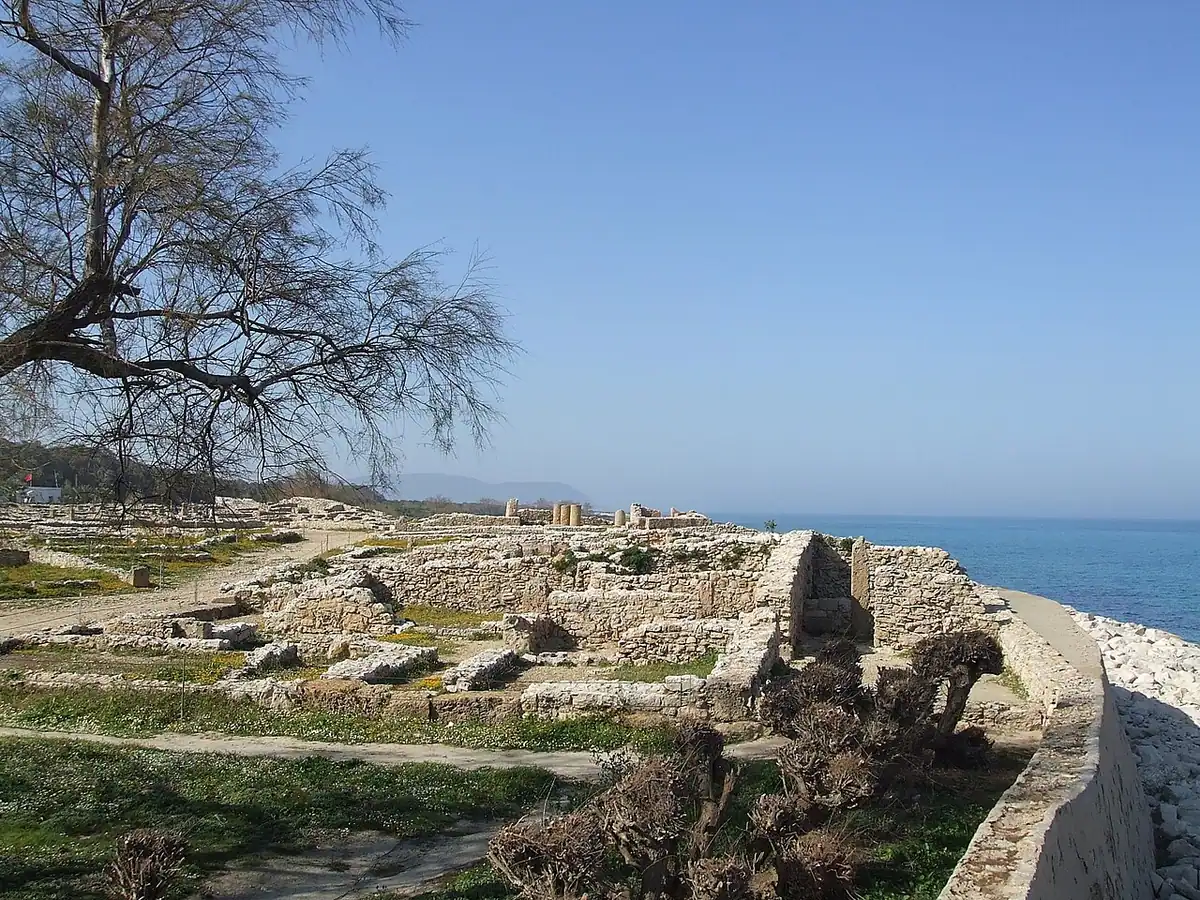 3 daysGood with kids
Tunisia
Cap Bon and Hammamet
Hammamet, Nabeul and Cap Bon
- Price
- $$$
- Difficulty
- Easy
- Best time:
- May–Jun, Sep–Oct
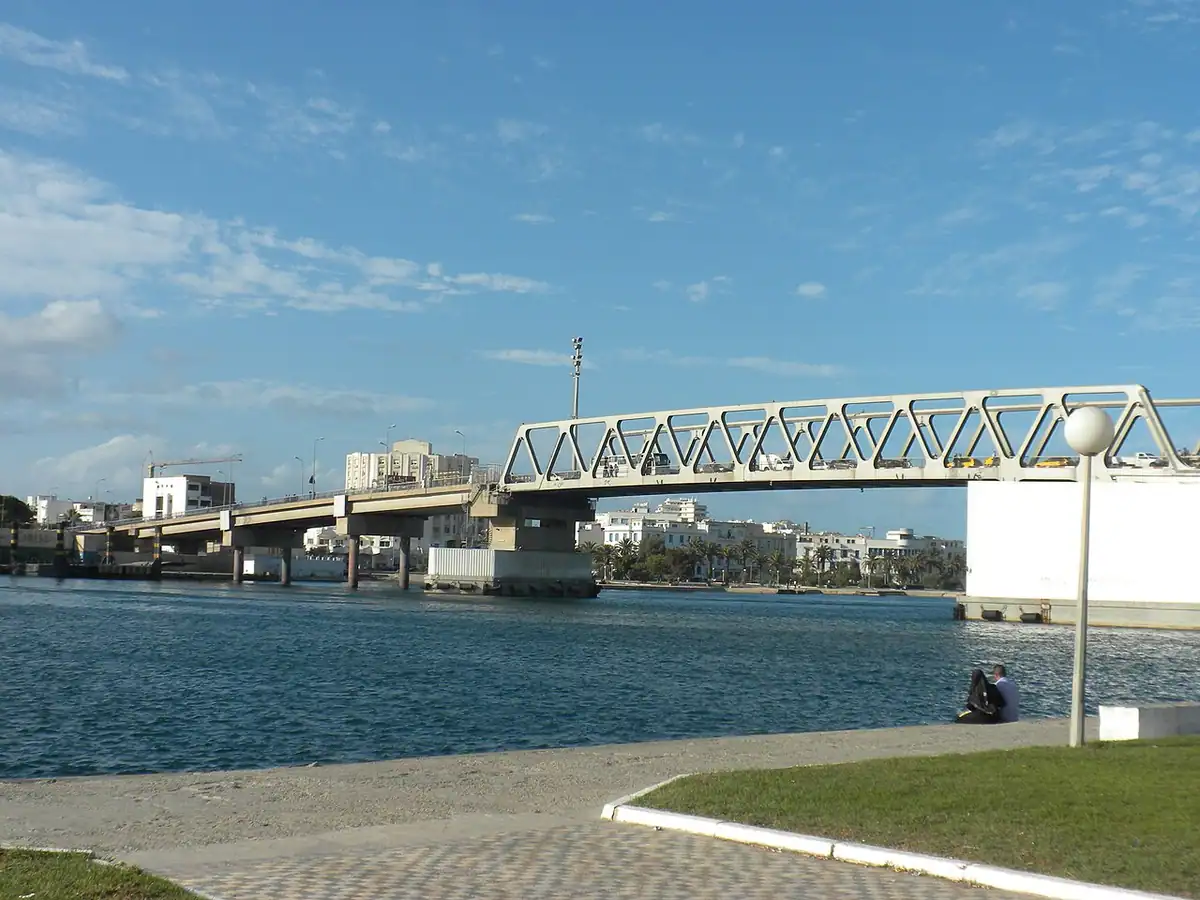 3 daysGood with kids
Tunisia
Bizerte, Ichkeul and Utica
Bizerte, Ichkeul and Utica
- Price
- $$$
- Difficulty
- Easy
- Best time:
- Mar–May, Oct–Dec
Safety, health and entry
Before you go
What to know about entry, health and safety before you go, summarized from official guidance for U.S. passport holders. Rules change, so confirm on the sources linked below.
Visa for U.S. citizens
Visa-free for up to 90 days
Visa-freePassport
Valid for the length of your stay
Vaccines
No vaccines required
State Department advisory
Exercise increased caution
Level 2Entry and visas
Visa-free for up to 90 days
U.S. citizens can visit Tunisia without a visa for up to 90 days. Officials stamp your passport on arrival and check your length of stay when you leave. Overstaying means a fine paid on departure.
Have ready
- Valid for the length of your stay
- Border officials may ask for contact details, onward or return tickets and proof of accommodation.
- Make sure your passport is stamped on arrival and kept in good condition; damaged passports can cause trouble leaving.
Health and vaccines
No vaccines required
Foreigners pay for all care on the spot, including in private clinics, and costs can be high. Carry travel insurance that covers medical evacuation.
Drinking water: Stick to bottled water, and avoid swimming or wading in freshwater because of parasites.
Required to enter
No vaccines are required for U.S. travelers arriving directly.
Recommended by the CDC
Health risks
- Leishmaniasis from sand flies
- Schistosomiasis in freshwater
- High private care costs
Safety
Level 2: Exercise increased caution
Level 2, with do-not-travel border areas
The U.S. State Department rates Tunisia Level 2: exercise increased caution. Terrorist groups may attack with little warning, and a country-wide state of emergency is in effect. Do not travel to areas near the Algerian and Libyan borders, parts of Kasserine and Gafsa governorates, and the desert south of Remada.
Avoid
- Within 16 km of the Algerian border (except Tabarka and Ain Draham) and within 16 km of the Libyan border, including Ras Jedir, Dehiba, Ben Guerdane and Medenine. Terrorism risk.
- Mount Chaambi National Park and Mounts Salloum, Sammamma and Mghila in Kasserine governorate, and the Mount Orbata area in Gafsa governorate. Terrorism risk.
- The desert south of Remada, a military zone, where armed conflict and violence are a high risk.
Watch for
- Terrorism risk at tourist sites, public transport and government buildings.
- Demonstrations in cities, which can turn tense; avoid them.
- Petty theft and bag snatching in busy medinas and tourist areas.
- Visible security forces and checkpoints; follow their instructions.
Local laws and customs
- Drug offenses, including cannabis, carry long prison terms.
- Same-sex sexual activity is illegal in Tunisia.
- Dress modestly away from beach resorts, and ask before photographing people or security sites.
Emergency numbers
- Emergency
- 197
- Police
- 197
- Ambulance
- 190
- Fire
- 198
Sources: U.S. State Department travel advisories · U.S. CDC travel health notices · UK government travel advice. Summarized in November 2026. Advisory levels and entry rules change, so confirm on the sources before you book.
Other governments: Canada, Spain (in Spanish), World Health Organization.
This is general information, not medical, legal or security advice.
Keep exploring
More in Africa
Your trip, your way.
Start from a guide or a blank page. Free on the web, with iPhone and Android apps coming soon.