
Africa
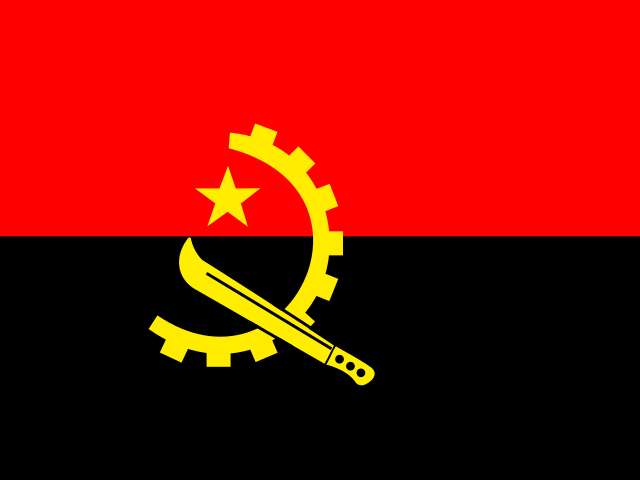
Angola
Atlantic coast, big waterfalls, semba and kizomba
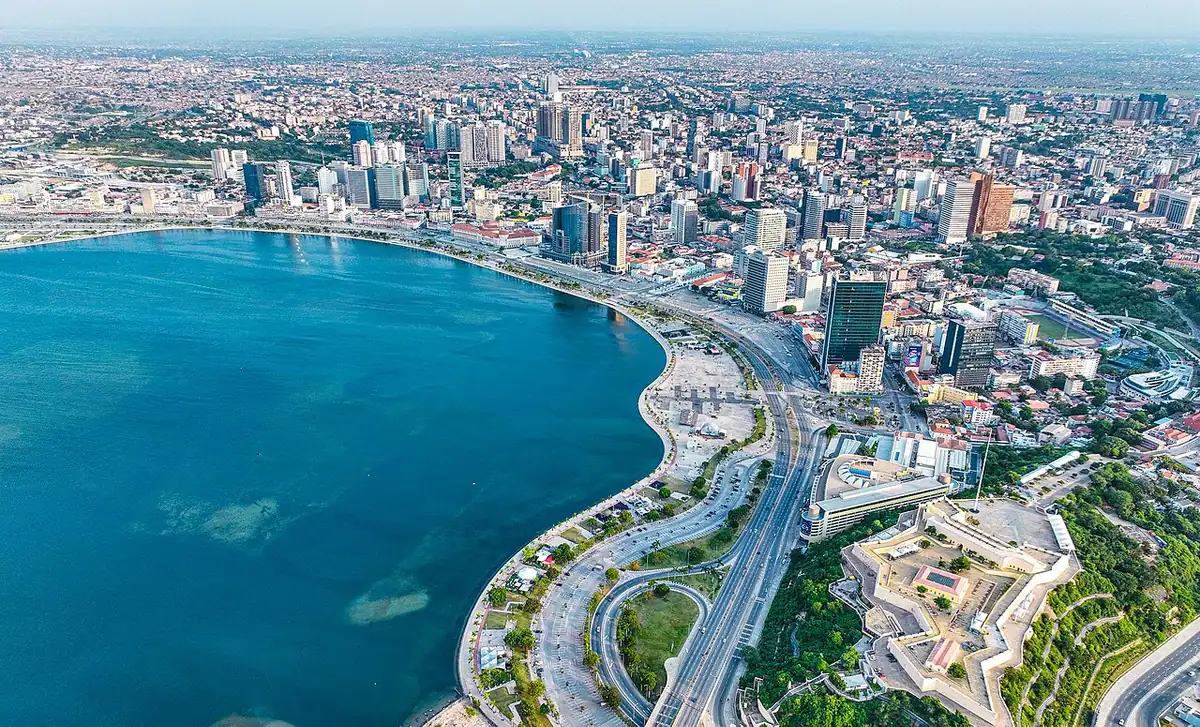
Photo: Iamdelcioborges, CC BY 4.0 · via Wikimedia Commons
Capital
Luanda
Languages
Portuguese, Umbundu, Kimbundu, Kikongo
Currency
Angolan kwanza (AOA)
Plugs and power
Type C · 220 V
Drives on the
Right
Time zone
UTC+1, no daylight saving
The short version
What to expect in Angola
Angola runs along the Atlantic coast of southwest Africa, from the busy capital Luanda to highland plateaus, rivers, and the edge of the Namib desert. Portuguese is the common language, and music such as semba and kizomba is part of everyday life. Travel outside cities can be slow, and the country is still rebuilding after a long civil war that ended in 2002.
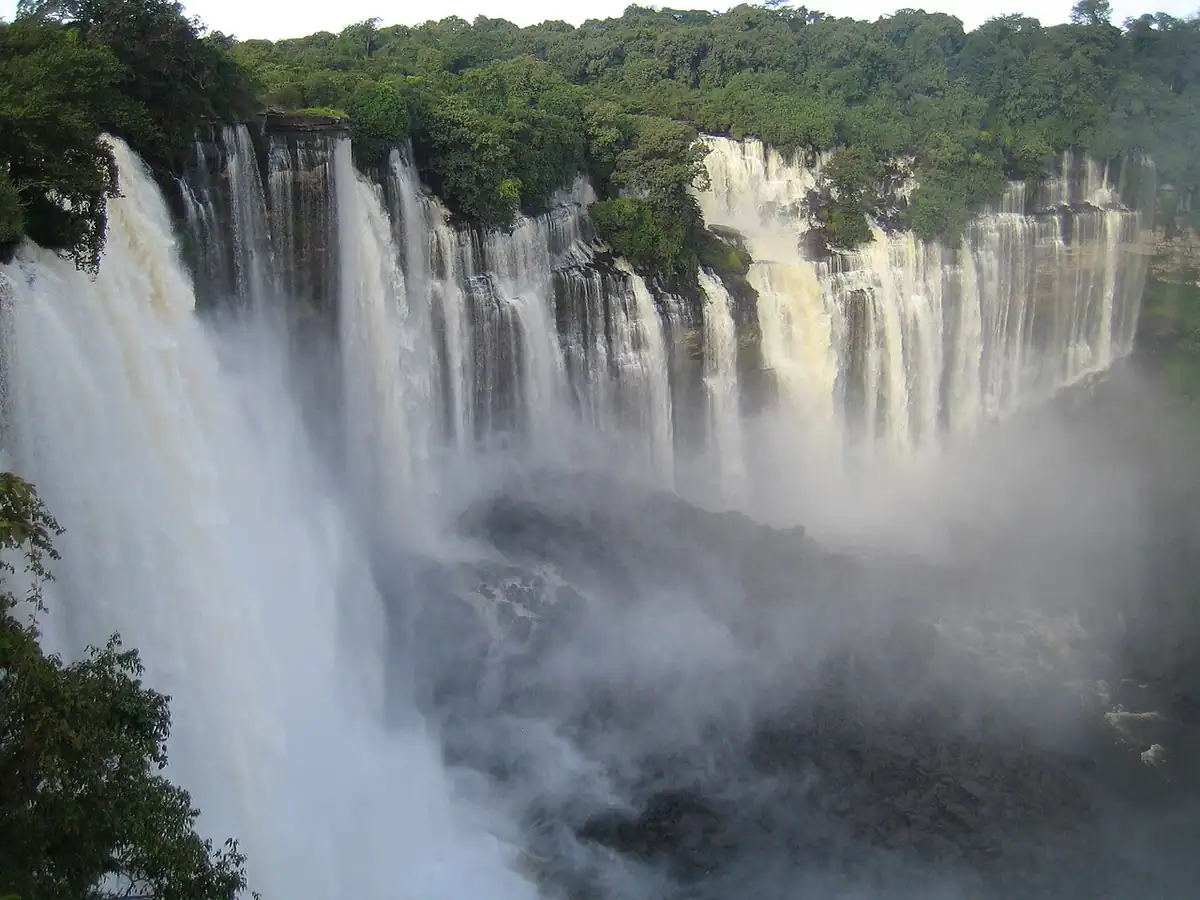
- Kalandula Falls
- Luanda waterfront
- Semba and kizomba music
- Kissama National Park
Did you know?
Kalandula Falls on the Lucala River is one of the large waterfalls in Africa by volume, and it sits in Malanje province.
Food and drink
What to eat in Angola
- 01
Muamba de galinha
Chicken stewed with palm oil, okra, and garlic, the national dish.
- 02
Funge
Cassava or corn porridge served with stews and fish.
- 03
Calulu
Dried and fresh fish or meat cooked slowly with vegetables and palm oil.
Language
Say it like a local
Portuguese
Olá
Hello
Obrigado / Obrigada
Thank you (male / female speaker)
Bom dia
Good morning
Money and manners: Luanda is expensive and cash in US dollars or kwanza is widely used. Ask before photographing government buildings, police, or military sites.
Timing
When to go
The taller the bar, the more of our Angola trips are at their best that month.
Best months: May–Sep
Guides
Trip guides for Angola
 4 days
Angola
Luanda, the Cuanza coast and Kalandula Falls
Luanda, Kissama and Kalandula Falls
- Price
- $$$
- Difficulty
- Challenging
- Best time:
- May–Sep
 3 days
Angola
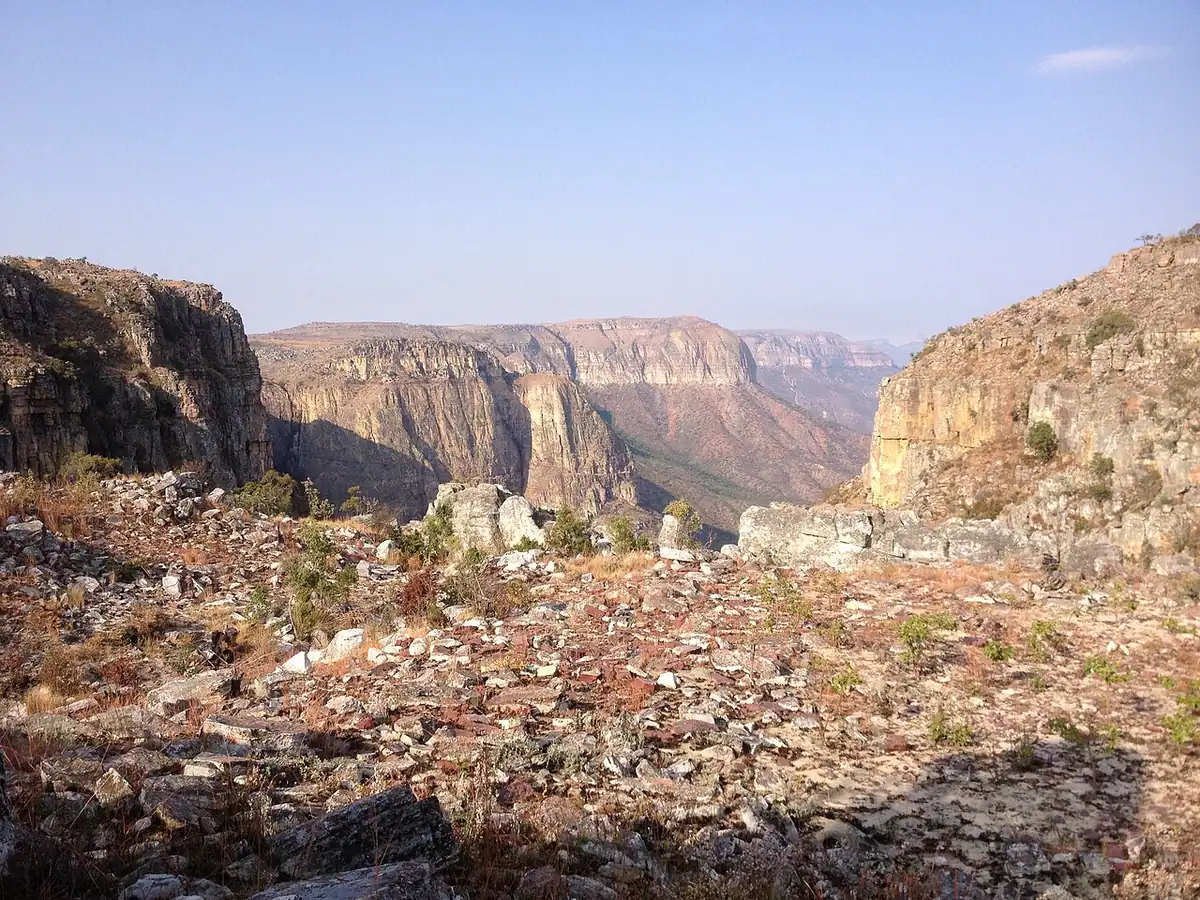
Lubango, Tundavala Gap and the Leba Pass
Lubango, Tundavala and Namibe
- Price
- $$$
- Difficulty
- Moderate
- Best time:
- May–Sep
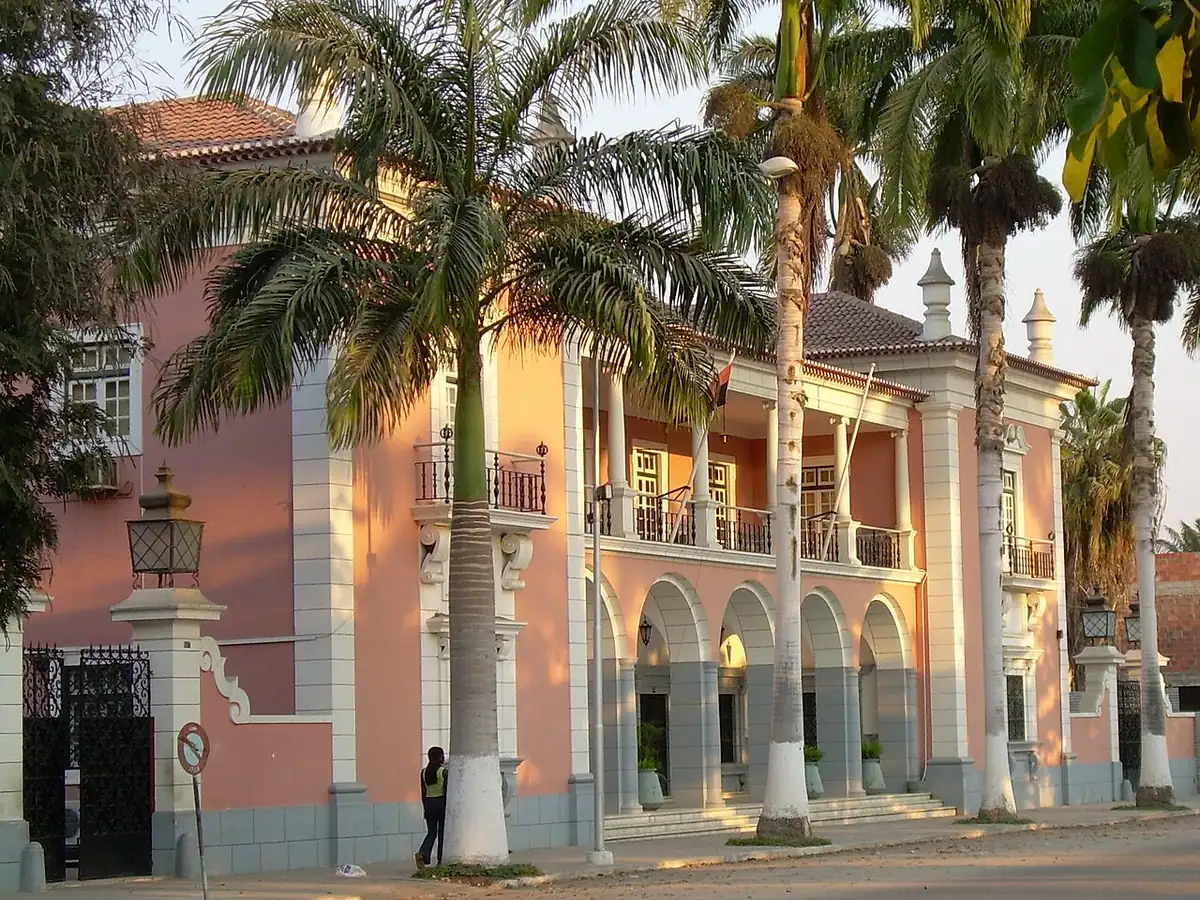 3 days
Angola
Benguela and Lobito coast
Benguela, Lobito and Baía Azul
- Price
- $$$
- Difficulty
- Easy
- Best time:
- May–Sep
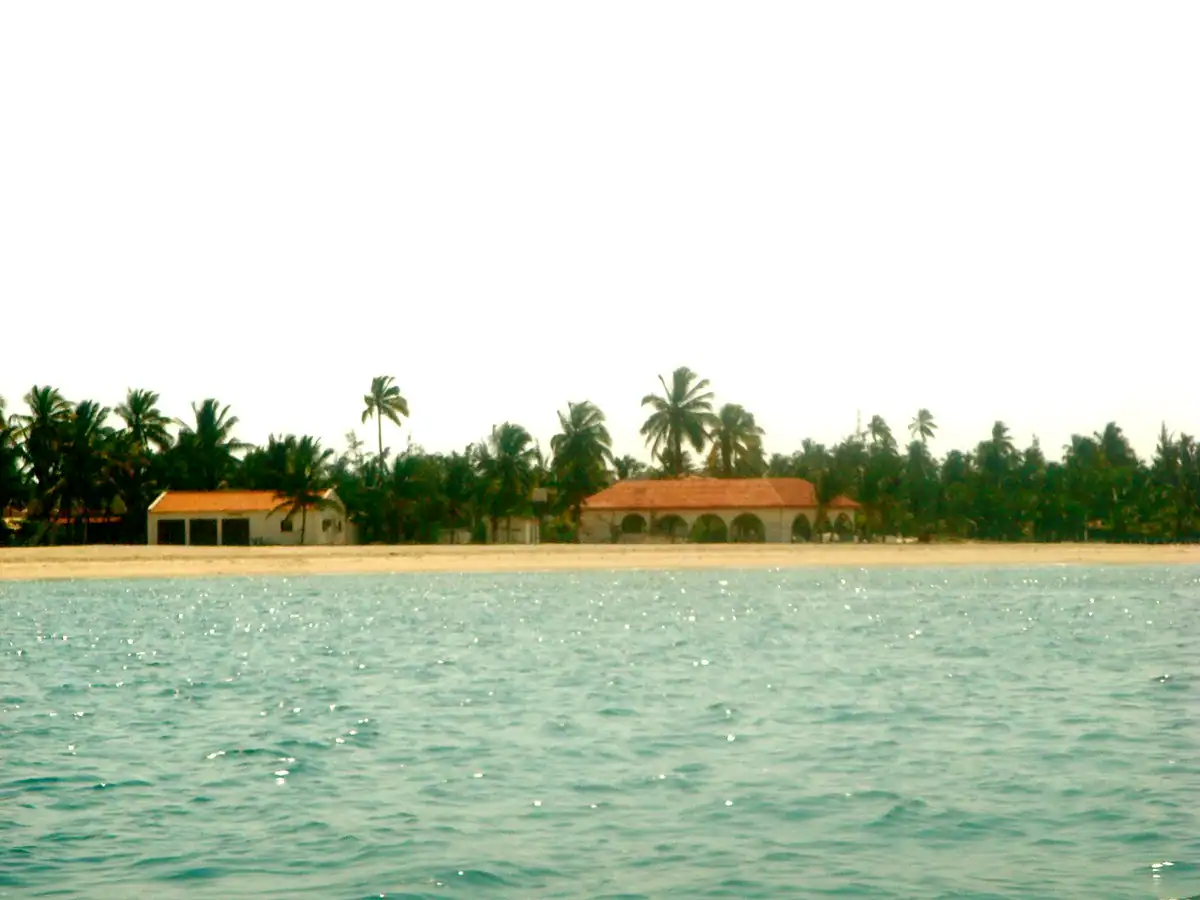 3 daysGood with kids
Angola
Mussulo and Cabo Ledo beaches
Mussulo and Cabo Ledo
- Price
- $$$
- Difficulty
- Easy
- Best time:
- May–Sep
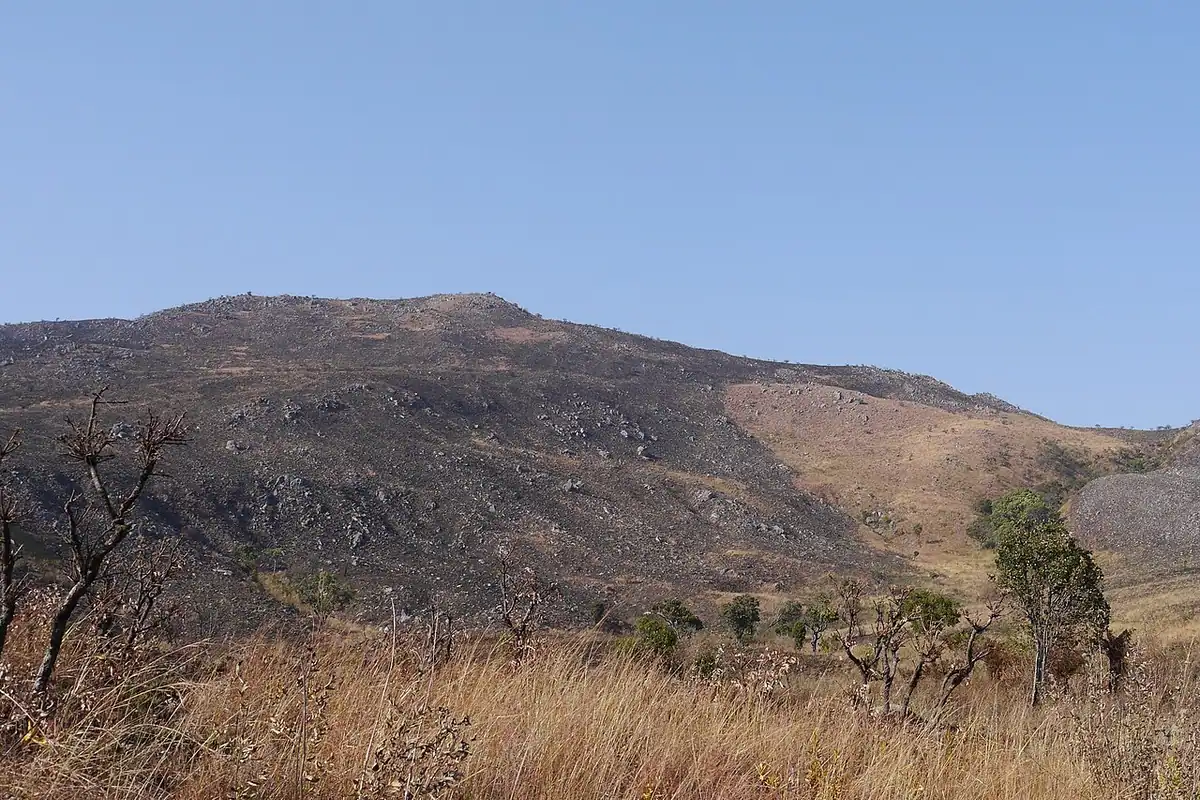 3 days
Angola
Huambo and the central highlands
Huambo and Mount Moco
- Price
- $$$
- Difficulty
- Moderate
- Best time:
- May–Sep
Safety, health and entry
Before you go
What to know about entry, health and safety before you go, summarized from official guidance for U.S. passport holders. Rules change, so confirm on the sources linked below.
Visa for U.S. citizens
Visa-free for up to 30 days
Visa-freePassport
Valid 6 months after arrival, 2 blank pages
Vaccines
Yellow fever certificate required
State Department advisory
Exercise increased caution
Level 2Entry and visas
Visa-free for up to 30 days
Angola lets U.S. citizens enter without a visa for tourism for up to 30 days, as part of its 2023 visa exemption for many countries. Stays for work, study or business need a visa arranged in advance. A yellow fever certificate is required.
Have ready
- Valid 6 months after arrival, 2 blank pages
- Carry your yellow fever vaccination certificate. Angola requires it from all arriving travelers aged 9 months and older.
- Visa-free entry is for tourism only. Working, studying or doing business without the right visa can bring fines or deportation.
- Overstaying is fined per day, and you may be barred from leaving until it is paid.
Health and vaccines
Yellow fever certificate required
Medical services are limited and even minor problems may require evacuation. Buy travel insurance that includes medical evacuation before you go.
Drinking water: Do not drink tap water. Use bottled or properly treated water, including for ice and brushing teeth.
Required to enter
Recommended by the CDC
Health risks
- Malaria nationwide
- Cholera (widespread)
- Yellow fever and dengue
- Rabies from dogs
Safety
Level 2: Exercise increased caution
Exercise increased caution
The U.S. State Department rates Angola Level 2 because of crime, limited health care, unrest and landmines. Petty crime and armed robbery are common, especially in Luanda, and demonstrations can start with little notice and disrupt transport.
Avoid
- Cabinda Province outside Cabinda city, where separatist groups have targeted foreigners and kidnapping is a risk.
- Within 1 km of the border with the DRC in Lunda Norte, except official crossings.
Watch for
- Armed robbery and street crime, particularly in Luanda after dark.
- Demonstrations that can block roads and close services.
- Landmines and unexploded ordnance, some in unmarked areas. Stay on well-used roads and paths.
- Poor road safety and unreliable taxis. Use a hotel-arranged driver where possible.
Local laws and customs
- Carry a copy of your passport and entry stamp. Police checks are common.
- Drug offenses carry heavy penalties.
- Do not photograph government buildings, airports, military sites or police.
Emergency numbers
- Emergency
- 113
- Police
- 113
- Ambulance
- 112
- Fire
- 115
Sources: U.S. State Department travel advisories · U.S. CDC travel health notices · UK government travel advice. Summarized in November 2026. Advisory levels and entry rules change, so confirm on the sources before you book.
Other governments: Canada, Spain (in Spanish), World Health Organization.
This is general information, not medical, legal or security advice.
Keep exploring
More in Africa

Your trip, your way.
Start from a guide or a blank page. Free on the web, with iPhone and Android apps coming soon.