
Africa
Algeria
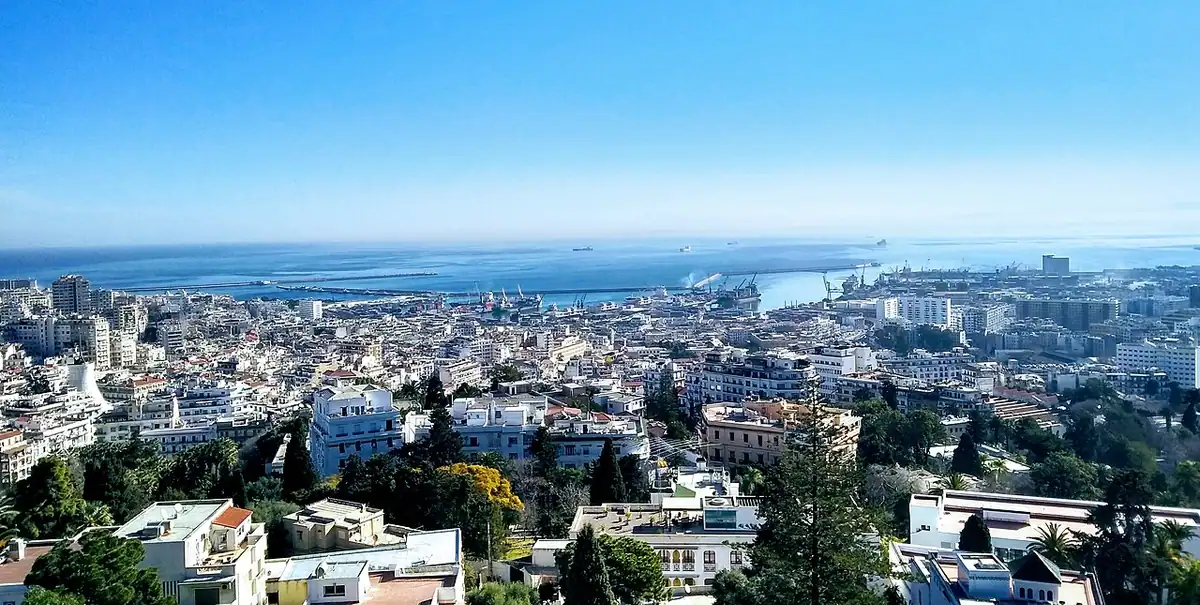
White-washed Mediterranean city, Roman ruins, endless Sahara
Photo: Manini row, CC BY-SA 4.0 · via Wikimedia Commons
Capital
Algiers
Languages
Arabic, Tamazight, French widely used
Currency
Algerian dinar (DZD)
Plugs and power
Types C, F · 230 V
Drives on the
Right
Time zone
UTC+1, no daylight saving
The short version
What to expect in Algeria
Algeria stretches from a Mediterranean coast of hills and old port cities deep into the Sahara. Algiers climbs a hillside above the sea, with its Casbah and French-era boulevards, while inland you find Roman ruins and desert oases. Arabic, Berber and French influences shape daily life, music, and food.
- Algiers Casbah
- Roman ruins at Timgad
- Sahara and Hoggar mountains
- Rai music
Did you know?
The Tassili n'Ajjer plateau in the Sahara holds thousands of prehistoric rock paintings and engravings and is a UNESCO World Heritage site.
Food and drink
What to eat in Algeria
- 01
Couscous
Steamed semolina with vegetables and lamb or chicken, often served on Fridays.
- 02
Chakhchoukha
Torn flatbread in a spiced lamb and tomato stew.
- 03
Mhajeb
Thin folded crepes filled with onion and tomato, sold as street food.
Language
Say it like a local
Arabic
مرحبا (Marhaba)
Hello
شكرا (Shukran)
Thank you
بصحتك (Besahtek)
To your health (enjoy your meal)
Money and manners: Cash is still common outside big hotels, so carry dinars. Dress modestly, and expect to be offered tea or coffee when invited into a home.
Timing
When to go
The taller the bar, the more of our Algeria trips are at their best that month.
Best months: Mar–May, Sep–Nov
Guides
Trip guides for Algeria
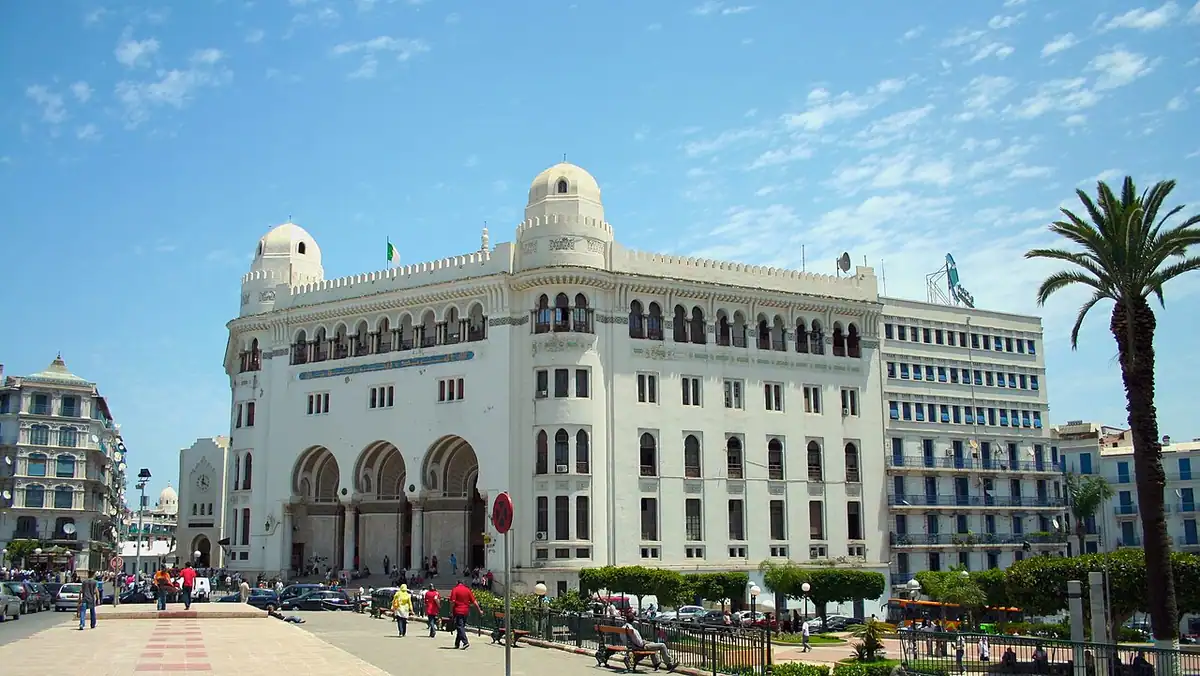 3 days
Algeria
Algiers and the Roman ruins of Tipasa
Algiers and Tipasa
- Price
- $$$
- Difficulty
- Moderate
- Best time:
- Mar–May, Sep–Nov
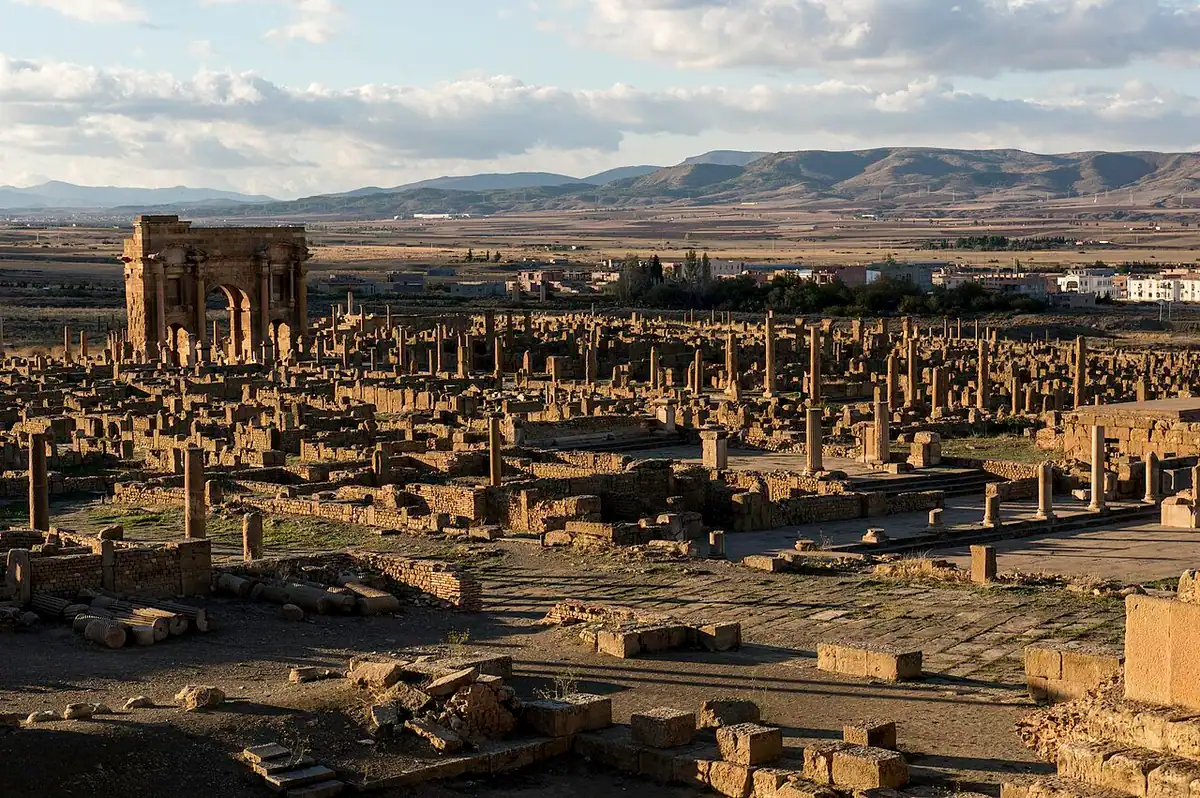 3 days
Algeria
Constantine and the Roman city of Timgad
Constantine, Tiddis and Timgad
- Price
- $$$
- Difficulty
- Moderate
- Best time:
- Mar–May, Oct–Nov
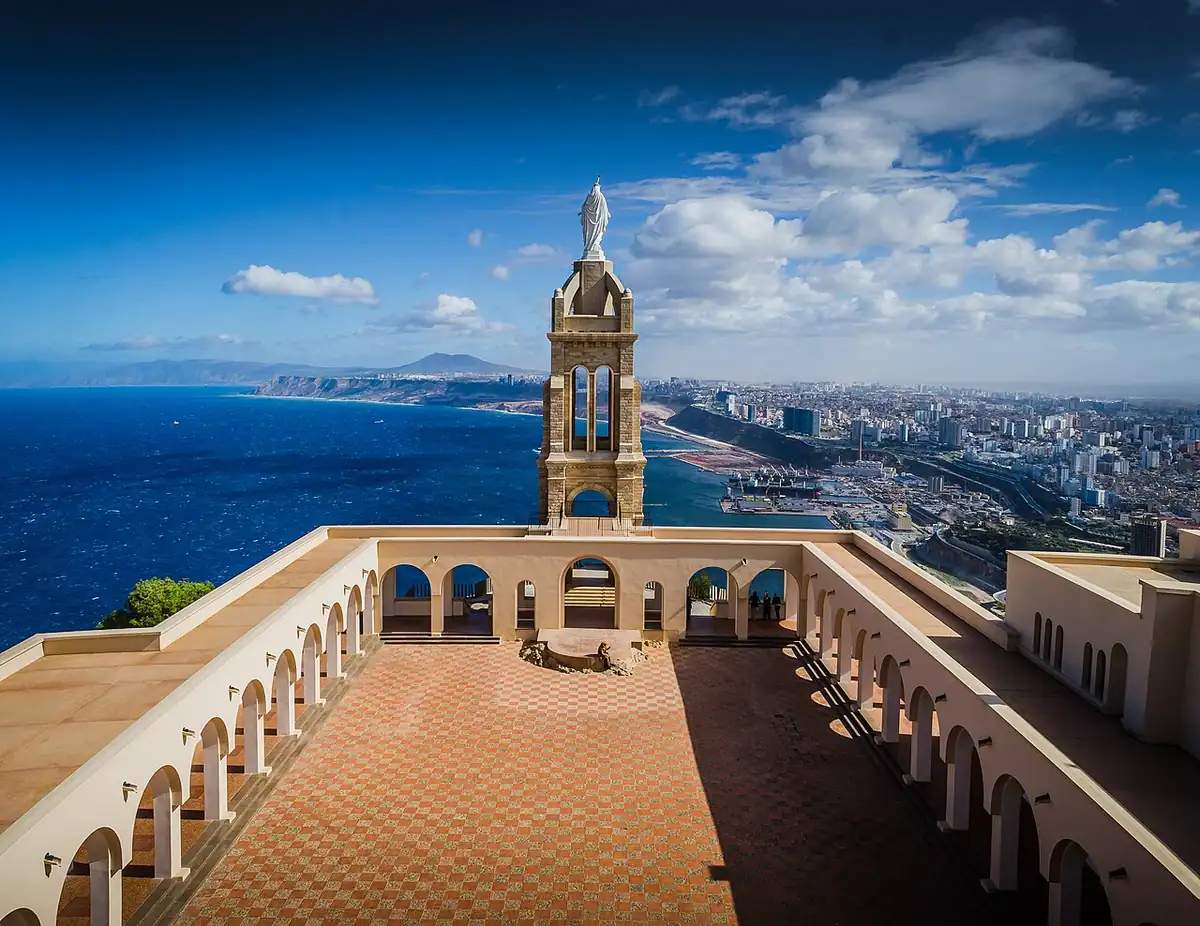 4 days
Algeria
Oran and Tlemcen
Oran and Tlemcen
- Price
- $$$
- Difficulty
- Moderate
- Best time:
- Mar–May, Oct–Nov
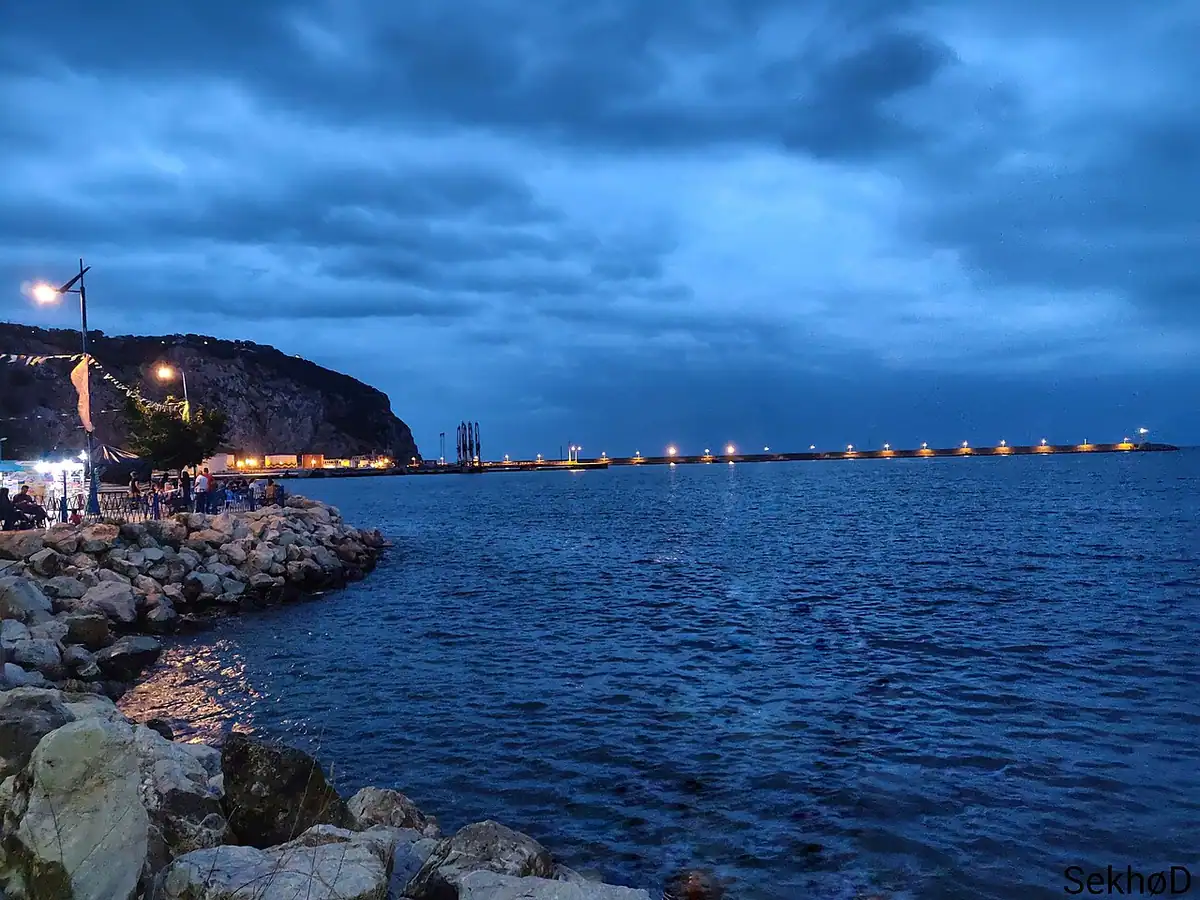 4 days
Algeria
Béjaïa coast and Djemila
Béjaïa, Sétif and Djemila
- Price
- $$$
- Difficulty
- Moderate
- Best time:
- Apr–Jun, Sep–Oct
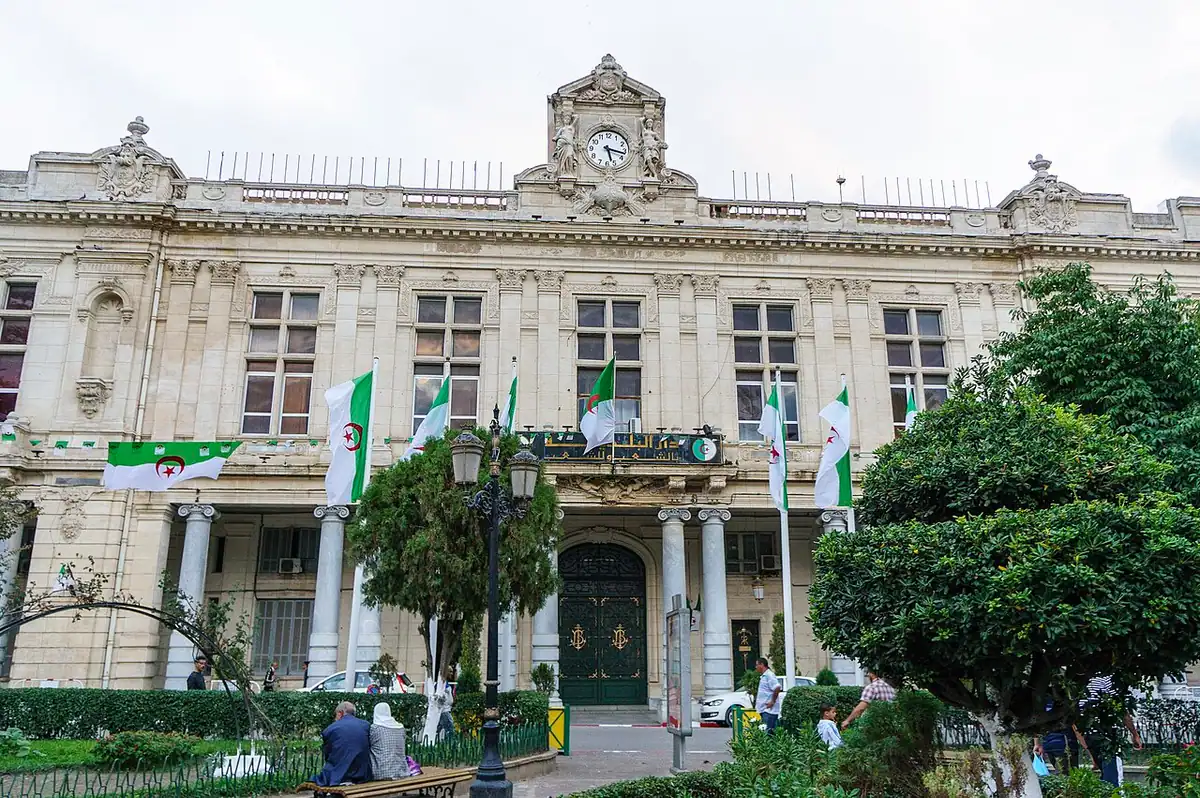 3 days
Algeria
Annaba and Hippo Regius
Annaba, Hippo Regius and Seraïdi
- Price
- $$$
- Difficulty
- Easy
- Best time:
- Apr–Jun, Sep–Oct
Safety, health and entry
Before you go
What to know about entry, health and safety before you go, summarized from official guidance for U.S. passport holders. Rules change, so confirm on the sources linked below.
Visa for U.S. citizens
Visa required in advance
Visa in advancePassport
Valid at least 6 months after arrival
Vaccines
No vaccines required for most
State Department advisory
Exercise increased caution
Level 2Entry and visas
Visa required in advance
Algeria requires a visa for tourist visits, normally applied for before travel through an Algerian embassy or consulate. Your passport must be valid at least 6 months after arrival. Confirm current U.S. passport procedures with the Algerian embassy before booking.
Have ready
- Valid at least 6 months after arrival
- Apply for the visa before travel. Some airports issue tourist visas to southern-Algeria tours booked through an approved local agency.
- Overstaying can mean detention at the airport and up to 3 months in prison.
- Declare cash above 5,000 euros or its equivalent when you enter or leave.
- Yellow fever certificate is required only if arriving from a risk country.
Health and vaccines
No vaccines required for most
Care is reasonable in large cities and limited elsewhere, and the Sahara is very remote. Carry travel insurance that covers medical evacuation.
Drinking water: Avoid tap water and drink bottled or treated water, especially outside major hotels.
Required to enter
Recommended by the CDC
Health risks
- Rabid dogs
- Food and waterborne illness
- Measles outbreaks
Safety
Level 2: Exercise increased caution
Terrorism and kidnapping risk in border areas
The U.S. State Department says exercise increased caution in Algeria (Level 2, August 2026) because of terrorism and kidnapping. It says do not travel to rural areas within 60 km of the borders with Libya, Niger, Mali and Mauritania, and to several southern areas. U.S. emergency help is limited outside Algiers province.
Avoid
- Rural areas within 60 km (37 miles) of the borders with Libya, Niger, Mali and Mauritania, plus Bordj Badji Mokhtar, Illizi, In Guezzam, In Salah, Tamanrasset, Tindouf and the mountainous areas of Tebessa, where the U.S. says do not travel. Tunisia border areas are flagged by the UK government.
- Long overland trips in the Sahara, or crossings into Mali, Niger or Libya, unless part of an organized tour group.
Watch for
- Petty theft and bag snatching in crowded markets and on public transport.
- Dangerous driving and poor road conditions, especially at night.
- Demonstrations, which can happen with little notice.
- Extreme heat in summer and limited services in the Sahara.
Local laws and customs
- Drug offenses carry long prison terms, and alcohol is limited to licensed venues.
- Smuggling antiquities is a crime, so keep proof of authenticity for old-looking souvenirs.
- Photographing military sites, police and government buildings is prohibited.
- Public displays of same-sex relationships are illegal and can lead to prosecution.
Emergency numbers
- Emergency
- 17
- Police
- 17
- Ambulance
- 14
- Fire
- 14
Sources: U.S. State Department travel advisories · U.S. CDC travel health notices · UK government travel advice. Summarized in November 2026. Advisory levels and entry rules change, so confirm on the sources before you book.
Other governments: Canada, Spain (in Spanish), World Health Organization.
This is general information, not medical, legal or security advice.
Keep exploring
More in Africa
Your trip, your way.
Start from a guide or a blank page. Free on the web, with iPhone and Android apps coming soon.