
Africa
Eritrea
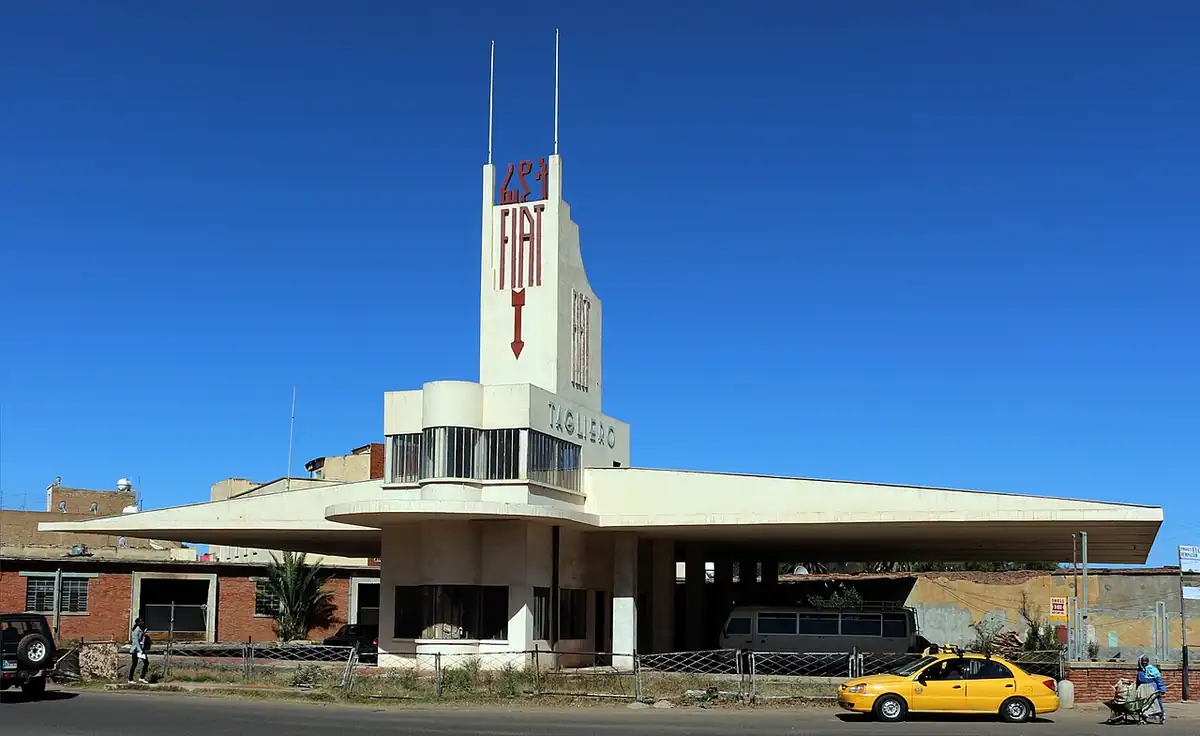
Art deco Asmara and a long Red Sea coast
Photo: sailko, CC BY-SA 3.0 · via Wikimedia Commons
Capital
Asmara
Languages
Tigrinya, Arabic, Tigre, and others
Currency
Eritrean nakfa (ERN)
Plugs and power
Types C, L · 230 V
Drives on the
Right
Time zone
UTC+3, no daylight saving
The short version
What to expect in Eritrea
Eritrea lies on the Red Sea in the Horn of Africa, with highlands around the capital, hot lowlands, and the Dahlak islands offshore. Asmara, set high on a plateau, is known for its Italian-era modernist and art deco buildings and its coffee bars, and is a UNESCO World Heritage Site. Travel is tightly controlled, and official advice should be checked before planning a visit.
- Asmara's modernist architecture
- Massawa's old port
- Dahlak islands
- Coffee ceremonies
Did you know?
Asmara's historic core, with its Italian-era modernist architecture, was inscribed as a UNESCO World Heritage Site in 2017.
Food and drink
What to eat in Eritrea
- 01
Zigni
Spicy beef stew in berbere sauce, eaten with injera.
- 02
Injera
Large sour flatbread used as plate and utensil.
- 03
Ful
Mashed fava beans with oil and spices, a common breakfast.
Language
Say it like a local
Tigrinya
ሰላም (Selam)
Hello
የቐንየለይ (Yekenyeley)
Thank you
ቡን (Bun)
Coffee
Money and manners: Foreign visitors generally need permits to travel outside Asmara, and photography near military or government sites is prohibited, so ask before taking pictures.
Timing
When to go
The taller the bar, the more of our Eritrea trips are at their best that month.
Best months: Oct–Mar
Guides
Trip guides for Eritrea
 3 days
Eritrea
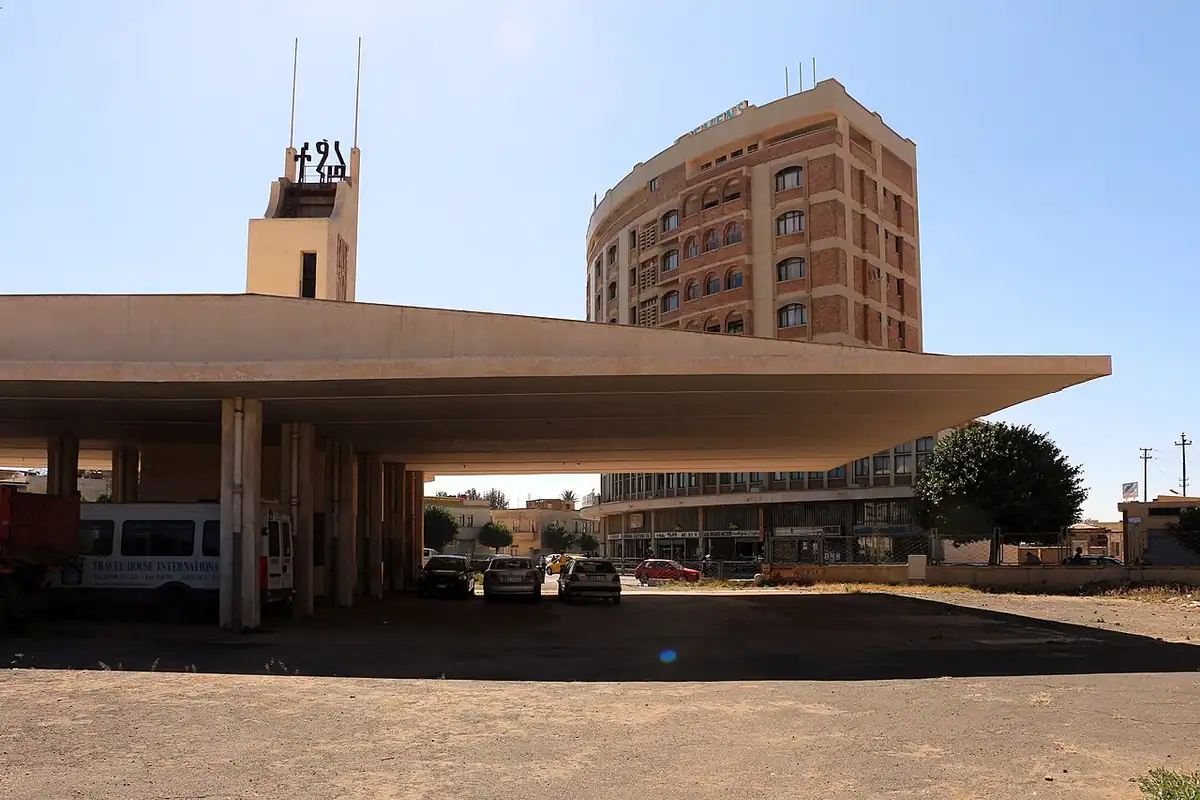
Asmara, the modernist city
Asmara
- Price
- $$$
- Difficulty
- Easy
- Best time:
- Oct–Mar
 3 days
Eritrea
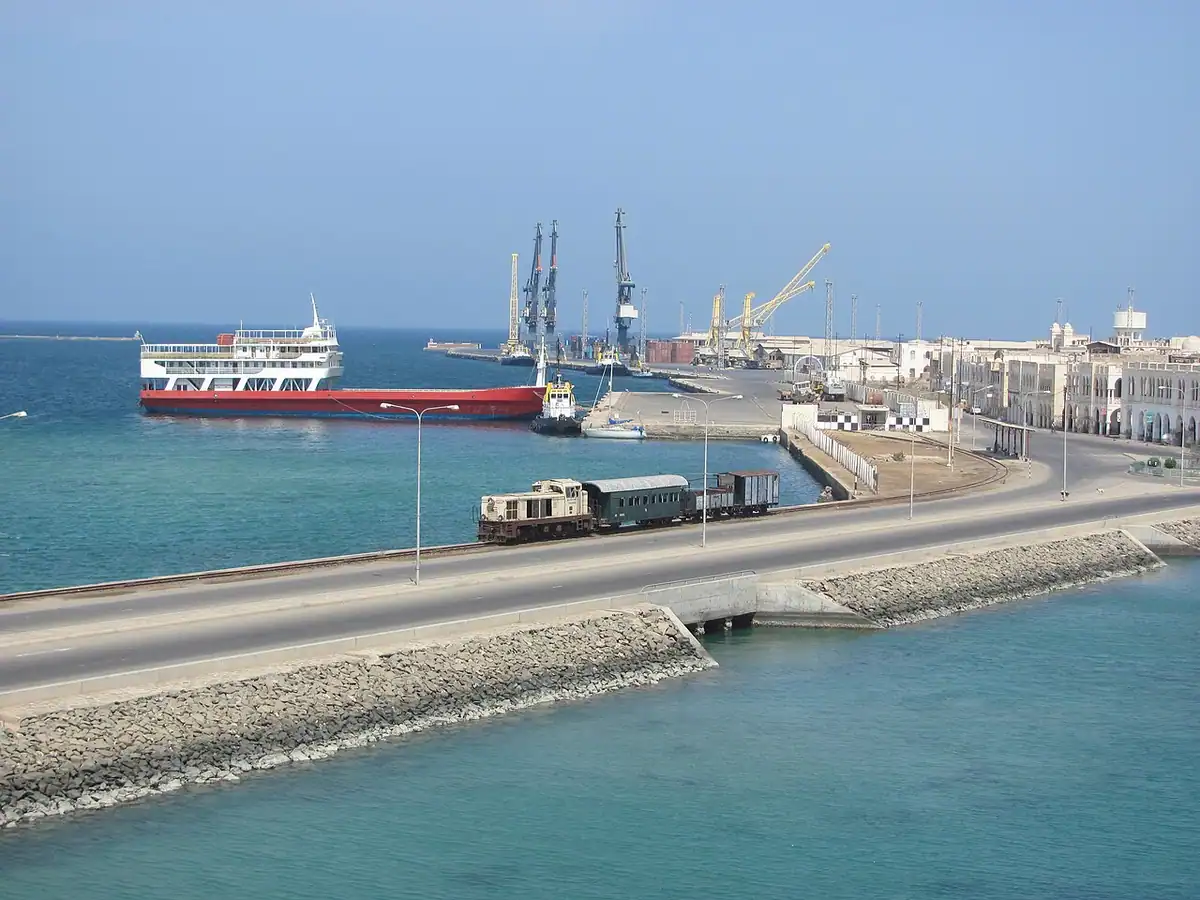
Massawa and the Red Sea coast
Asmara and Massawa
- Price
- $$$
- Difficulty
- Moderate
- Best time:
- Nov–Mar
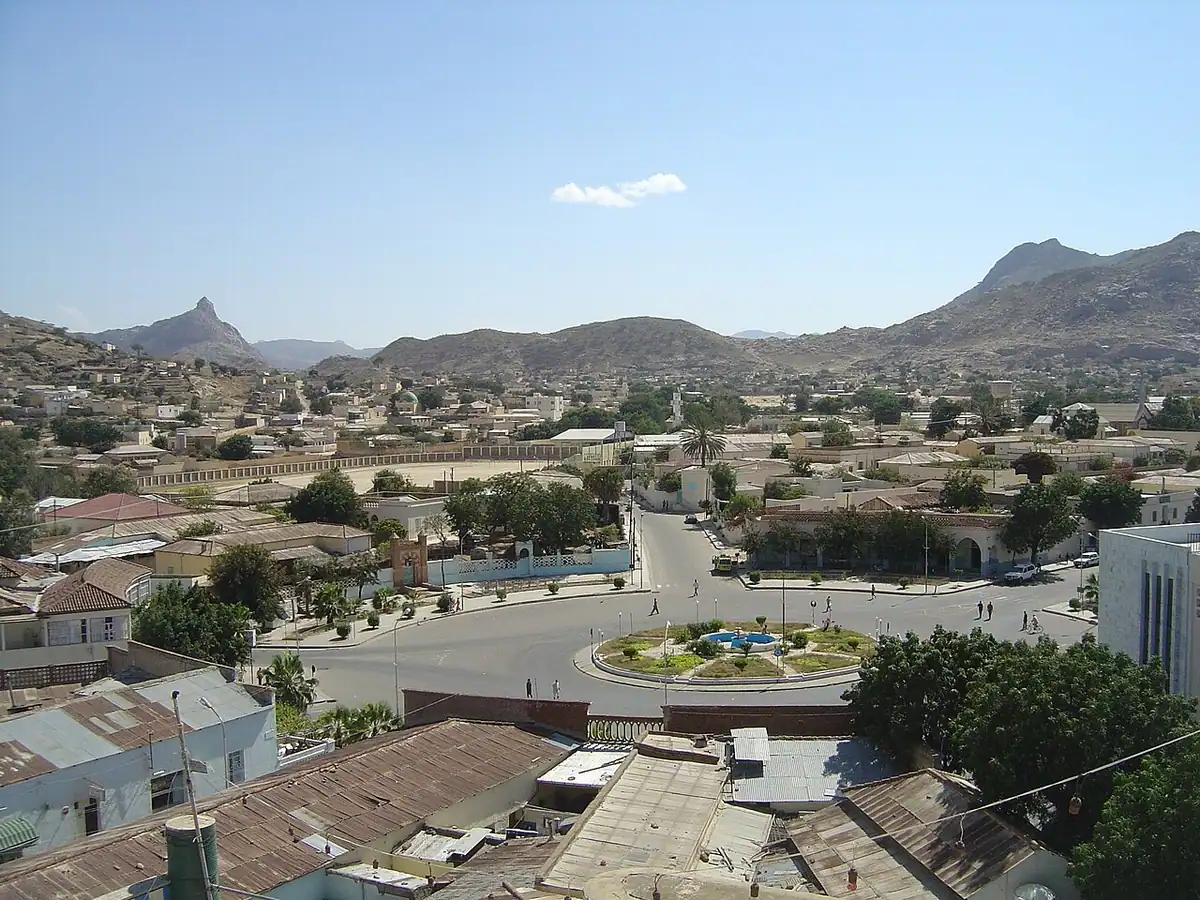 2 days
Eritrea
Asmara to Keren by road
Asmara and Keren
- Price
- $$$
- Difficulty
- Moderate
- Best time:
- Oct–Mar
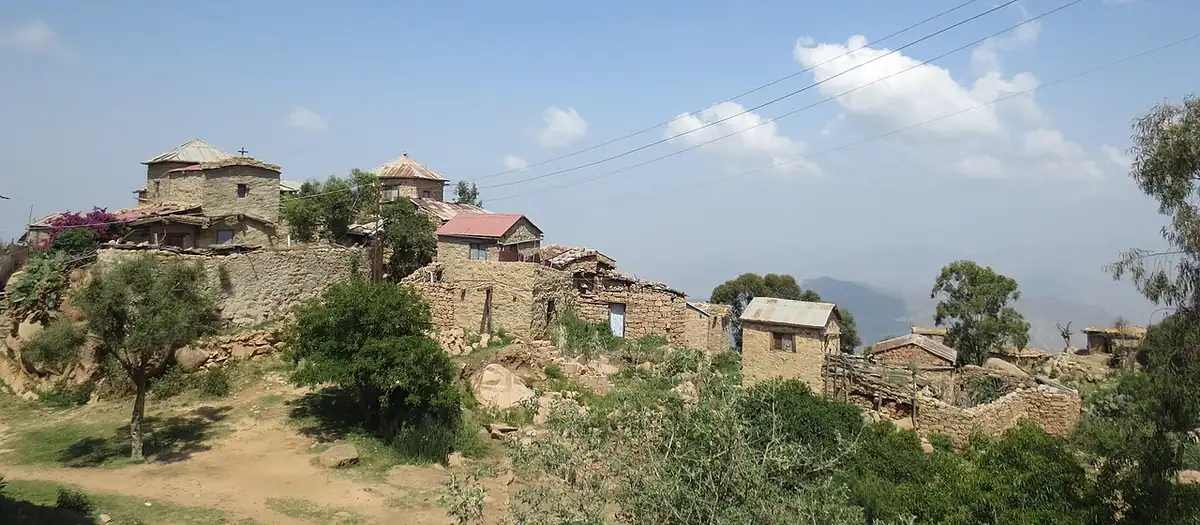 4 days
Eritrea
Highland forests and monasteries
Asmara, Nefasit and Filfil Solomuna
- Price
- $$$
- Difficulty
- Moderate
- Best time:
- Sep–Feb
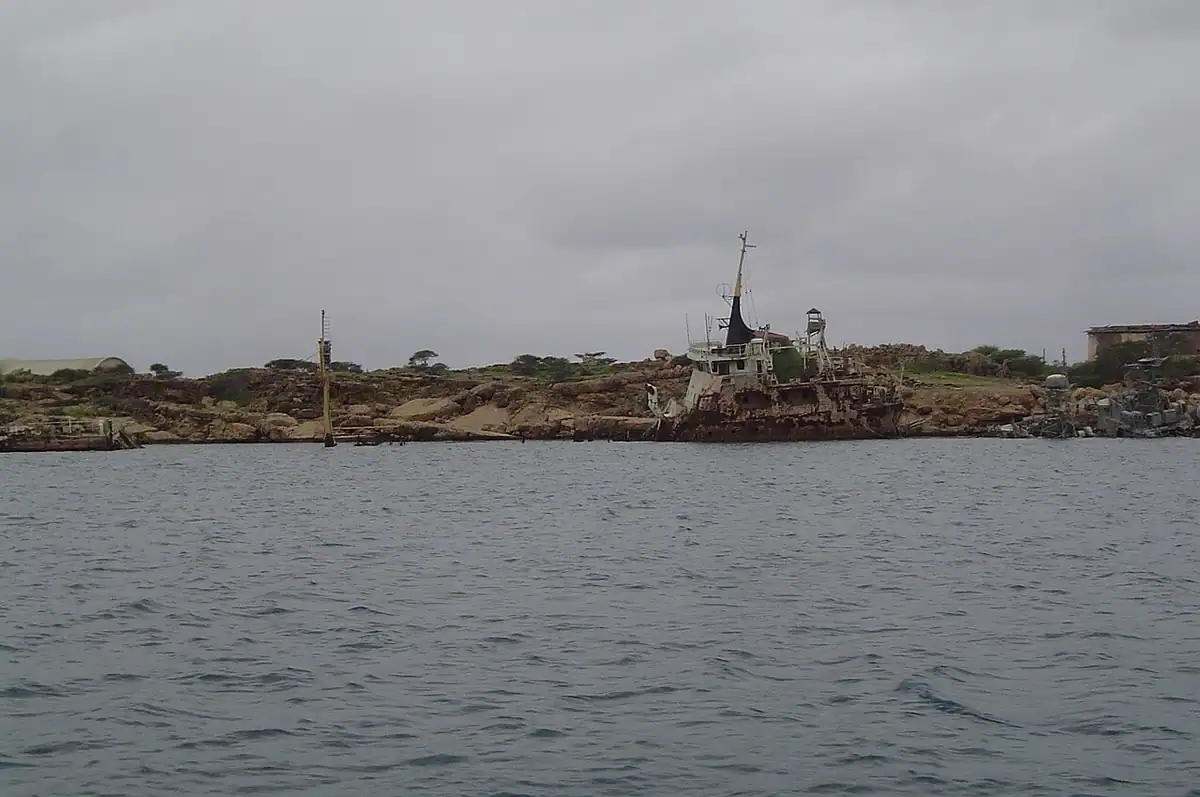 3 days
Eritrea
Dahlak Islands and the Red Sea reefs
Massawa and the Dahlak Archipelago
- Price
- $$$
- Difficulty
- Moderate
- Best time:
- Nov–Mar
Safety, health and entry
Before you go
What to know about entry, health and safety before you go, summarized from official guidance for U.S. passport holders. Rules change, so confirm on the sources linked below.
Visa for U.S. citizens
Visa required in advance
Visa in advancePassport
6 months validity and 2 blank pages
Vaccines
Check yellow fever rules
State Department advisory
Exercise increased caution
Level 2Entry and visas
Visa required in advance
A visa must be arranged before travel through an Eritrean embassy, and processing can take weeks. Your passport needs two blank pages. Rules specific to U.S. passports could not be fully confirmed, so check with the embassy.
Have ready
- 6 months validity and 2 blank pages
- Apply through an Eritrean embassy well ahead of your trip, as approval can take up to about four weeks.
- Declare laptops, phones and other electronic items on arrival, as customs rules are strict.
- A yellow fever certificate may be required depending on where you travel from.
Health and vaccines
Check yellow fever rules
Asmara has three public hospitals, and facilities elsewhere are poorly equipped. Only a limited range of medicines is available, so bring your own supply and carry medical evacuation insurance.
Drinking water: Drink only bottled or treated water, and avoid ice and unwashed raw foods.
Required to enter
No vaccines are required for U.S. travelers arriving directly.
Recommended by the CDC
Health risks
- Malaria below about 2,200 meters, but not in Asmara
- Altitude sickness in highland areas
- Mosquito-borne illness such as chikungunya
Safety
Level 2: Exercise increased caution
Level 2: limited help, detention risk
The U.S. State Department rates Eritrea Level 2: exercise increased caution. Travel is restricted, U.S. help is limited outside Asmara, and U.S. citizens, including dual nationals, have been arrested and held without charge. Landmines remain in remote areas.
Avoid
- Remote areas with landmines, named in the advisory: Nakfa, Adi Keih, Arezza, the 40 km strip between the Setit and Mereb rivers, north and west of Keren, near Massawa, Ghinda, Agordat, Barentu and Dekemhare, and south of Tessenae. Stay on main roads.
Watch for
- Risk of wrongful detention of foreigners by the government.
- Security measures around Asmara and military areas can change with little notice.
- Many civilians are armed under the militia program. Stay away from military activity.
- Travel outside Asmara can be restricted, so get local advice first.
Local laws and customs
- Photographing military sites, government buildings and checkpoints is prohibited.
- Carry your passport and any travel permits, and expect frequent document checks.
- Declare electronic items on arrival and keep receipts for currency exchange.
Emergency numbers
- Emergency
- 122244
- Ambulance
- 122244
Sources: U.S. State Department travel advisories · U.S. CDC travel health notices · UK government travel advice. Summarized in November 2026. Advisory levels and entry rules change, so confirm on the sources before you book.
Other governments: Canada, Spain (in Spanish), World Health Organization.
This is general information, not medical, legal or security advice.
Keep exploring
More in Africa

Your trip, your way.
Start from a guide or a blank page. Free on the web, with iPhone and Android apps coming soon.