
Africa
Namibia
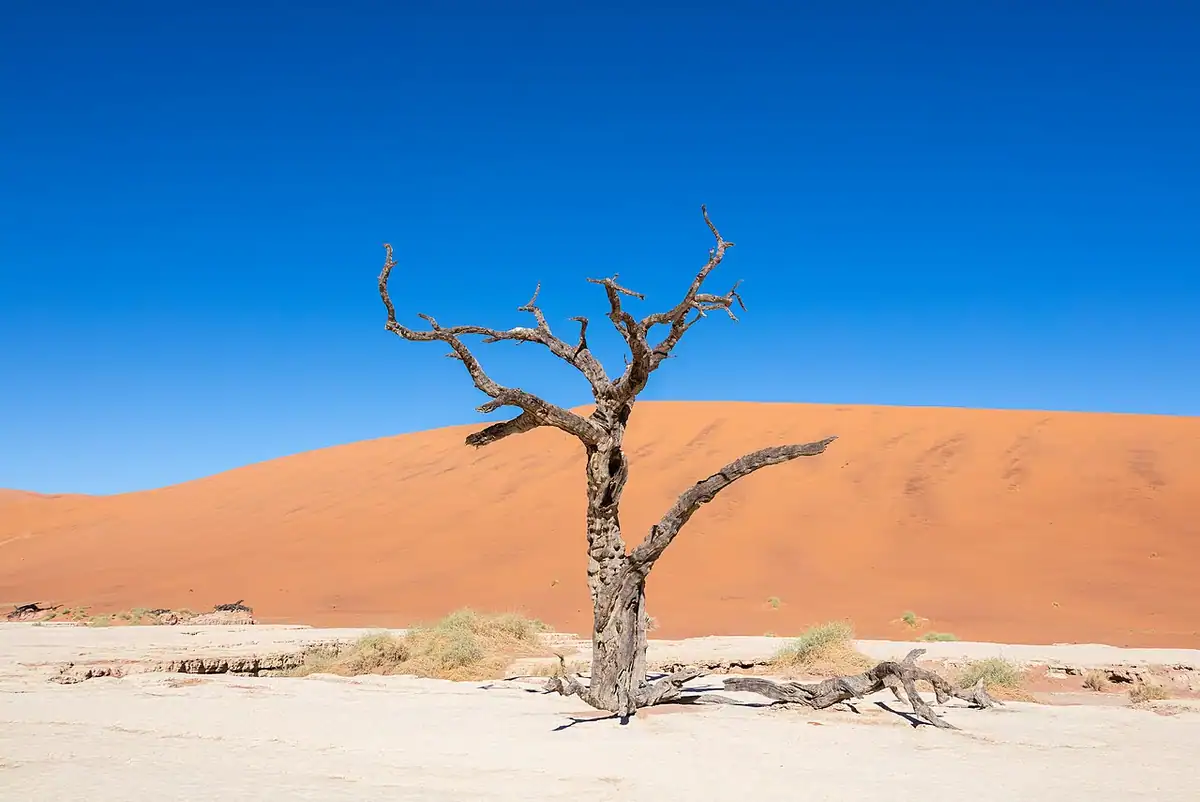
Red dunes, empty roads, huge night skies
Photo: Diego Delso, CC BY-SA 4.0 · via Wikimedia Commons
Capital
Windhoek
Languages
English (official), Afrikaans, German, Oshiwambo and others
Currency
Namibian dollar (NAD)
Plugs and power
Types D, M · 220 V
Drives on the
Left
Time zone
UTC+2, no daylight saving
The short version
What to expect in Namibia
Namibia is one of the emptiest countries to drive through, with long gravel roads between desert, canyon and coast. Visitors climb the red dunes at Sossusvlei, track wildlife at Etosha National Park and see the old German colonial touches in towns like Swakopmund. Most people travel by rental car and camp or stay in lodges.
- Sossusvlei red dunes
- Etosha wildlife safaris
- Skeleton Coast
- Swakopmund adventure sports
Did you know?
The country takes its name from the Namib Desert, and "Namib" means "vast place" in the Nama language.
Food and drink
What to eat in Namibia
- 01
Biltong
Air-dried spiced meat, eaten as a snack across the country.
- 02
Braai
Wood-fire barbecue of steak, boerewors sausage and game meat.
- 03
Kapana
Grilled beef strips sold hot at street markets with spicy salt.
Language
Say it like a local
Afrikaans
Goeie môre
Good morning
Dankie
Thank you
Lekker
Nice, great
Money and manners: Distances are long and fuel stops are far apart, so fill up whenever you can. Attendants fill the tank for you, and a small tip is normal.
Timing
When to go
The taller the bar, the more of our Namibia trips are at their best that month.
Best months: May–Oct
Guides
Trip guides for Namibia
 7 daysGood with kids
Namibia
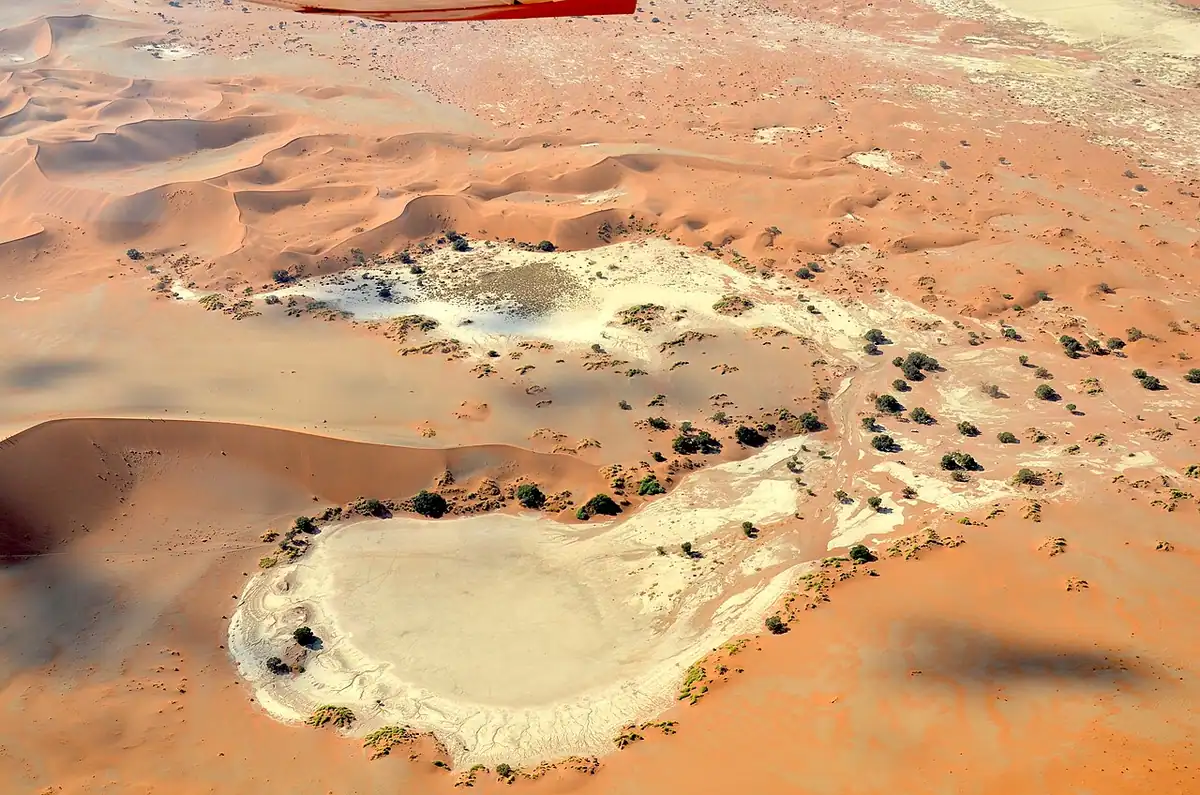
Namibia: Sossusvlei and Etosha
Windhoek, Sossusvlei, Swakopmund and Etosha
- Price
- $$$
- Difficulty
- Moderate
- Best time:
- May–Oct
 4 days
Namibia
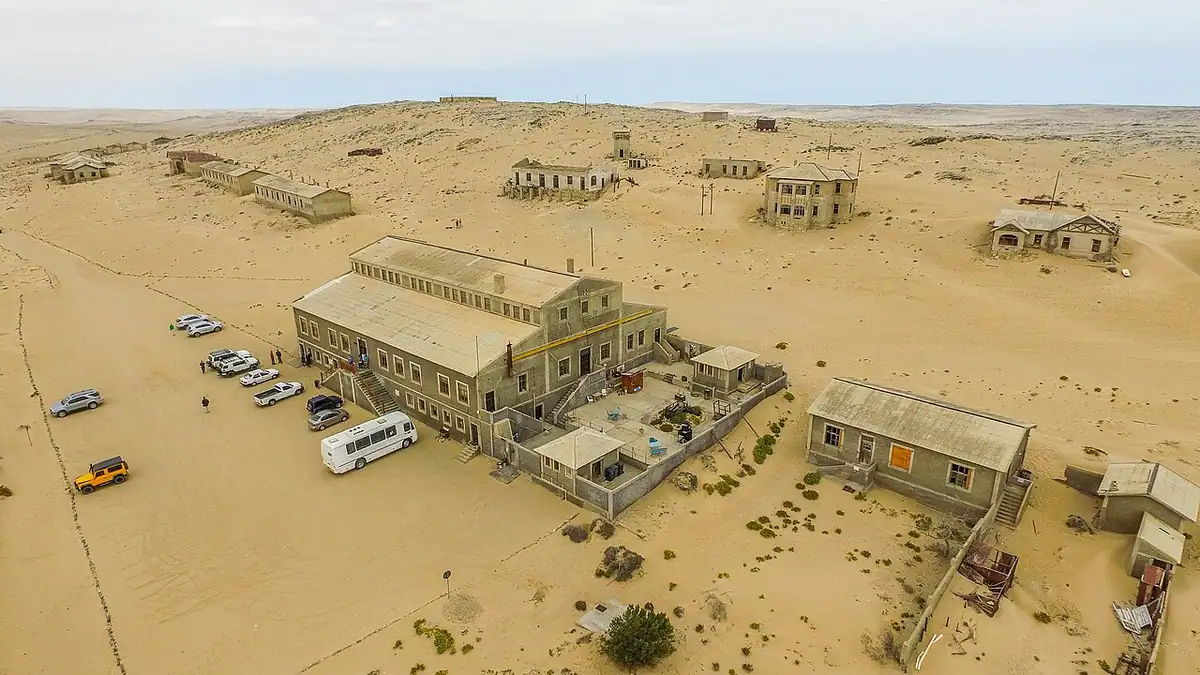
Southern Namibia: Fish River Canyon and Lüderitz
Keetmanshoop, Fish River Canyon, Aus and Lüderitz
- Price
- $$$
- Difficulty
- Moderate
- Best time:
- Apr–Sep
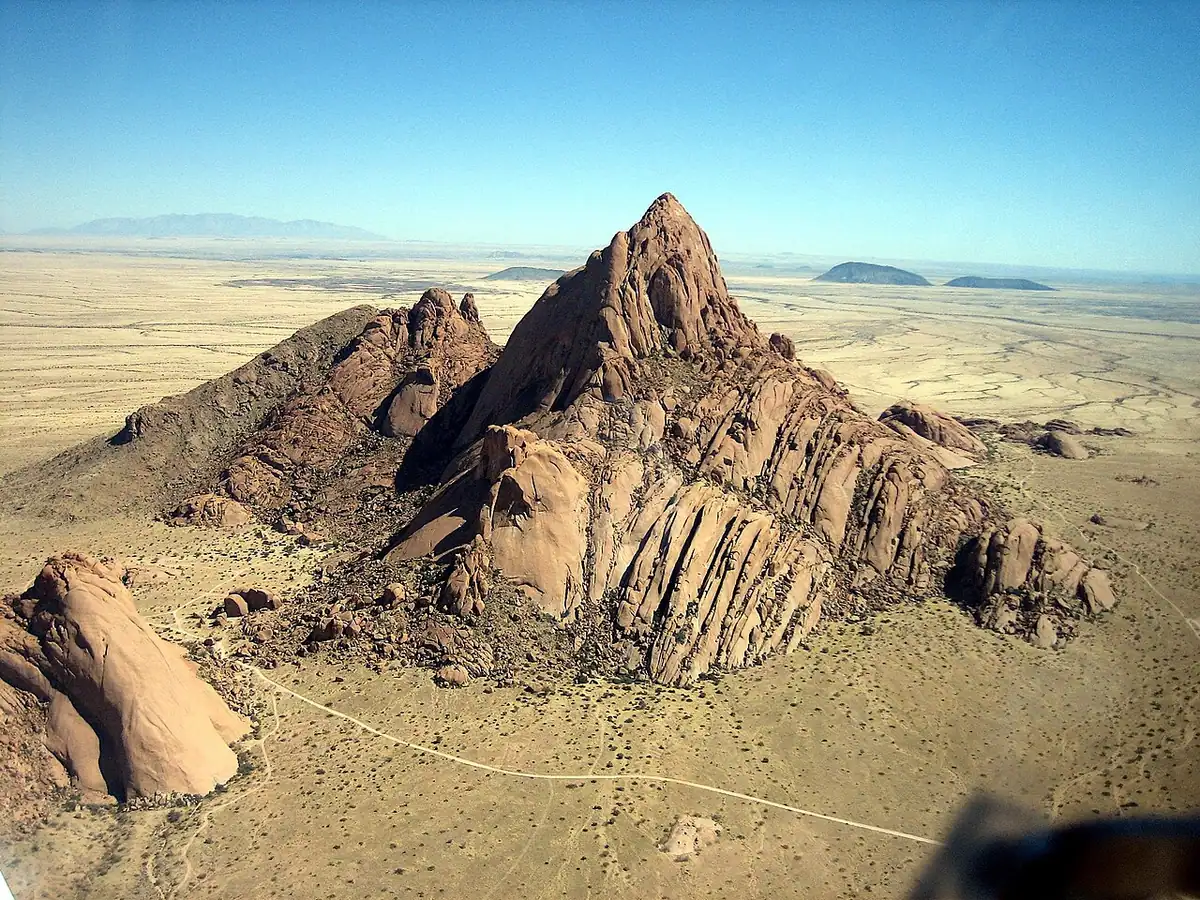 4 daysGood with kids
Namibia
Damaraland: Spitzkoppe and Twyfelfontein
Spitzkoppe, Twyfelfontein and Cape Cross
- Price
- $$$
- Difficulty
- Moderate
- Best time:
- May–Oct
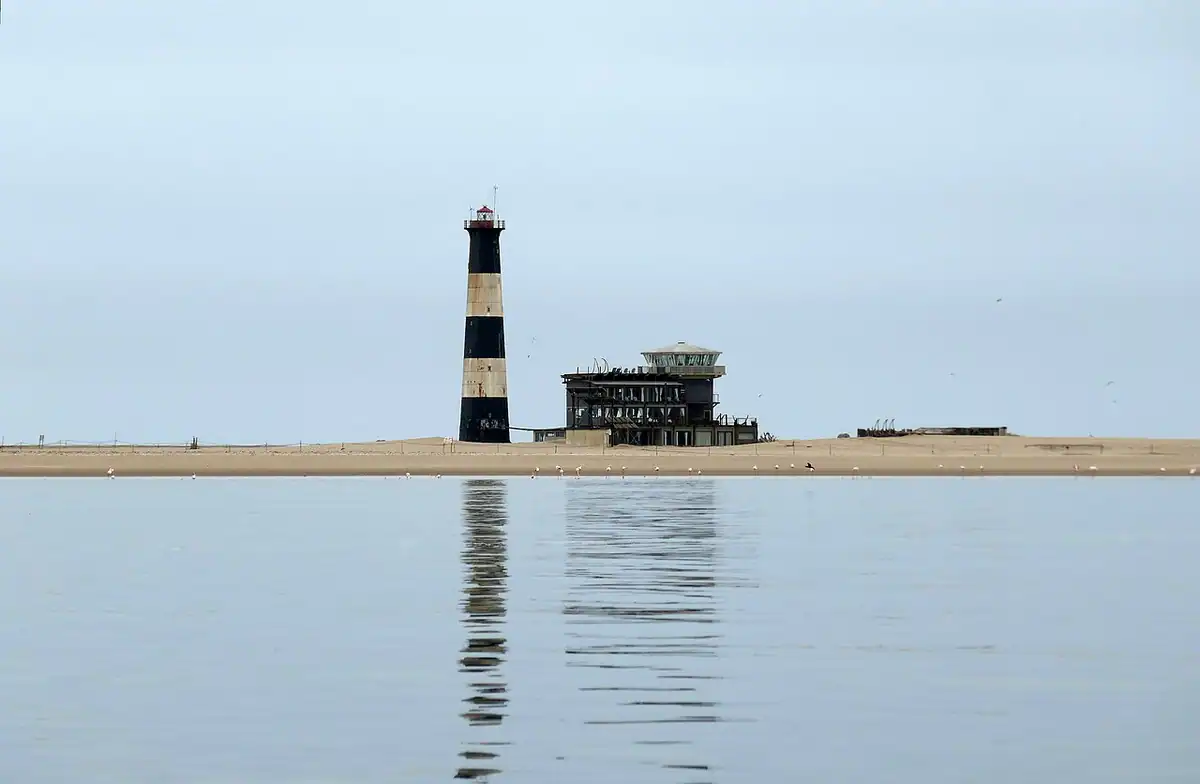 3 daysGood with kids
Namibia
Namibia’s coast: Walvis Bay and Swakopmund
Walvis Bay, Sandwich Harbour and Swakopmund
- Price
- $$$
- Difficulty
- Easy
- Best time:
- Apr–Oct
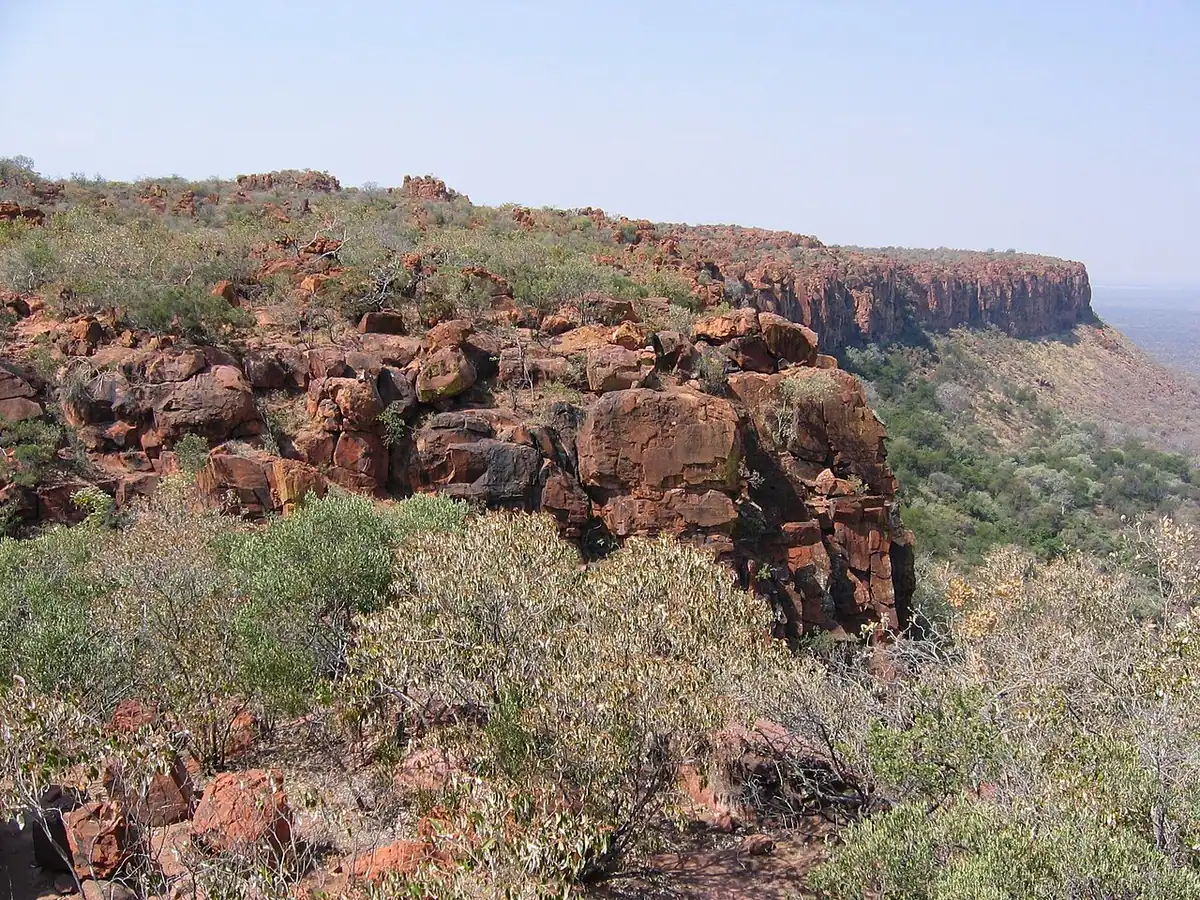 4 daysGood with kids
Namibia
Northern Namibia: Waterberg, Hoba and Tsumeb
Okahandja, Waterberg Plateau, Grootfontein and Tsumeb
- Price
- $$$
- Difficulty
- Moderate
- Best time:
- May–Oct
Safety, health and entry
Before you go
What to know about entry, health and safety before you go, summarized from official guidance for U.S. passport holders. Rules change, so confirm on the sources linked below.
Visa for U.S. citizens
Visa required, available on arrival
Visa on arrivalPassport
Valid 6 months after arrival, 3 blank pages
Vaccines
Yellow fever proof if from risk areas
State Department advisory
Exercise increased caution
Level 2Entry and visas
Visa required, available on arrival
Since April 2025, U.S. citizens need a visa for Namibia. You can get one on arrival at a port of entry or apply online for an e-visa beforehand. The fee is 1,600 Namibian dollars for travelers over 11.
Have ready
- Valid 6 months after arrival, 3 blank pages
- Applying for the e-visa online first can shorten lines at the border.
- Children aged 6 to 11 pay a reduced fee, and children under 6 pay none.
- Yellow fever certificate is needed only if you arrive from a country with transmission risk.
Health and vaccines
Yellow fever proof if from risk areas
Windhoek has good hospitals, and private ones may ask for payment up front. Care is limited in remote areas, so carry medical evacuation insurance.
Drinking water: Tap water in major towns is generally treated, but use bottled water in rural areas.
Required to enter
Recommended by the CDC
Health risks
- Malaria in the north
- Cholera in Kunene and Otjozondjupa
- Dehydration in the hot, dry climate
- Rabies from dogs
Safety
Level 2: Exercise increased caution
Exercise increased caution
The U.S. State Department rates Namibia Level 2 because of crime and health risks. Muggers target tourists in central Windhoek at any hour, and theft from cars is common at fuel stops and roadside rest areas.
Watch for
- Muggings in central Windhoek; avoid walking alone, day or night.
- Theft from parked cars; keep doors locked and valuables out of sight.
- Street taxis, which are best avoided in favor of booked rides.
- Wildlife and livestock on roads; do not drive outside cities after dark.
Local laws and customs
- Drug offenses carry heavy penalties, including long prison terms.
- Same-sex sexual activity between men is criminalized under common law, though rarely enforced.
- Do not photograph military sites, police or government buildings.
Emergency numbers
- Emergency
- 10111
- Police
- 10111
- Ambulance
- 211111
Sources: U.S. State Department travel advisories · U.S. CDC travel health notices · UK government travel advice. Summarized in November 2026. Advisory levels and entry rules change, so confirm on the sources before you book.
Other governments: Canada, Spain (in Spanish), World Health Organization.
This is general information, not medical, legal or security advice.
Keep exploring
More in Africa

Your trip, your way.
Start from a guide or a blank page. Free on the web, with iPhone and Android apps coming soon.