
Africa
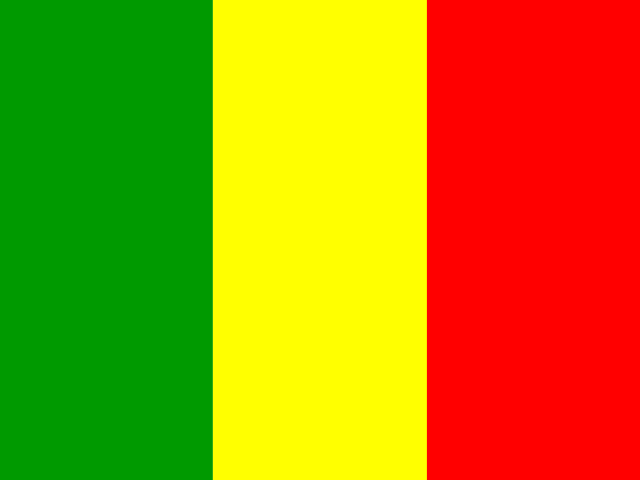
Mali
Mud-brick mosques and music along the Niger
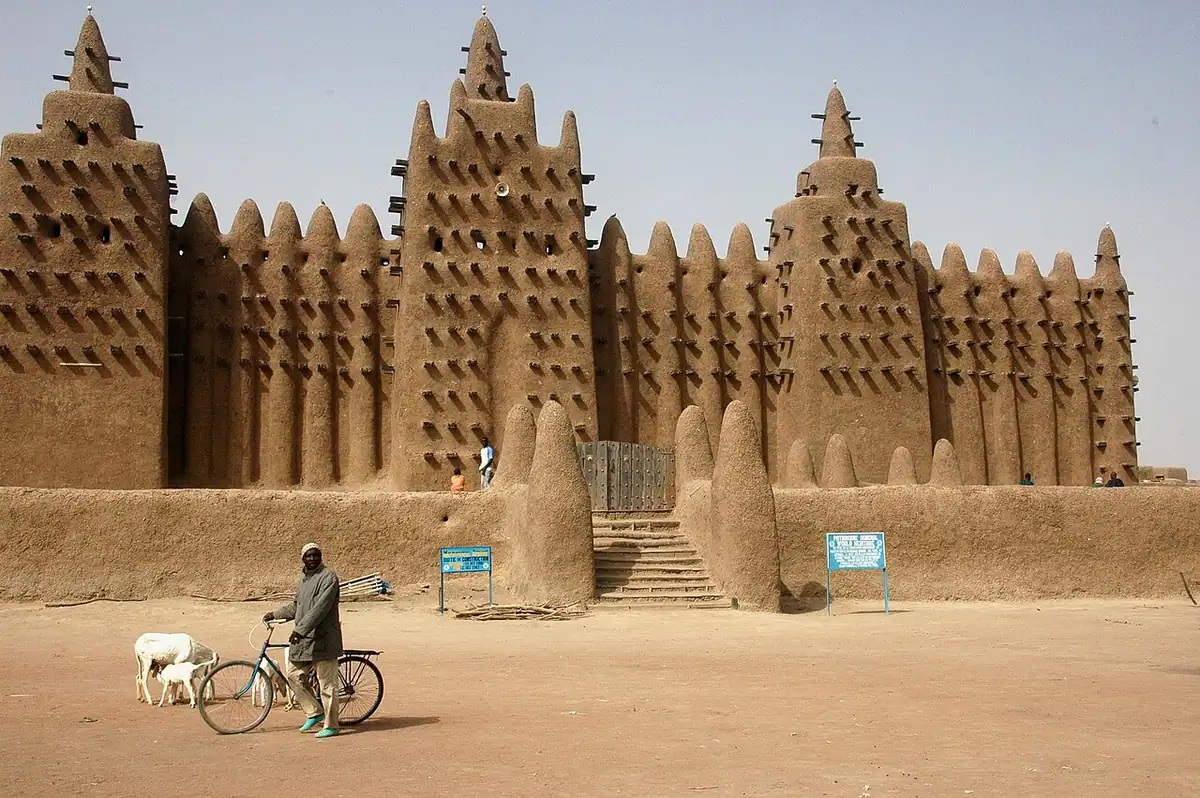
Photo: Ruud Zwart, CC BY-SA 3.0 · via Wikimedia Commons
Capital
Bamako
Languages
French, Bambara and other local languages
Currency
West African CFA franc (XOF)
Plugs and power
Types C, E · 230 V
Drives on the
Right
Time zone
UTC+0, no daylight saving
The short version
What to expect in Mali
Mali sits on the southern edge of the Sahara, with the Niger River running through its centre. It has a long history of trading empires, scholarship in Timbuktu and a strong musical tradition. Large parts of the country are affected by armed conflict, and most governments advise against travel to much of it, so check current advice.
- Timbuktu manuscripts
- Djenné Great Mosque
- Dogon cliff villages
- Malian music
Did you know?
The Great Mosque of Djenné is made of mud, and the community replasters it each year during a festival.
Food and drink
What to eat in Mali
- 01
Tigadèguèna
Peanut stew with meat or fish, served over rice.
- 02
Riz gras
Rice cooked in tomato and oil with vegetables and meat.
- 03
Bissap
Cold hibiscus drink, sweet and tart.
Language
Say it like a local
French
Bonjour
Hello
Merci
Thank you
Comment ça va ?
How are you?
Money and manners: Greetings matter: take time to ask after someone's health and family before getting to business. Use your right hand for greeting, eating and handing things over.
Timing
When to go
The cooler, dry months from November to February avoid the intense heat before the rains and the flooded roads of the wet season.
Best months: Nov–Feb
Guides
No trip guides for Mali yet
We have not written a trip guide here yet. The facts below cover entry, health and safety, and you can still plan a trip of your own in Andamos.
Safety, health and entry
Before you go
What to know about entry, health and safety before you go, summarized from official guidance for U.S. passport holders. Rules change, so confirm on the sources linked below.
Visa for U.S. citizens
Visas suspended for U.S. citizens
Restricted entryPassport
Valid for the length of your stay
Vaccines
Yellow fever certificate required
State Department advisory
Do not travel
Level 4Entry and visas
Visas suspended for U.S. citizens
Mali suspended visa issuance to U.S. citizens as of January 1, 2026, with limited exceptions, in response to U.S. travel restrictions on Malians. In practice, tourist entry is not possible. A yellow fever certificate is required for entry.
Have ready
- Valid for the length of your stay
- Check with the Malian embassy about any exception before making plans; the State Department advises against all travel to Mali.
- Carry a yellow fever vaccination certificate; you can be refused entry without it.
- Taking cultural or archaeological objects out of Mali requires an export permit from the Ministry of Arts and Culture.
Health and vaccines
Yellow fever certificate required
Medical facilities are very limited and emergency response is weak. You must pay upfront, so carry travel health insurance that covers medical evacuation.
Drinking water: Drink only boiled or bottled water and avoid ice in drinks.
Required to enter
Recommended by the CDC
Health risks
- Malaria and dengue year-round
- Yellow fever
- Typhoid and cholera from food and water
- Meningitis and rabies
Safety
Level 4: Do not travel
Level 4: Do not travel
The State Department says do not travel to Mali for any reason, citing terrorism, kidnapping, crime, unrest and armed conflict, including in and around Bamako. Armed groups have blockaded routes and target foreigners for ransom.
Avoid
- The whole country; central and northern Mali are the most affected by terrorist activity
Watch for
- Attacks without warning at hotels, restaurants, nightclubs and places of worship
- Roadblocks, some run by armed groups, and fuel blockades on routes into Bamako
- Demonstrations that start without notice and can turn violent
- Armed robbery, carjacking and home invasion
Local laws and customs
- Carry copies of your passport and entry permit; security checkpoints are frequent.
- Photographing military sites, officials or government buildings can lead to detention.
- Drug offenses carry heavy penalties, and public conduct should be conservative.
Emergency numbers
- Emergency
- 17
- Police
- 17
- Ambulance
- 15
- Fire
- 18
Sources: U.S. State Department travel advisories · U.S. CDC travel health notices · UK government travel advice. Summarized in November 2026. Advisory levels and entry rules change, so confirm on the sources before you book.
Other governments: Canada, Spain (in Spanish), World Health Organization.
This is general information, not medical, legal or security advice.
Keep exploring
More in Africa
Your trip, your way.
Start from a guide or a blank page. Free on the web, with iPhone and Android apps coming soon.