
Africa
Madagascar
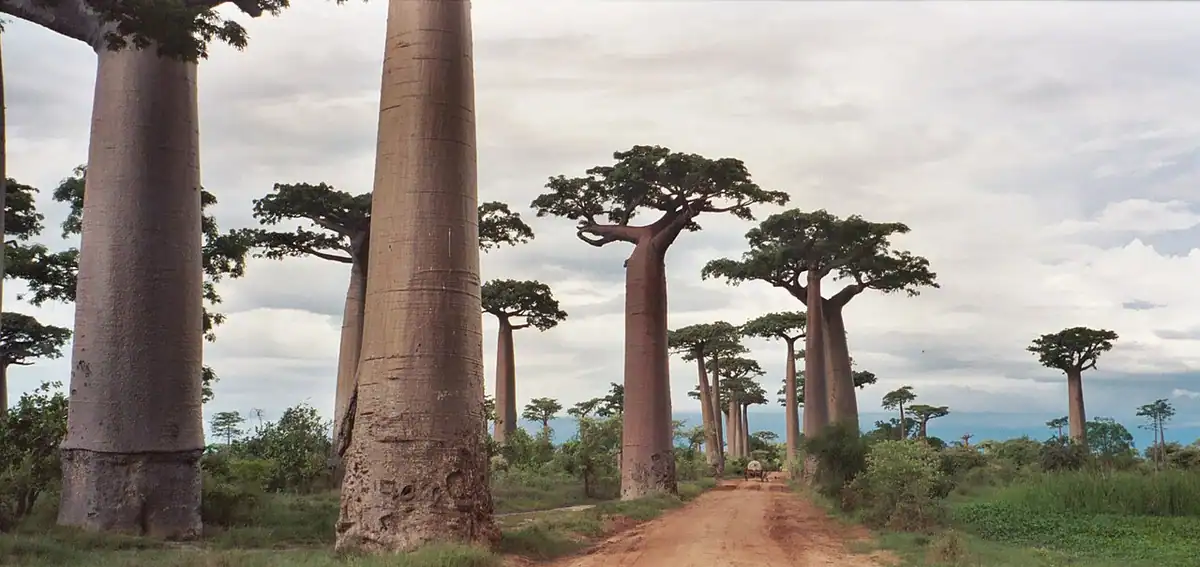
Lemurs, baobabs, and a continent of its own
Photo: Pat Hooper from Chicago, IL, USA, CC BY-SA 2.0 · via Wikimedia Commons
Capital
Antananarivo
Languages
Malagasy, French
Currency
Malagasy ariary (MGA)
Plugs and power
Types C, D, E, J, K · 220 V
Drives on the
Right
Time zone
UTC+3, no daylight saving
The short version
What to expect in Madagascar
Madagascar is a huge island off the east coast of Africa, with rainforest, dry spiny forest, rice terraces, and long beaches. Much of its wildlife lives nowhere else, including many kinds of lemurs and chameleons. Travel is slow on bumpy roads, but it pays off with baobab sunsets and stone forests.
- Lemurs in the wild
- Avenue of the Baobabs
- Tsingy stone forests
- Vanilla and spices
Did you know?
Lemurs live in the wild only in Madagascar, and the island has dozens of species.
Food and drink
What to eat in Madagascar
- 01
Romazava
Beef and leafy green stew, often called the national dish.
- 02
Ravitoto
Pounded cassava leaves cooked slowly with pork.
- 03
Koba
Sweet cake of ground peanuts, rice, and sugar wrapped in leaves.
Language
Say it like a local
Malagasy
Manao ahoana
Hello
Misaotra
Thank you
Veloma
Goodbye
Money and manners: Carry cash in small ariary notes, since cards work only in a few cities and ATMs can run empty. Hire a local guide in national parks.
Timing
When to go
The taller the bar, the more of our Madagascar trips are at their best that month.
Best months: May–Oct
Guides
Trip guides for Madagascar
 7 days
Madagascar
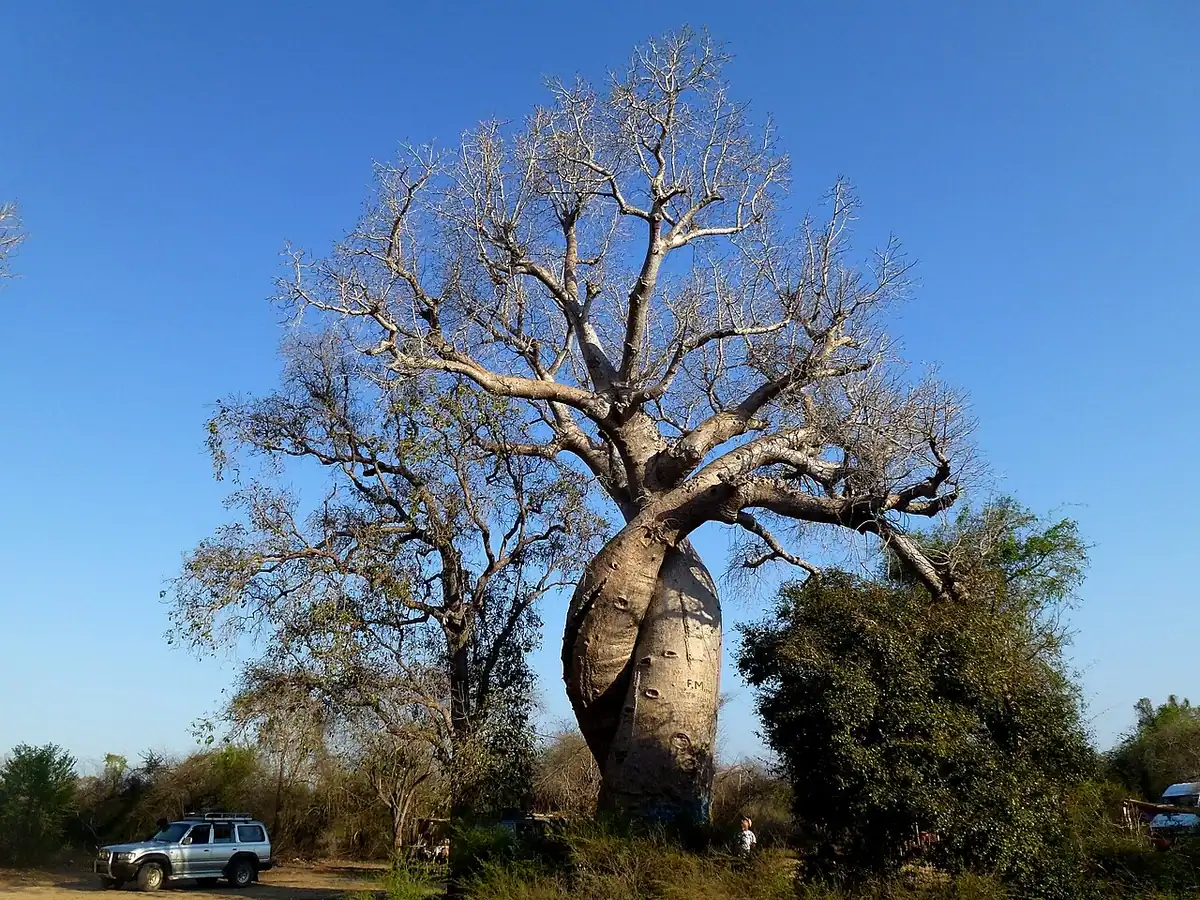
Madagascar: lemurs and baobabs
Antananarivo, Andasibe and Morondava
- Price
- $$$
- Difficulty
- Challenging
- Best time:
- May–Oct
 5 days
Madagascar
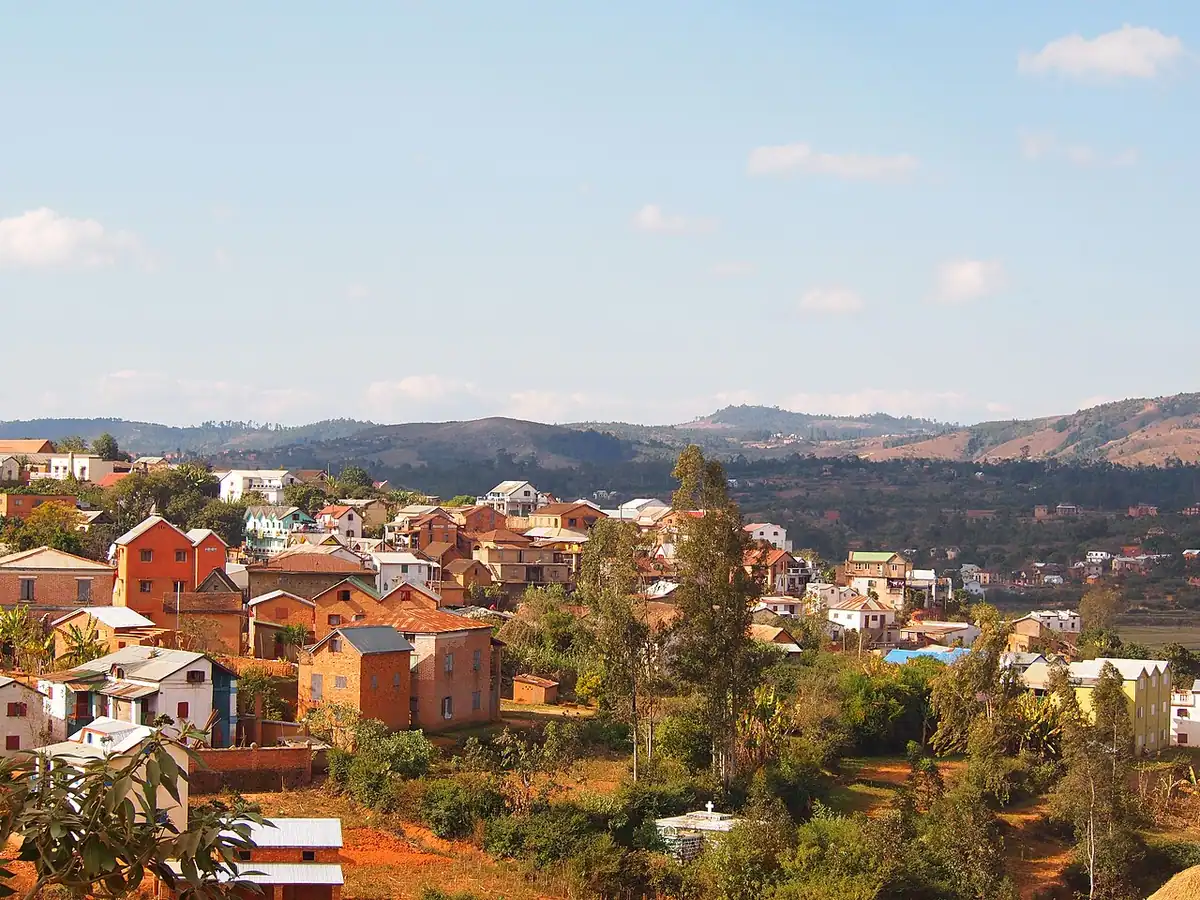
Madagascar highlands road trip: Ranomafana and Isalo
Antsirabe, Ranomafana and Isalo
- Price
- $$$
- Difficulty
- Moderate
- Best time:
- May–Oct
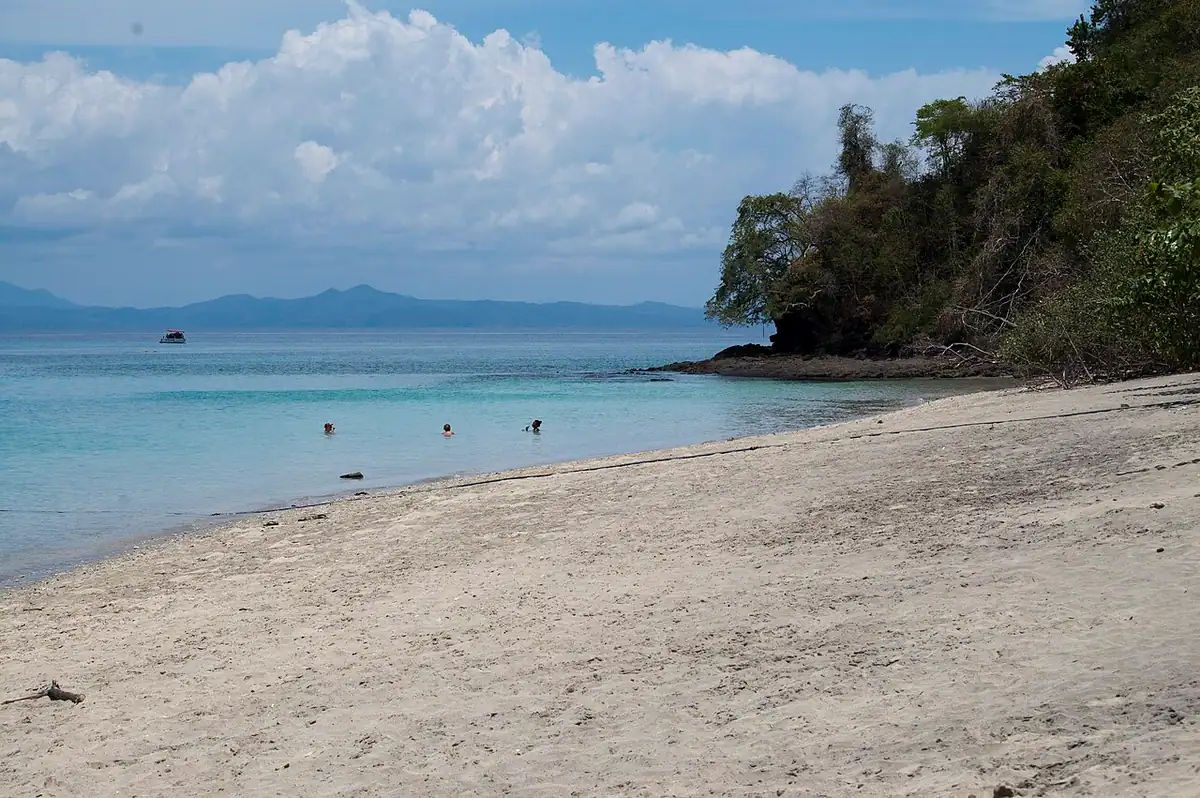 3 daysGood with kids
Madagascar
Nosy Be and its islands
Nosy Be, Nosy Komba and Nosy Tanikely
- Price
- $$$
- Difficulty
- Easy
- Best time:
- May–Oct
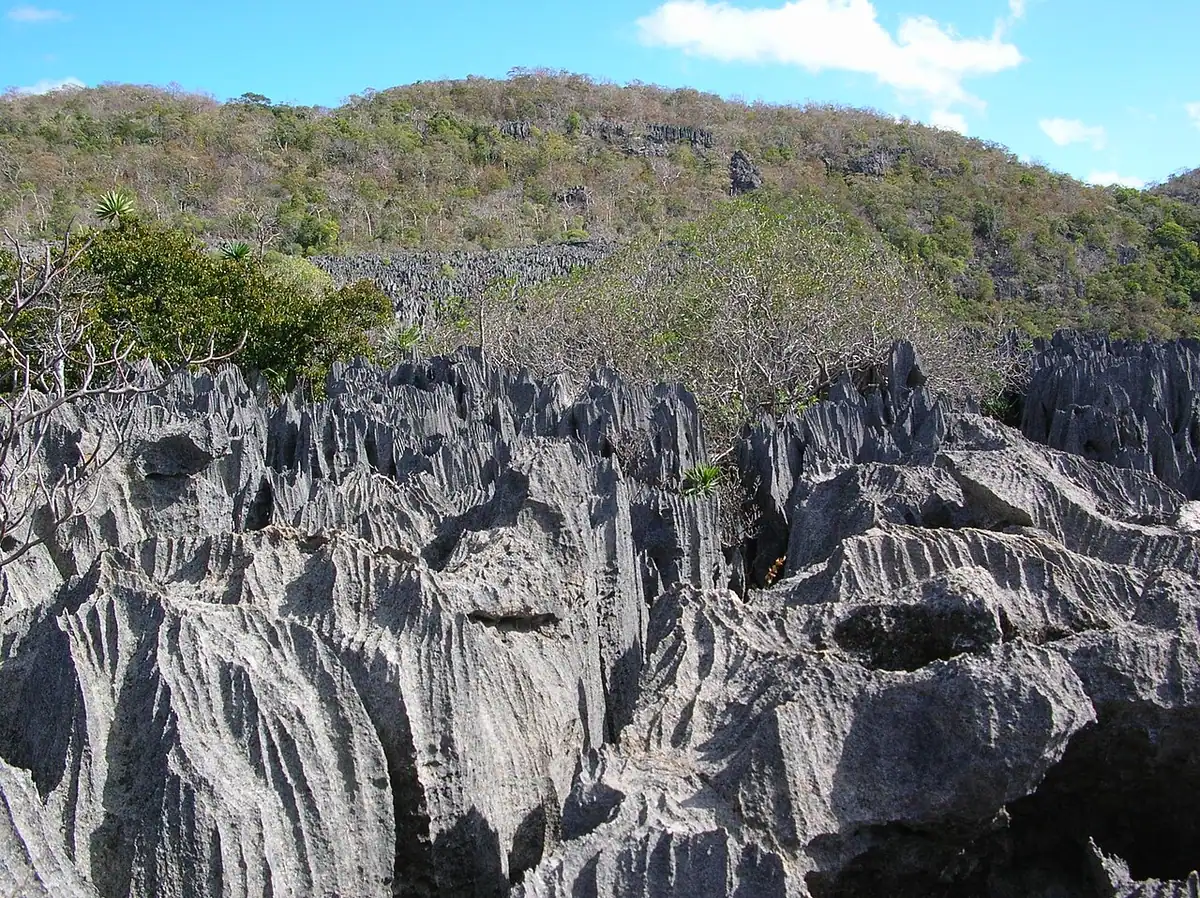 4 days
Madagascar
Diego Suarez and northern Madagascar
Antsiranana, Montagne d’Ambre and the Red Tsingy
- Price
- $$$
- Difficulty
- Moderate
- Best time:
- May–Nov
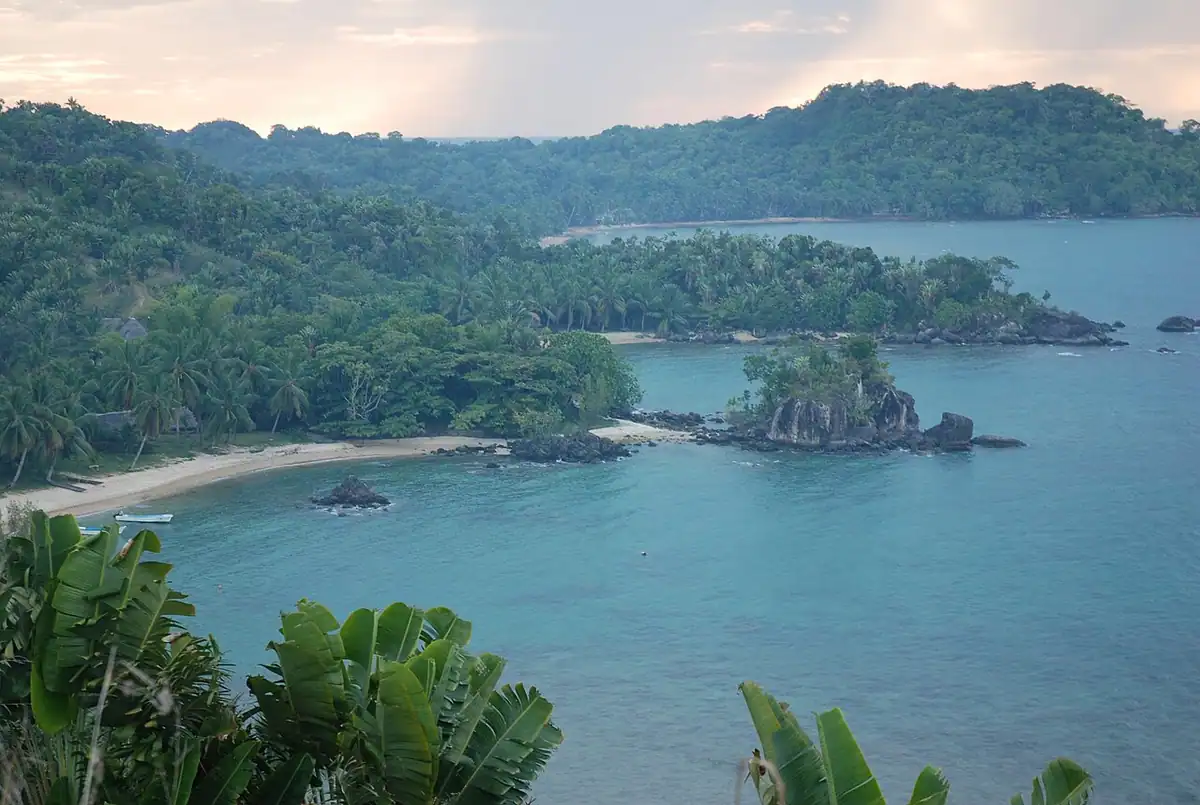 3 daysGood with kids
Madagascar
Île Sainte-Marie: pirate history and whales
Île Sainte-Marie and Île aux Nattes
- Price
- $$$
- Difficulty
- Easy
- Best time:
- Jul–Oct
Safety, health and entry
Before you go
What to know about entry, health and safety before you go, summarized from official guidance for U.S. passport holders. Rules change, so confirm on the sources linked below.
Visa for U.S. citizens
Visa on arrival, 15 to 60 days
Visa on arrivalPassport
Valid six months after arrival, two blank pages
Vaccines
Yellow fever certificate for some arrivals
State Department advisory
Exercise increased caution
Level 2Entry and visas
Visa on arrival, 15 to 60 days
Rules for U.S. passports could not be confirmed, check before booking. The country's main rules are a stay of up to 15 days with a 10-euro administration fee and an onward ticket, or a single-entry tourist visa for 30 or 60 days, extendable to 90 days.
Have ready
- Valid six months after arrival, two blank pages
- Buy the tourist visa at the airport or in advance; the 15-day stay needs an onward ticket.
- A yellow fever certificate is needed if you arrive from a country with yellow fever risk.
Health and vaccines
Yellow fever certificate for some arrivals
Hospitals in Antananarivo handle only routine care, and complex cases are flown to Mauritius, South Africa or Reunion. Carry insurance that covers medical evacuation.
Drinking water: Tap water is unsafe, so drink only boiled or bottled water and avoid ice.
Required to enter
Recommended by the CDC
Health risks
- Dengue and chikungunya
- Schistosomiasis in fresh water
- Mpox cases reported
- Altitude sickness in the highlands
Safety
Level 2: Exercise increased caution
High crime, political unrest
The U.S. State Department says exercise increased caution in Madagascar (Level 2, December 2025) because of crime, unrest and limited medical care. Violent robberies happen, including on isolated beaches, and armed holdups occur on main roads. It says reconsider travel to six areas, listed below.
Avoid
- Demonstrations and political rallies, which can turn violent.
- Travel on main roads at night.
- Areas where the U.S. says reconsider travel: Tsaratanana (Betsiboka), Betroka (Anosy), the road between Tsiroanomandidy and Maintirano, RN34 between Miandrivazo and Malaimbandy, RN13 between Ihosy and Betroka, and the Menabe Region south of Morondava.
Watch for
- Violent robberies on isolated beaches, including around Nosy Be and Toliara
- Armed holdups on main roads, especially at night
- Criminals posing as police
- Shared taxi vans, which are best avoided
Local laws and customs
- Drug offences carry severe penalties.
- Carry a copy of your passport and visa at all times.
- Export of some wildlife and plant products is illegal.
Emergency numbers
- Emergency
- 117
- Police
- 117
- Ambulance
- 124
- Fire
- 118
Sources: U.S. State Department travel advisories · U.S. CDC travel health notices · UK government travel advice. Summarized in November 2026. Advisory levels and entry rules change, so confirm on the sources before you book.
Other governments: Canada, Spain (in Spanish), World Health Organization.
This is general information, not medical, legal or security advice.
Keep exploring
More in Africa
Your trip, your way.
Start from a guide or a blank page. Free on the web, with iPhone and Android apps coming soon.