
Africa
Liberia
Surf towns, rainforest and a freed-slave history
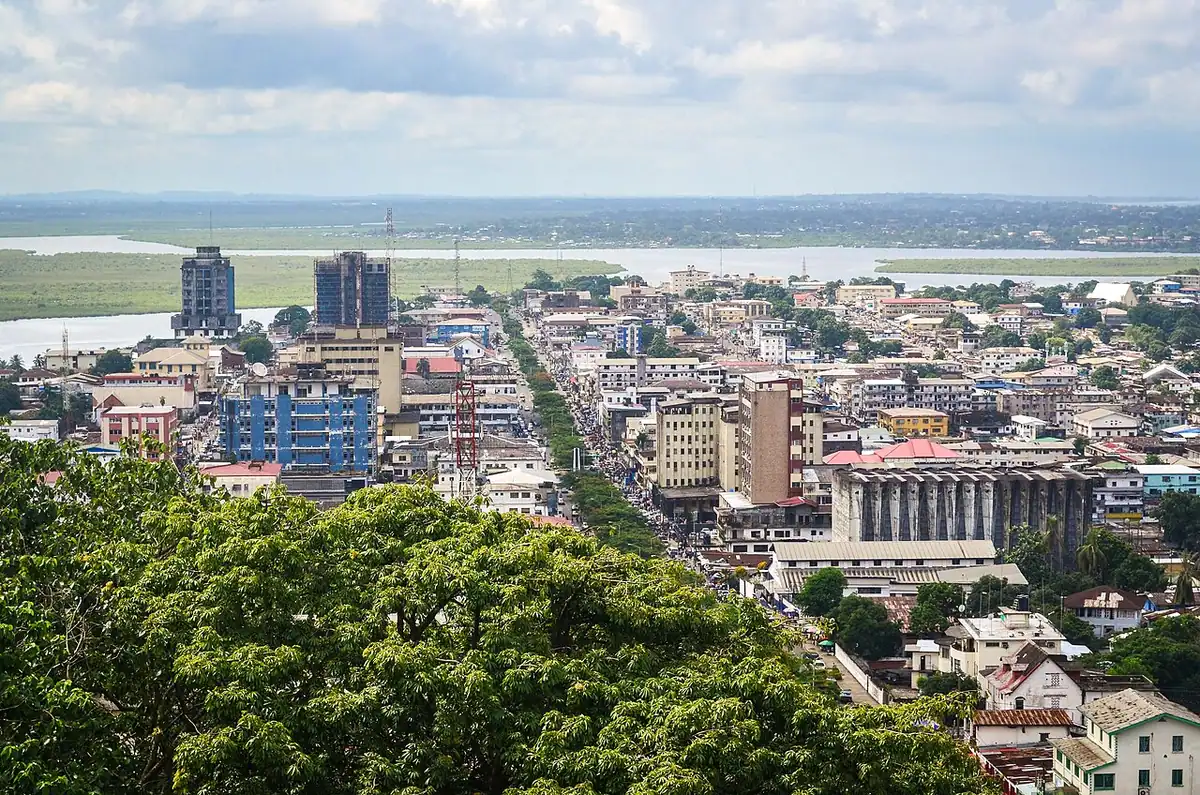
Photo: blk24ga, CC BY 3.0 · via Wikimedia Commons
Capital
Monrovia
Languages
English, Liberian English and many local languages
Currency
Liberian dollar (LRD)
Plugs and power
Types A, B, C, E, F · 120/240 V
Drives on the
Right
Time zone
UTC+0, no daylight saving
The short version
What to expect in Liberia
Liberia sits on the West African coast, with long Atlantic beaches, mangrove rivers and some of the region's last large tracts of rainforest. It was founded in the 1800s by freed African Americans, and that history shows in its names and architecture. Visitors go for surfing at Robertsport, Sapo National Park and warm local hospitality. Roads are poor in the rainy season, and health services outside Monrovia are limited.
- Surfing at Robertsport
- Sapo National Park
- Freed-slave settler history
- Palm butter and jollof
Did you know?
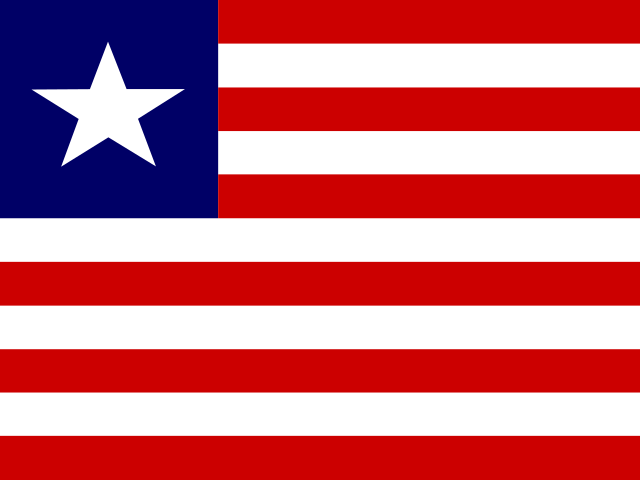
Monrovia is named after US President James Monroe, and Liberia's flag has eleven stripes and one star in a pattern close to the US flag.
Food and drink
What to eat in Liberia
- 01
Jollof rice
Rice cooked in a spiced tomato and pepper base, served at gatherings.
- 02
Palm butter
Thick palm nut stew with fish or meat, eaten over rice.
- 03
Cassava leaf
Pounded cassava leaves stewed with meat or fish and served with rice.
Language
Say it like a local
Liberian English
Hello
Hello
Thank you
Thank you
Small small
Little by little, slowly
Money and manners: Both Liberian dollars and US dollars circulate, so carry small notes of each and check which one a price is in. Greet people before asking for help, as a handshake and a few words are expected.
Timing
When to go
The taller the bar, the more of our Liberia trips are at their best that month.
Best months: Nov–Mar
Guides
Trip guides for Liberia
 3 days
Liberia
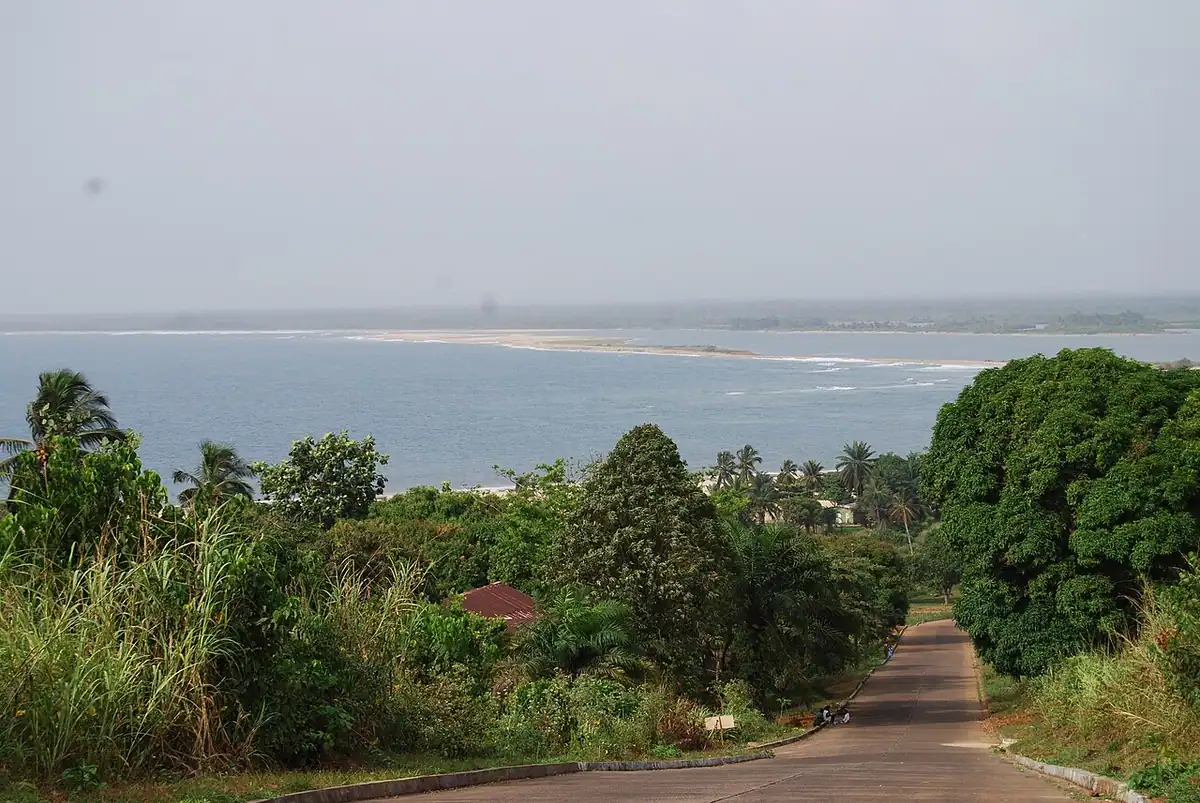
Monrovia and the Robertsport surf coast
Monrovia and Robertsport
- Price
- $$$
- Difficulty
- Moderate
- Best time:
- Nov–Mar
 3 days
Liberia
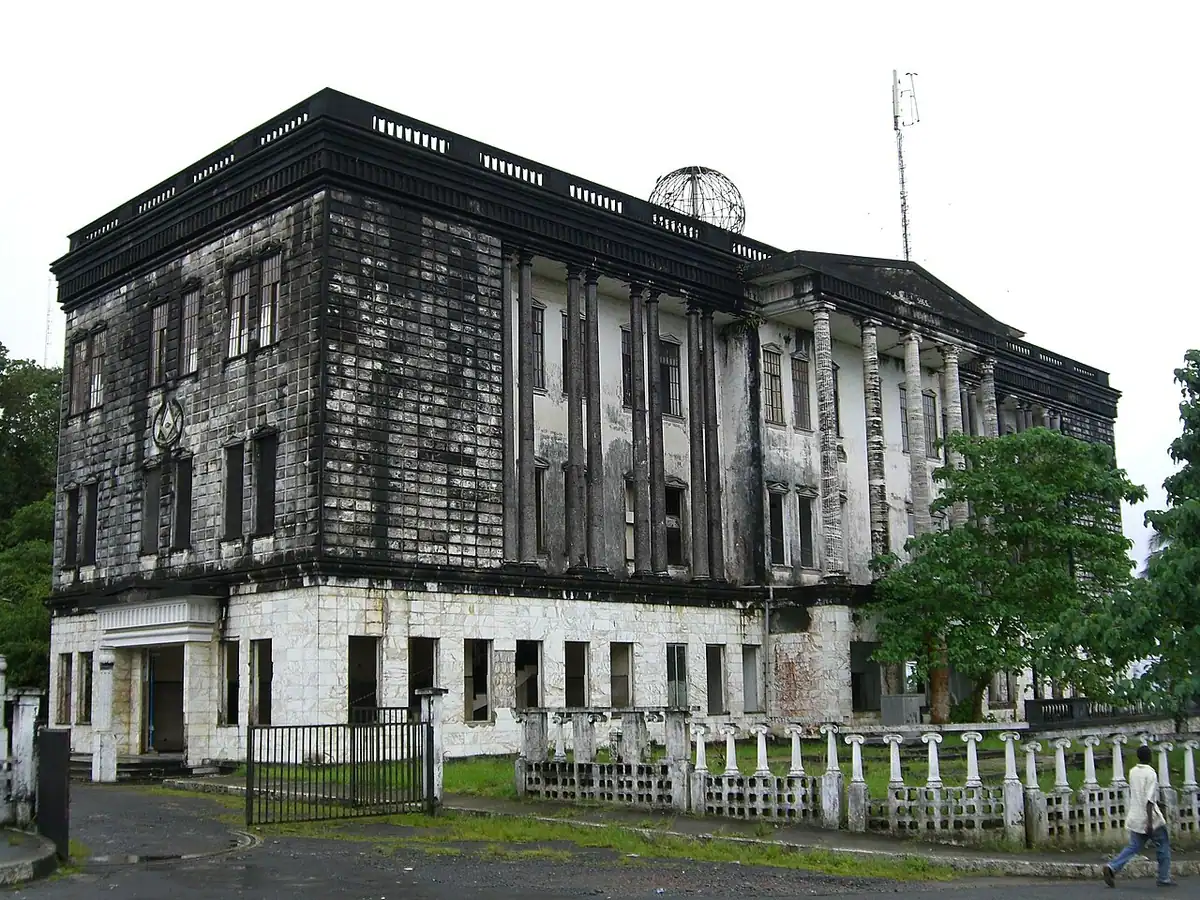
Monrovia history and waterfront
Monrovia
- Price
- $$$
- Difficulty
- Easy
- Best time:
- Nov–Mar
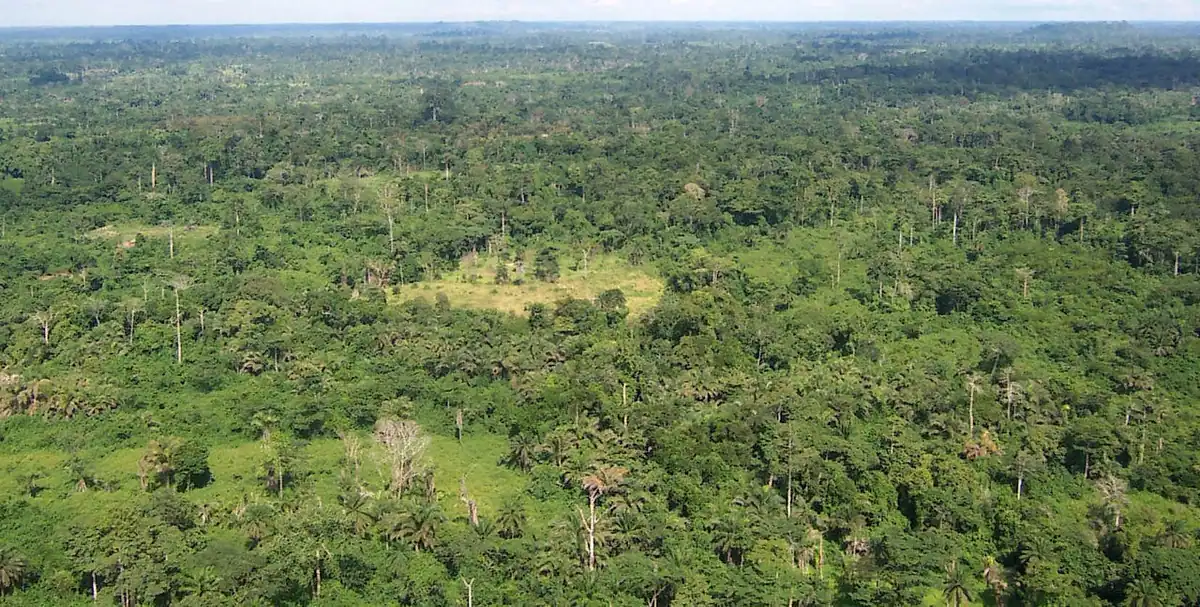 3 days
Liberia
Kpatawee Falls and Bong County
Kakata, Gbarnga and Kpatawee Falls
- Price
- $$$
- Difficulty
- Moderate
- Best time:
- Nov–Mar
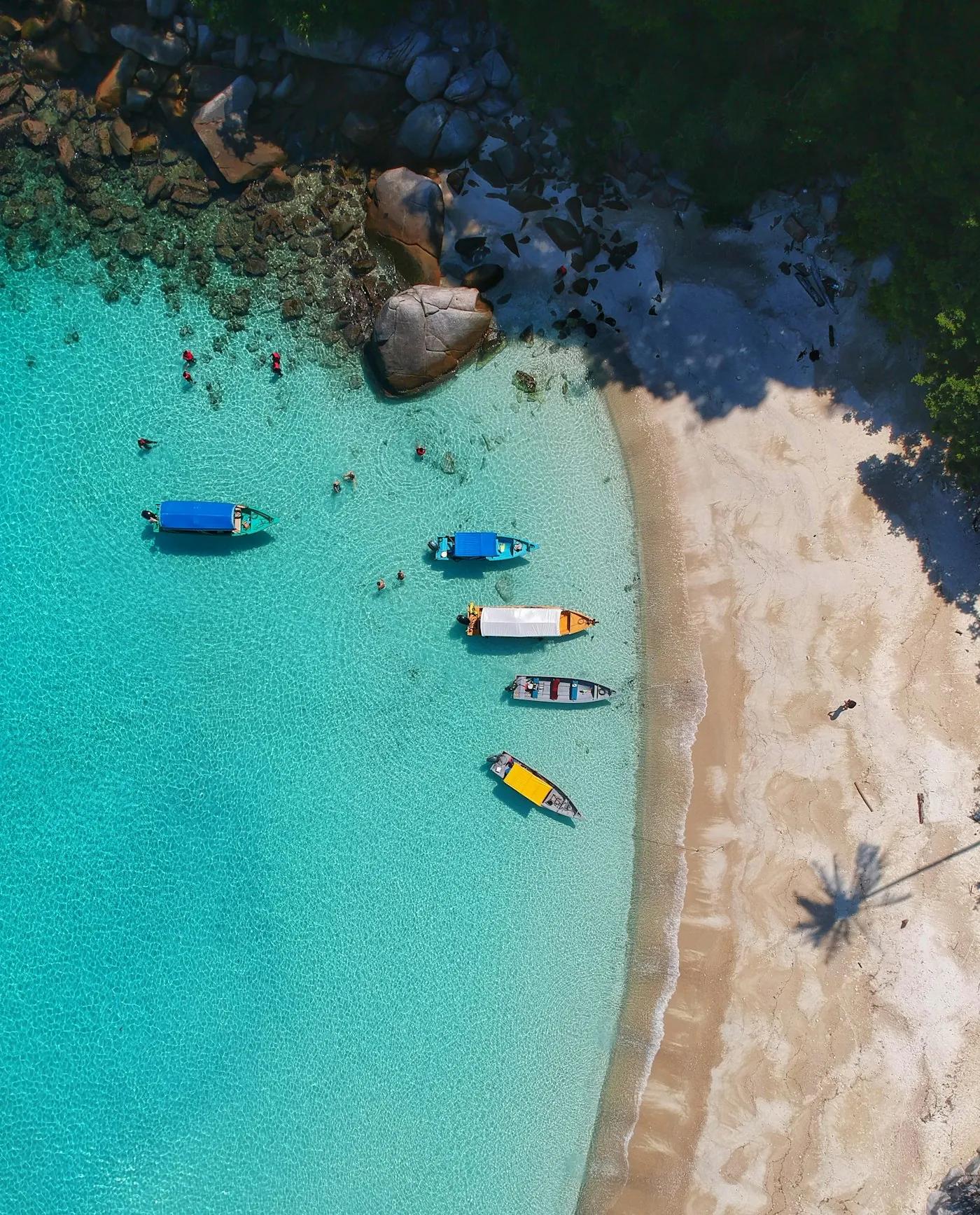 3 days
Liberia
Buchanan and the Grand Bassa coast
Buchanan and Edina
- Price
- $$$
- Difficulty
- Easy
- Best time:
- Nov–Mar
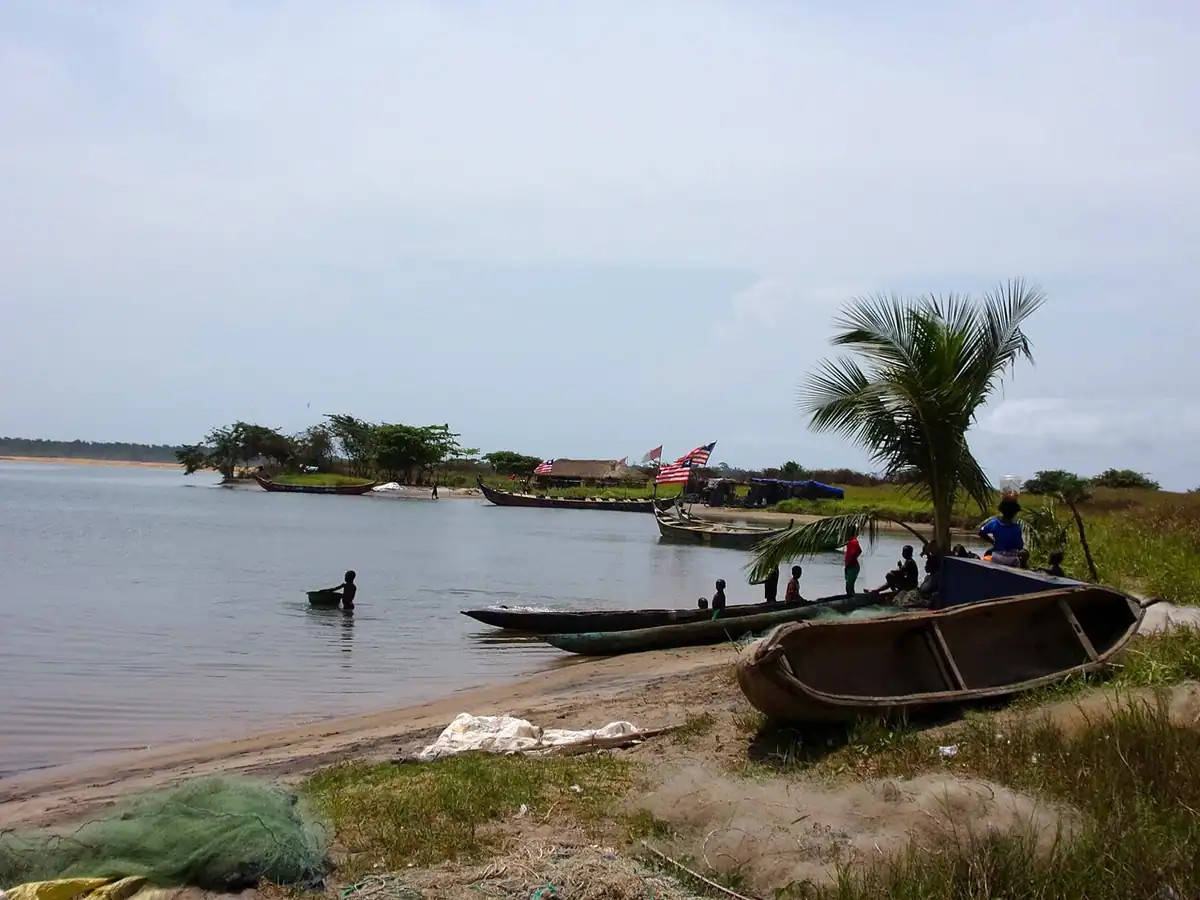 2 daysGood with kids
Liberia
Margibi plantations and Marshall
Harbel, Kakata and Marshall
- Price
- $$$
- Difficulty
- Easy
- Best time:
- Nov–Mar
Safety, health and entry
Before you go
What to know about entry, health and safety before you go, summarized from official guidance for U.S. passport holders. Rules change, so confirm on the sources linked below.
Visa for U.S. citizens
Visa required before travel
Visa in advancePassport
Valid 6 months at time of application
Vaccines
Yellow fever certificate needed for the visa
State Department advisory
Exercise increased caution
Level 2Entry and visas
Visa required before travel
U.S. citizens need a visa to enter Liberia and should get it before arriving, through a Liberian embassy or consulate. A yellow fever vaccination certificate is part of the application, and health screening has been stepped up at arrival because of Ebola outbreaks in the region.
Have ready
- Valid 6 months at time of application
- Apply through a Liberian embassy or consulate. The fee and visa length depend on the visa type, so confirm with them.
- Include your yellow fever vaccination certificate with the application, and keep it with you when you travel.
- Expect health screening on arrival. A visa extension of up to 60 days can be requested at an immigration office in Liberia.
Health and vaccines
Yellow fever certificate needed for the visa
Health care is inadequate and medicines may be unsafe or unavailable. Carry medical evacuation insurance and your own supplies, and expect ambulances to be unreliable.
Drinking water: Do not drink tap water. Use bottled or treated water and avoid ice of unknown source.
Required to enter
Recommended by the CDC
Health risks
- Malaria throughout the country
- Dengue and yellow fever
- Lassa fever from rodents
- Ebola outbreaks in nearby countries
Safety
Level 2: Exercise increased caution
Exercise increased caution (Level 2)
The U.S. State Department rates Liberia Level 2, Exercise Increased Caution, because of crime, civil unrest and limited health care. Violent crime, including armed robbery, is common in urban areas, markets and beaches, and emergency services are unreliable.
Avoid
- Travel outside Monrovia after dark, and walking on beaches or isolated areas at night.
- Protests, political rallies and large crowds.
Watch for
- Armed robbery and mugging, including in Mamba Point and Sinkor in Monrovia
- Assaults and robberies reported in taxis, so arrange transport ahead
- Sexual assault, with a high rate reported nationally
- Demonstrations that can start without warning and disrupt roads
- Rip currents and strong surf: never swim alone or after dark
Local laws and customs
- Same-sex sexual activity is illegal in Liberia.
- Carry photo ID. Police and immigration officers can ask for it at any time.
- Drug trafficking and gold or diamond smuggling bring long prison terms in harsh conditions.
- Cash is king: cards are rarely accepted outside a few hotels and supermarkets.
Emergency numbers
- Emergency
- 911
- Police
- 911
Sources: U.S. State Department travel advisories · U.S. CDC travel health notices · UK government travel advice. Summarized in November 2026. Advisory levels and entry rules change, so confirm on the sources before you book.
Other governments: Canada, Spain (in Spanish), World Health Organization.
This is general information, not medical, legal or security advice.
Keep exploring
More in Africa
Your trip, your way.
Start from a guide or a blank page. Free on the web, with iPhone and Android apps coming soon.