
Africa
Guinea
Drumming, waterfalls, and the source of great rivers
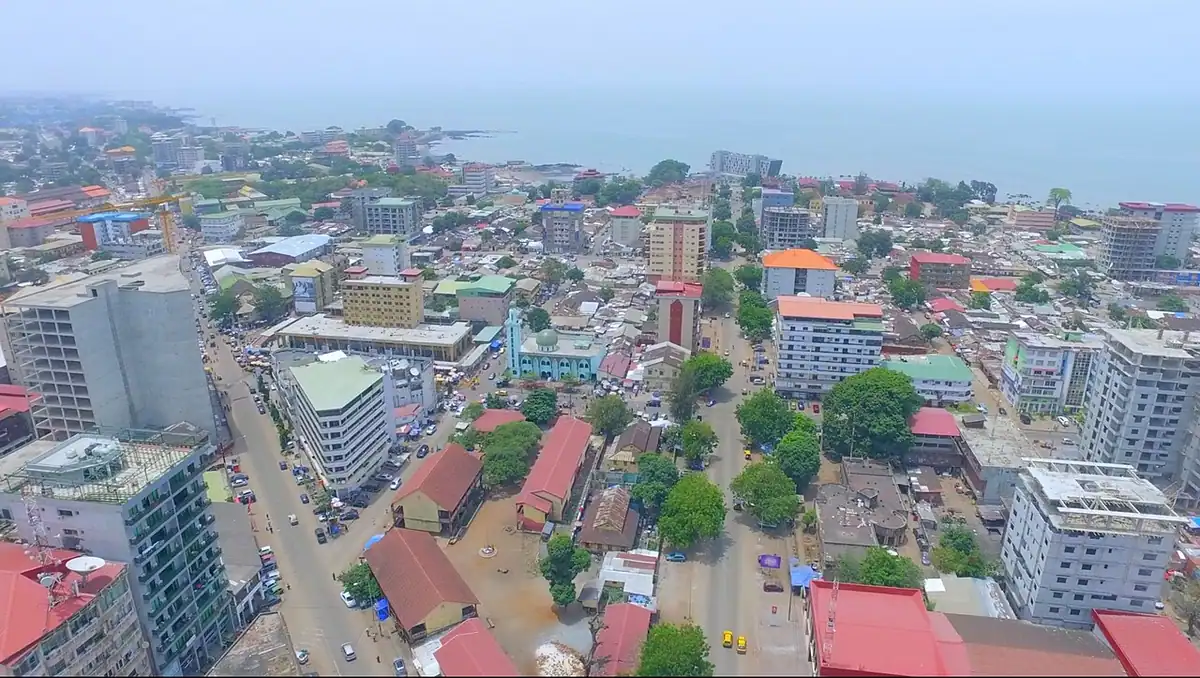
Photo: Boubacar Bila Diao Balde, CC BY-SA 4.0 · via Wikimedia Commons
Capital
Conakry
Languages
French, Susu, Pular, Malinke
Currency
Guinean franc (GNF)
Plugs and power
Types C, F, K · 220 V
Drives on the
Right
Time zone
UTC+0, no daylight saving
The short version
What to expect in Guinea
Guinea is a West African country on the Atlantic, where the Fouta Djallon highlands give rise to the Niger, Senegal, and Gambia rivers. Conakry is a busy coastal capital, while the interior has waterfalls, hill villages, and forest in the southeast. Drumming and dance, especially the djembe, are central to Guinean culture, and music is part of most celebrations.
- Djembe drumming
- Fouta Djallon highlands
- Source of the Niger
- Îles de Los
Did you know?
The Niger, Senegal, and Gambia rivers all begin in Guinea's highlands, which is why the country is sometimes called the water tower of West Africa.
Food and drink
What to eat in Guinea
- 01
Riz gras
Rice cooked in a rich tomato and oil sauce with meat or fish.
- 02
Poulet yassa
Chicken marinated in onion and lemon, then grilled and stewed.
- 03
Sauce feuille
Stew of pounded cassava or potato leaves, served with rice.
Language
Say it like a local
French
Bonjour
Hello
Merci
Thank you
Comment ça va ?
How are you?
Money and manners: Greet everyone properly, using the right hand for handshakes and eating, and carry cash in Guinean francs, since cards and ATMs are unreliable outside Conakry.
Timing
When to go
The taller the bar, the more of our Guinea trips are at their best that month.
Best months: Nov–Mar
Guides
Trip guides for Guinea
 3 days
Guinea
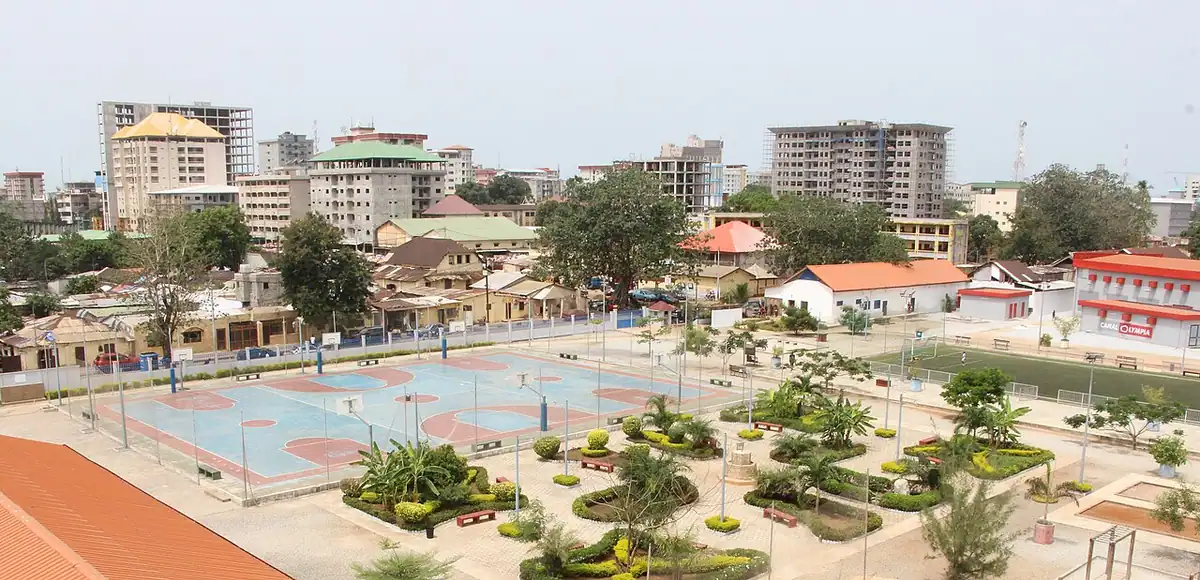
Guinea: Conakry and the Îles de Los
Conakry and the Îles de Los
- Price
- $$$
- Difficulty
- Moderate
- Best time:
- Nov–Mar
 3 days
Guinea
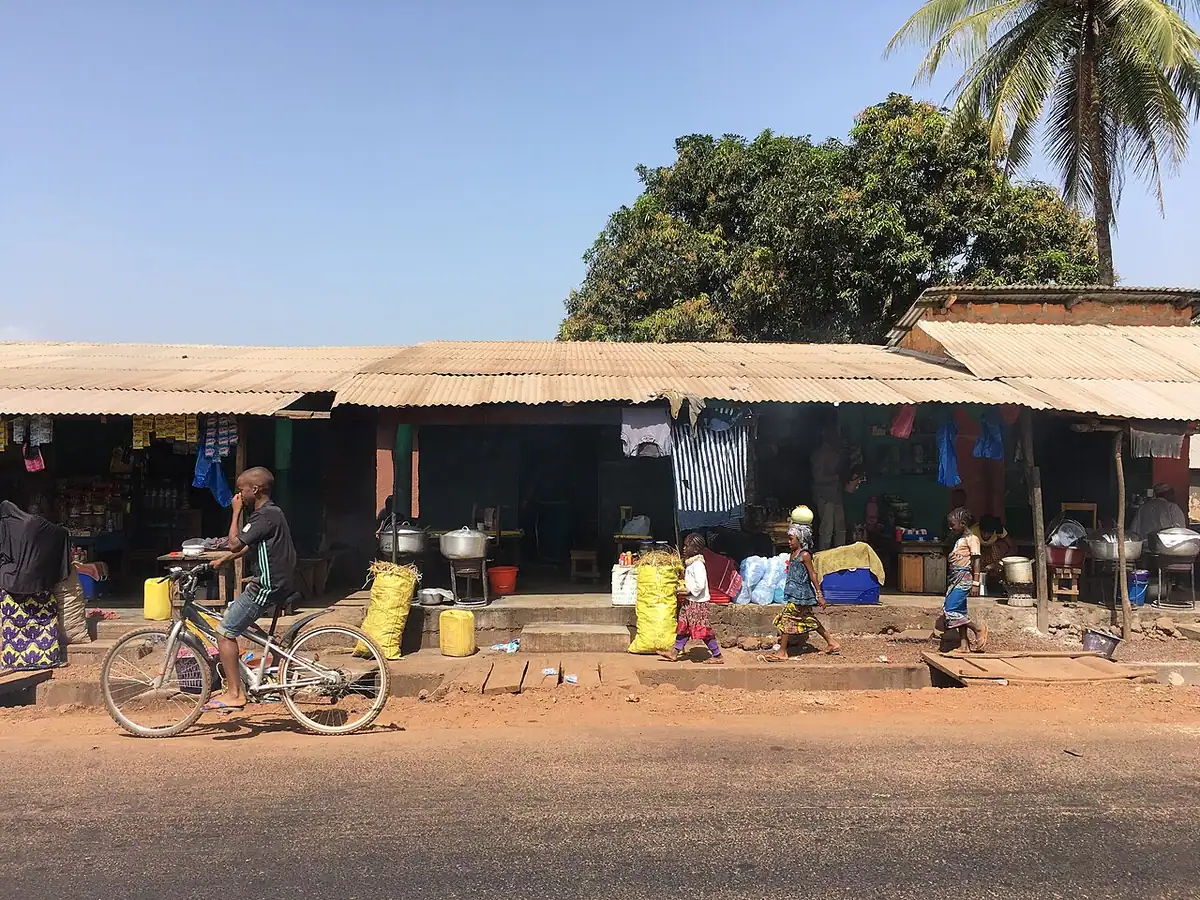
Kindia and the Bridal Veil Falls
Coyah, Kindia and Dubréka
- Price
- $$$
- Difficulty
- Moderate
- Best time:
- Nov–Mar
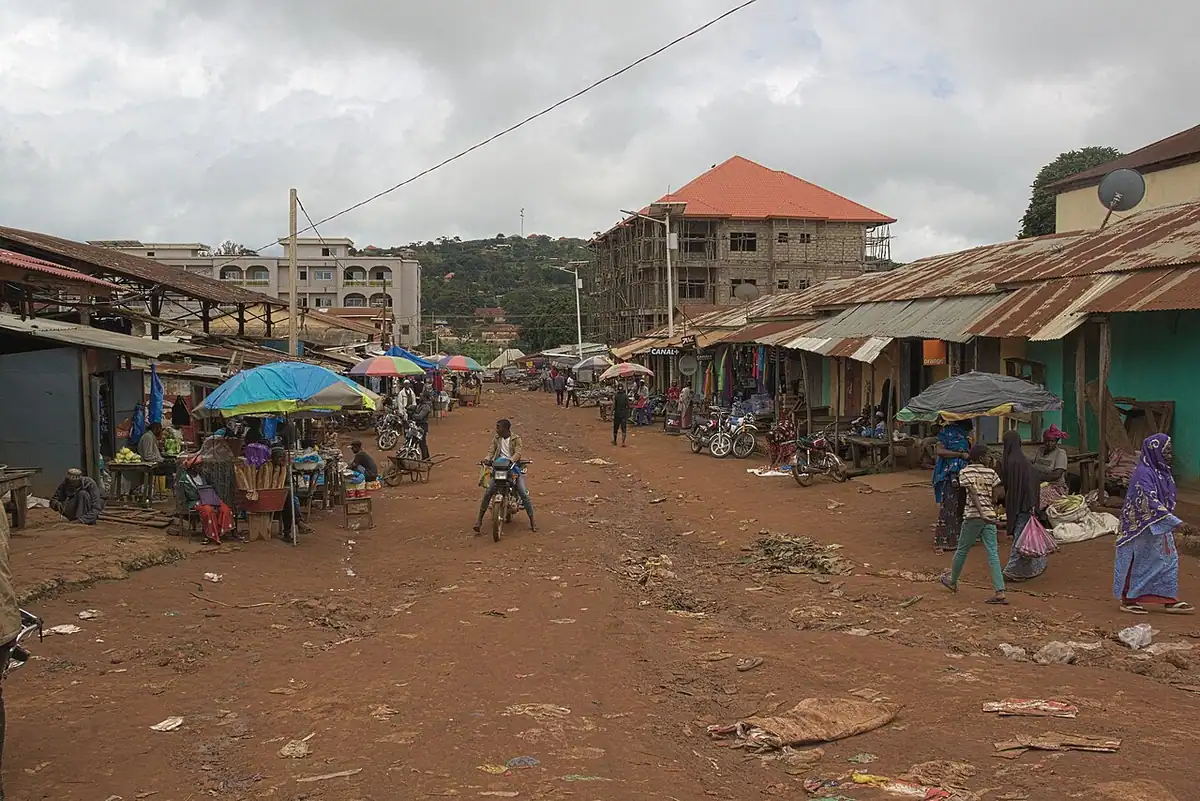 4 days
Guinea
Fouta Djallon highlands
Mamou, Dalaba, Pita and Labé
- Price
- $$$
- Difficulty
- Challenging
- Best time:
- Nov–Feb
Safety, health and entry
Before you go
What to know about entry, health and safety before you go, summarized from official guidance for U.S. passport holders. Rules change, so confirm on the sources linked below.
Visa for U.S. citizens
E-visa required, up to 90 days
Online visa or authorizationPassport
Valid at least 6 months after arrival
Vaccines
Yellow fever certificate required
State Department advisory
Exercise increased caution
Level 2Entry and visas
E-visa required, up to 90 days
A visa is required for stays up to 90 days. Apply for an e-visa online several days ahead, uploading your documents including a yellow fever certificate, then collect the visa at the border. Rules specific to U.S. passports could not be fully confirmed.
Have ready
- Valid at least 6 months after arrival
- Apply online several days before travel and bring the e-visa registration receipt to the border checkpoint.
- Choose the correct visa type, as travelers have been refused entry with the wrong one.
- Carry your yellow fever vaccination certificate. It is required on arrival at Conakry airport.
Health and vaccines
Yellow fever certificate required
Medical facilities are poor, with basic and sometimes unsterile equipment, and few pharmacies outside Conakry. Serious cases need evacuation to Europe, so carry evacuation insurance and a first aid kit.
Drinking water: Do not drink tap water. Use bottled, boiled or filtered water and avoid ice.
Required to enter
Recommended by the CDC
Health risks
- Malaria, dengue and chikungunya
- Occasional Ebola outbreaks
- Cholera and meningitis in the dry season
- Rabies from dogs
Safety
Level 2: Exercise increased caution
Exercise increased caution
The U.S. State Department rates Guinea Level 2 because of crime, unrest and inadequate health infrastructure. Protests can start with little warning and sometimes turn deadly. Tension between the government and opposition continues.
Avoid
- Demonstrations, especially near military installations, and border areas during elections or other tense events.
Watch for
- Demonstrations and road blockades, especially in Conakry. Move away if crowds form.
- Armed robbery and vehicle crime, including criminals posing as police or military.
- Avoid road travel at night and be cautious at checkpoints.
- Border areas are often tense, with a heavier military presence.
Local laws and customs
- Photographing military sites, government buildings and airports is prohibited.
- Carry a copy of your passport and visa, as police ID checks are common.
- Drug offenses carry severe penalties, and dress and conduct should be modest.
Emergency numbers
- Emergency
- No national number
Sources: U.S. State Department travel advisories · U.S. CDC travel health notices · UK government travel advice. Summarized in November 2026. Advisory levels and entry rules change, so confirm on the sources before you book.
Other governments: Canada, Spain (in Spanish), World Health Organization.
This is general information, not medical, legal or security advice.
Keep exploring
More in Africa
Your trip, your way.
Start from a guide or a blank page. Free on the web, with iPhone and Android apps coming soon.