
Africa
Ghana
Kente cloth, highlife music and jollof debates
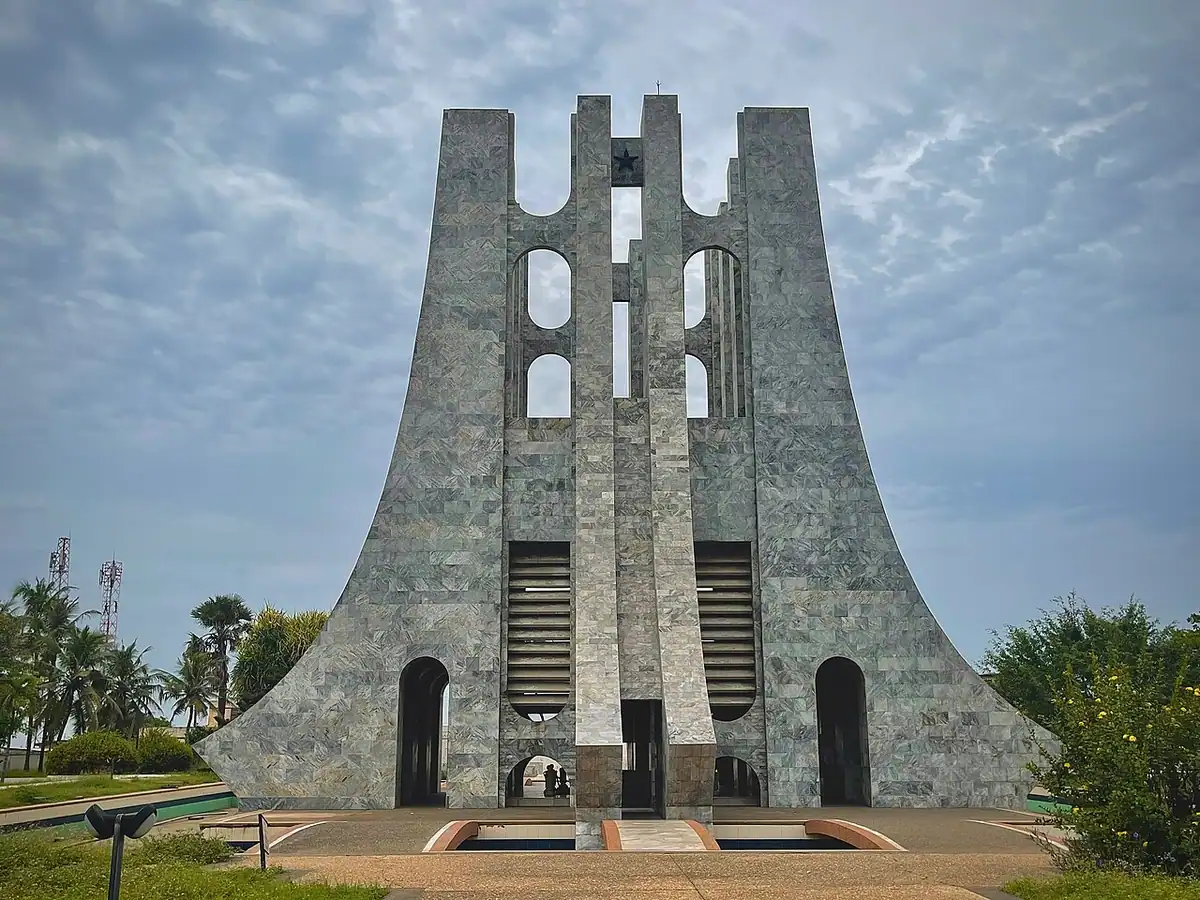
Photo: WillCole29, CC BY-SA 4.0 · via Wikimedia Commons
Capital
Accra
Languages
English, Twi, Ga, Ewe and others
Currency
Ghanaian cedi (GHS)
Plugs and power
Types D, G · 230 V
Drives on the
Right
Time zone
UTC+0, no daylight saving
The short version
What to expect in Ghana
Ghana is a friendly West African country with beaches on the Gulf of Guinea, rainforest in the interior and lively markets in Accra. Visitors tour the historic coastal forts, see Kumasi's Ashanti heritage and walk the canopy bridges at Kakum National Park. Music, festivals and street food fill the calendar.
- Cape Coast Castle
- Kente cloth
- Kakum canopy walk
- Highlife and afrobeats
Did you know?
Ghana became independent from Britain in 1957, led by Kwame Nkrumah.
Food and drink
What to eat in Ghana
- 01
Jollof rice
Spiced tomato rice, served at parties and a source of friendly rivalry.
- 02
Waakye
Rice and beans cooked together, served with stew, egg and plantain.
- 03
Banku with tilapia
Fermented corn and cassava dough with grilled fish and pepper sauce.
Language
Say it like a local
Twi
Akwaaba
Welcome
Medaase
Thank you
Ete sen?
How are you?
Money and manners: Greet people and shake or give things with your right hand. Agree on the fare before getting in a taxi.
Timing
When to go
The taller the bar, the more of our Ghana trips are at their best that month.
Best months: Nov–Mar
Guides
Trip guides for Ghana
 5 days
Ghana
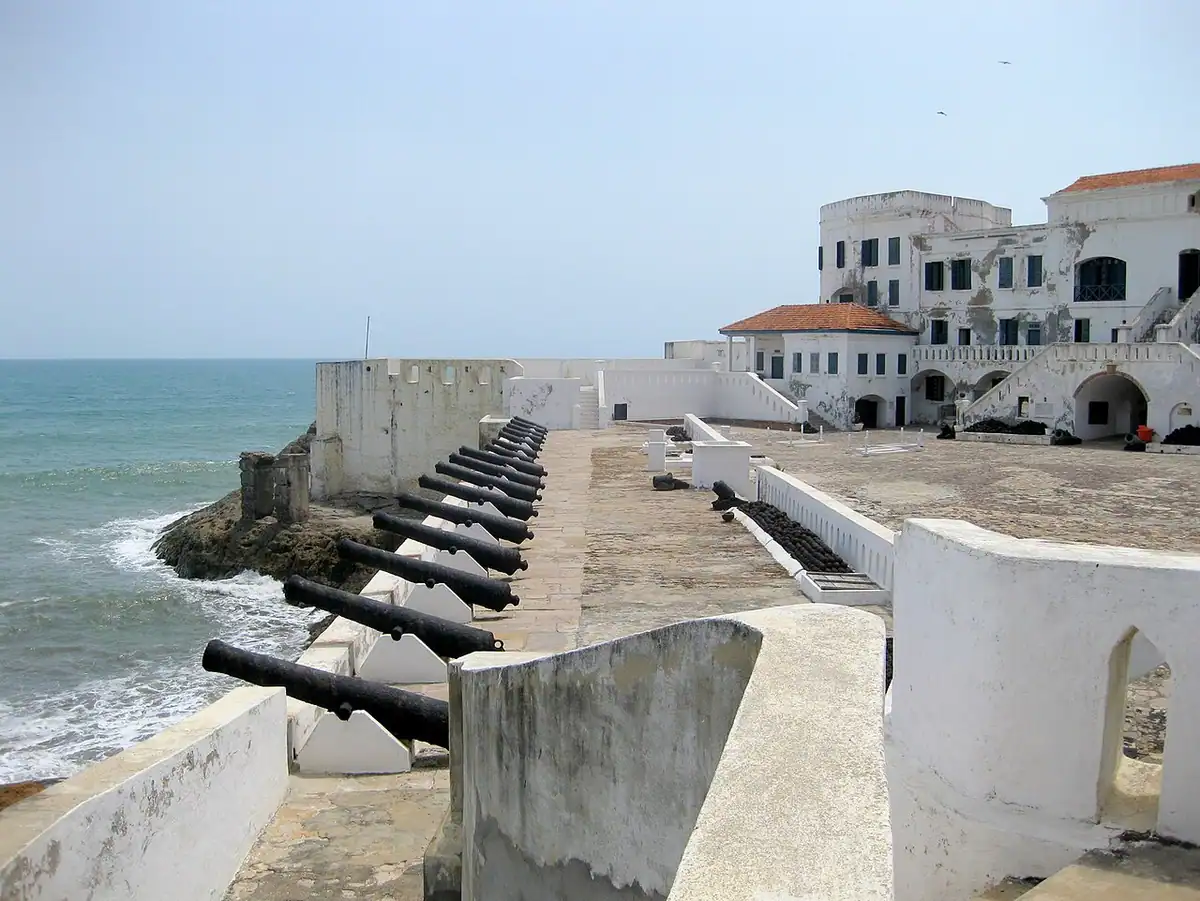
Ghana: Accra and Cape Coast
Accra, Cape Coast and Elmina
- Price
- $$$
- Difficulty
- Moderate
- Best time:
- Nov–Mar
 4 days
Ghana
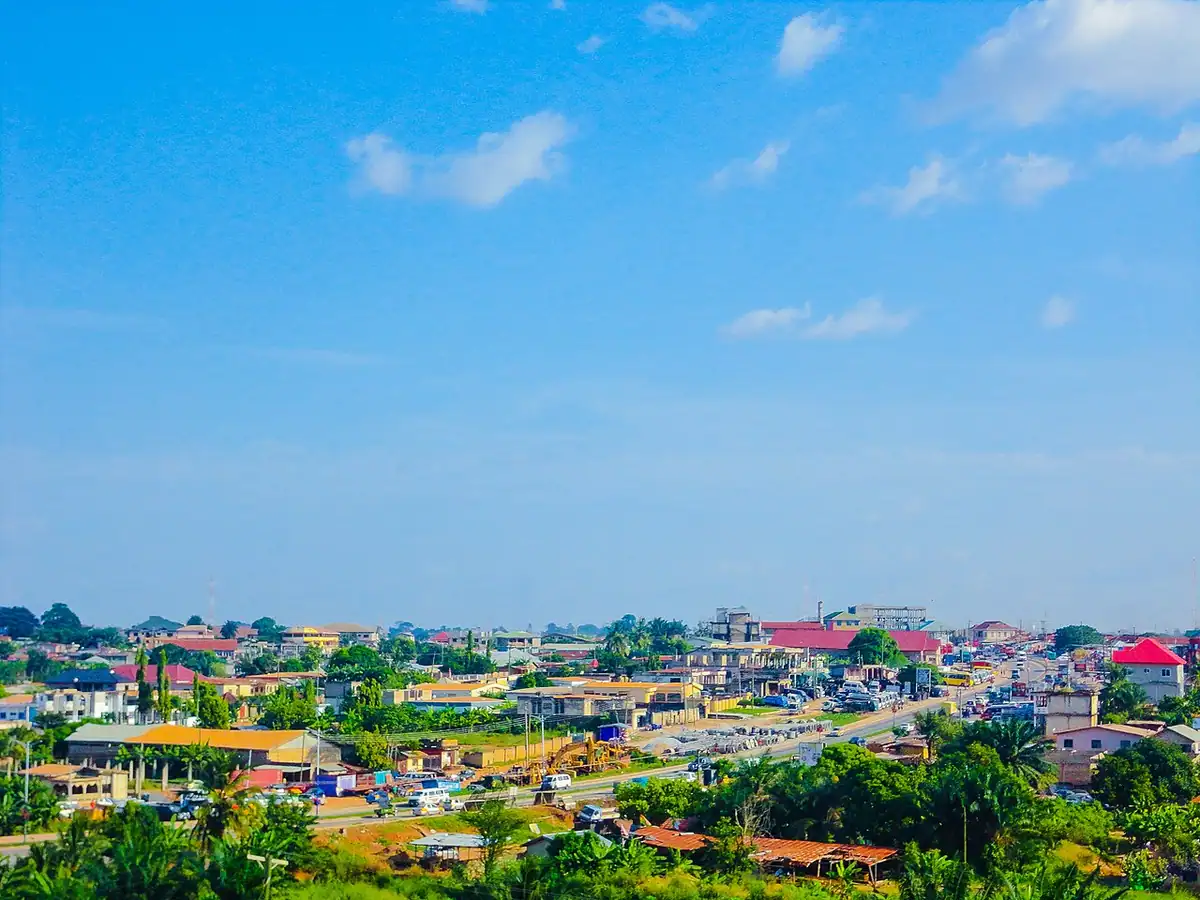
Kumasi and the Ashanti heartland
Kumasi, Bonwire and Lake Bosumtwi
- Price
- $$$
- Difficulty
- Easy
- Best time:
- Nov–Mar
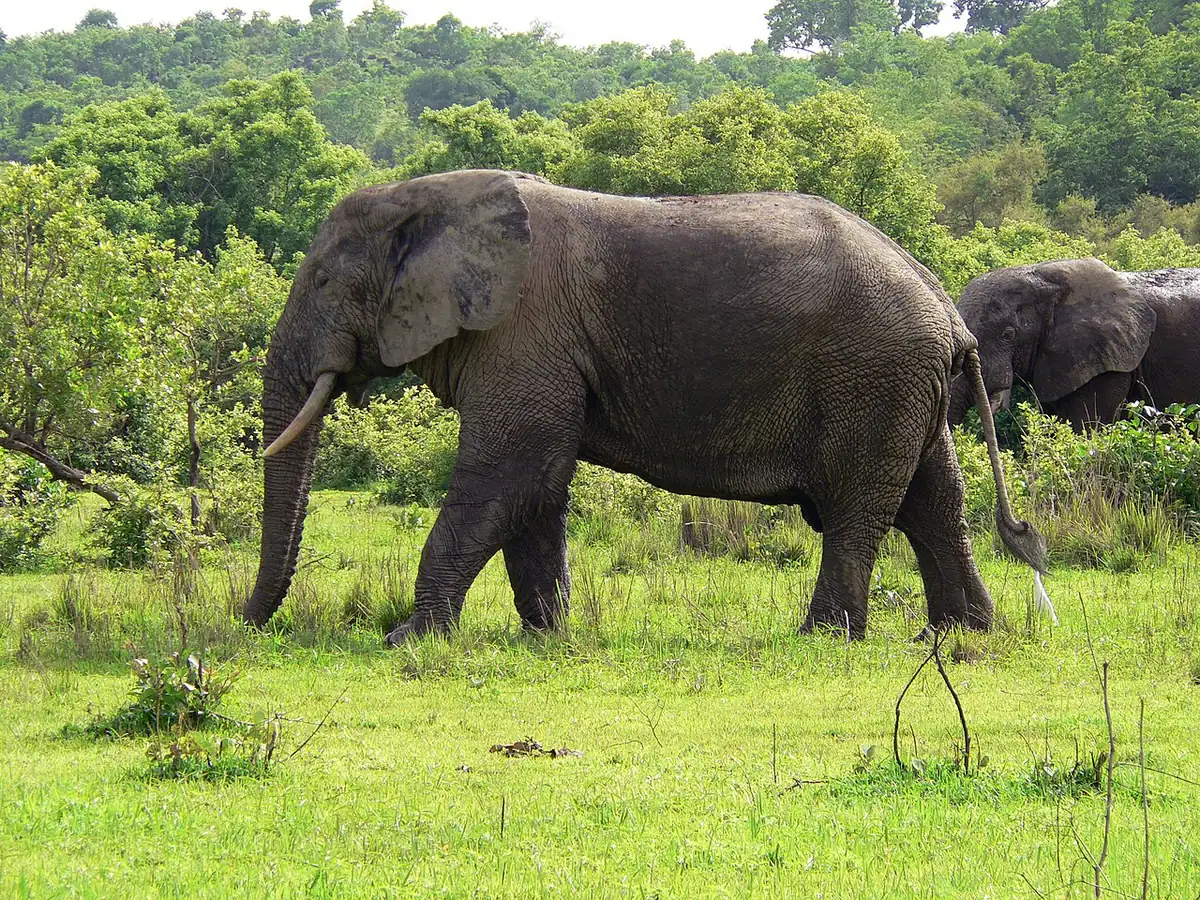 3 days
Ghana
Mole National Park and the savanna north
Tamale, Larabanga and Mole National Park
- Price
- $$$
- Difficulty
- Moderate
- Best time:
- Dec–Mar
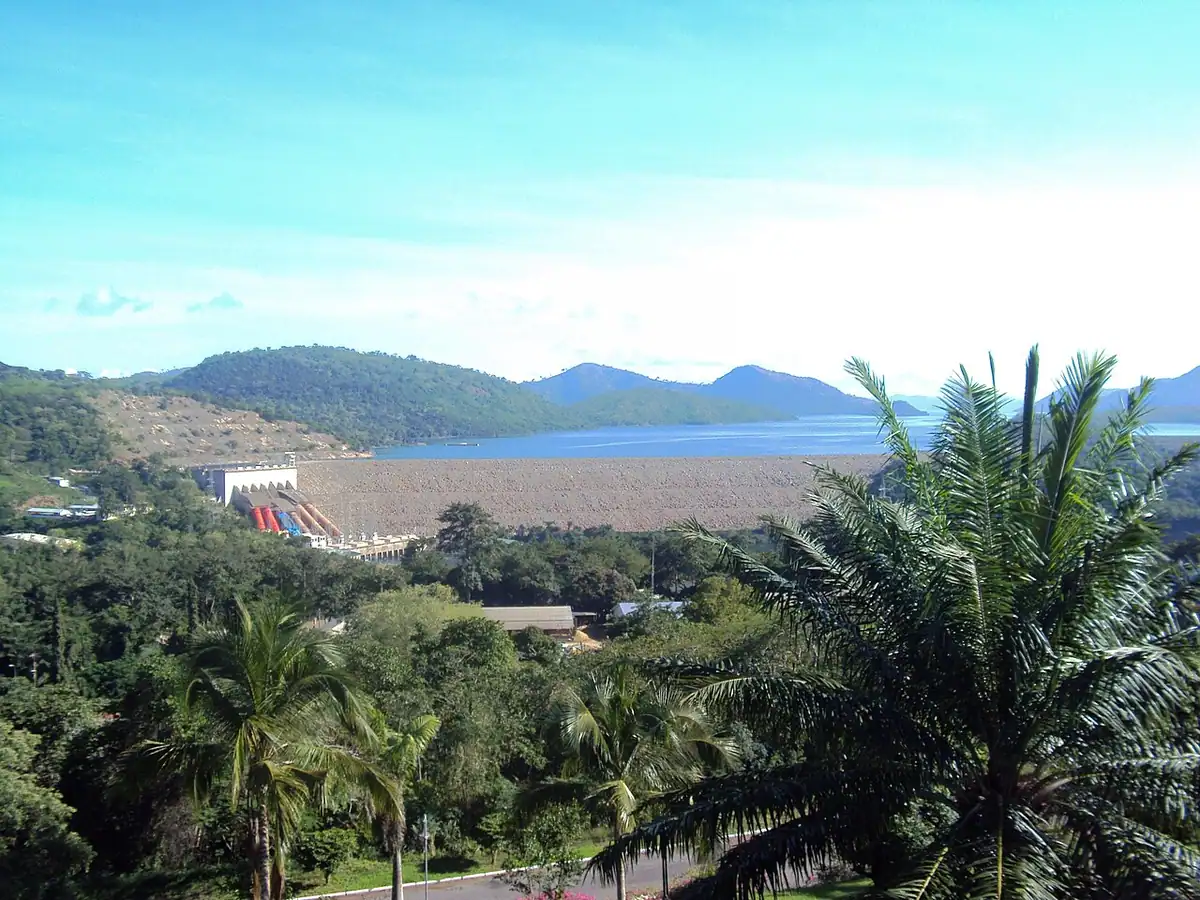 4 days
Ghana
Volta Region: waterfalls and hills
Akosombo, Ho and Wli Waterfalls
- Price
- $$$
- Difficulty
- Moderate
- Best time:
- Nov–Mar
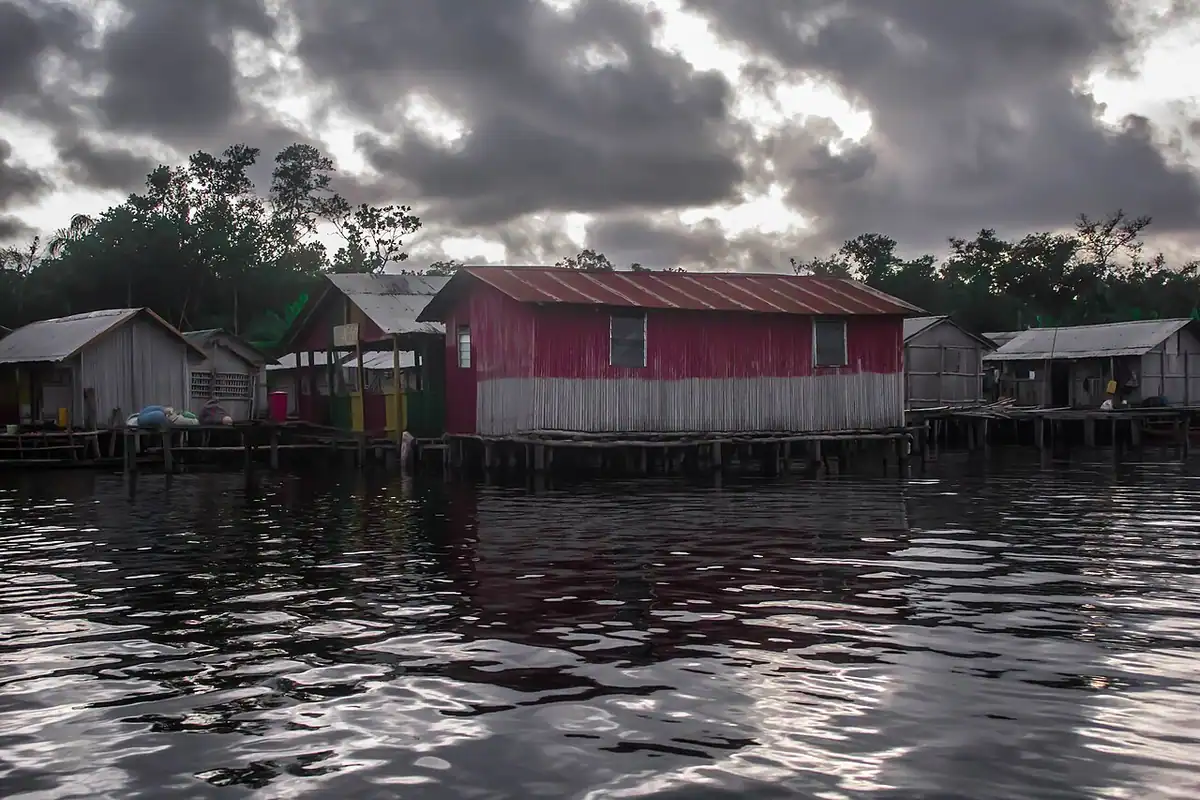 5 daysGood with kids
Ghana
Western Ghana coast: beaches and forts
Takoradi, Busua, Dixcove and Axim
- Price
- $$$
- Difficulty
- Easy
- Best time:
- Nov–Mar
Safety, health and entry
Before you go
What to know about entry, health and safety before you go, summarized from official guidance for U.S. passport holders. Rules change, so confirm on the sources linked below.
Visa for U.S. citizens
Visa required in advance
Visa in advancePassport
Valid at least 6 months beyond arrival
Vaccines
Yellow fever certificate required
State Department advisory
Exercise increased caution
Level 2Entry and visas
Visa required in advance
U.S. citizens need a visa to visit Ghana, and it must be obtained before you travel through a Ghanaian embassy or consulate. Proof of yellow fever vaccination is required to enter.
Have ready
- Valid at least 6 months beyond arrival
- Apply through a Ghanaian embassy or consulate before you fly.
- Bring your yellow fever vaccination certificate and show it on arrival.
Health and vaccines
Yellow fever certificate required
Medical facilities are poor outside towns, and serious cases need evacuation. Carry insurance that covers medical evacuation.
Drinking water: Drink only bottled or treated water.
Required to enter
Recommended by the CDC
Health risks
- Malaria year-round
- Dengue and chikungunya from mosquitoes
- Cholera reported in several regions including Greater Accra
- Rabies, common in dogs
Safety
Level 2: Exercise increased caution
Increased caution, north Level 3
The U.S. State Department rates Ghana Level 2: exercise increased caution, with Level 3: reconsider travel for the northern border areas of the Upper East, Northeast and Upper West regions. Carjacking, mugging and armed assault occur, and scams are frequent.
Avoid
- Northern border areas of the Upper East, Northeast and Upper West regions (Level 3: reconsider travel)
Watch for
- Carjacking, mugging and armed assault, often at night or in remote areas
- Frequent scams, including online and in-person fraud
- Poor roads. Avoid driving at night.
Local laws and customs
- Same-sex relations are illegal and LGBT+ travelers may face harassment.
- Do not photograph government buildings, military sites or airports.
- Illegal drugs are banned and penalties can be severe.
Emergency numbers
- Emergency
- 112
- Police
- 191
- Ambulance
- 193
- Fire
- 192
Sources: U.S. State Department travel advisories · U.S. CDC travel health notices · UK government travel advice. Summarized in November 2026. Advisory levels and entry rules change, so confirm on the sources before you book.
Other governments: Canada, Spain (in Spanish), World Health Organization.
This is general information, not medical, legal or security advice.
Keep exploring
More in Africa

Your trip, your way.
Start from a guide or a blank page. Free on the web, with iPhone and Android apps coming soon.