
Africa
Ethiopia
Rock churches, highland peaks, and the birthplace of coffee
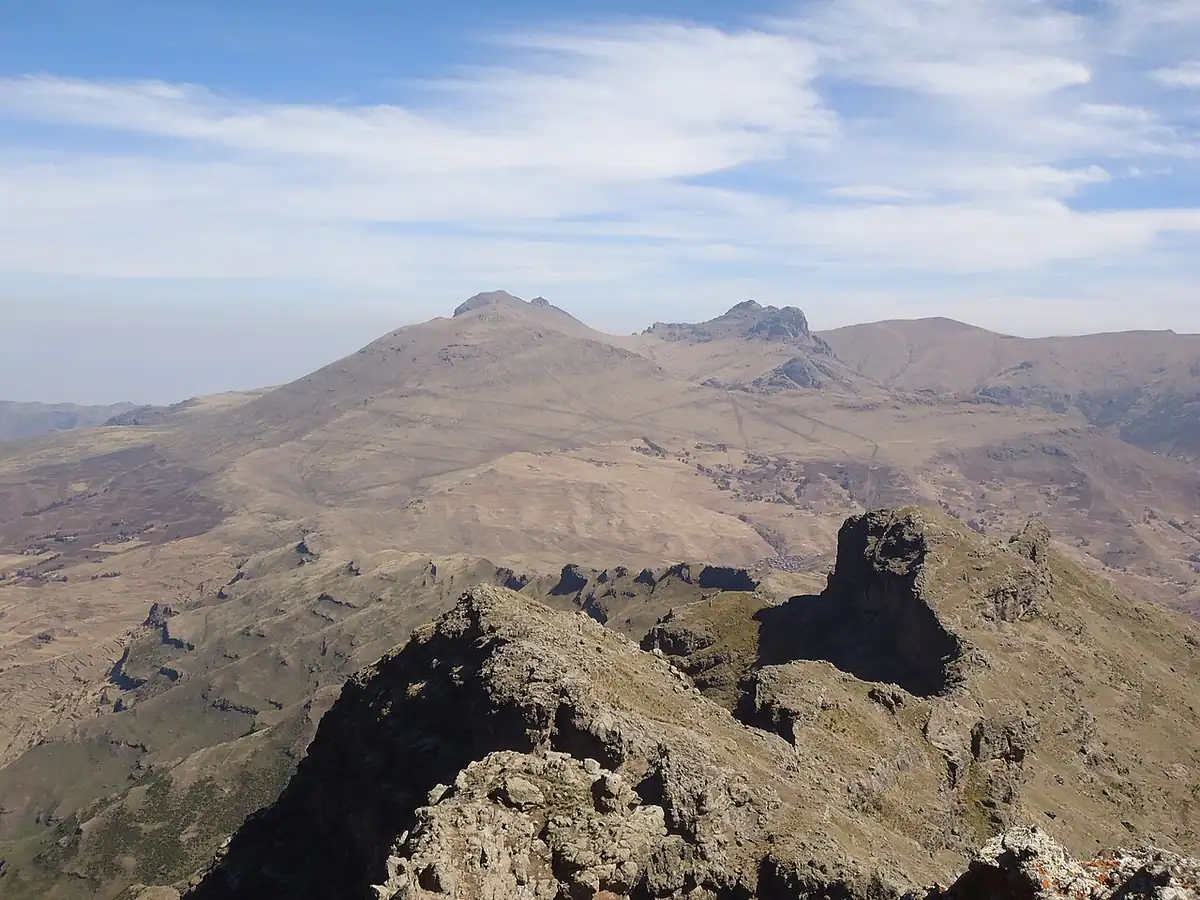
Photo: Florian Fell, CC BY-SA 3.0 · via Wikimedia Commons
Capital
Addis Ababa
Languages
Amharic, Oromo, Tigrinya, English
Currency
Ethiopian birr (ETB)
Plugs and power
Types C, E, F, L · 220 V
Drives on the
Right
Time zone
UTC+3, no daylight saving
The short version
What to expect in Ethiopia
Ethiopia is a highland country with an ancient Christian tradition, a long written history, and more than eighty languages. Visitors come for the rock-hewn churches of Lalibela, the castles of Gondar, the Simien Mountains, and the volcanic Danakil Depression. Coffee ceremonies are part of daily life. Some regions face conflict or unrest, so check official travel advice before choosing a route.
- Lalibela's rock churches
- Simien Mountains
- Coffee ceremonies
- Danakil Depression
Did you know?
Ethiopia uses its own calendar, with thirteen months and a year count several years behind the Gregorian calendar.
Food and drink
What to eat in Ethiopia
- 01
Injera with wat
Sour flatbread topped with spicy stews, eaten by hand.
- 02
Kitfo
Minced beef seasoned with spiced butter and chili, raw or lightly cooked.
- 03
Buna
Freshly roasted coffee, served in small cups during a ceremony.
Language
Say it like a local
Amharic
ሰላም (Selam)
Hello
አመሰግናለሁ (Ameseginalehu)
Thank you
ቡና (Buna)
Coffee
Money and manners: Take off your shoes before entering churches, dress modestly, and accept at least one cup of coffee if invited to a ceremony, as it is a gesture of respect.
Timing
When to go
The taller the bar, the more of our Ethiopia trips are at their best that month.
Best months: Oct–Feb
Guides
Trip guides for Ethiopia
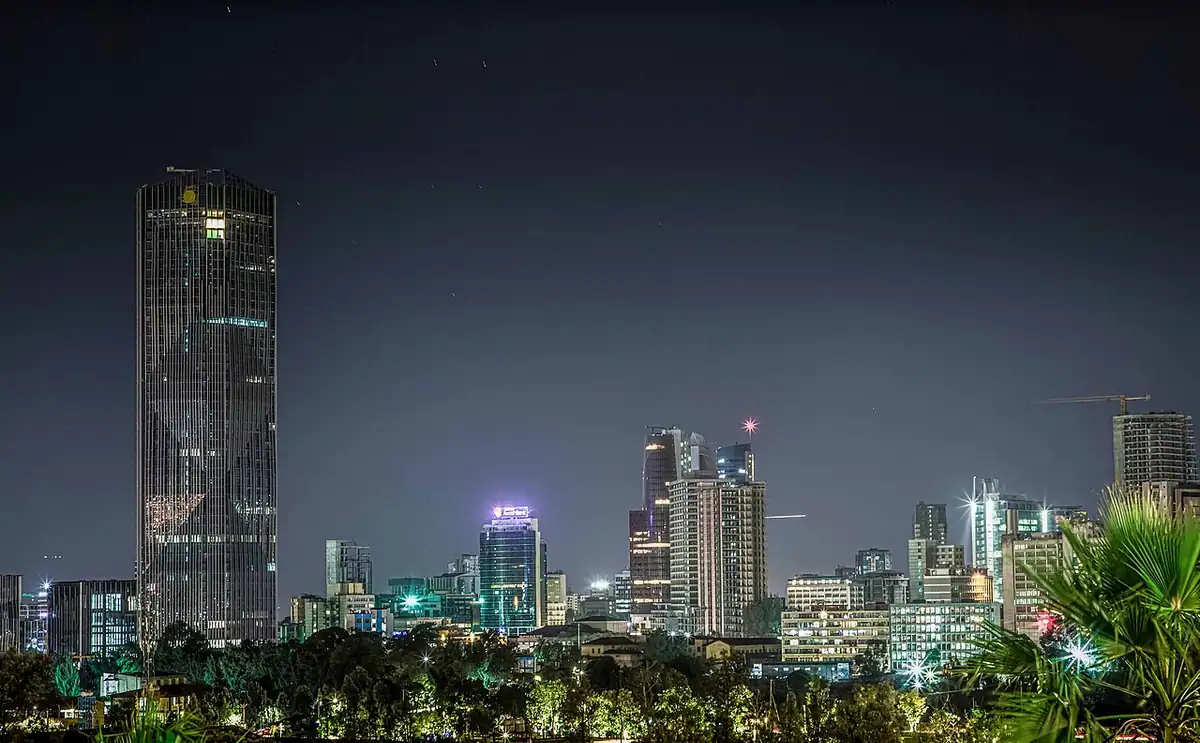 4 days
Ethiopia
Addis Ababa and the Rift Valley lakes
Addis Ababa, Bishoftu, Ziway and Hawassa
- Price
- $$$
- Difficulty
- Moderate
- Best time:
- Oct–Feb
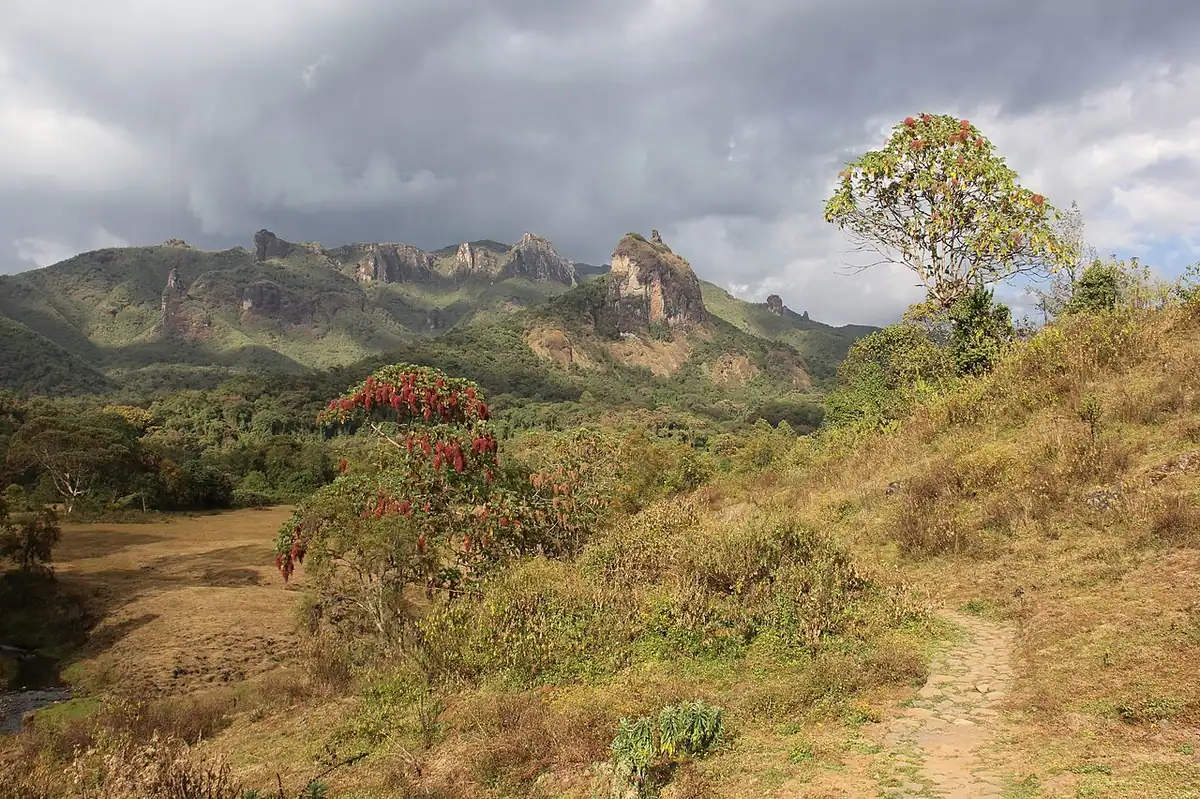 4 days
Ethiopia
Bale Mountains and the Sanetti Plateau
Dinsho, Sanetti Plateau and Harenna Forest
- Price
- $$$
- Difficulty
- Challenging
- Best time:
- Nov–Mar
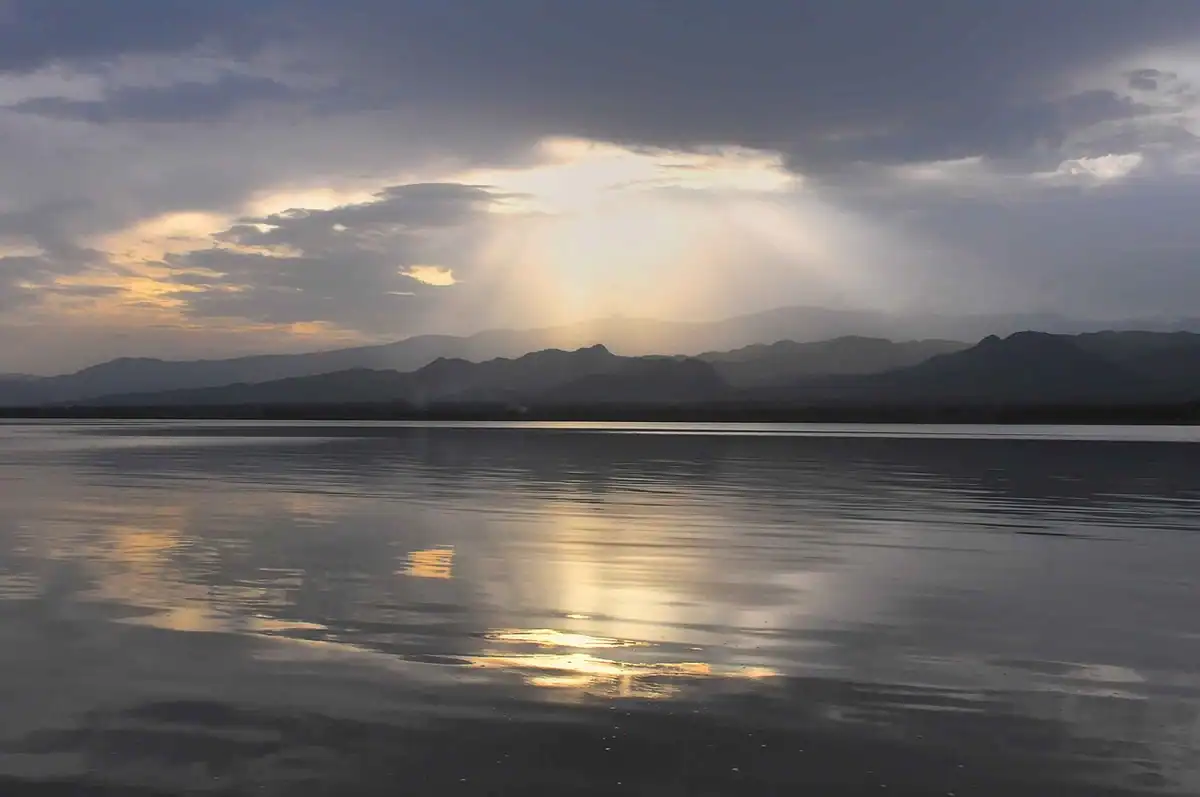 4 days
Ethiopia
Arba Minch, Nechisar and Konso
Arba Minch, Lake Chamo, Chencha and Konso
- Price
- $$$
- Difficulty
- Moderate
- Best time:
- Oct–Feb
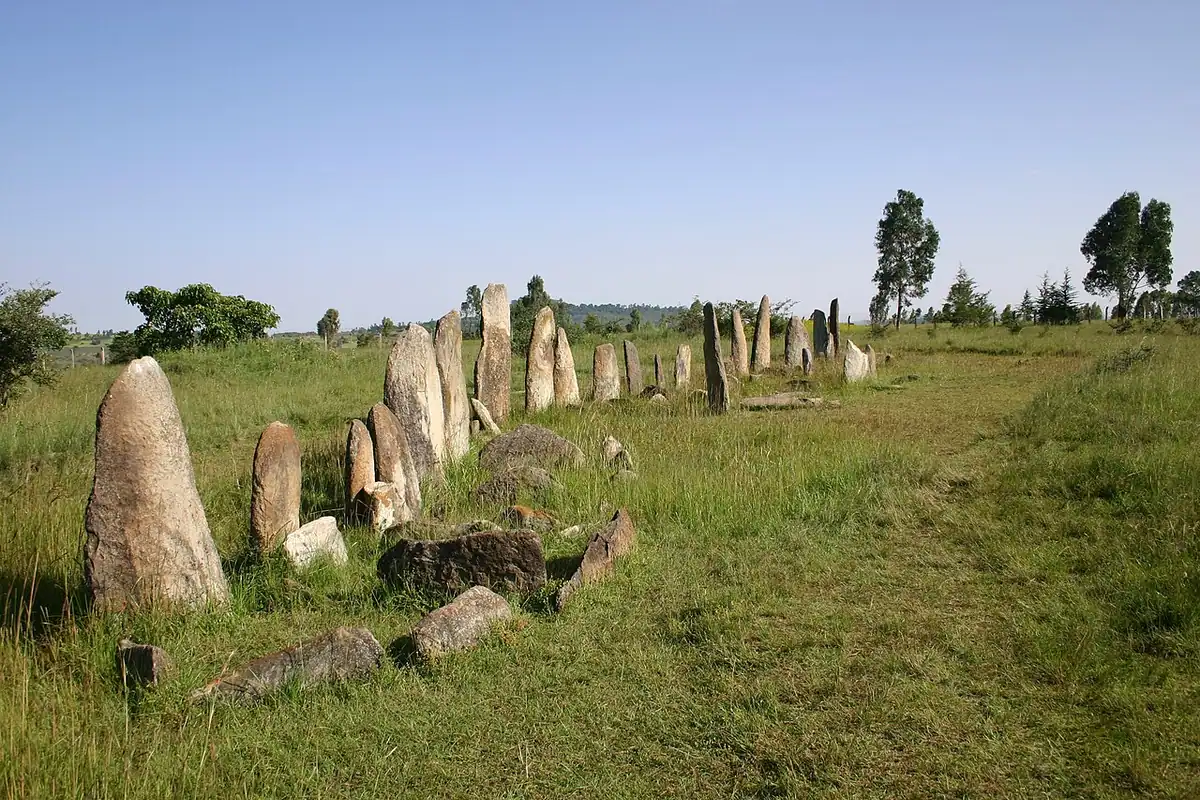 2 days
Ethiopia
Day trips south of Addis Ababa
Melka Kunture, Tiya and Adadi Mariam
- Price
- $$$
- Difficulty
- Easy
- Best time:
- Oct–Feb
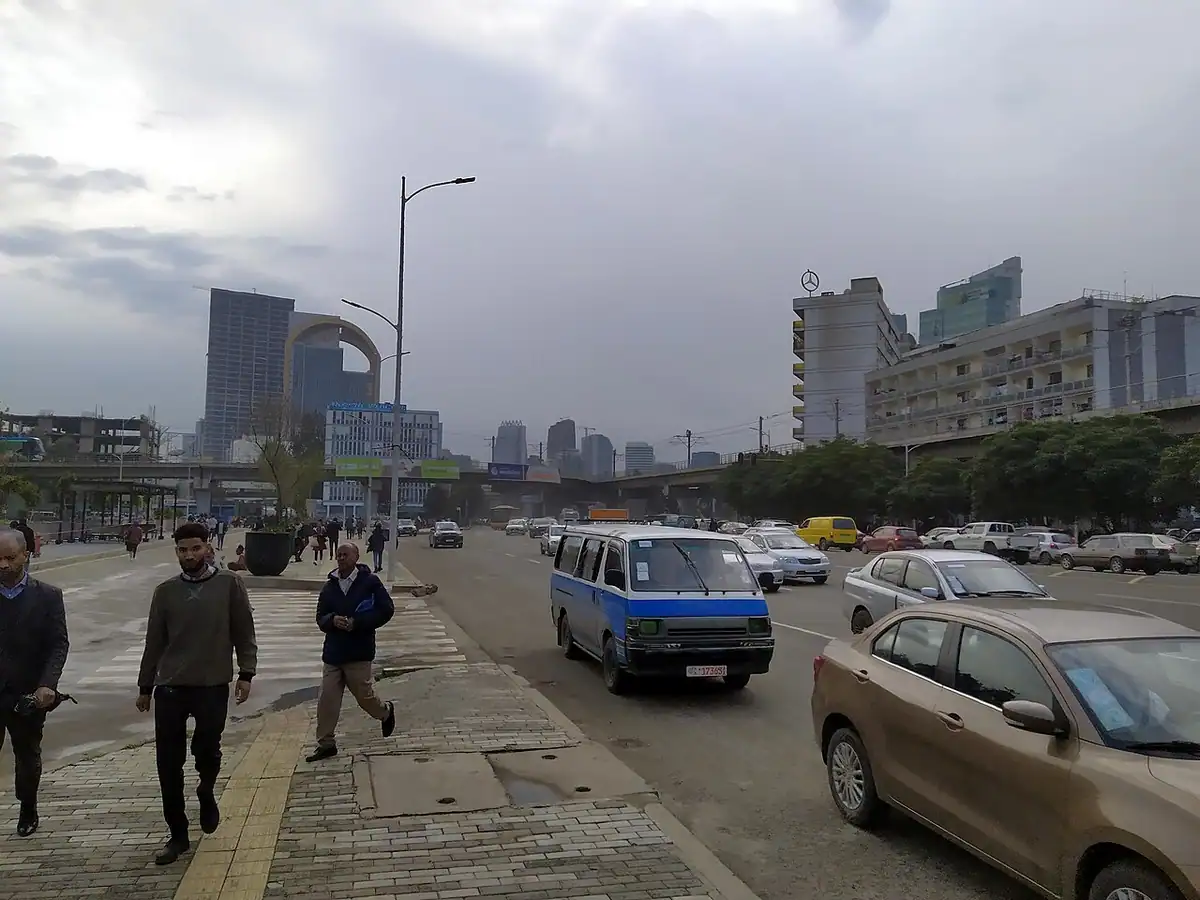 3 daysGood with kids
Ethiopia
Addis Ababa: parks, palaces and coffee
Addis Ababa
- Price
- $$$
- Difficulty
- Easy
- Best time:
- Oct–Feb
Safety, health and entry
Before you go
What to know about entry, health and safety before you go, summarized from official guidance for U.S. passport holders. Rules change, so confirm on the sources linked below.
Visa for U.S. citizens
E-visa, 30-day tourist stay
Online visa or authorizationPassport
Machine-readable, valid 6 months after arrival
Vaccines
Yellow fever vaccine recommended
State Department advisory
Reconsider travel
Level 3Entry and visas
E-visa, 30-day tourist stay
Visitors need a visa, and applying on the official Ethiopian e-visa platform before you fly is recommended. A tourist e-visa is valid for a 30-day single entry. Rules specific to U.S. citizens could not be fully confirmed.
Have ready
- Machine-readable, valid 6 months after arrival
- Apply online with a color scan of your passport and a passport-sized photo.
- A tourist visa does not allow work, including volunteering. Violations can bring fines or jail.
- Extensions of 30 or 90 days are possible in person in Addis Ababa. Overstaying is penalized.
Health and vaccines
Yellow fever vaccine recommended
Good care is mostly limited to Addis Ababa, and facilities elsewhere are basic. Carry travel insurance with medical evacuation, and enough of your regular medication.
Drinking water: Drink only bottled or boiled water, avoid ice, and do not swim in lakes where bilharzia is present.
Required to enter
No vaccines are required for U.S. travelers arriving directly.
Recommended by the CDC
Health risks
- Cholera, widespread in the south
- Altitude sickness, including in Addis Ababa
- Malaria and dengue in lower areas
- Poliovirus and mpox
Safety
Level 3: Reconsider travel
Reconsider travel (Level 3)
The U.S. State Department advises U.S. citizens to reconsider travel to Ethiopia because of unrest, crime, kidnapping, terrorism, landmines and communications disruptions. Addis Ababa is relatively stable, but violent conflict occurs elsewhere and the situation can worsen suddenly.
Avoid
- Tigray, Amhara, Gambella, Benishangul-Gumuz and parts of Afar and Oromia, plus areas near the borders with Eritrea, Sudan, South Sudan, Somalia and Kenya. The State Department lists these as Level 4.
Watch for
- Terrorism and kidnapping risk, with large crowds common on religious and national holidays.
- Petty theft and bag snatching in Addis Ababa, especially around Meskel Square and markets.
- Internet and phone service can be cut during unrest.
- Roads outside cities can be dangerous, with banditry and checkpoints. Avoid driving at night.
Local laws and customs
- Drug offenses carry heavy penalties, including long prison terms.
- Photographing military sites, government buildings and officials is not allowed.
- Dress modestly at religious sites, and carry a copy of your passport and visa.
Emergency numbers
- Emergency
- 991
- Police
- 991
- Ambulance
- 907
Sources: U.S. State Department travel advisories · U.S. CDC travel health notices · UK government travel advice. Summarized in November 2026. Advisory levels and entry rules change, so confirm on the sources before you book.
Other governments: Canada, Spain (in Spanish), World Health Organization.
This is general information, not medical, legal or security advice.
Keep exploring
More in Africa





Your trip, your way.
Start from a guide or a blank page. Free on the web, with iPhone and Android apps coming soon.