
Africa
Equatorial Guinea
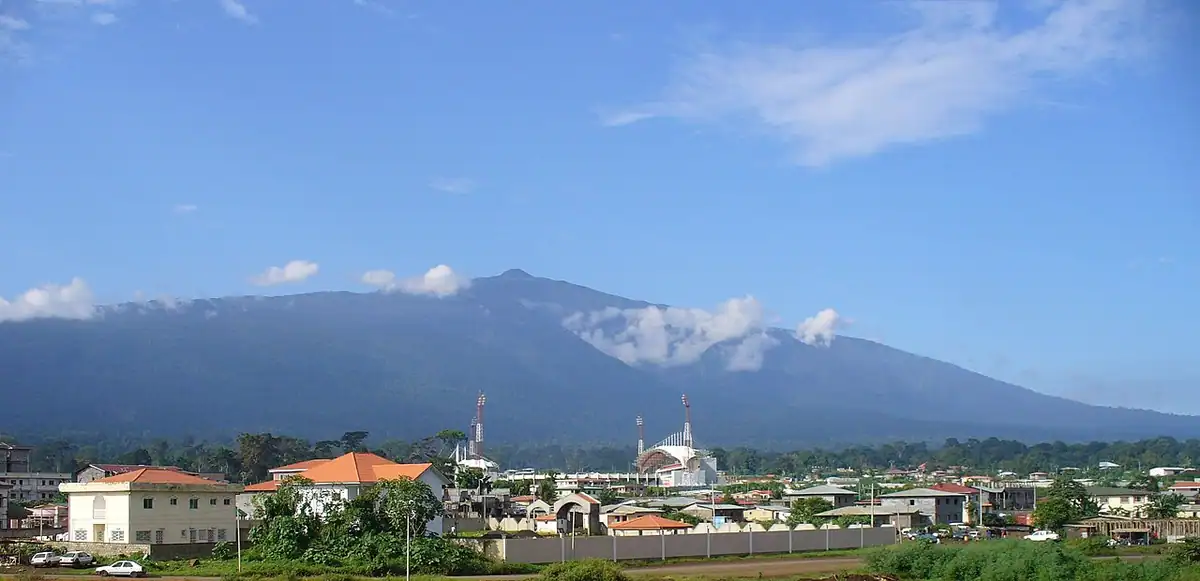
Spanish-speaking Africa on volcanic islands and rainforest
Photo: Jmhi, CC BY-SA 4.0 · via Wikimedia Commons
Capital
Malabo
Languages
Spanish, French, Portuguese, Fang
Currency
Central African CFA franc (XAF)
Plugs and power
Types C, E · 220 V
Drives on the
Right
Time zone
UTC+1, no daylight saving
The short version
What to expect in Equatorial Guinea
Equatorial Guinea is a small country in Central Africa and the only sub-Saharan country where Spanish is an official language. It has a mainland region, Río Muni, covered in rainforest, and islands including Bioko, where the capital Malabo stands under volcanic peaks, and Annobón. Colonial architecture, forest reserves, and beaches are the main draws for the few visitors who come.
- Spanish as official language
- Bioko Island volcanoes
- Monte Alén rainforest
- Turtle nesting beaches
Did you know?
Equatorial Guinea is the only country in sub-Saharan Africa with Spanish as an official language, alongside French and Portuguese.
Food and drink
What to eat in Equatorial Guinea
- 01
Pepesup
Spicy fish or meat soup, a Bioko favorite.
- 02
Succotash
Stew of corn, beans, and meat or fish, with palm oil.
- 03
Fried plantains
Sliced and fried, served with fish, meat, or rice.
Language
Say it like a local
Spanish
Hola
Hello
Gracias
Thank you
¿Cuánto cuesta?
How much is it?
Money and manners: Carry cash in CFA francs, since cards are rarely accepted, and ask before photographing officials, airports, or government buildings, which can cause problems.
Timing
When to go
The taller the bar, the more of our Equatorial Guinea trips are at their best that month.
Best months: Jul–Aug, Dec–Feb
Guides
Trip guides for Equatorial Guinea
 3 days
Equatorial Guinea
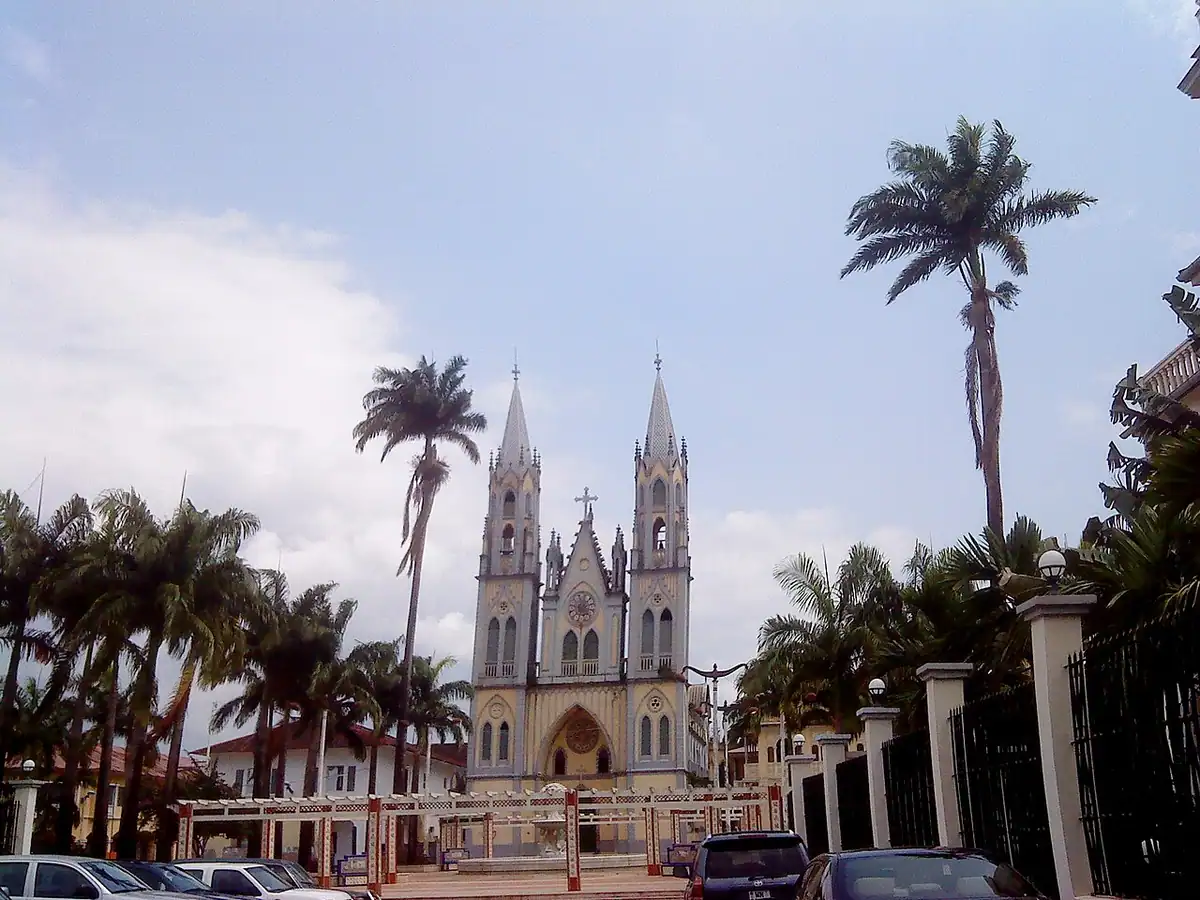
Malabo and Bioko Island
Malabo, Pico Basilé and Luba
- Price
- $$$
- Difficulty
- Moderate
- Best time:
- Dec–Feb
 2 days
Equatorial Guinea
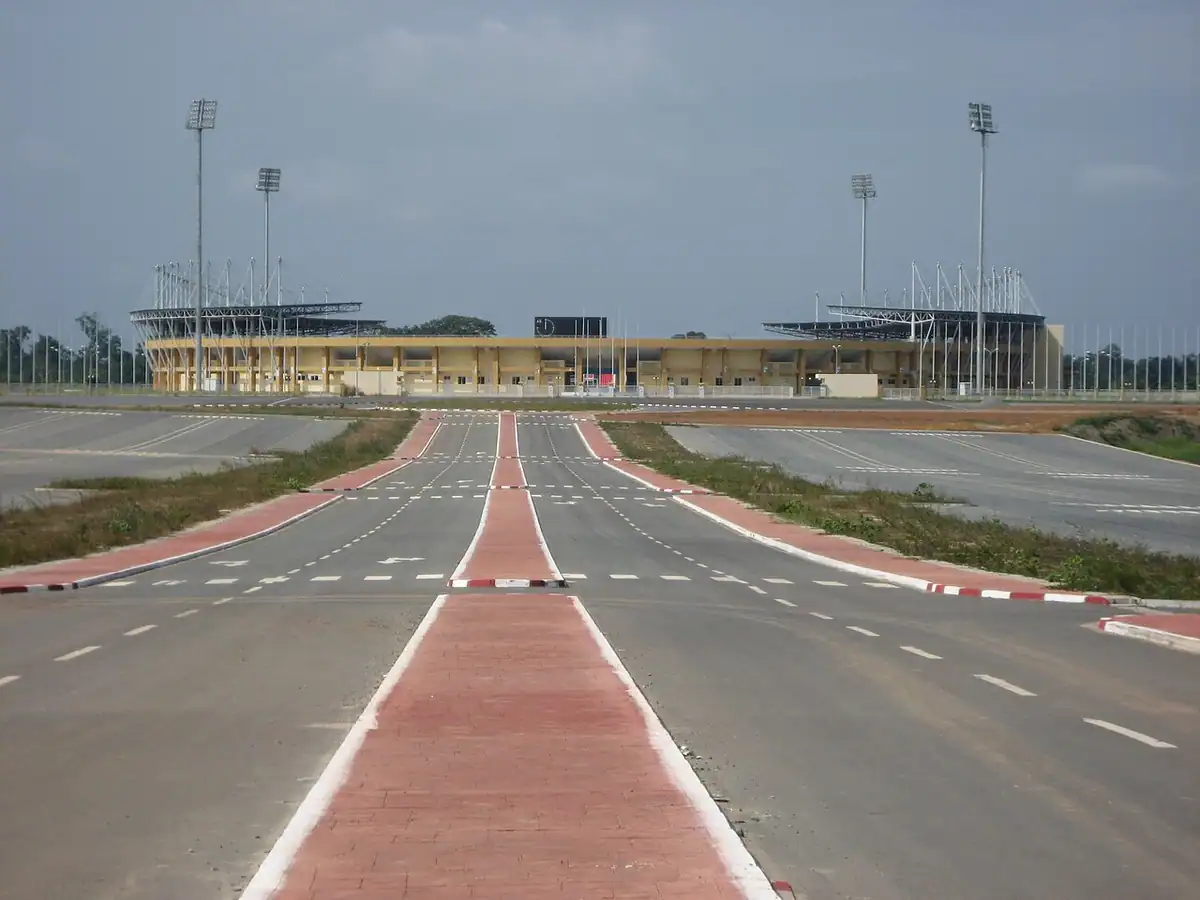
Bata and the Río Muni coast
Bata and Mbini
- Price
- $$$
- Difficulty
- Moderate
- Best time:
- Jul–Aug, Dec–Feb
 2 days
Equatorial Guinea
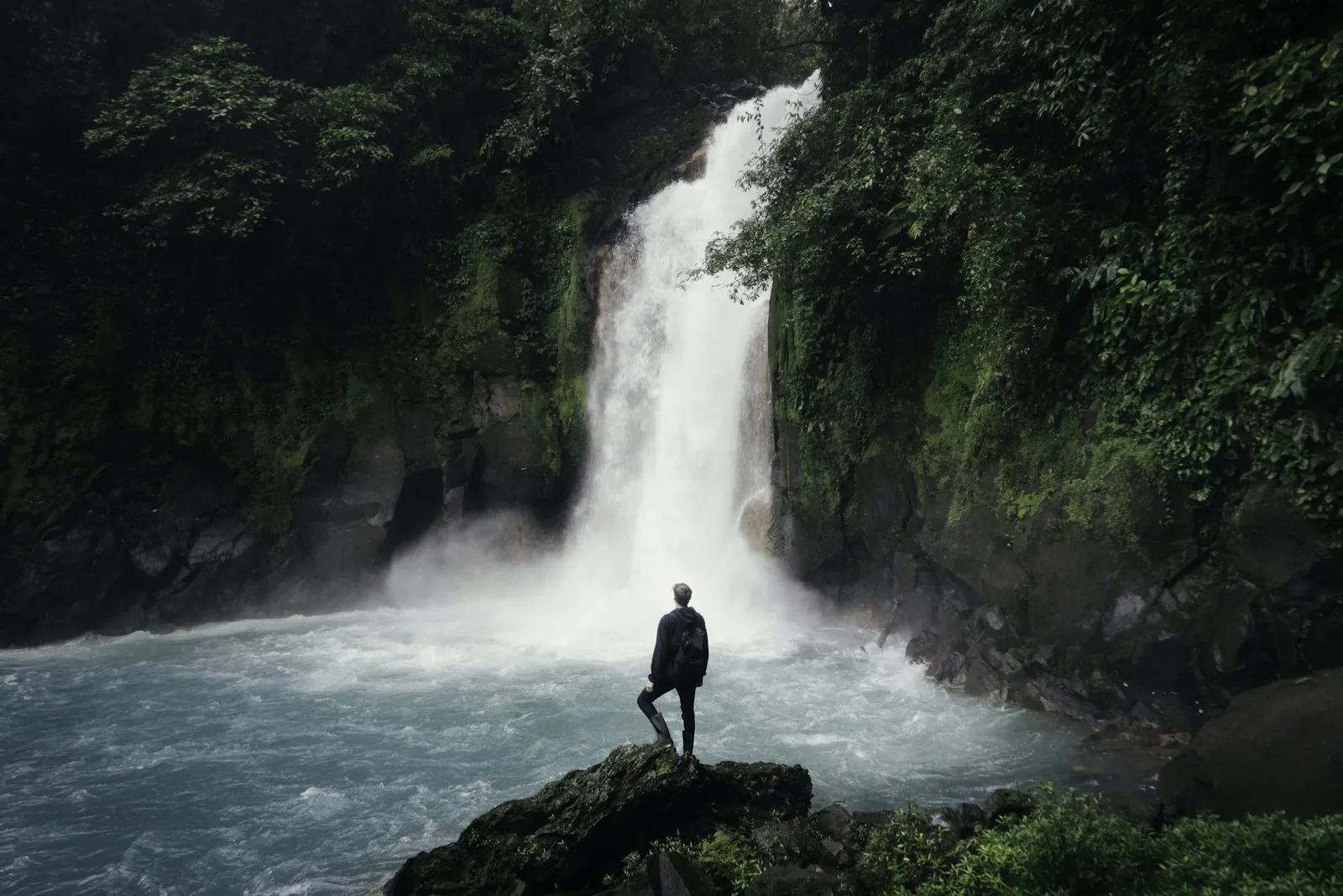
Monte Alén rainforest
Bata and Monte Alén National Park
- Price
- $$$
- Difficulty
- Challenging
- Best time:
- Jul–Aug, Dec–Feb
Safety, health and entry
Before you go
What to know about entry, health and safety before you go, summarized from official guidance for U.S. passport holders. Rules change, so confirm on the sources linked below.
Visa for U.S. citizens
E-visa required, 90 days
Online visa or authorizationPassport
Valid at least 6 months after arrival
Vaccines
Yellow fever vaccine recommended
State Department advisory
Exercise increased caution
Level 2Entry and visas
E-visa required, 90 days
A visa is required. You apply online, upload documents and print the e-visa letter, then border officials issue the visa on arrival. Short-term visas are valid for 90 days. Rules specific to U.S. passports could not be fully confirmed.
Have ready
- Valid at least 6 months after arrival
- Apply online and allow about 72 hours for processing. Print the e-visa letter and carry it.
- Make sure the border officer issues the visa and stamps your passport, as travelers have been delayed over unprocessed passports.
- Yellow fever vaccination is recommended, and a certificate is required if you arrive from a risk country.
Health and vaccines
Yellow fever vaccine recommended
Medical facilities are generally poor apart from La Paz hospital in Malabo, and emergency care is very limited. Evacuation to Europe is likely for serious cases, so carry evacuation insurance.
Drinking water: Use only boiled or bottled water and avoid ice in drinks.
Required to enter
No vaccines are required for U.S. travelers arriving directly.
Recommended by the CDC
Health risks
- Malaria and dengue
- Schistosomiasis in fresh water
- Zika virus
- Altitude sickness in parts of the country
Safety
Level 2: Exercise increased caution
Exercise increased caution
The U.S. State Department rates Equatorial Guinea Level 2 because of crime, health risks and arbitrary enforcement of laws. Street crime ranges from theft to armed robbery, and security forces respond quickly to political protests.
Avoid
- Photographing the presidential palace, government buildings, airports and security forces.
Watch for
- Mugging and armed robbery, especially after dark in Malabo and Bata.
- Robberies and assaults in taxis. Use pre-booked taxis or ones your hotel arranges.
- Avoid road travel after dark, and checkpoints may ask for documents or payments.
- Avoid political rallies and large public gatherings.
Local laws and customs
- Carry your passport and visa at all times, as police checks are frequent.
- Photography of official buildings and security sites can lead to detention.
- Commercial disputes can lead authorities to stop you from leaving the country.
Emergency numbers
- Emergency
- 3101
- Ambulance
- 3101
Sources: U.S. State Department travel advisories · U.S. CDC travel health notices · UK government travel advice. Summarized in November 2026. Advisory levels and entry rules change, so confirm on the sources before you book.
Other governments: Canada, Spain (in Spanish), World Health Organization.
This is general information, not medical, legal or security advice.
Keep exploring
More in Africa
Your trip, your way.
Start from a guide or a blank page. Free on the web, with iPhone and Android apps coming soon.