
Africa
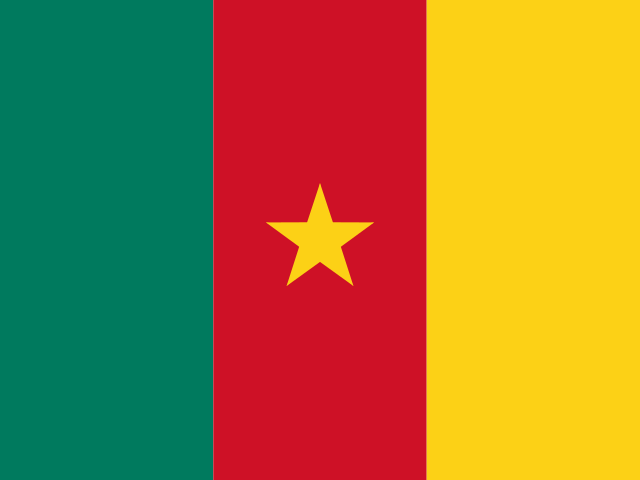
Cameroon
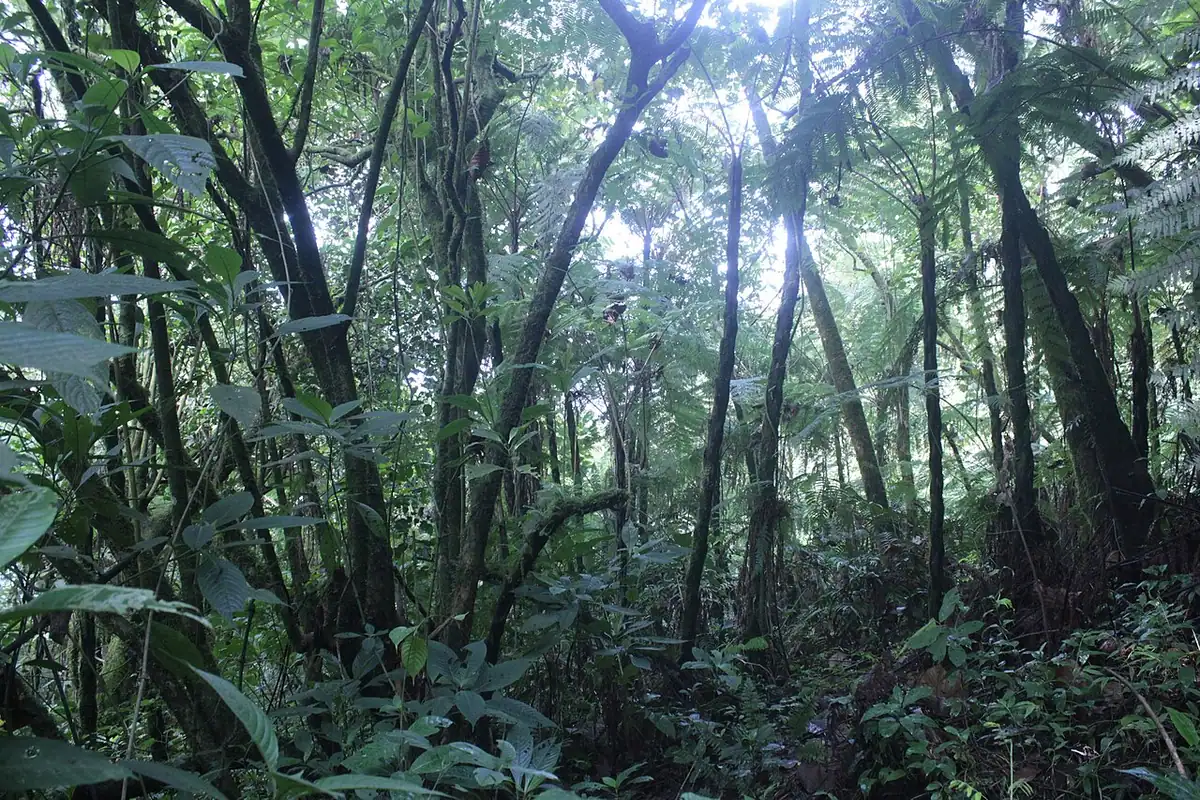
Volcano, rainforest, savanna, and makossa dance floors
Photo: Atabong Armstrong, CC BY-SA 4.0 · via Wikimedia Commons
Capital
Yaoundé
Languages
French, English, many local languages
Currency
Central African CFA franc (XAF)
Plugs and power
Types C, E · 220 V
Drives on the
Right
Time zone
UTC+1, no daylight saving
The short version
What to expect in Cameroon
Cameroon sits where West and Central Africa meet, with beaches and a volcano on the coast, rainforest in the south, highlands in the west, and savanna and Sahel in the north. French and English are both official, and hundreds of local languages are spoken. Parts of the country face armed conflict, so check current official advice region by region.
- Mount Cameroon volcano
- Makossa and bikutsi music
- Football passion
- Waza National Park
Did you know?
Mount Cameroon is an active volcano near the coast, and its most recent eruption was in 2012.
Food and drink
What to eat in Cameroon
- 01
Ndolé
Bitter leaves stewed with peanuts and meat or shrimp.
- 02
Poulet DG
Chicken fried with plantains, carrots, and peppers, a party dish.
- 03
Soya
Spiced grilled beef skewers sold at street stalls in the evening.
Language
Say it like a local
French
Bonjour
Hello
Merci
Thank you
Comment allez-vous ?
How are you?
Money and manners: Greet people before asking for anything, and expect handshakes. Cash is common, mobile money is widespread, and checkpoint ID checks are routine, so carry copies of your documents.
Timing
When to go
The taller the bar, the more of our Cameroon trips are at their best that month.
Best months: Nov–Feb
Guides
Trip guides for Cameroon
 4 days
Cameroon
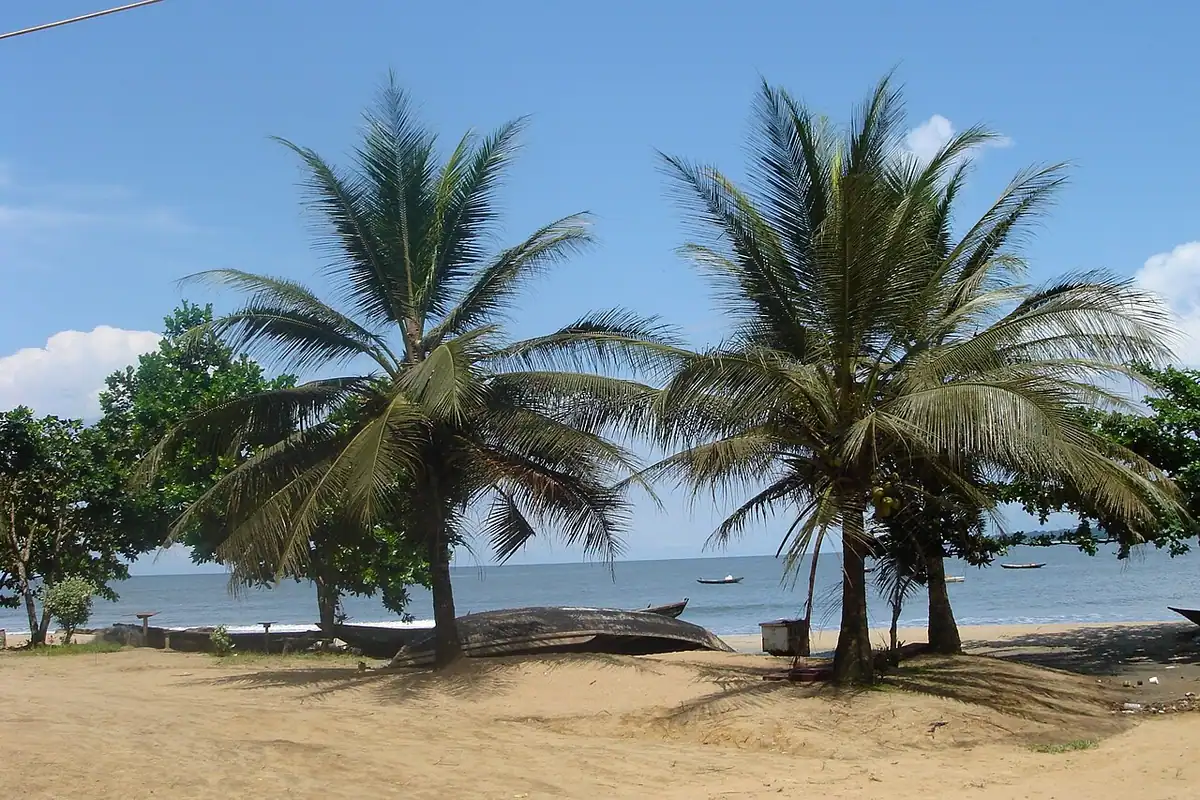
Douala, Limbe and the Kribi coast
Douala, Limbe and Kribi
- Price
- $$$
- Difficulty
- Moderate
- Best time:
- Nov–Feb
 3 days
Cameroon
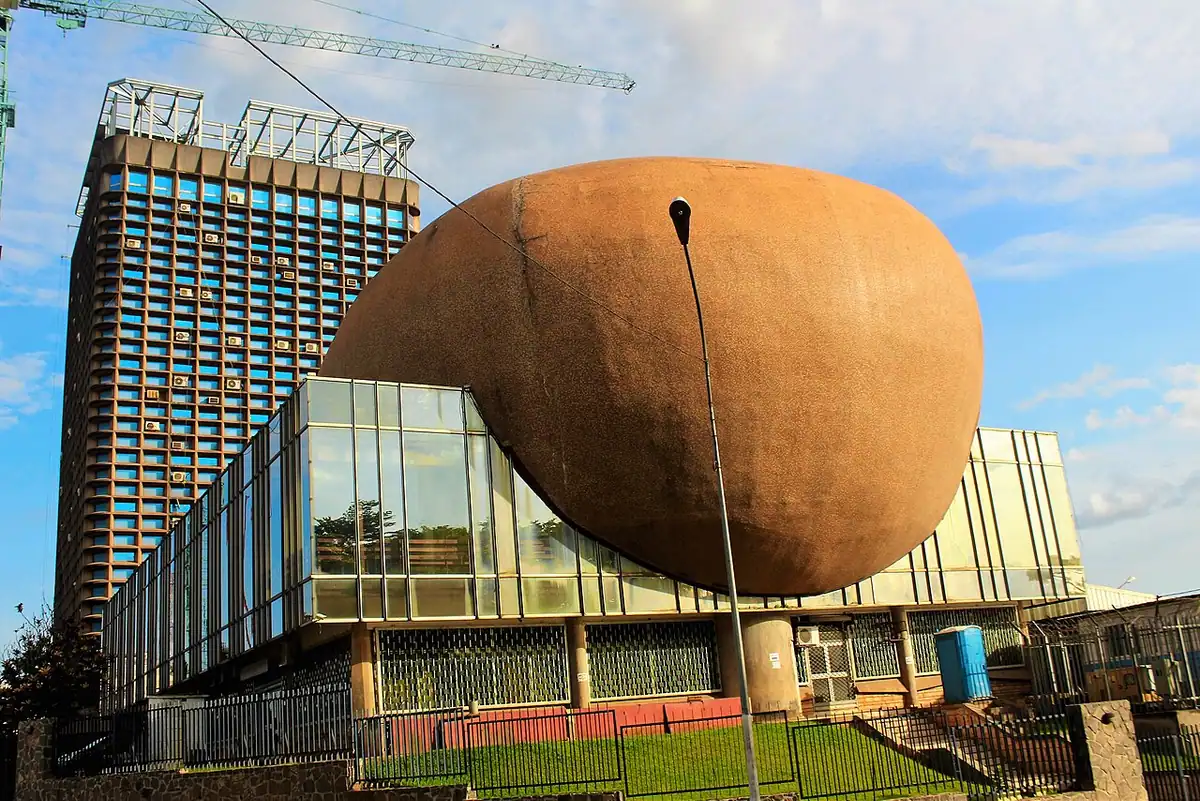
Yaoundé, the capital on seven hills
Yaoundé
- Price
- $$$
- Difficulty
- Easy
- Best time:
- Nov–Feb
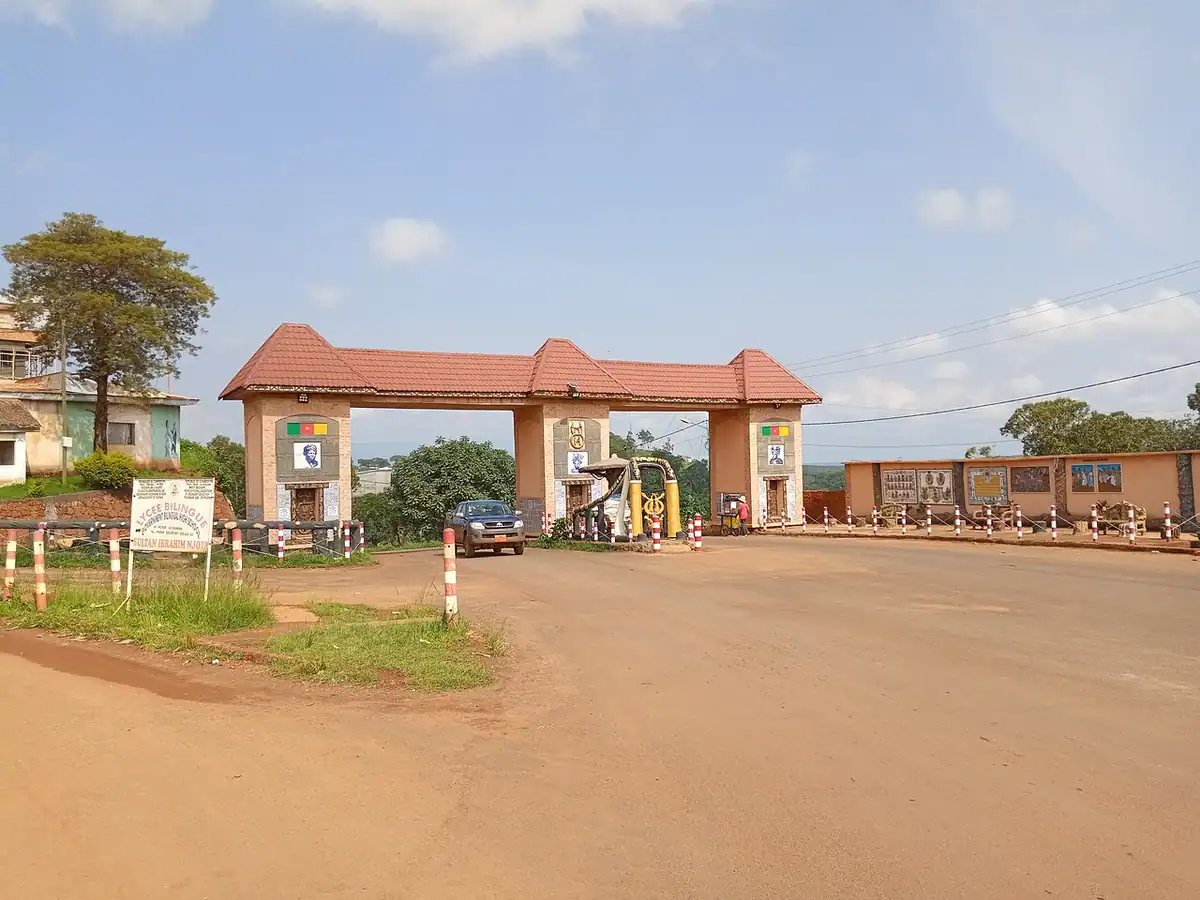 3 days
Cameroon
Foumban and the Western highlands
Bafoussam, Bandjoun and Foumban
- Price
- $$$
- Difficulty
- Moderate
- Best time:
- Nov–Feb
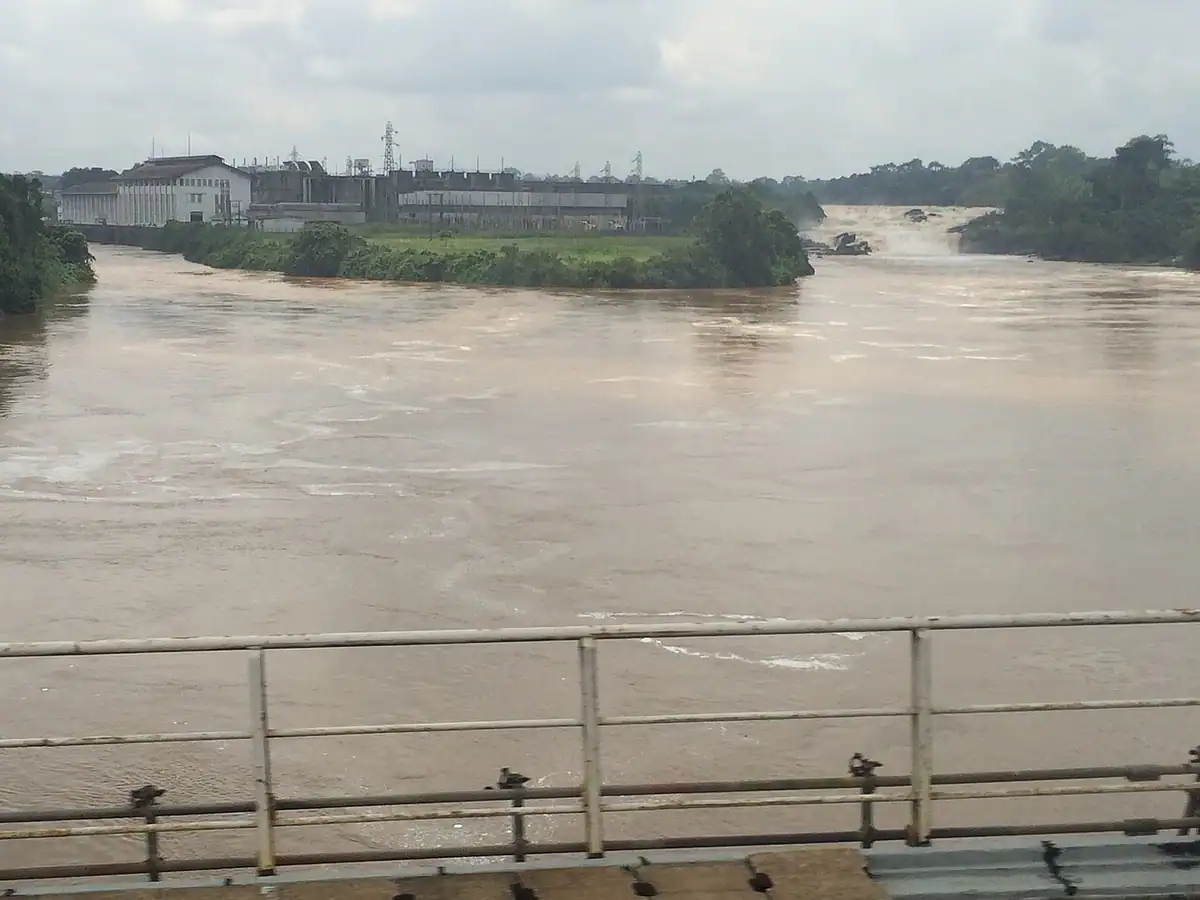 3 days
Cameroon
Primates and manatees near Yaoundé and Douala
Mefou, Edéa and Lake Ossa
- Price
- $$$
- Difficulty
- Moderate
- Best time:
- Nov–Feb
Safety, health and entry
Before you go
What to know about entry, health and safety before you go, summarized from official guidance for U.S. passport holders. Rules change, so confirm on the sources linked below.
Visa for U.S. citizens
E-visa required before arrival
Online visa or authorizationPassport
Valid 6 months beyond arrival, check embassy
Vaccines
Yellow fever certificate required
State Department advisory
Exercise increased caution
Level 2Entry and visas
E-visa required before arrival
Cameroon requires a visa. Travelers arriving by air apply for an e-visa online, and none is issued on arrival at Yaoundé or Douala airports. Land and sea arrivals need a physical visa from an embassy. A yellow fever certificate is required. U.S. passport specifics could not be fully confirmed.
Have ready
- Valid 6 months beyond arrival, check embassy
- Apply for the e-visa well ahead, since the online system has had technical problems.
- E-visas are not accepted at land or sea borders. Apply at an embassy for a physical visa.
- Carry your yellow fever certificate and make sure officers stamp your passport on entry.
Health and vaccines
Yellow fever certificate required
Good care is limited to some private clinics in Yaoundé and Douala, and rural facilities are basic. Medical evacuation insurance is essential.
Drinking water: Do not drink tap water. Use bottled or properly treated water.
Required to enter
Recommended by the CDC
Health risks
- Malaria nationwide
- Cholera in the Far North
- Yellow fever and dengue
- Mpox and measles
Safety
Level 2: Exercise increased caution
Serious crime, unrest and kidnapping risks
The U.S. State Department says exercise increased caution in Cameroon (Level 2, May 2026) because of crime, terrorism, unrest, kidnapping and improvised explosive devices. It also says do not travel to the Far North, Northwest and Southwest regions, or within 20 km of the borders with the Central African Republic, Chad and Nigeria.
Avoid
- The Far North, Northwest and Southwest regions, where terrorism, kidnapping and armed conflict are active.
- Areas within 20 km of the borders with Nigeria, Chad and the Central African Republic. Crime is also cited in the North Region, the Adamawa Region north of Ngaoundéré, and the East Region near the CAR border.
Watch for
- Armed robbery, carjacking and mugging in Douala and Yaoundé, especially after dark.
- Kidnapping by armed groups, including near the Nigerian and Central African borders.
- Roadside checkpoints and poorly maintained roads. Avoid night driving.
- Election-related protests and sudden unrest.
Local laws and customs
- Carry your passport or a certified copy. Police ID checks are common.
- Same-sex sexual activity is illegal and prosecuted.
- Do not photograph government buildings, airports, military sites or police.
Emergency numbers
- Emergency
- 112
- Police
- 117
- Ambulance
- 119
- Fire
- 118
Sources: U.S. State Department travel advisories · U.S. CDC travel health notices · UK government travel advice. Summarized in November 2026. Advisory levels and entry rules change, so confirm on the sources before you book.
Other governments: Canada, Spain (in Spanish), World Health Organization.
This is general information, not medical, legal or security advice.
Keep exploring
More in Africa
Your trip, your way.
Start from a guide or a blank page. Free on the web, with iPhone and Android apps coming soon.