
Africa
Burundi
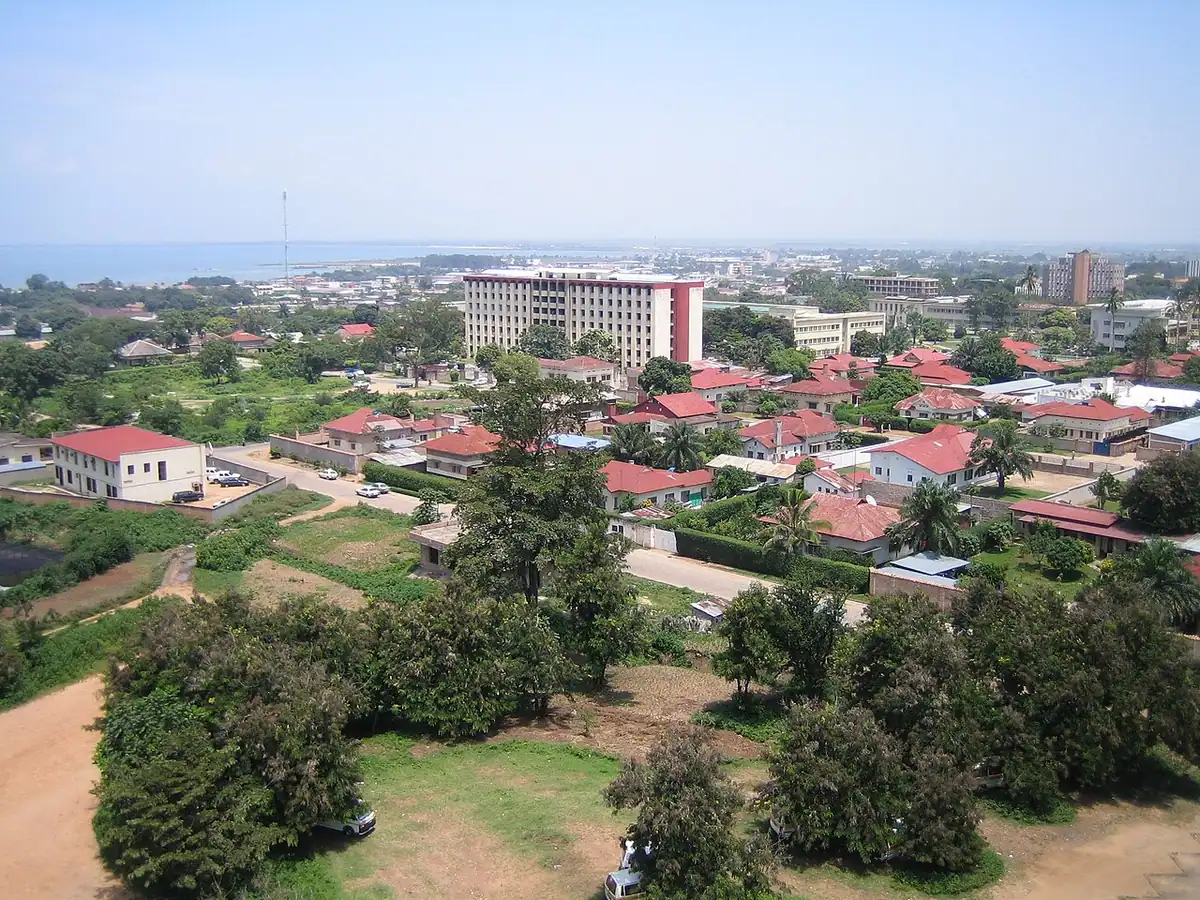
Drumming, hills, and the shores of Lake Tanganyika
Photo: SteveRwanda, CC BY-SA 3.0 · via Wikimedia Commons
Capital
Gitega (political), Bujumbura (economic)
Languages
Kirundi, French, English
Currency
Burundian franc (BIF)
Plugs and power
Types C, E · 220 V
Drives on the
Right
Time zone
UTC+2, no daylight saving
The short version
What to expect in Burundi
Burundi is a small, hilly country in the African Great Lakes region, with the shore of Lake Tanganyika on its western edge. Most people live on farms in the hills and grow coffee, tea, and bananas. It is known for its royal drummers and strong music tradition. Security and political conditions can change, so check current official advice before traveling.
- Royal drummers
- Lake Tanganyika beaches
- Kibira rainforest
- Coffee and tea farms
Did you know?
The ritual royal drumming of Burundi, performed by groups of drummers with large drums balanced on their heads, is on UNESCO's list of intangible cultural heritage.
Food and drink
What to eat in Burundi
- 01
Ibiharage
Stewed red beans, a daily staple often served with rice or plantain.
- 02
Brochettes
Grilled skewers of goat or beef sold at roadside stalls.
- 03
Fried fish from Lake Tanganyika
Small lake fish fried whole and eaten with plantain or cassava.
Language
Say it like a local
Kirundi
Amahoro
Hello (literally peace)
Murakoze
Thank you
Murabeho
Goodbye
Money and manners: Use your right hand, or both hands, to give and receive. Cash in Burundian francs is the norm, and international cards are rarely accepted outside a few hotels.
Timing
When to go
The taller the bar, the more of our Burundi trips are at their best that month.
Best months: Jun–Sep
Guides
Trip guides for Burundi
 3 days
Burundi
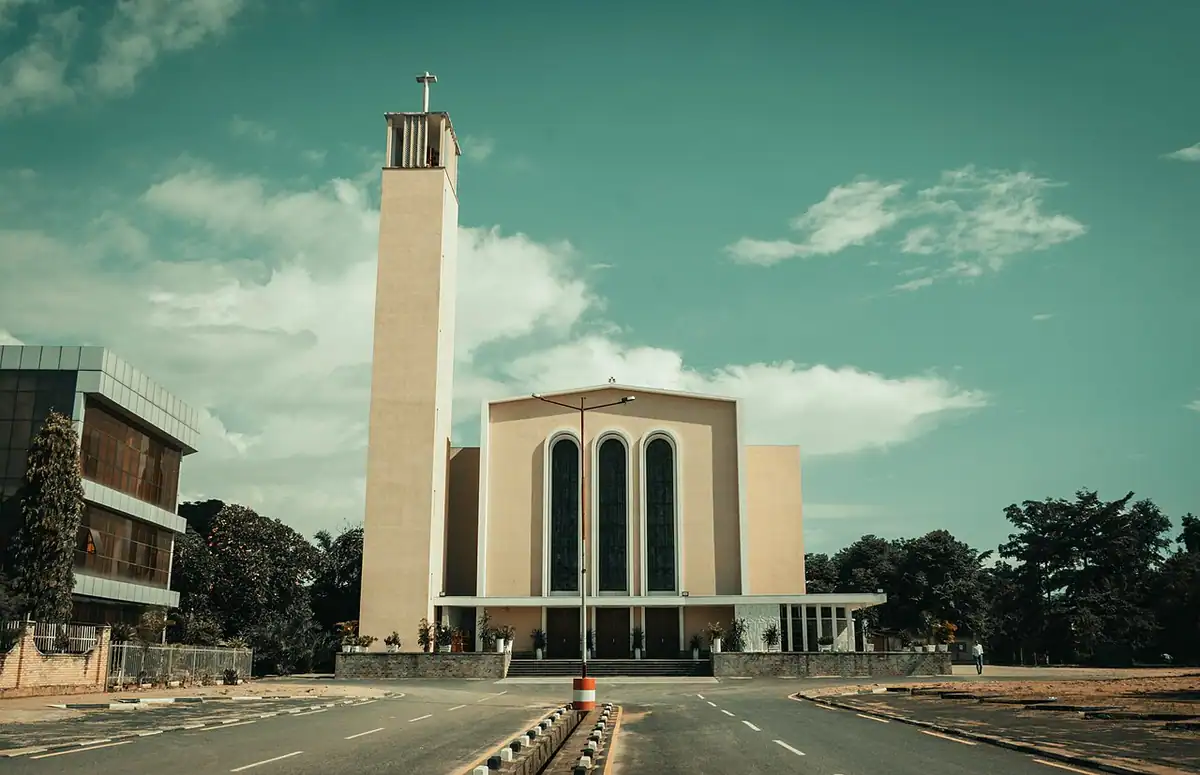
Burundi: Bujumbura and Lake Tanganyika
Bujumbura and Lake Tanganyika
- Price
- $$$
- Difficulty
- Moderate
- Best time:
- Jun–Sep
 3 days
Burundi
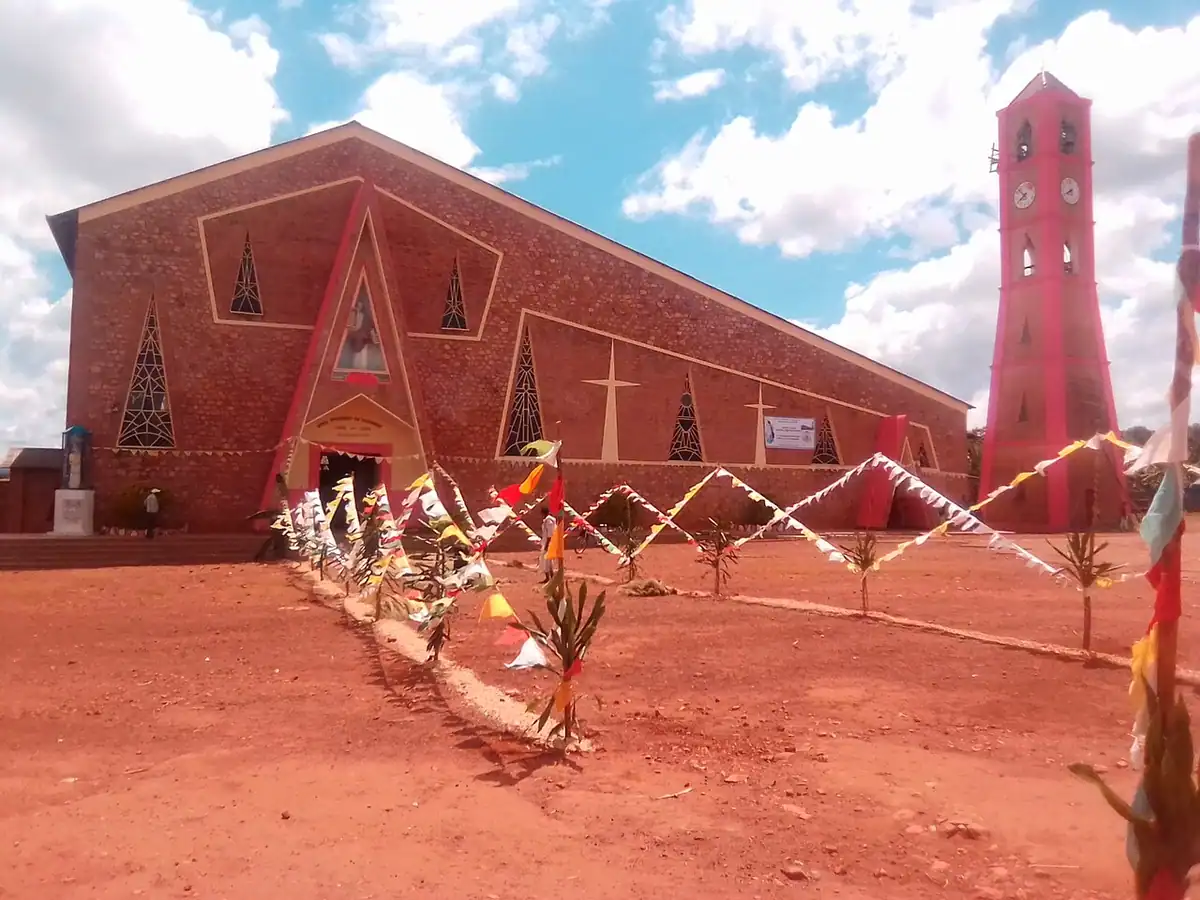
Burundi: Gitega and the royal drums
Gitega and Muramvya
- Price
- $$$
- Difficulty
- Moderate
- Best time:
- Jun–Sep
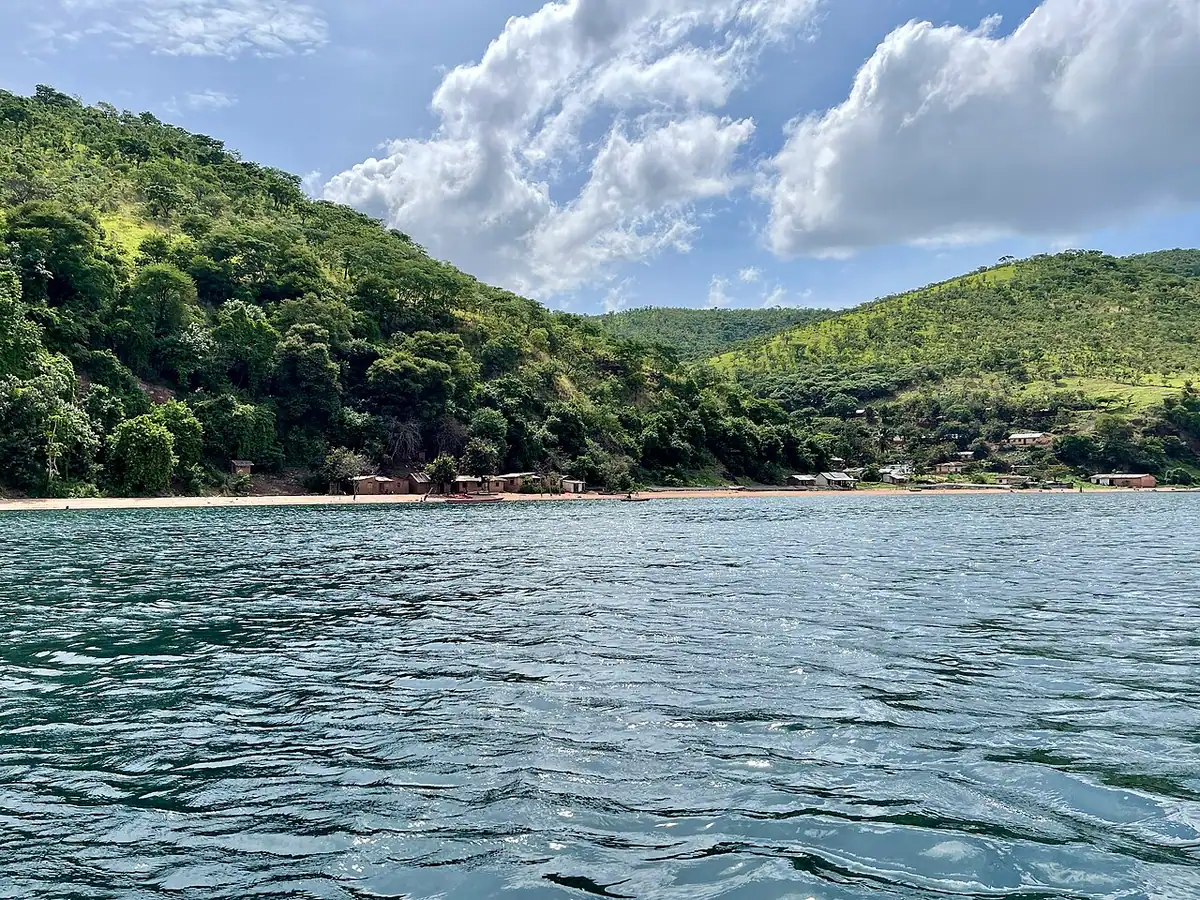 3 days
Burundi
Burundi: Rumonge and Bururi Forest
Rumonge, Bururi Forest and Rutovu
- Price
- $$$
- Difficulty
- Moderate
- Best time:
- Jun–Sep
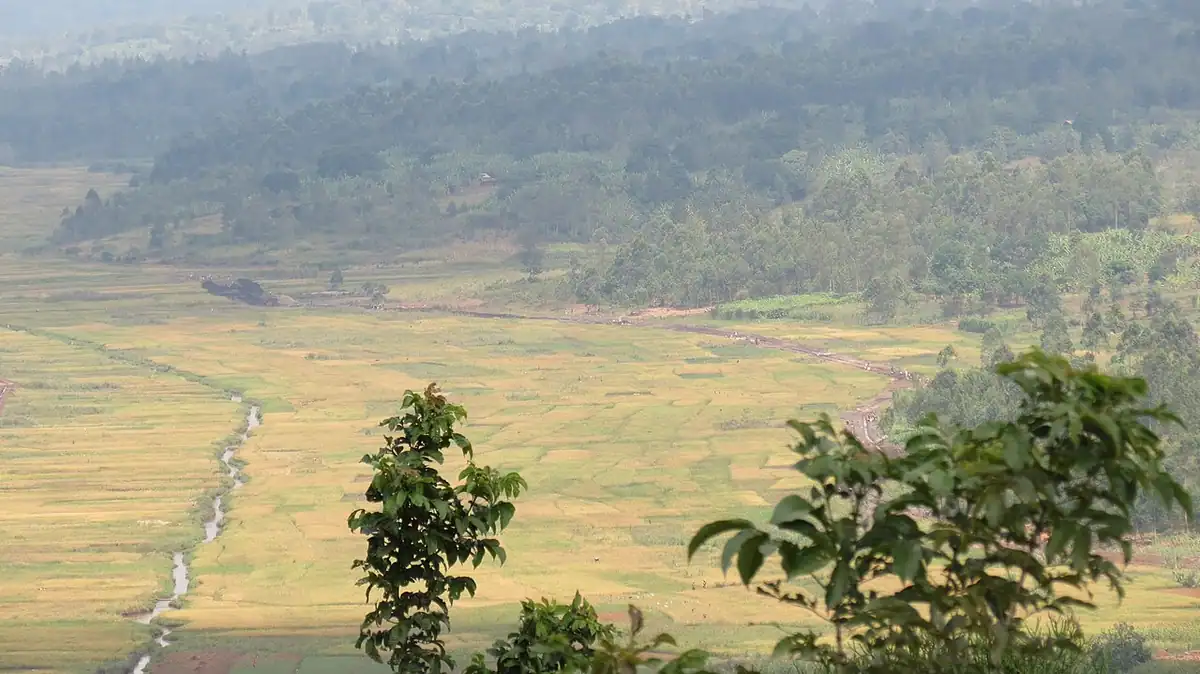 2 days
Burundi
Burundi: a weekend at Ruvubu National Park
Gitega and Ruvubu National Park
- Price
- $$$
- Difficulty
- Moderate
- Best time:
- Jun–Sep
Safety, health and entry
Before you go
What to know about entry, health and safety before you go, summarized from official guidance for U.S. passport holders. Rules change, so confirm on the sources linked below.
Visa for U.S. citizens
Visa on arrival after online form
Visa on arrivalPassport
Check validity with the Burundi authorities
Vaccines
Yellow fever certificate required
State Department advisory
Reconsider travel
Level 3Entry and visas
Visa on arrival after online form
Travelers must complete an online airport entry visa application before arriving and keep the validation certificate. The visa is then issued on arrival, and a one-month visa was listed at 90 USD. A yellow fever certificate is required. Confirm current U.S. passport rules before booking.
Have ready
- Check validity with the Burundi authorities
- Submit the airport entry visa application online and bring the validation certificate to collect your visa.
- A one-month visa costs 90 USD, payable online or in cash on arrival.
- Carry your yellow fever certificate. It is required to enter.
Health and vaccines
Yellow fever certificate required
Medical facilities are very limited and often short of supplies. Medical evacuation insurance is essential.
Drinking water: Do not drink tap water. Use bottled or properly treated water.
Required to enter
Recommended by the CDC
Health risks
- Malaria nationwide
- Cholera around Bujumbura
- Yellow fever
- Rabies and mpox
Safety
Level 3: Reconsider travel
Level 3: Reconsider travel
The U.S. State Department asks travelers to reconsider travel to Burundi because of crime, risk of civil unrest, health conditions and landmines. Violent crime and grenade attacks occur, and the government's ability to help U.S. citizens outside the capital is limited.
Avoid
- Border areas with the Democratic Republic of the Congo and Rwanda, and remote northern and western provinces with active armed groups.
Watch for
- Armed robbery, burglary and grenade attacks, mostly in Bujumbura.
- Political tension, demonstrations and security checkpoints.
- Armed groups and banditry on rural roads. Avoid travel after dark.
- Unreliable utilities and limited fuel supplies.
Local laws and customs
- Do not photograph government buildings, military sites, airports or police.
- Carry your passport or a copy and your visa documents at all times.
- Drug offenses carry heavy penalties, and same-sex relations are illegal.
Emergency numbers
- Emergency
- 117
- Police
- 117
Sources: U.S. State Department travel advisories · U.S. CDC travel health notices · UK government travel advice. Summarized in November 2026. Advisory levels and entry rules change, so confirm on the sources before you book.
Other governments: Canada, Spain (in Spanish), World Health Organization.
This is general information, not medical, legal or security advice.
Keep exploring
More in Africa
Your trip, your way.
Start from a guide or a blank page. Free on the web, with iPhone and Android apps coming soon.