
Europe
Switzerland
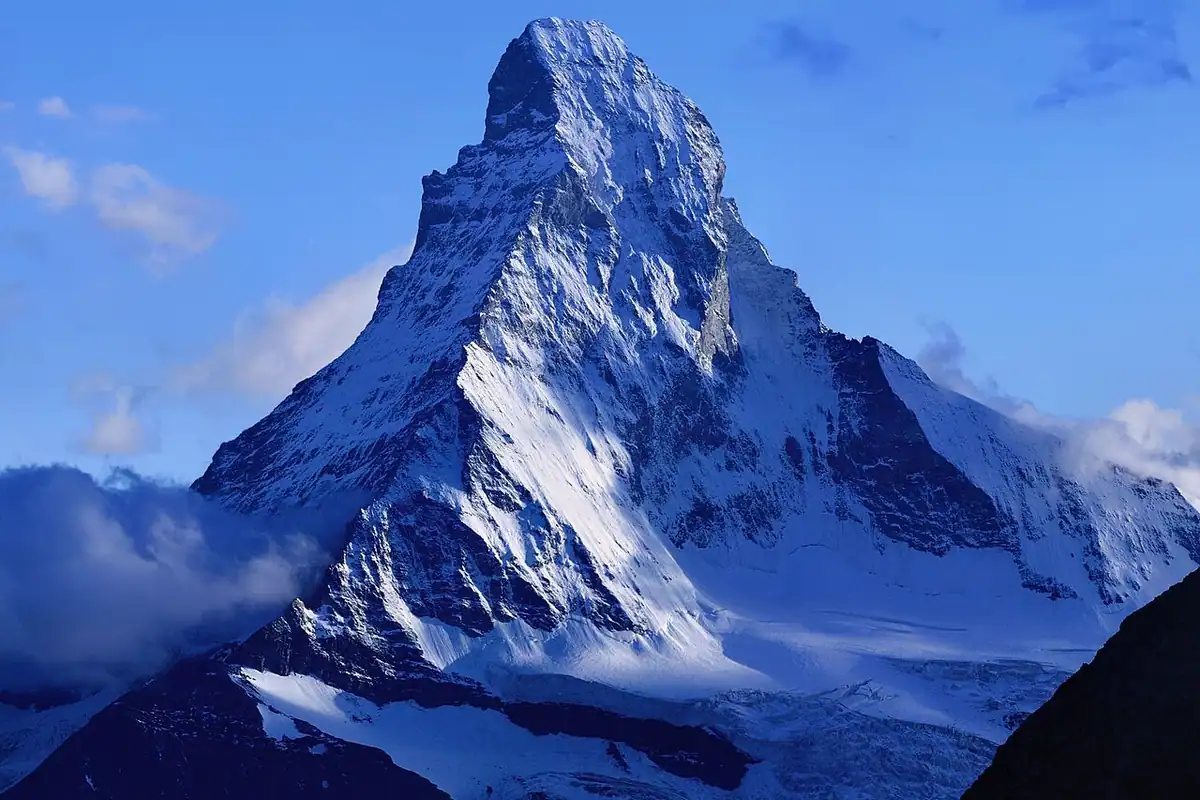
Alpine peaks, clean lakes and trains that run on time
Photo: Photo: chil, on Camptocamp.org Derivative work:Zacharie Grossen, CC BY-SA 3.0 · via Wikimedia Commons
Capital
Bern
Languages
German, French, Italian, Romansh
Currency
Swiss franc (CHF)
Plugs and power
Types C, J · 230 V
Drives on the
Right
Time zone
UTC+1, UTC+2 in summer (daylight saving)
The short version
What to expect in Switzerland
Switzerland packs high Alps, deep lakes and compact old towns into a country you can cross by train in a few hours. People hike and ski in the mountains, swim in Lake Geneva and the lakes of Zurich and Lucerne, and move between German, French and Italian speaking regions with little effort. Everything is punctual and prices are high.
- The Matterhorn and Alps
- Scenic train rides
- Chocolate and cheese
- Watchmaking
Did you know?
Switzerland has four national languages, and Romansh, the smallest of them, is spoken mainly in the canton of Graubünden.
Food and drink
What to eat in Switzerland
- 01
Fondue
Melted cheese in a pot, eaten with bread on long forks.
- 02
Rösti
Crisp fried grated potato, served as a side or a meal.
- 03
Raclette
Melted cheese scraped over potatoes, pickles and cured meat.
Language
Say it like a local
German (Swiss)
Grüezi
Hello
Danke
Thank you
Entschuldigung
Excuse me
Money and manners: Service is included in restaurant prices, so tipping is optional. Rounding up or leaving a few francs is a polite extra.
Timing
When to go
The taller the bar, the more of our Switzerland trips are at their best that month.
Best months: May–Sep
Guides
Trip guides for Switzerland
 6 days
Switzerland
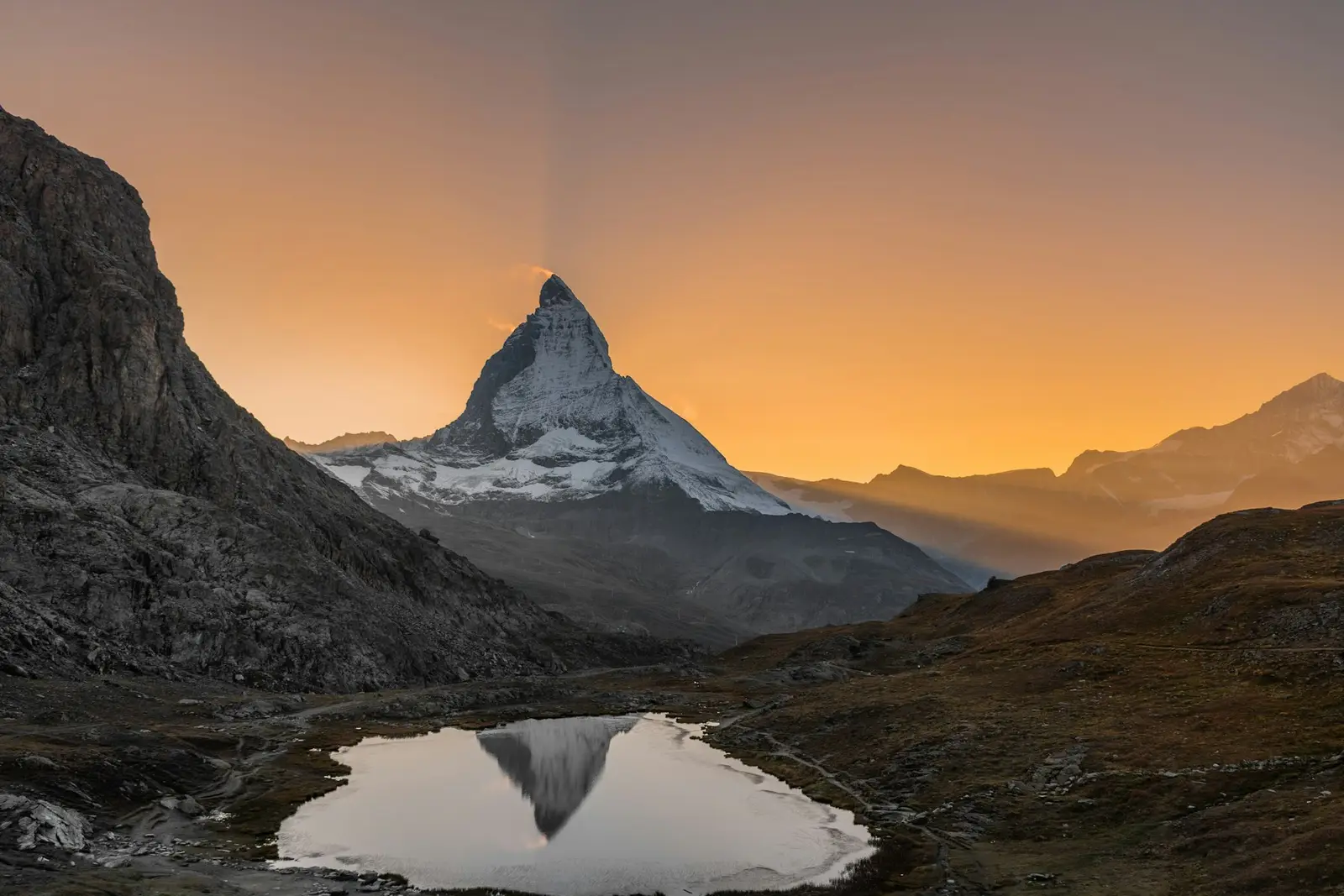
Swiss Alps: Interlaken and Zermatt
Interlaken, Lauterbrunnen and Zermatt
- Price
- $$$
- Difficulty
- Moderate
- Best time:
- Jun–Sep
 4 daysGood with kids
Switzerland
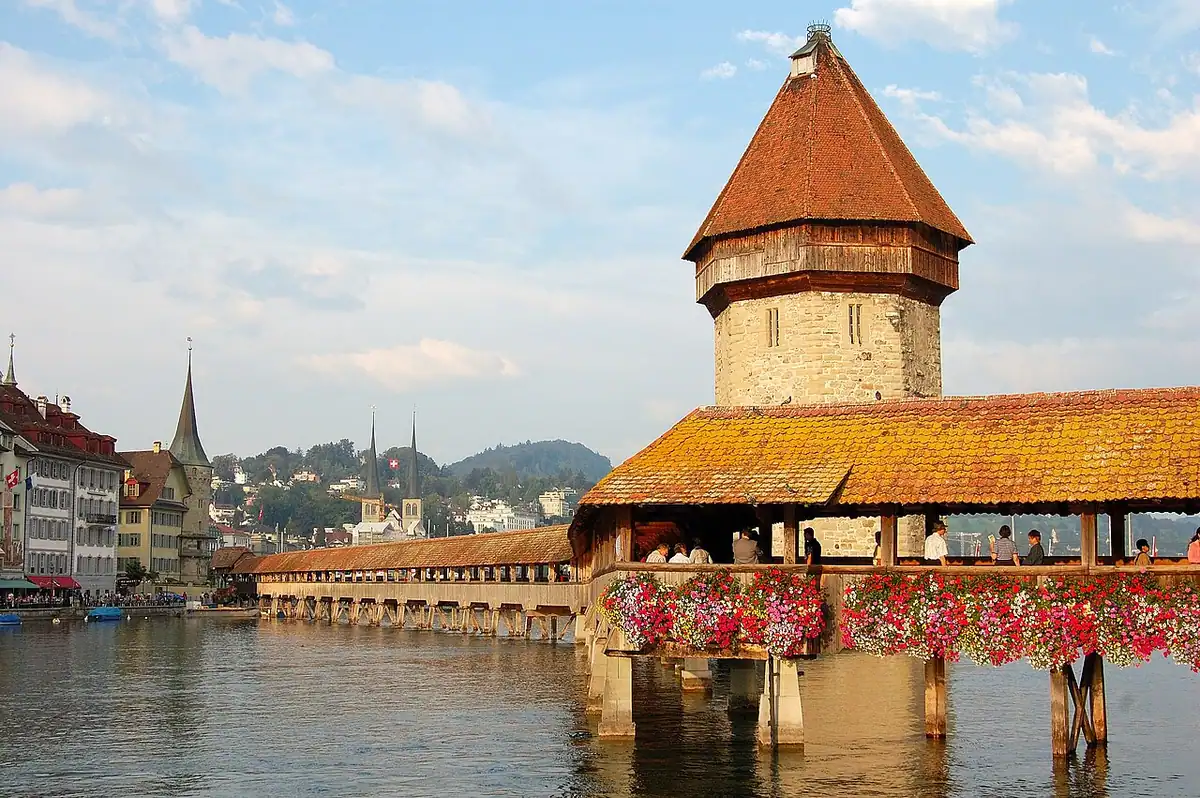
Lucerne and Zurich
Lucerne, Mount Pilatus, Lake Lucerne and Zurich
- Price
- $$$
- Difficulty
- Easy
- Best time:
- May–Sep
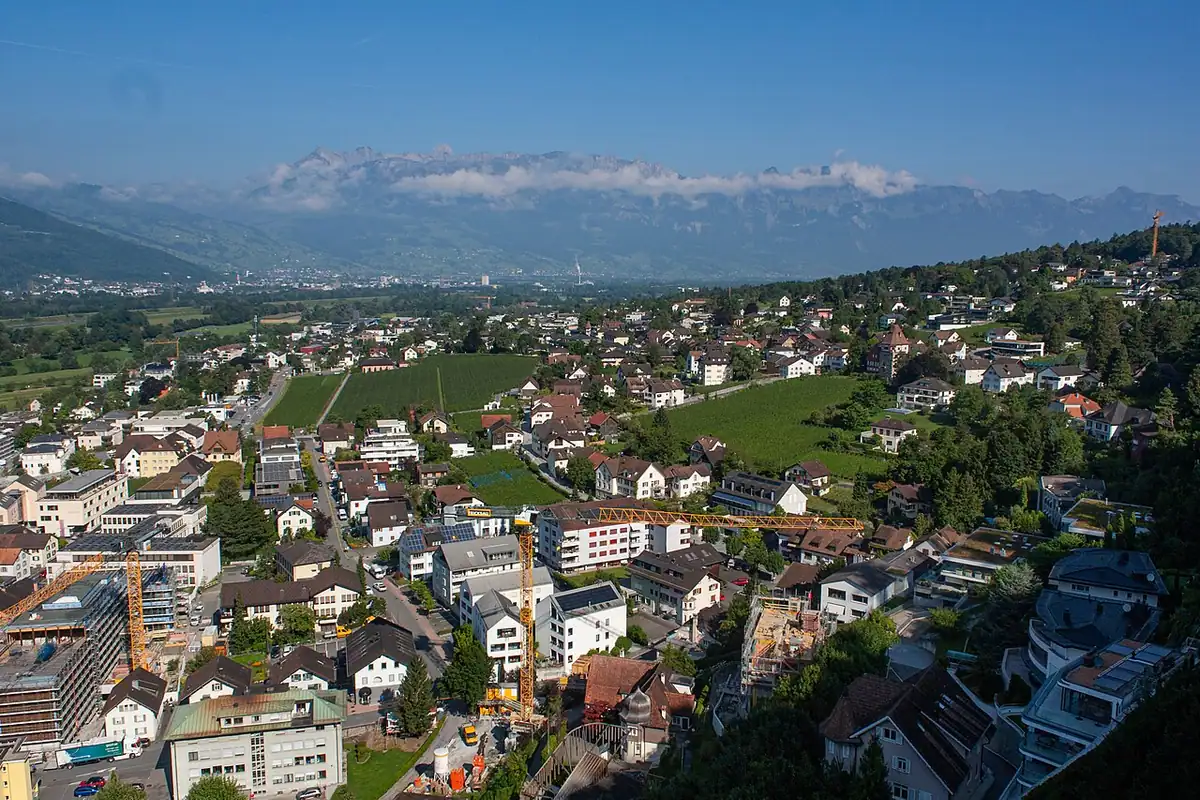 4 daysGood with kids
Liechtenstein
Liechtenstein and eastern Switzerland
Vaduz, Malbun, St. Gallen and Appenzell
- Price
- $$$
- Difficulty
- Easy
- Best time:
- May–Sep
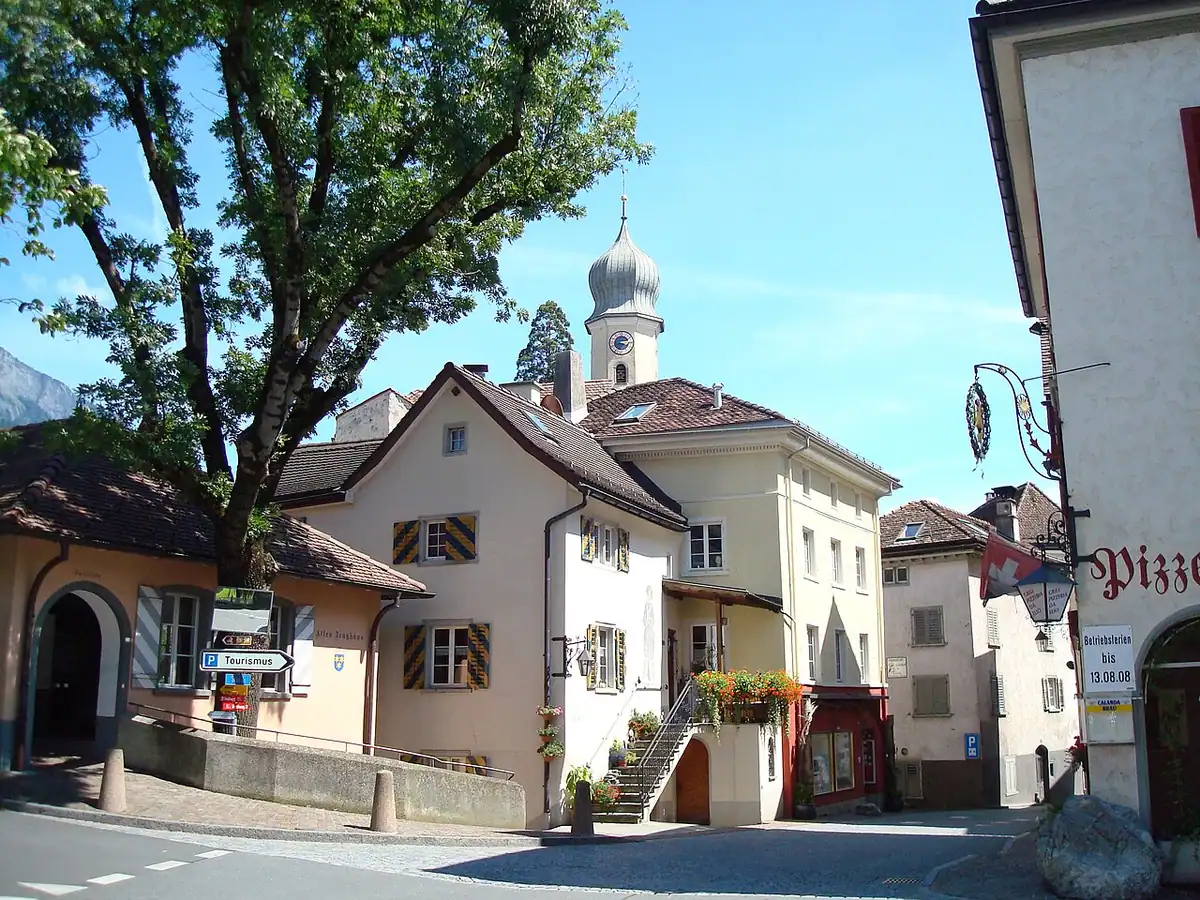 4 daysGood with kids
Liechtenstein
From Liechtenstein to Chur and the Rhine gorge
Maienfeld, Bad Ragaz, Chur and Flims
- Price
- $$$
- Difficulty
- Moderate
- Best time:
- May–Oct
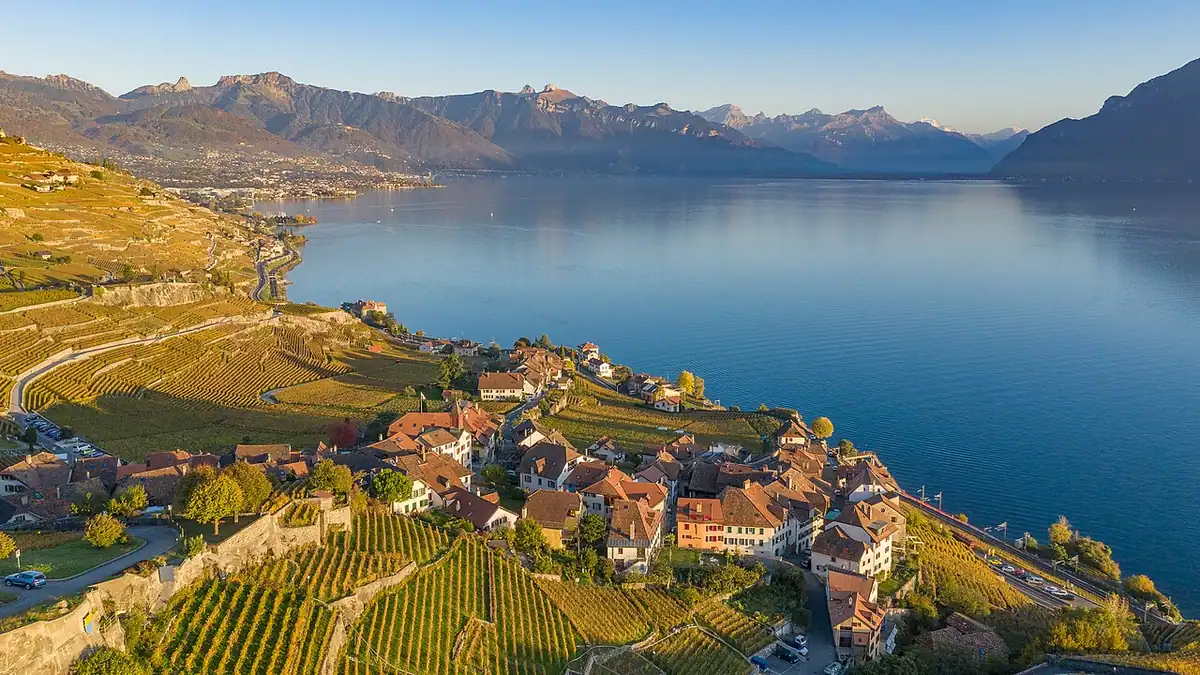 4 daysGood with kids
Switzerland
Lake Geneva: Geneva, Lausanne and Lavaux
Geneva, Lausanne, Lavaux and Montreux
- Price
- $$$
- Difficulty
- Easy
- Best time:
- May–Jun, Sep–Oct
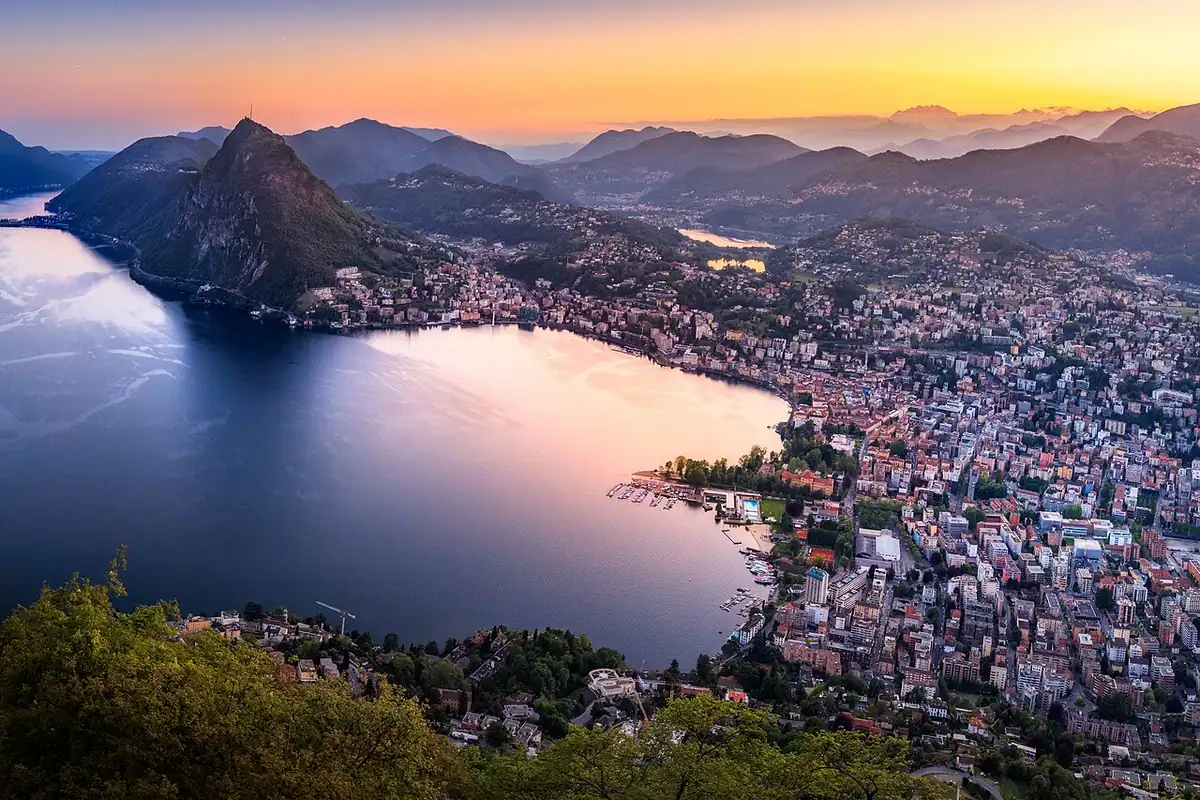 4 days
Switzerland
Ticino: Lugano, Locarno and Bellinzona
Lugano, Locarno, Bellinzona and Val Verzasca
- Price
- $$$
- Difficulty
- Moderate
- Best time:
- Apr–Jun, Sep–Oct
Safety, health and entry
Before you go
What to know about entry, health and safety before you go, summarized from official guidance for U.S. passport holders. Rules change, so confirm on the sources linked below.
Visa for U.S. citizens
Visa-free for up to 90 days
Visa-freePassport
Valid at least 3 months after you leave
Vaccines
No vaccines required
State Department advisory
Exercise normal precautions
Level 1Entry and visas
Visa-free for up to 90 days
U.S. citizens can enter Switzerland without a visa for up to 90 days in any 180-day period, under Schengen rules. Border officers may ask for proof of accommodation, insurance, a return ticket and funds.
Have ready
- Valid at least 3 months after you leave
- Your 90 days count across all Schengen countries, so add up earlier trips in the last 180 days.
- Officers may expect funds of around 100 Swiss francs a day, plus a return ticket and proof of where you are staying.
- The EU Entry/Exit System may record your fingerprints and photo at the border.
Health and vaccines
No vaccines required
Healthcare is excellent but expensive, and U.S. insurance may not apply. Carry travel insurance that covers treatment and mountain rescue costs.
Drinking water: Tap water is safe to drink across Switzerland.
Required to enter
No vaccines are required for U.S. travelers arriving directly.
Recommended by the CDC
Health risks
- Ticks (April to October) can carry tick-borne encephalitis
- Altitude sickness in high ski and hiking areas
Safety
Level 1: Exercise normal precautions
Exercise normal precautions
The U.S. State Department rates Switzerland Level 1. Serious crime is rare, but petty theft has increased in larger cities, at Geneva airport and on trains to and from Geneva. Mountain accidents involving visitors are common.
Watch for
- Pickpockets in Geneva, Zurich, train stations and on trains
- Avalanches and sudden weather changes in the mountains
- Use established guides and check avalanche and weather reports before going off-piste
Local laws and customs
- Ticino and St. Gallen ban covering your face in public.
- Possessing illegal drugs, including cannabis, is an offence and can bring fines or prosecution.
Emergency numbers
- Emergency
- 112
- Police
- 117
- Ambulance
- 144
- Fire
- 118
Sources: U.S. State Department travel advisories · U.S. CDC travel health notices · UK government travel advice. Summarized in November 2026. Advisory levels and entry rules change, so confirm on the sources before you book.
Other governments: Canada, Spain (in Spanish), World Health Organization.
This is general information, not medical, legal or security advice.
Keep exploring
More in Europe
Your trip, your way.
Start from a guide or a blank page. Free on the web, with iPhone and Android apps coming soon.