
Europe
Austria
Alpine lakes, grand cafes, and Mozart's hometown
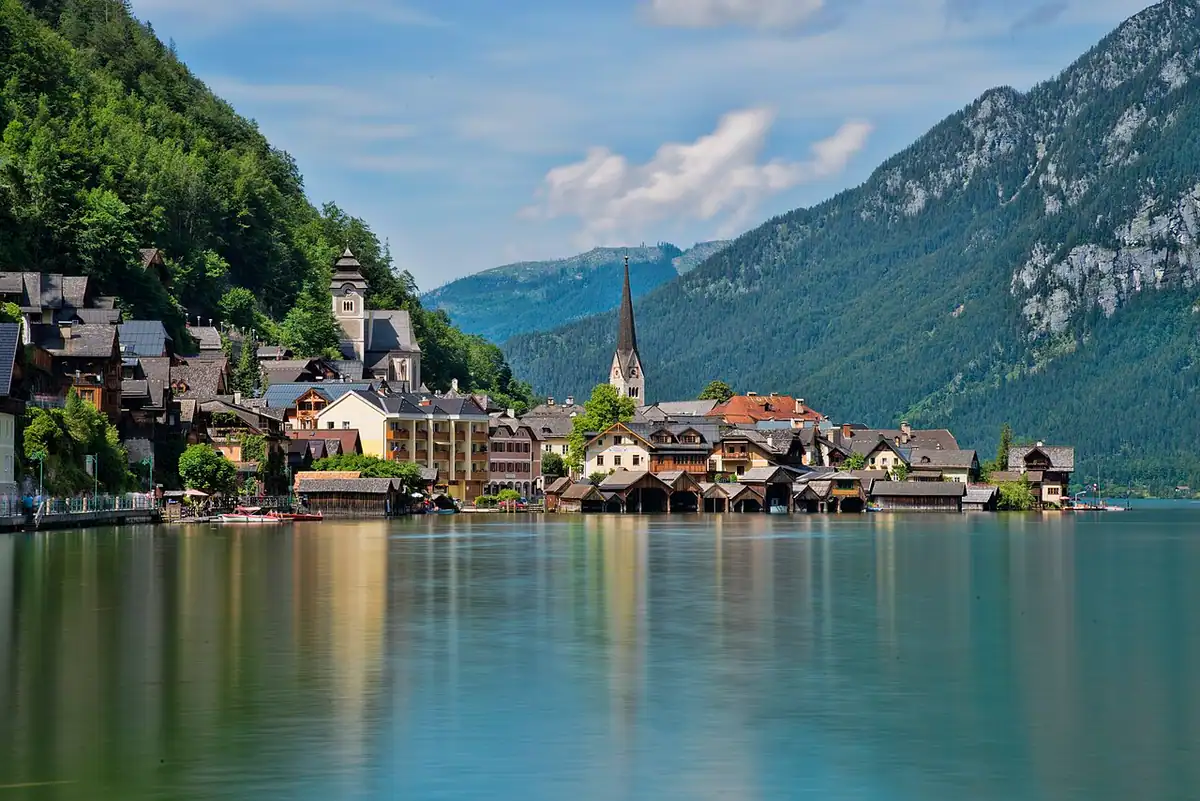
Photo: chensiyuan, CC BY-SA 4.0 · via Wikimedia Commons
Capital
Vienna
Languages
German
Currency
Euro (EUR)
Plugs and power
Types C, F · 230 V
Drives on the
Right
Time zone
UTC+1, daylight saving in summer
The short version
What to expect in Austria
Austria combines Alpine scenery with a deep classical music tradition. Vienna is known for imperial palaces, opera houses, and coffeehouses where you can sit for hours over one cup. Salzburg, Hallstatt, and the Tyrol offer lakes, mountain villages, and skiing in winter.
- Vienna's coffeehouses
- Classical music
- Alpine skiing
- Salzburg old town
Did you know?
Vienna's coffeehouse culture is recognized by UNESCO as part of intangible cultural heritage.
Food and drink
What to eat in Austria
- 01
Wiener Schnitzel
Thin breaded veal cutlet, fried golden and served with lemon.
- 02
Apfelstrudel
Paper-thin pastry rolled around spiced apples and raisins.
- 03
Sachertorte
Dense chocolate cake with apricot jam, served with whipped cream.
Language
Say it like a local
German
Grüß Gott
Hello
Danke
Thank you
Bitte
Please / You're welcome
Money and manners: Round up or add about 5 to 10 percent, and say the total you want when you pay rather than leaving cash on the table.
Timing
When to go
The taller the bar, the more of our Austria trips are at their best that month.
Best months: May–Oct
Guides
Trip guides for Austria
 5 days
Austria
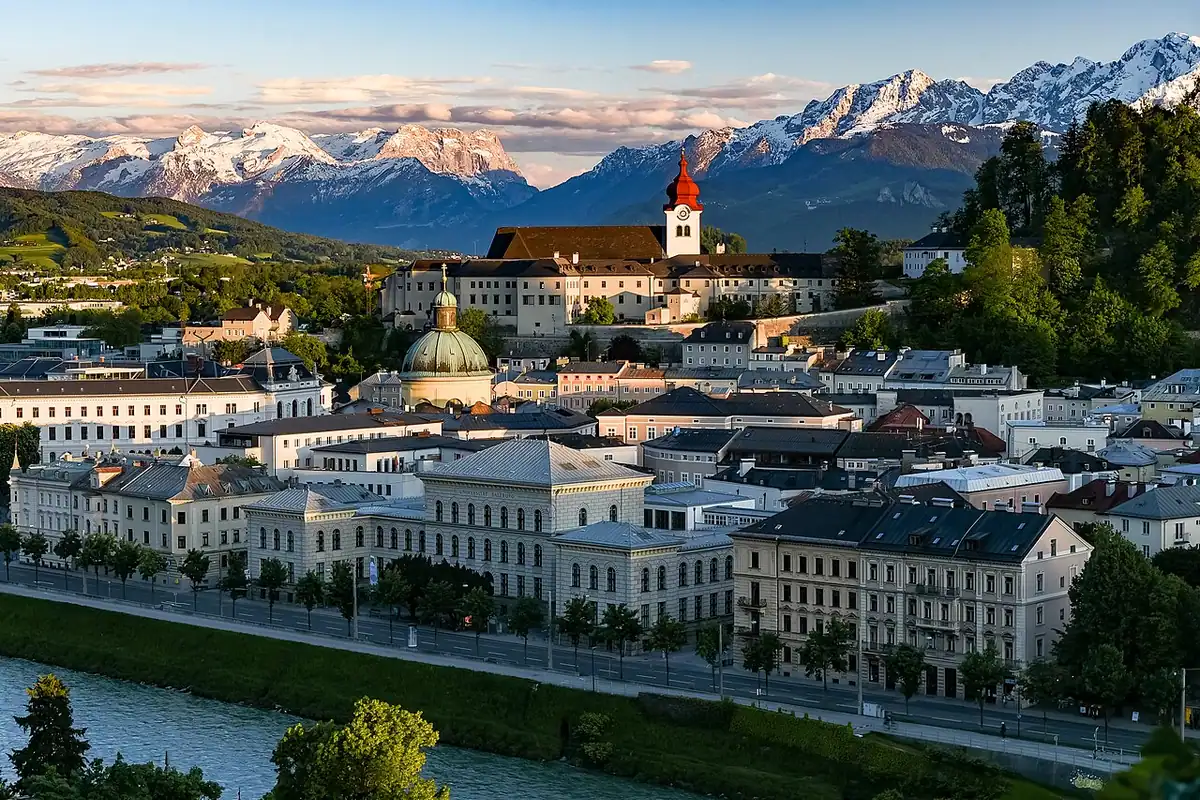
Vienna and Salzburg
Vienna and Salzburg
- Price
- $$$
- Difficulty
- Easy
- Best time:
- Apr–Jun, Sep–Oct, Dec
 3 daysGood with kids
Austria
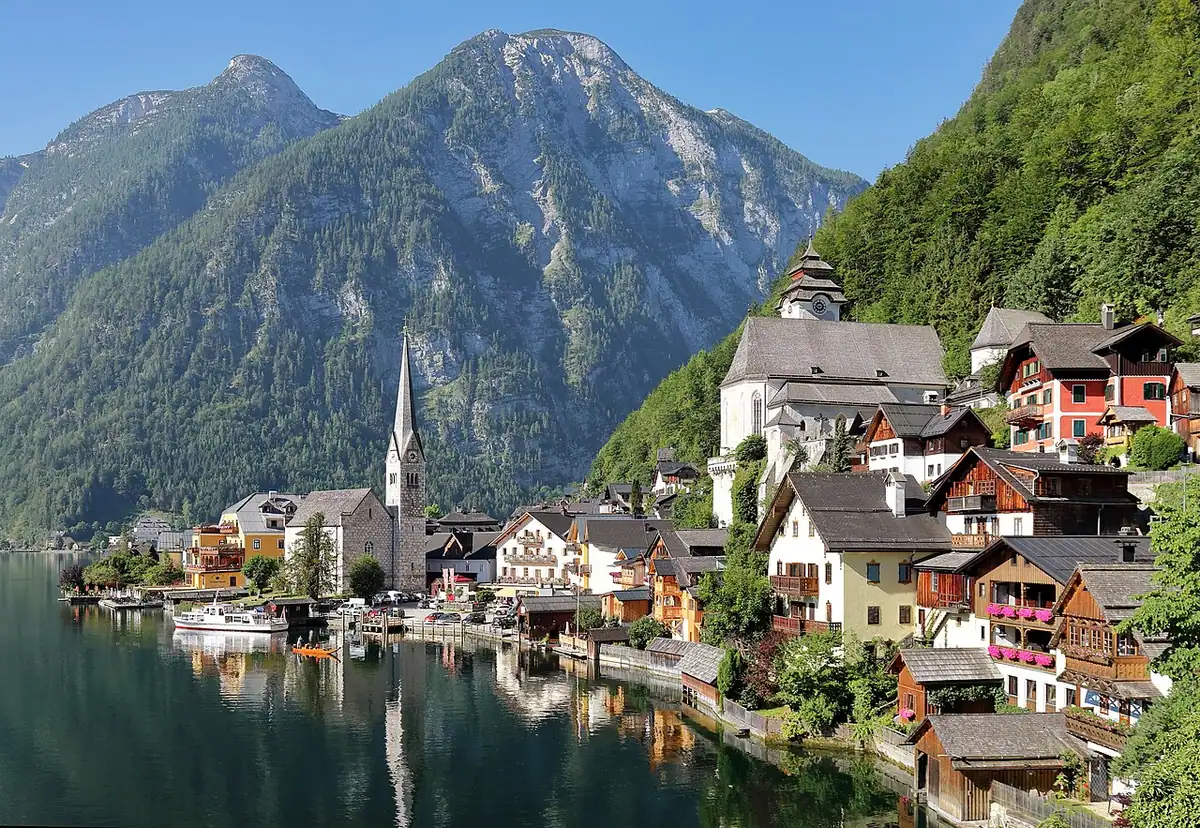
Hallstatt and the Salzkammergut
Hallstatt, the Dachstein and Wolfgangsee
- Price
- $$$
- Difficulty
- Moderate
- Best time:
- May–Oct
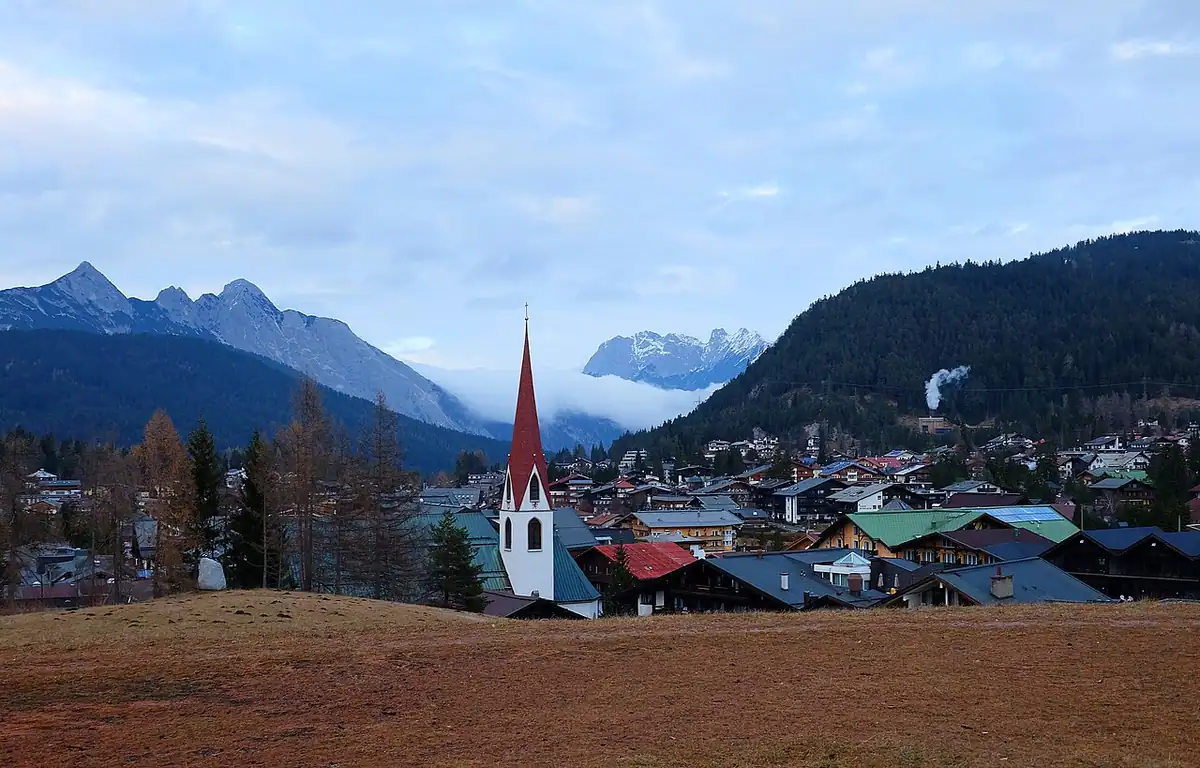 5 daysGood with kids
Austria
Tyrol: Innsbruck and the ski villages
Innsbruck, Kitzbühel and Seefeld
- Price
- $$$
- Difficulty
- Moderate
- Best time:
- Dec–Mar
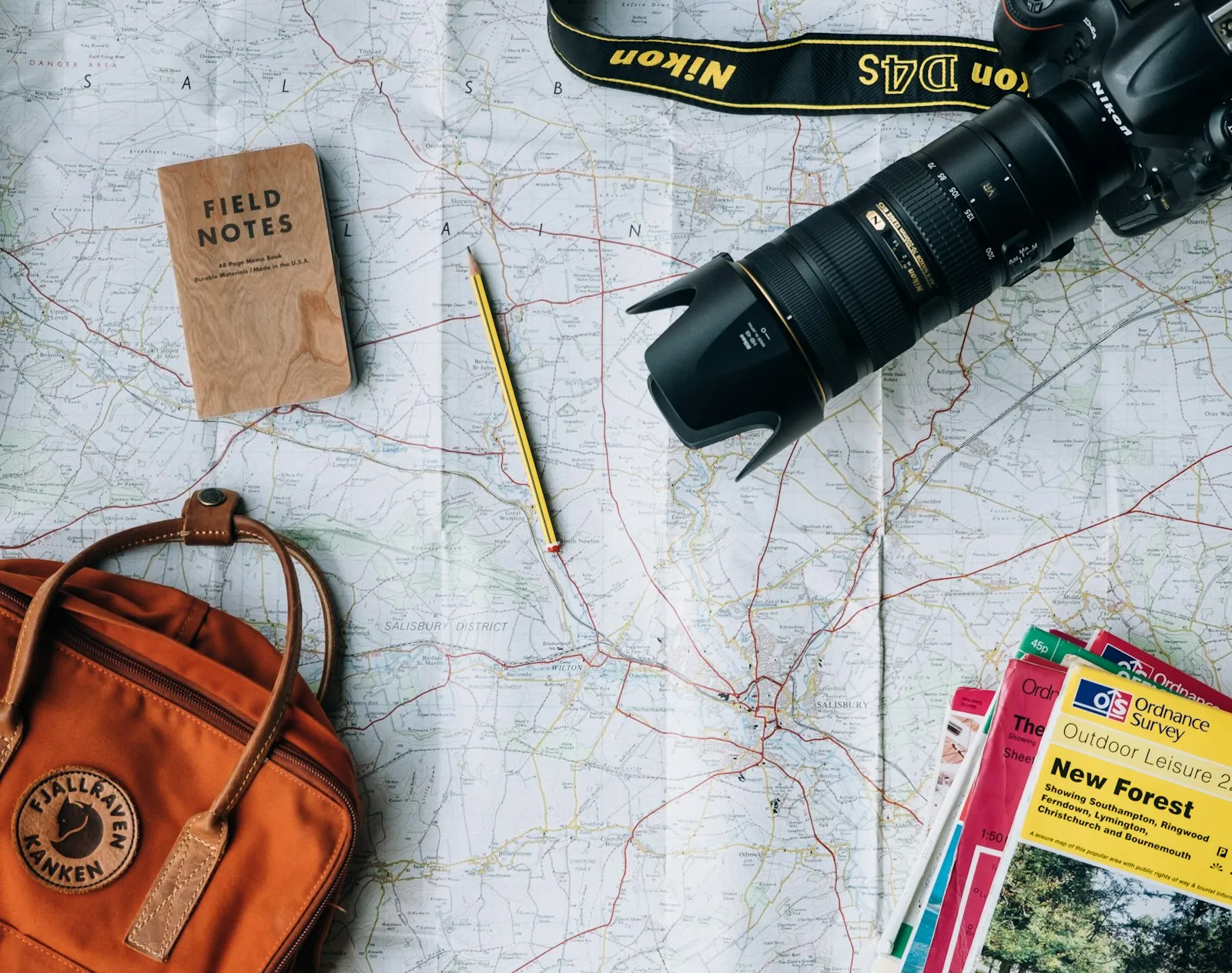 3 days
Austria
Graz and the Styrian wine road
Graz and southern Styria
- Price
- $$$
- Difficulty
- Easy
- Best time:
- Apr–Jun, Sep–Oct
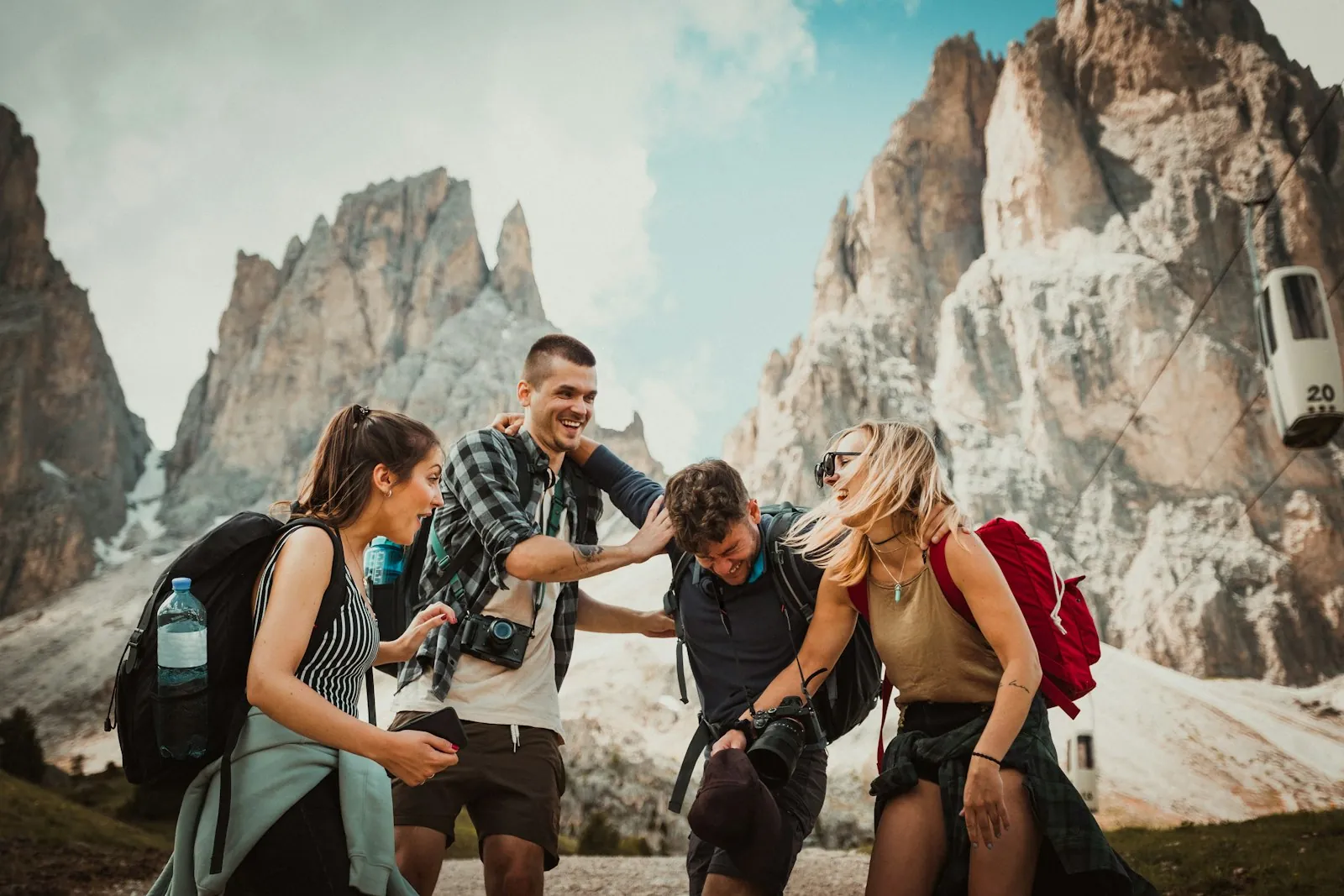 4 days
Austria
Grossglockner road and Zell am See
Zell am See, Kaprun and the Hohe Tauern
- Price
- $$$
- Difficulty
- Moderate
- Best time:
- Jun–Sep
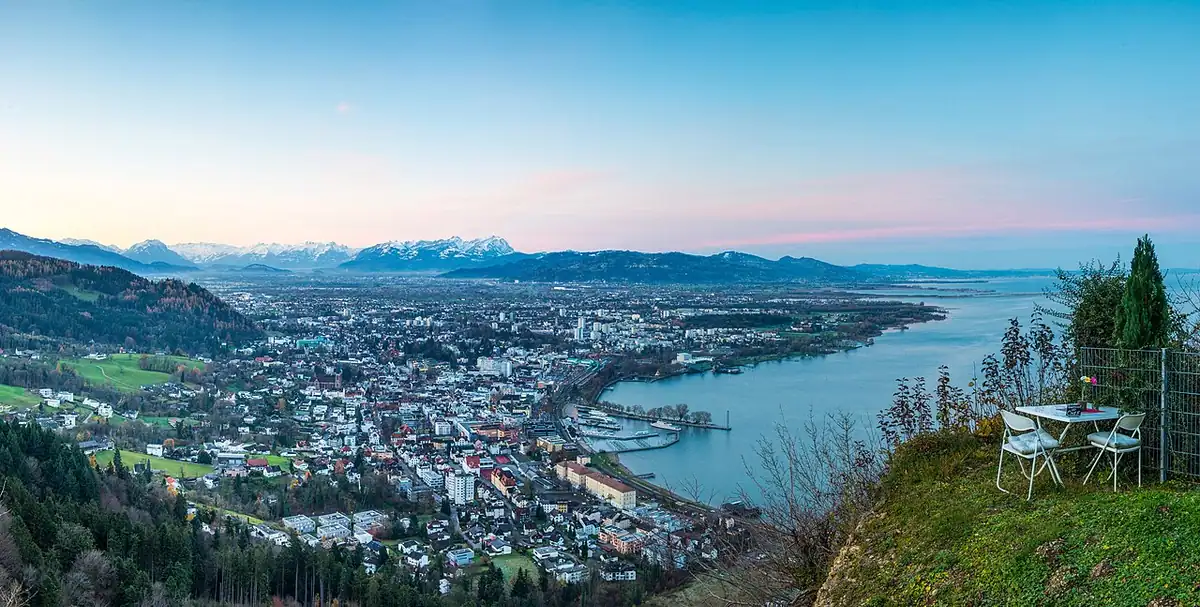 3 daysGood with kids
Liechtenstein
Feldkirch, Bregenz and Lake Constance
Feldkirch, Bregenz and Lindau
- Price
- $$$
- Difficulty
- Easy
- Best time:
- May–Sep
Safety, health and entry
Before you go
What to know about entry, health and safety before you go, summarized from official guidance for U.S. passport holders. Rules change, so confirm on the sources linked below.
Visa for U.S. citizens
Visa-free for up to 90 days
Visa-freePassport
Valid 3 months beyond departure, 2 blank pages
Vaccines
No vaccines required
State Department advisory
Exercise normal precautions
Level 1Entry and visas
Visa-free for up to 90 days
U.S. citizens do not need a visa for stays of 90 days or less in the Schengen area. Border officers may ask for proof of funds and a return ticket.
Have ready
- Valid 3 months beyond departure, 2 blank pages
- Keep proof of funds and a return ticket handy for border officers.
- Cash over 10,000 euros must be declared when entering or leaving.
- Count your 90 days across the whole Schengen area, not just Austria.
Health and vaccines
No vaccines required
Healthcare is excellent, but U.S. health plans may not cover care abroad. Take travel insurance with medical cover.
Drinking water: Tap water is safe to drink and of high quality.
Required to enter
No vaccines are required for U.S. travelers arriving directly.
Recommended by the CDC
Health risks
- Tick-borne diseases in wooded and grassy areas
- Altitude sickness in the Alps
Safety
Level 1: Exercise normal precautions
Exercise normal precautions
The U.S. State Department rates Austria Level 1. Crime is generally low, but pickpocketing is common in city centers and on trains. Terrorists are likely to try attacks, so stay alert in crowded places.
Watch for
- Pickpocketing in city centers, parks after dark, main stations and international trains
- Crowded places, where terrorists are likely to try attacks
- Demonstrations that can form with little warning
Local laws and customs
- Covering your face in public is generally illegal, with fines up to 150 euros.
- Validate public transport tickets or risk a fine of 100 to 500 euros.
Emergency numbers
- Emergency
- 112
- Police
- 133
- Ambulance
- 144
- Fire
- 122
Sources: U.S. State Department travel advisories · U.S. CDC travel health notices · UK government travel advice. Summarized in November 2026. Advisory levels and entry rules change, so confirm on the sources before you book.
Other governments: Canada, Spain (in Spanish), World Health Organization.
This is general information, not medical, legal or security advice.
Keep exploring
More in Europe
Your trip, your way.
Start from a guide or a blank page. Free on the web, with iPhone and Android apps coming soon.