
Europe
Iceland
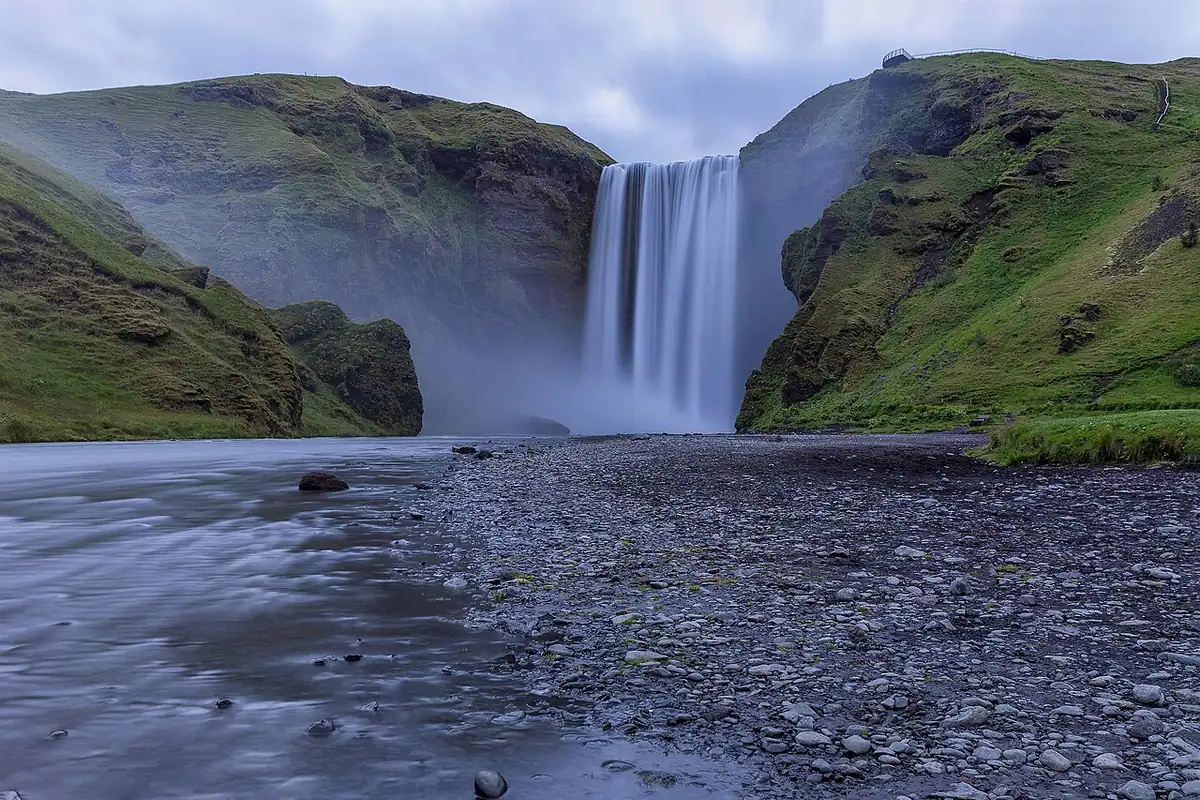
Geysers, glaciers, and light that never quite leaves
Photo: Alpár Bakó, CC0 · via Wikimedia Commons
Capital
Reykjavík
Languages
Icelandic, English widely spoken
Currency
Icelandic króna (ISK)
Plugs and power
Types C, F · 230 V
Drives on the
Right
Time zone
UTC+0, no daylight saving
The short version
What to expect in Iceland
Iceland sits on volcanic ground in the North Atlantic, with waterfalls, black sand beaches, glaciers and steaming hot springs. Most visitors drive the Ring Road, soak in geothermal pools and look for the northern lights in winter. Summer brings very long days, and Reykjavík is a small, walkable capital with cafés, museums and live music.
- Northern lights
- Geysers and hot springs
- Waterfalls and glaciers
- Ring Road road trips
Did you know?
Iceland has no native mosquitoes, so summer evenings are free of them.
Food and drink
What to eat in Iceland
- 01
Skyr
Thick, tangy dairy product eaten like yogurt, often with berries.
- 02
Kjötsúpa
Warming lamb and root vegetable soup, common in cold weather.
- 03
Pylsur
Icelandic hot dog, ordered with everything: onions, sauces and remoulade.
Language
Say it like a local
Icelandic
Halló
Hello
Takk fyrir
Thank you
Þetta reddast
It will all work out
Money and manners: Tipping is not expected, since service is included in prices. Cards are accepted almost everywhere, even for small purchases. Shower without swimwear before entering a public pool or hot spring, as the rules require.
Timing
When to go
The taller the bar, the more of our Iceland trips are at their best that month.
Best months: Jun–Sep
Guides
Trip guides for Iceland
 7 daysGood with kids
Iceland
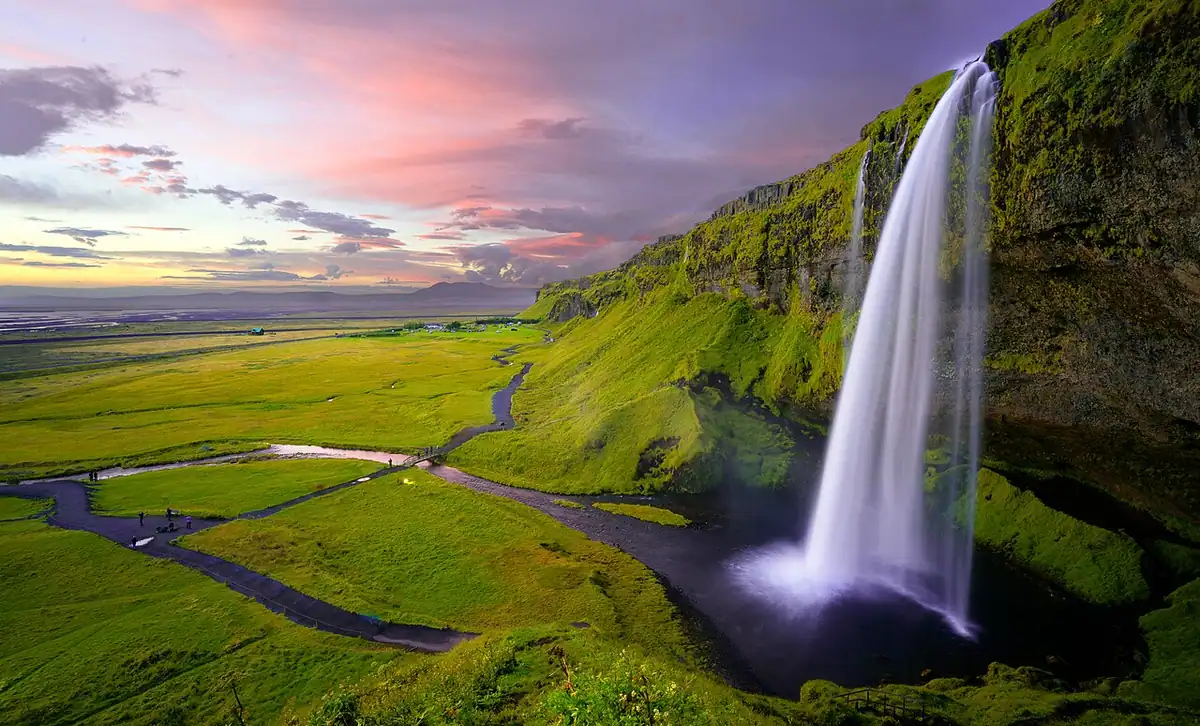
Iceland’s Ring Road in a week
Iceland’s Ring Road
- Price
- $$$
- Difficulty
- Moderate
- Best time:
- Jun–Sep
 4 daysGood with kids
Iceland
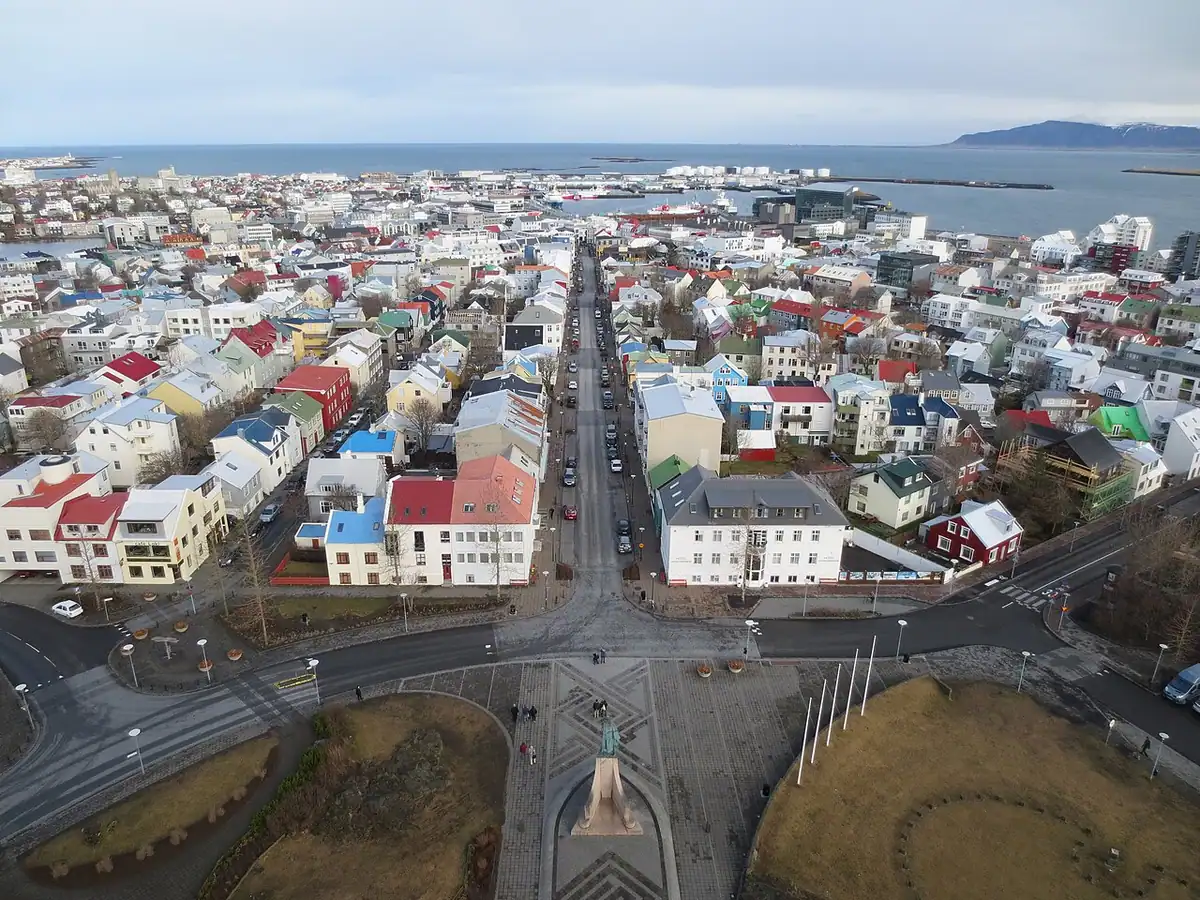
Reykjavik, whales and puffins
Reykjavik and the Golden Circle
- Price
- $$$
- Difficulty
- Easy
- Best time:
- May–Sep
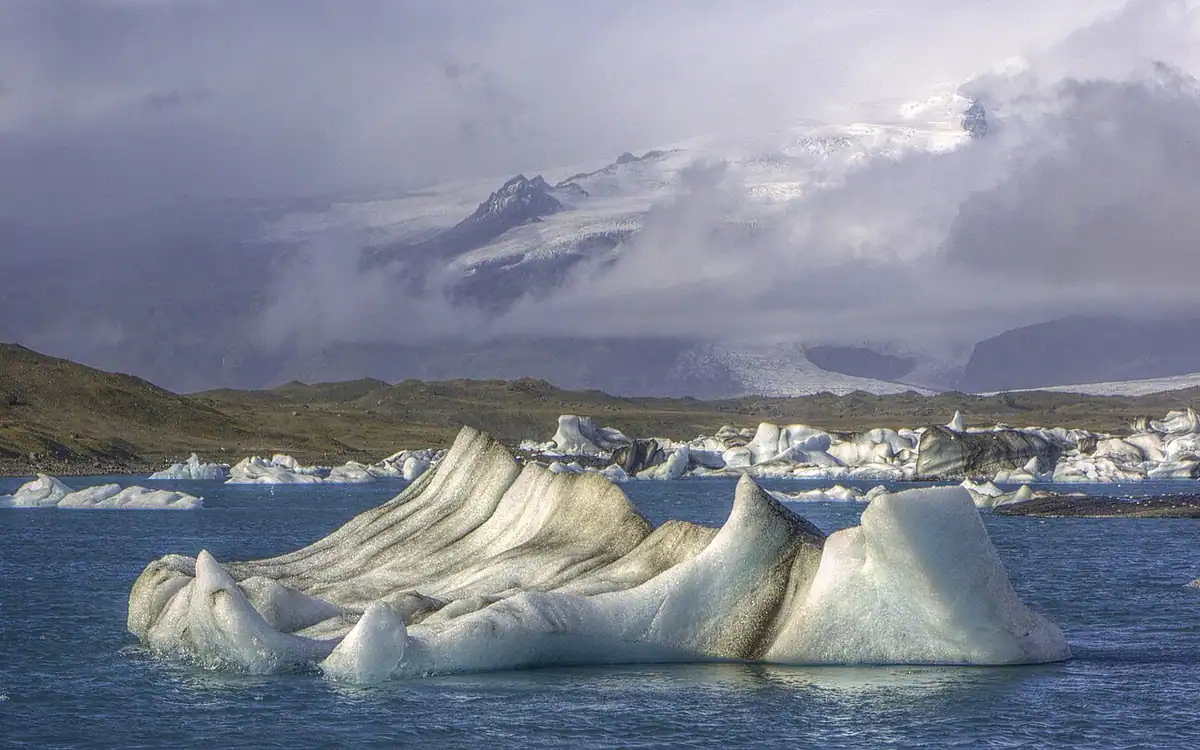 5 days
Iceland
Iceland’s south coast in winter
Golden Circle, Vík and Jökulsárlón
- Price
- $$$
- Difficulty
- Moderate
- Best time:
- Nov–Mar
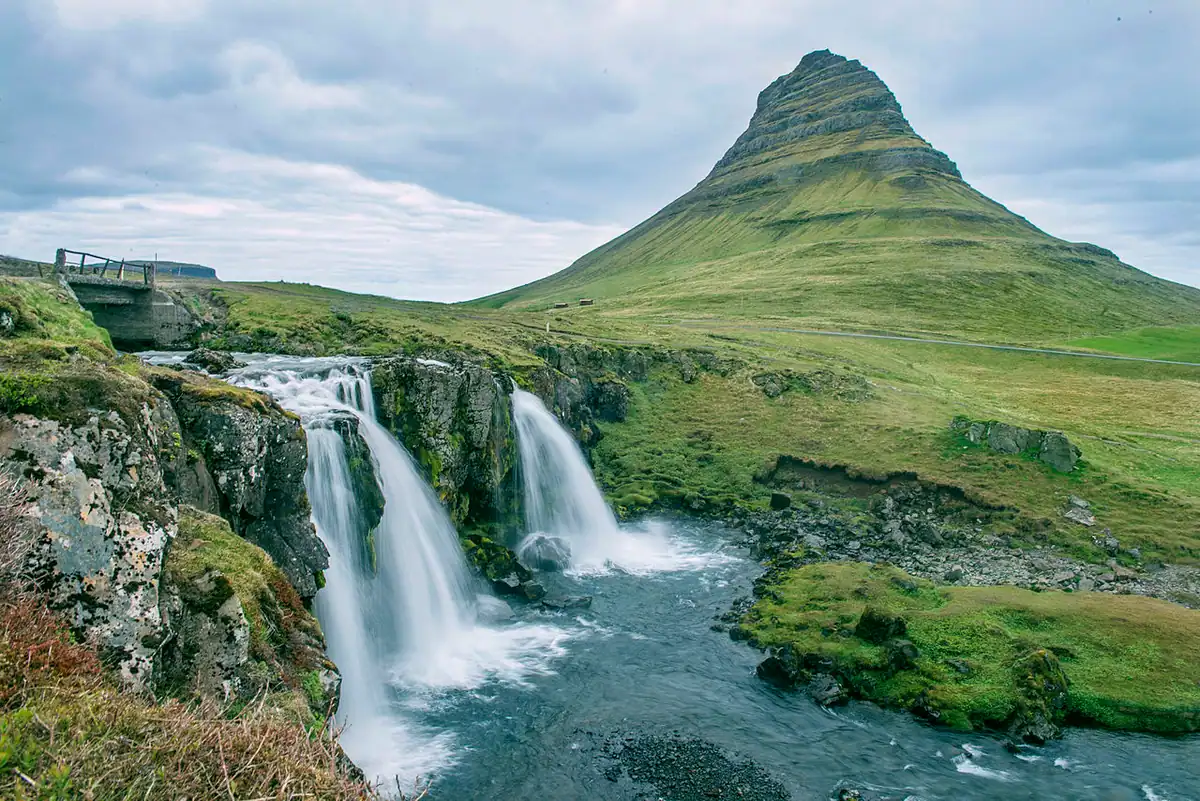 3 daysGood with kids
Iceland
Snæfellsnes Peninsula road trip
Borgarnes, Arnarstapi, Kirkjufell and Stykkishólmur
- Price
- $$$
- Difficulty
- Easy
- Best time:
- May–Sep
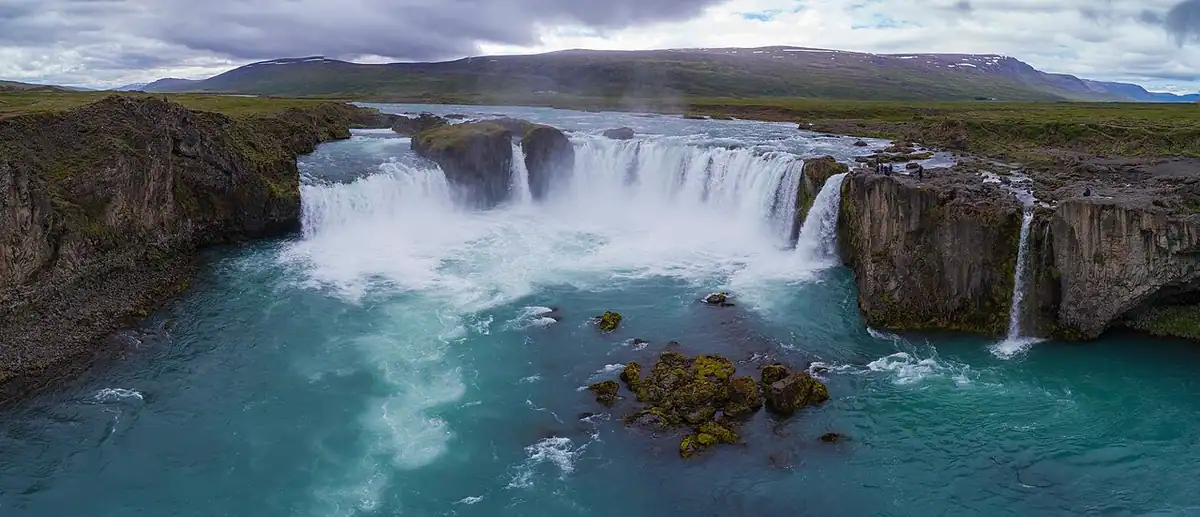 4 days
Iceland
North Iceland: Akureyri, Mývatn and Húsavík
Akureyri, Goðafoss, Lake Mývatn and Húsavík
- Price
- $$$
- Difficulty
- Moderate
- Best time:
- Jun–Sep
Safety, health and entry
Before you go
What to know about entry, health and safety before you go, summarized from official guidance for U.S. passport holders. Rules change, so confirm on the sources linked below.
Visa for U.S. citizens
Visa-free, 90 days in 180
Visa-freePassport
Valid 3 months after leaving Schengen
Vaccines
No vaccines required
State Department advisory
Exercise normal precautions
Level 1Entry and visas
Visa-free, 90 days in 180
U.S. citizens can visit Iceland without a visa for up to 90 days in any 180-day period, counting all Schengen stays. The EU Entry/Exit System registers fingerprints and a photo, so allow extra time at the border.
Have ready
- Valid 3 months after leaving Schengen
- You may be asked for a return ticket and proof of funds.
- The 90 days count across all Schengen countries together, so track your time in the zone.
- Allow extra time for Entry/Exit System registration at the border on busy days.
Health and vaccines
No vaccines required
Healthcare is good, but remote areas are far from hospitals. Carry travel insurance that covers medical care and mountain rescue for hiking.
Drinking water: Tap water is safe to drink and generally of very high quality.
Required to enter
No vaccines are required for U.S. travelers arriving directly.
Recommended by the CDC
Health risks
- Sudden weather changes and cold exposure
- Volcanic gas and ash near eruption areas
- Burns at hot springs and geothermal areas
Safety
Level 1: Exercise normal precautions
Exercise normal precautions
The U.S. State Department rates Iceland Level 1. Crime is low, with some petty theft around bars in downtown Reykjavik. The main risks are natural: weather changes fast, volcanic eruptions have hit the Reykjanes peninsula, and accidents are common near the ocean and cliff edges.
Avoid
- Closed zones near active volcanic eruptions, and the Highlands in winter.
Watch for
- Fast weather changes, so check conditions with Safe Travel Iceland
- Sneaker waves on black sand beaches, which have swept visitors out to sea
- Winter driving on icy roads and F-roads closed to ordinary cars
- Petty theft around downtown Reykjavik bars
Local laws and customs
- Illegal drugs, including cannabis, carry severe penalties.
- Off-road driving is illegal and heavily fined, as it damages fragile terrain.
- Tell someone your hiking plans, and register them in advance for remote routes.
Emergency numbers
- Emergency
- 112
Sources: U.S. State Department travel advisories · U.S. CDC travel health notices · UK government travel advice. Summarized in November 2026. Advisory levels and entry rules change, so confirm on the sources before you book.
Other governments: Canada, Spain (in Spanish), World Health Organization.
This is general information, not medical, legal or security advice.
Keep exploring
More in Europe


Your trip, your way.
Start from a guide or a blank page. Free on the web, with iPhone and Android apps coming soon.