
Europe
Cyprus
Mediterranean sun, mountain villages, and long meze lunches
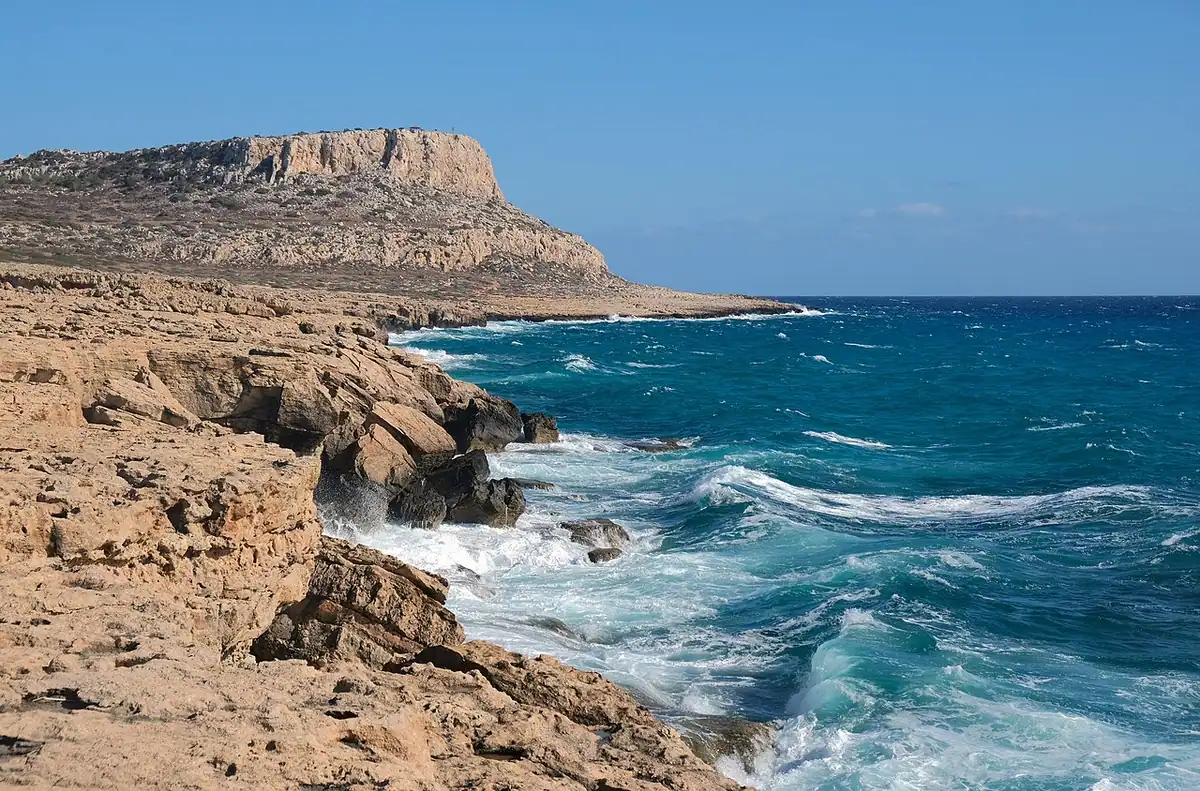
Photo: kallerna, CC BY-SA 4.0 · via Wikimedia Commons
Capital
Nicosia
Languages
Greek, Turkish (English widely spoken)
Currency
Euro (EUR)
Plugs and power
Type G · 230 V
Drives on the
Left
Time zone
UTC+2, UTC+3 in summer (daylight saving)
The short version
What to expect in Cyprus
Cyprus is a sunny island in the eastern Mediterranean with beaches, Roman mosaics, Byzantine churches and wine villages in the Troodos Mountains. Visitors swim at Ayia Napa, see Paphos, walk the old streets of Nicosia and spend long afternoons over shared plates. Nicosia is divided by a UN buffer zone, which is part of the island's modern story.
- Beaches and clear water
- Ancient Paphos mosaics
- Troodos mountain villages
- Halloumi cheese
Did you know?
In Greek myth, Cyprus is the birthplace of Aphrodite, and a rock formation near Paphos is known as her birthplace.
Food and drink
What to eat in Cyprus
- 01
Halloumi
Firm cheese from sheep and goat milk, usually grilled.
- 02
Meze
A long meal of many small shared dishes.
- 03
Kleftiko
Lamb baked slowly with herbs and potatoes until it falls apart.
Language
Say it like a local
Greek
Γεια σας (Yia sas)
Hello
Ευχαριστώ (Efcharistó)
Thank you
Παρακαλώ (Parakaló)
Please / You're welcome
Money and manners: Remember to drive on the left, which surprises many visitors. Tipping about 10 percent in restaurants is common if no service charge is added.
Timing
When to go
The taller the bar, the more of our Cyprus trips are at their best that month.
Best months: Apr–Jun, Sep–Oct
Guides
Trip guides for Cyprus
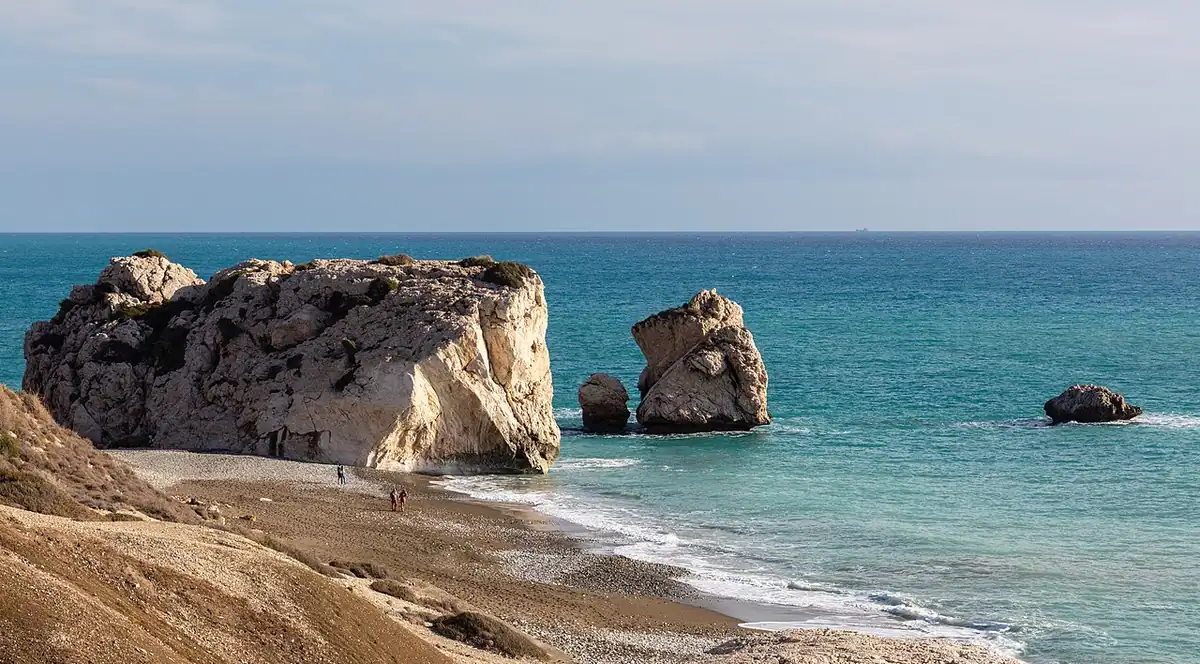 5 daysGood with kids
Cyprus
Cyprus
Paphos, Troodos, Ayia Napa and Larnaca
- Price
- $$$
- Difficulty
- Easy
- Best time:
- Apr–May, Oct–Nov
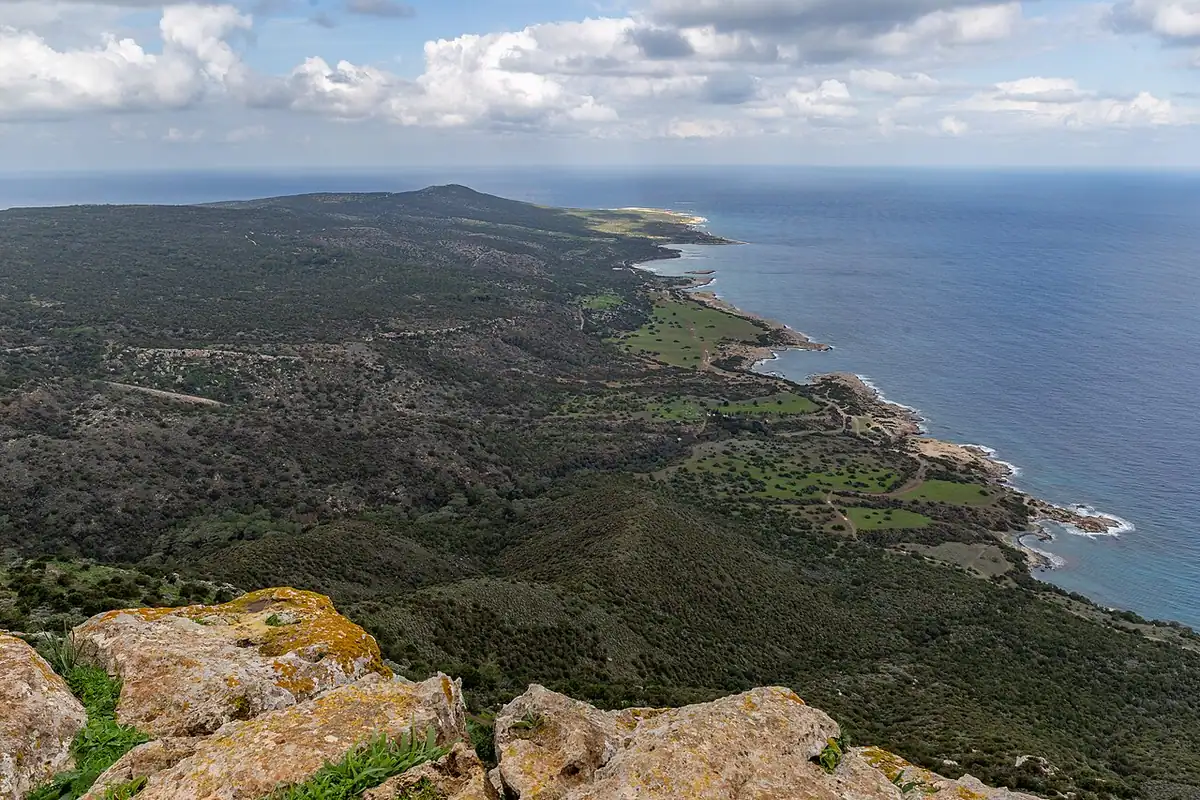 4 daysGood with kids
Cyprus
Paphos, Aphrodite’s coast and the Akamas
Paphos, Kourion and the Akamas Peninsula
- Price
- $$$
- Difficulty
- Easy
- Best time:
- Apr–Jun, Sep–Oct
 4 days
Cyprus
Troodos mountains and painted churches
Troodos, Omodos, Kakopetria and Lefkara
- Price
- $$$
- Difficulty
- Moderate
- Best time:
- Apr–Jun, Sep–Oct
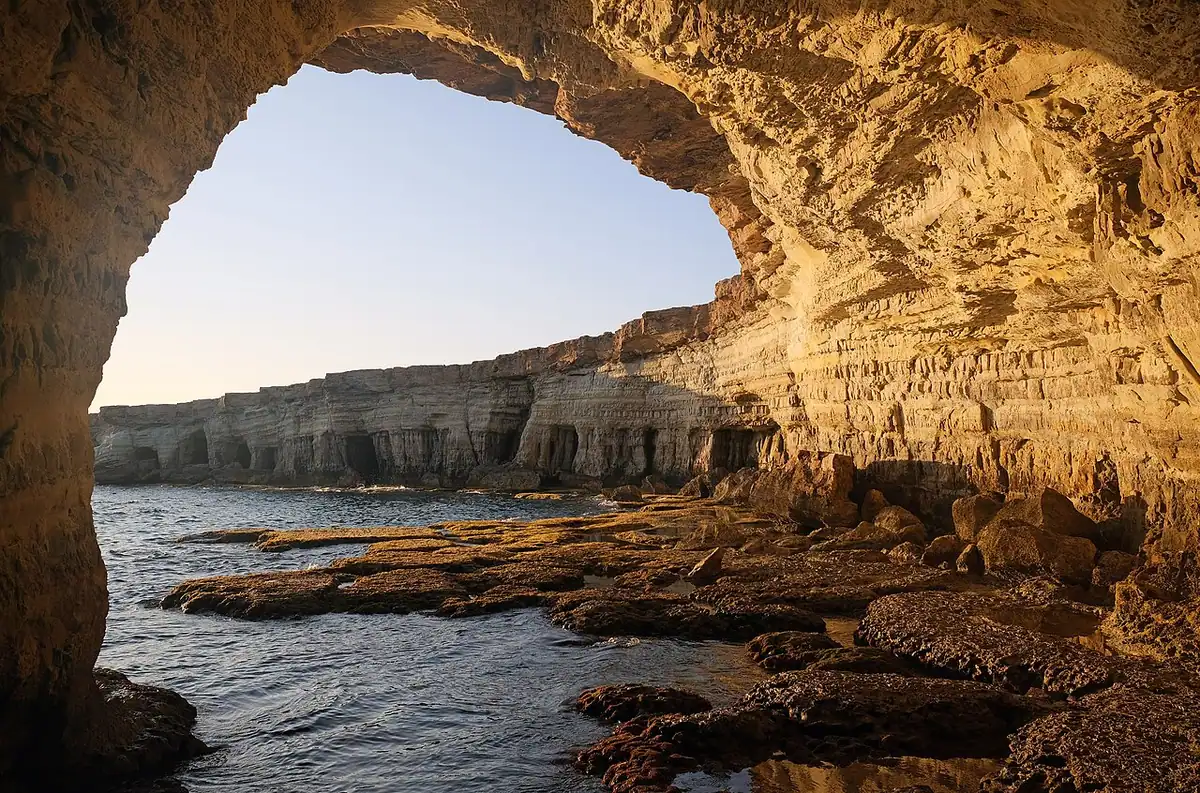 3 daysGood with kids
Cyprus
Larnaca and Ayia Napa beach break
Larnaca, Ayia Napa and Protaras
- Price
- $$$
- Difficulty
- Easy
- Best time:
- May–Oct
 3 days
Cyprus
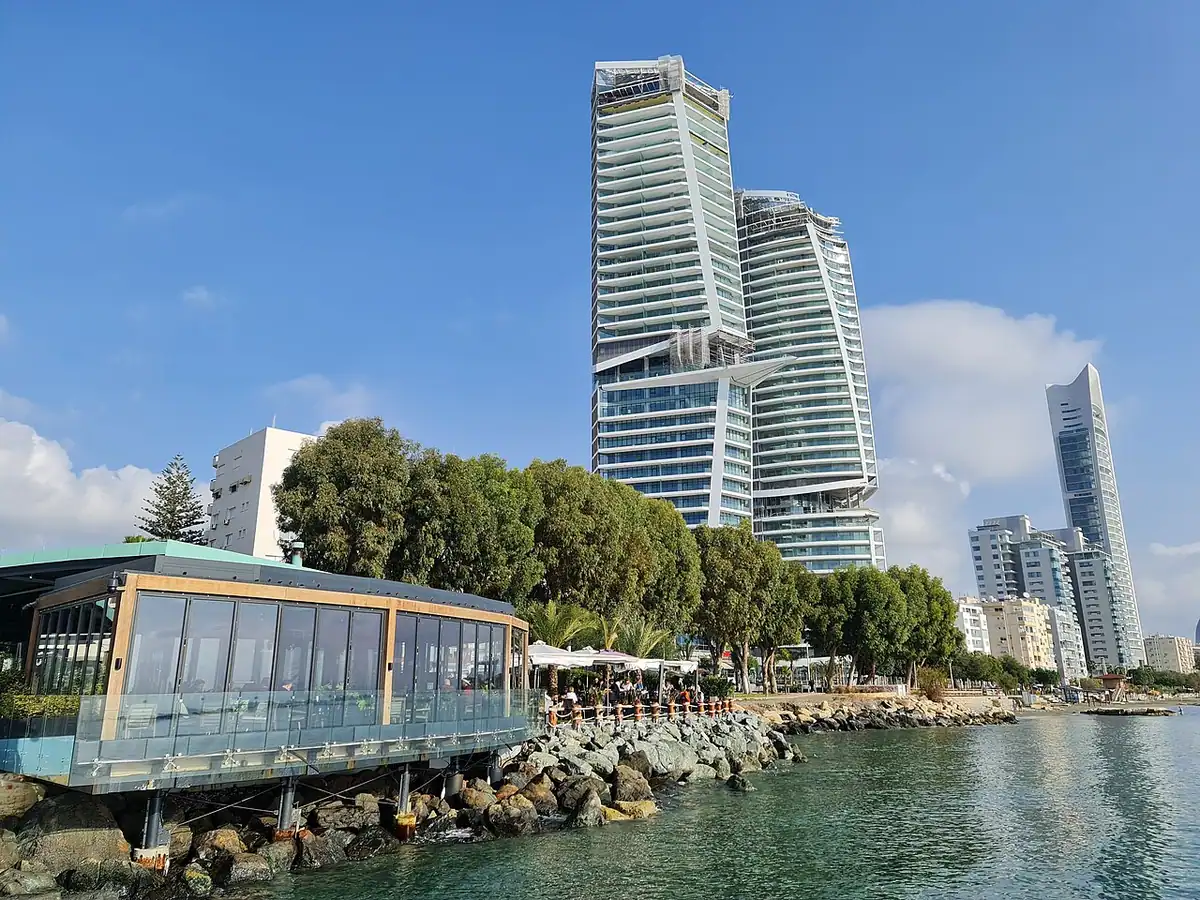
Nicosia and Limassol city break
Nicosia and Limassol
- Price
- $$$
- Difficulty
- Easy
- Best time:
- Mar–May, Oct–Nov
Safety, health and entry
Before you go
What to know about entry, health and safety before you go, summarized from official guidance for U.S. passport holders. Rules change, so confirm on the sources linked below.
Visa for U.S. citizens
Visa-free up to 90 days
Visa-freePassport
Issued within 10 years, valid 3 months after departure
Vaccines
No vaccines required
State Department advisory
Exercise normal precautions
Level 1Entry and visas
Visa-free up to 90 days
U.S. citizens can visit the Republic of Cyprus without a visa for up to 90 days. This is separate from the Schengen allowance, since Cyprus is not in Schengen.
Have ready
- Issued within 10 years, valid 3 months after departure
- Your passport needs at least one blank page.
- Officers may ask for a return ticket and proof of funds.
- Entering through ports in the north can cause problems if you later try to cross to the south, so use recognized crossing points.
Health and vaccines
No vaccines required
Medical care is generally good. Carry travel insurance with medical evacuation cover, since U.S. health plans rarely cover care abroad.
Drinking water: Tap water is generally safe, though many visitors prefer bottled water for taste.
Required to enter
No vaccines are required for U.S. travelers arriving directly.
Recommended by the CDC
Health risks
- Ticks and biting insects
- Strong summer heat
- Wildfire smoke in dry months
Safety
Level 1: Exercise normal precautions
Check the official advisory before you go
Crime against tourists is uncommon, but drink spiking and drug-assisted assaults happen in bars and clubs, wildfire risk is high from April to October, and flights were disrupted by the U.S.-Iran hostilities that began in February 2026. The U.S. Embassy can give only limited help in the Turkish Cypriot-administered north, so read the current State Department advisory.
Avoid
- The UN buffer zone, except at designated crossing points.
Watch for
- Drink spiking in bars and clubs
- Wildfires from April to October
- Driving on the left and narrow mountain roads
- Protests that can block roads
Local laws and customs
- Zero-tolerance drug policy, including cannabis, with long sentences.
- Photographing military installations is prohibited.
- Carry your passport or ID; police may ask for it.
Emergency numbers
- Emergency
- 112
- Police
- 199
- Ambulance
- 199
- Fire
- 199
Sources: U.S. State Department travel advisories · U.S. CDC travel health notices · UK government travel advice. Summarized in November 2026. Advisory levels and entry rules change, so confirm on the sources before you book.
Other governments: Canada, Spain (in Spanish), World Health Organization.
This is general information, not medical, legal or security advice.
Keep exploring
More in Europe

Your trip, your way.
Start from a guide or a blank page. Free on the web, with iPhone and Android apps coming soon.