
Europe
Croatia
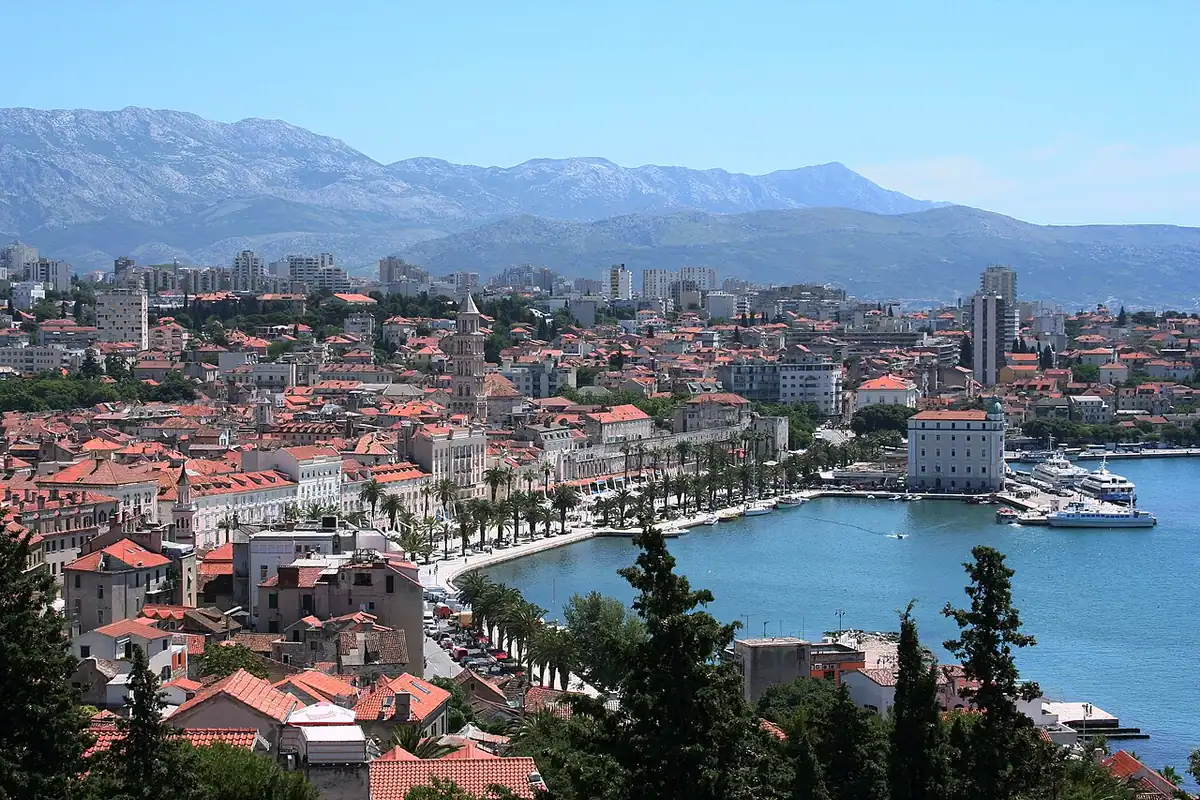
Stone towns on a thousand-island coastline
Photo: Tatyana Peshkova, CC BY-SA 4.0 · via Wikimedia Commons
Capital
Zagreb
Languages
Croatian
Currency
Euro (EUR)
Plugs and power
Types C, F · 230 V
Drives on the
Right
Time zone
UTC+1, UTC+2 in summer (daylight saving)
The short version
What to expect in Croatia
Croatia curves along the Adriatic with walled towns like Dubrovnik and Split, island ferries and clear water for swimming. Inland, Plitvice Lakes has waterfalls and wooden walkways, and Zagreb has cafés, markets and a relaxed old center. Summer is busy on the coast, while spring and autumn are quieter and still warm.
- Dubrovnik's city walls
- Plitvice Lakes
- Island hopping
- Adriatic seafood
Did you know?
The necktie traces back to the scarves worn by Croatian soldiers in the 1600s, and the word "cravat" comes from "Croat."
Food and drink
What to eat in Croatia
- 01
Peka
Meat or octopus with potatoes, slow baked under an iron bell.
- 02
Crni rižot
Black risotto colored and flavored with cuttlefish ink.
- 03
Štrukli
Baked or boiled dough filled with soft cheese, from the Zagreb area.
Language
Say it like a local
Croatian
Bok
Hello
Hvala
Thank you
Molim
Please / You're welcome
Money and manners: Rounding up the bill or leaving about 10 percent is common in restaurants. Cover your shoulders and knees when entering churches.
Timing
When to go
The taller the bar, the more of our Croatia trips are at their best that month.
Best months: May–Jun, Sep–Oct
Guides
Trip guides for Croatia
 7 daysGood with kids
Croatia
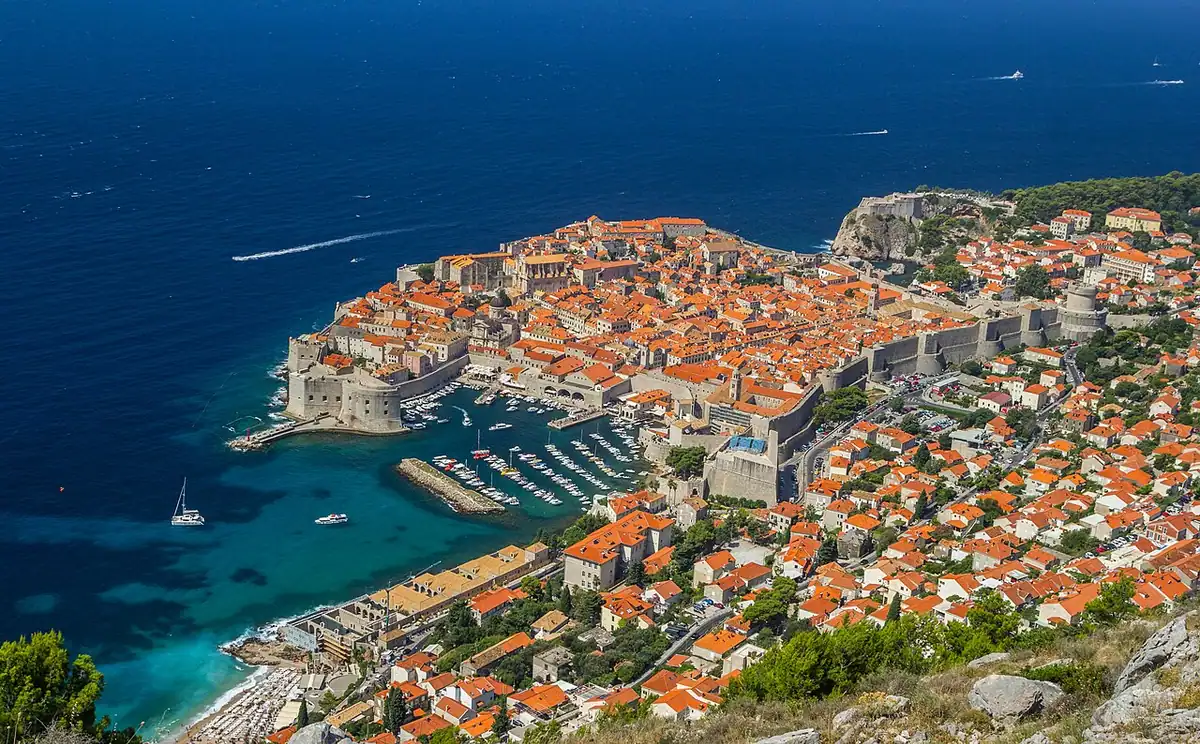
Croatia: Split, Hvar and Dubrovnik
Split, Hvar, Korčula and Dubrovnik
- Price
- $$$
- Difficulty
- Easy
- Best time:
- May–Jun, Sep–Oct
 5 daysGood with kids
Croatia
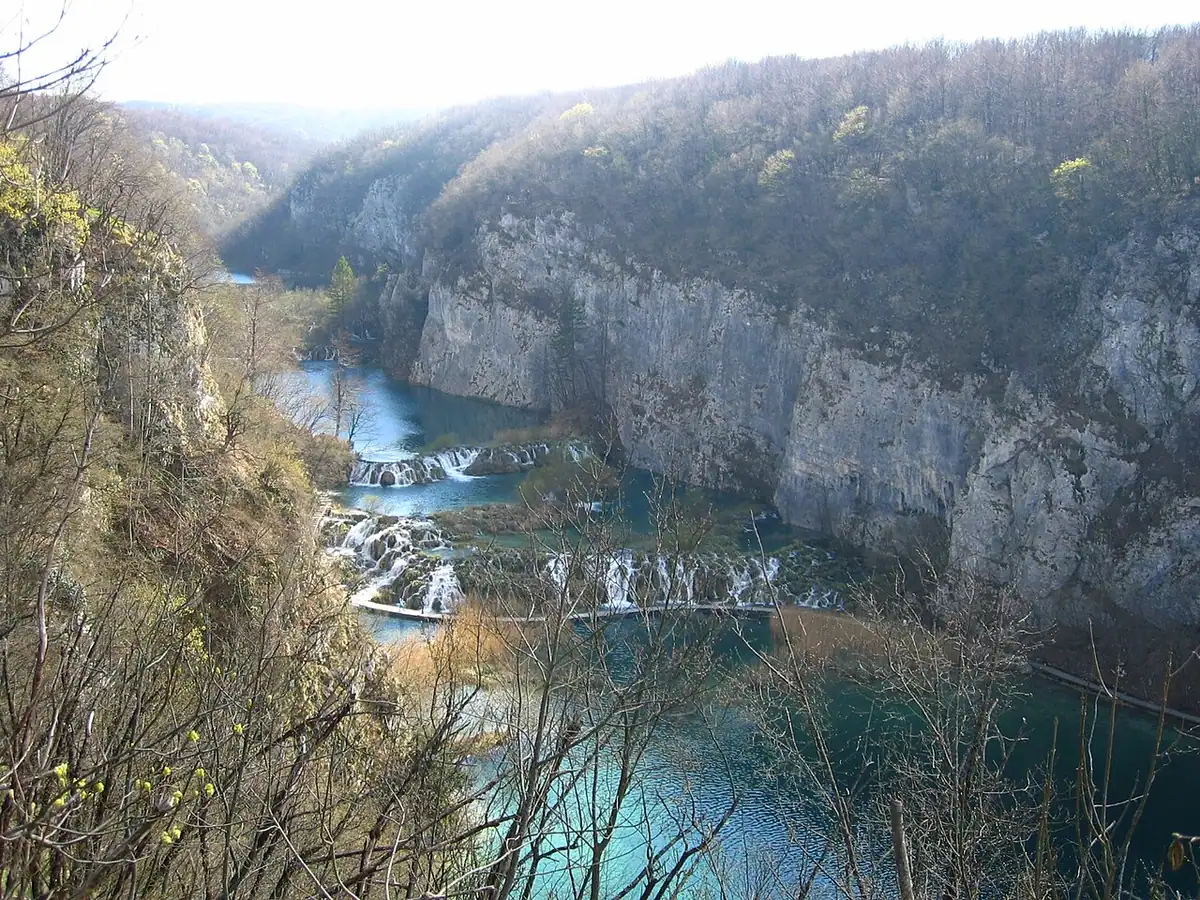
Croatia: Istria and Plitvice Lakes
Rovinj, Pula, Motovun and Plitvice
- Price
- $$$
- Difficulty
- Moderate
- Best time:
- May–Jun, Sep–Oct
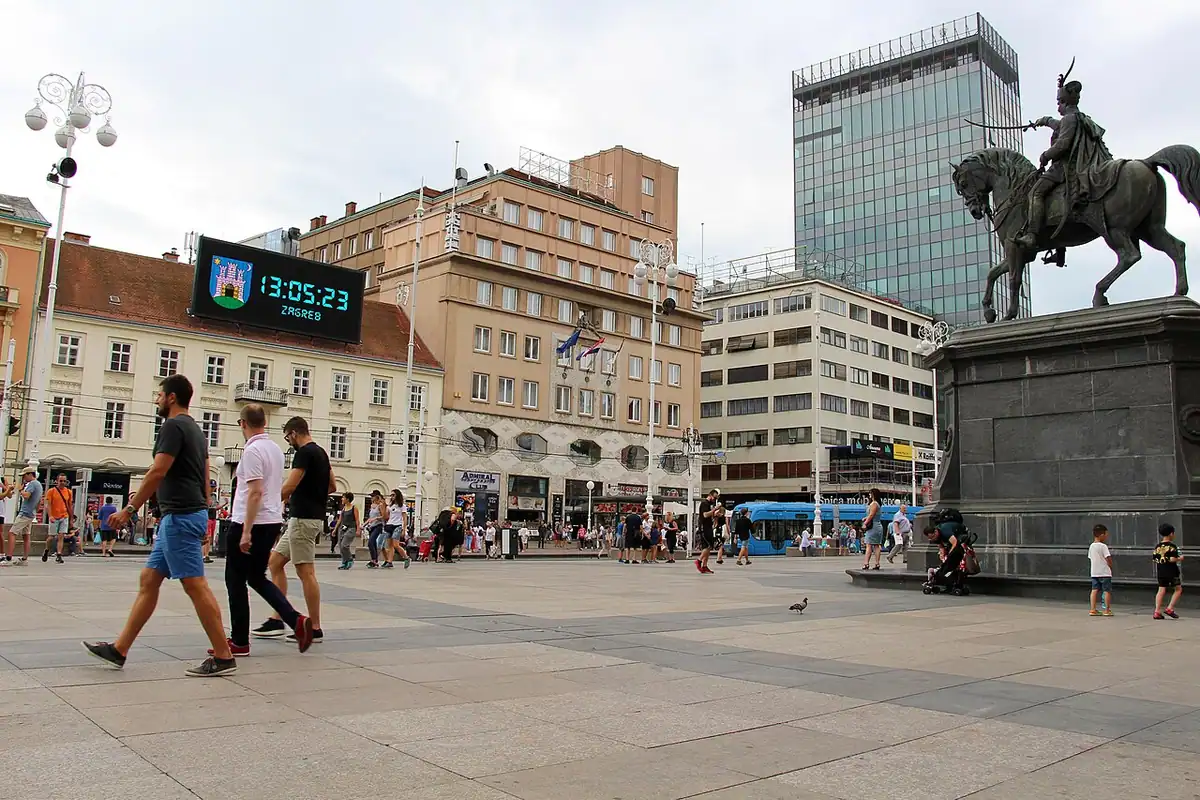 3 daysGood with kids
Croatia
Zagreb and Varaždin
Zagreb and Varaždin
- Price
- $$$
- Difficulty
- Easy
- Best time:
- Apr–Jun, Sep–Oct, Dec
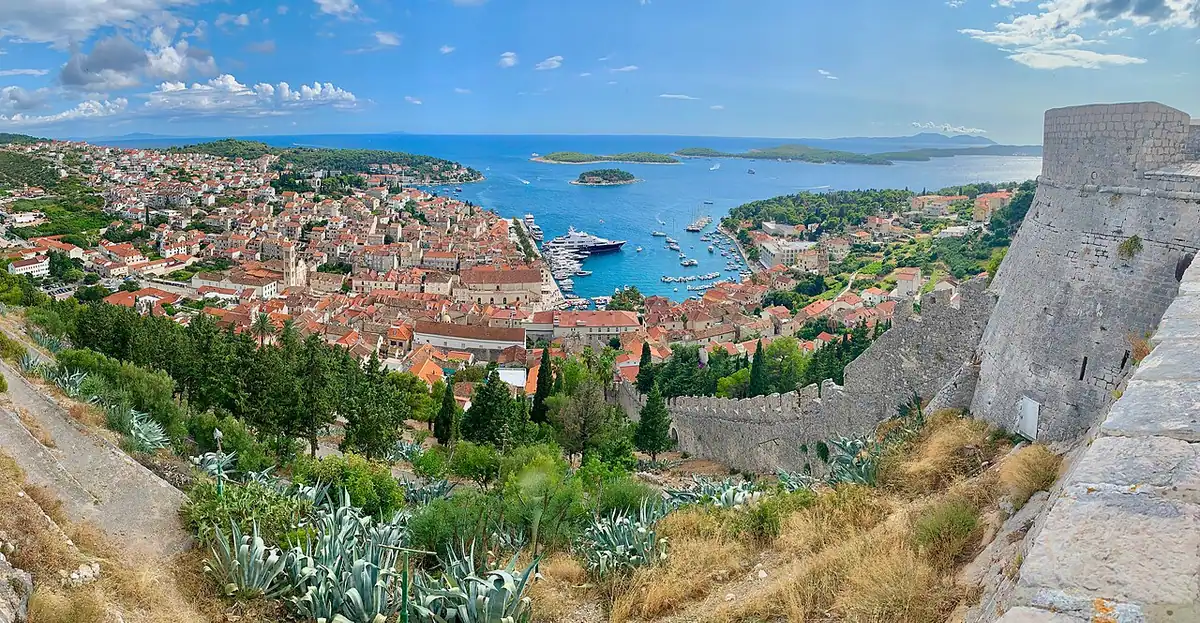 4 days
Croatia
Hvar and Vis island hopping
Hvar, Pakleni Islands and Vis
- Price
- $$$
- Difficulty
- Easy
- Best time:
- May–Jun, Sep–Oct
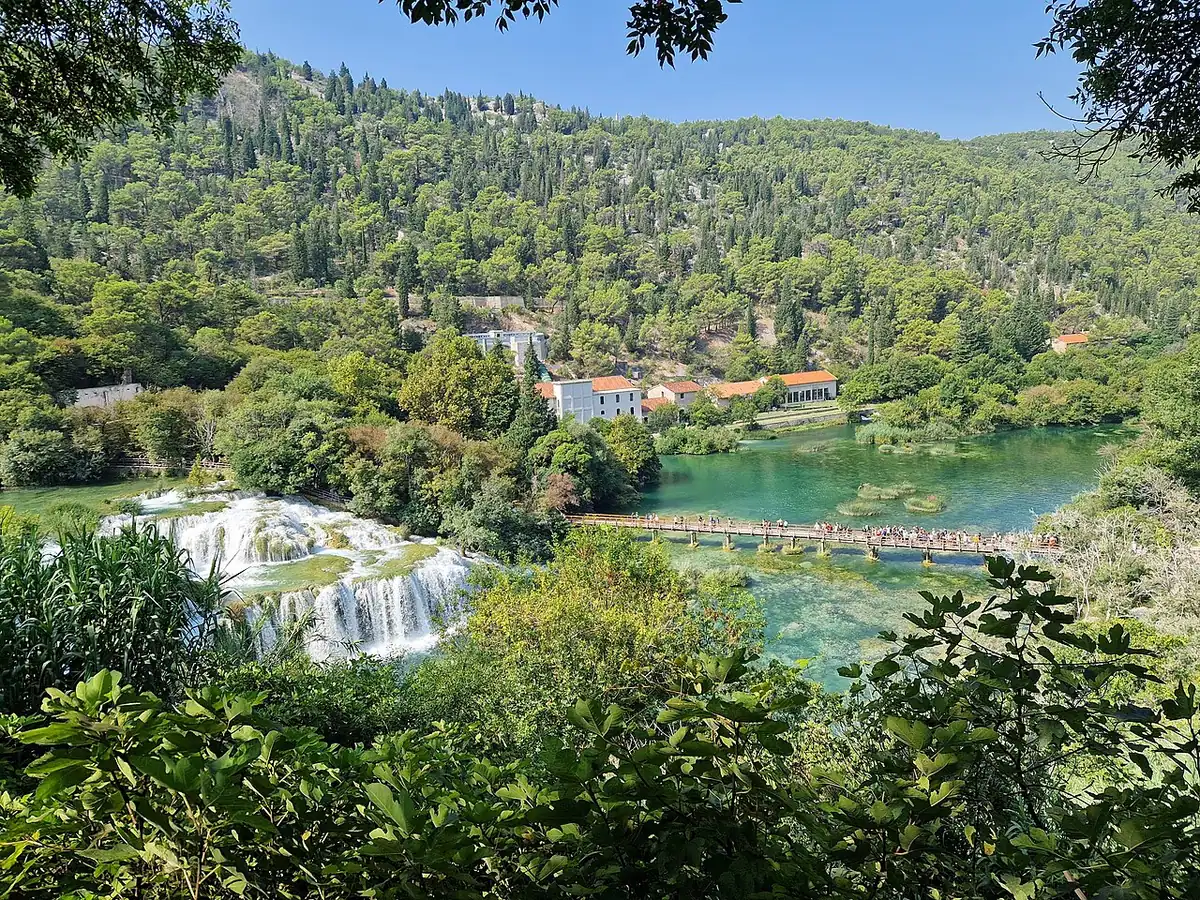 4 daysGood with kids
Croatia
Zadar, Krka and the Kornati islands
Zadar, Krka National Park and Kornati
- Price
- $$$
- Difficulty
- Moderate
- Best time:
- May–Jun, Sep–Oct
Safety, health and entry
Before you go
What to know about entry, health and safety before you go, summarized from official guidance for U.S. passport holders. Rules change, so confirm on the sources linked below.
Visa for U.S. citizens
Visa-free up to 90 days
Visa-freePassport
Issued within 10 years, valid 3 months after leaving
Vaccines
No vaccines required
State Department advisory
Exercise normal precautions
Level 1Entry and visas
Visa-free up to 90 days
U.S. citizens can visit Croatia without a visa for up to 90 days in any 180-day period under Schengen rules. The EU Entry/Exit System records fingerprints and a photo at the border.
Have ready
- Issued within 10 years, valid 3 months after leaving
- Officers may ask for an onward ticket, proof of funds and proof of accommodation.
- ETIAS, an online authorization for Americans, is planned; check whether it is in force before you book.
- Days spent in other Schengen countries count toward the same 90 days.
Health and vaccines
No vaccines required
Hospitals are generally adequate, with limited services on some islands. Carry travel insurance that includes medical evacuation, since U.S. health plans rarely cover care abroad.
Drinking water: Tap water is generally safe to drink across the country.
Required to enter
No vaccines are required for U.S. travelers arriving directly.
Recommended by the CDC
Health risks
- Ticks in wooded and rural areas
- Biting insects in summer
- Summer heat and sun
Safety
Level 1: Exercise normal precautions
Exercise normal precautions
The U.S. State Department rates Croatia Level 1. Violent crime is rare, but pickpockets work tourist areas and some nightclubs overcharge visitors heavily. Unexploded mines remain in former war zones.
Avoid
- Stay on marked paths in former war zones such as Eastern Slavonia, Karlovac, Zadar county and remote parts of Plitvice Lakes, where mines remain.
Watch for
- Pickpockets in Dubrovnik, Split and other busy tourist areas
- Overcharging at some nightclubs and bars
- Sexual assaults in taxis have been reported; share your ride details
- Summer wildfires and occasional earthquakes
Local laws and customs
- Carry your passport or ID; police can ask for it.
- Drug possession is illegal and penalties can be severe.
- Public drunkenness and swimming in town centers are fined, and some towns ban walking shirtless.
Emergency numbers
- Emergency
- 112
- Police
- 192
- Ambulance
- 194
- Fire
- 193
Sources: U.S. State Department travel advisories · U.S. CDC travel health notices · UK government travel advice. Summarized in November 2026. Advisory levels and entry rules change, so confirm on the sources before you book.
Other governments: Canada, Spain (in Spanish), World Health Organization.
This is general information, not medical, legal or security advice.
Keep exploring
More in Europe

Your trip, your way.
Start from a guide or a blank page. Free on the web, with iPhone and Android apps coming soon.