
Middle East
Syria
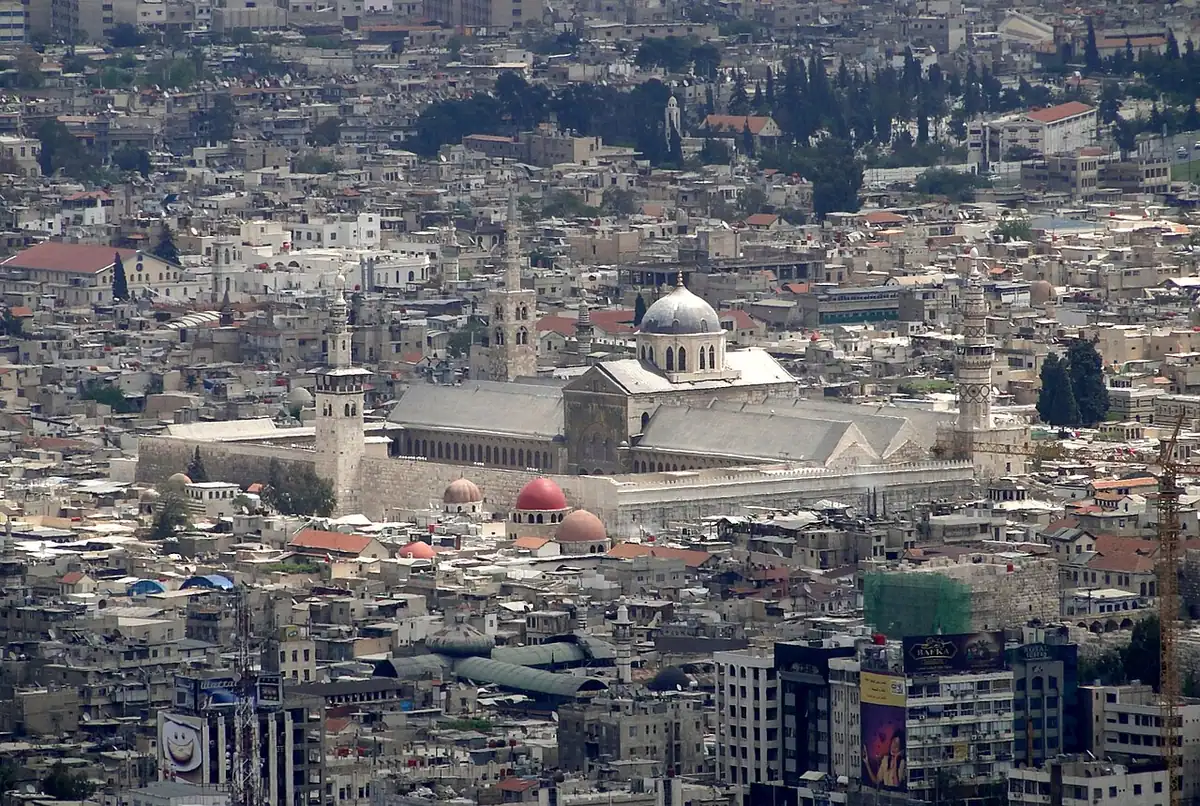
Ancient souks and cities older than writing
Photo: Bernard Gagnon, CC BY-SA 3.0 · via Wikimedia Commons
Capital
Damascus
Languages
Arabic, Kurdish, Armenian, Aramaic
Currency
Syrian pound (SYP)
Plugs and power
Types C, E, L · 220 V
Drives on the
Right
Time zone
UTC+3, no daylight saving
The short version
What to expect in Syria
Syria sits at the eastern end of the Mediterranean, with coast, mountains, farmland and desert. Damascus and Aleppo have been inhabited for thousands of years, and the country is known for its old markets, mosques, churches, citadels and Roman ruins. Years of war have damaged many sites and most governments advise against all travel, so check official advice before making any plans.
- Old Damascus and its souks
- Aleppo's citadel
- Palmyra's Roman ruins
- Crusader castle Krak des Chevaliers
Did you know?
Damascus is often counted among the cities that have been lived in continuously for the longest time.
Food and drink
What to eat in Syria
- 01
Kibbeh
Bulgur and minced meat shells, fried or baked, often stuffed.
- 02
Fattoush
Chopped vegetable salad with toasted bread and sumac.
- 03
Aleppo pistachio sweets
Baklava and other pastries made with local pistachios and syrup.
Language
Say it like a local
Arabic
مرحبا (marhaba)
Hello
شكراً (shukran)
Thank you
يعطيك العافية (ya'teek al-afiya)
Well done, thanks for your effort
Money and manners: Dress modestly, especially at mosques and churches, and ask before photographing people or any government or military site.
Timing
When to go
Spring and autumn are milder than the hot summers and cold winters, but most governments advise against all travel, so check current advice first.
Best months: Apr–May, Oct
Guides
No trip guides for Syria yet
We have not written a trip guide here yet. The facts below cover entry, health and safety, and you can still plan a trip of your own in Andamos.
Safety, health and entry
Before you go
What to know about entry, health and safety before you go, summarized from official guidance for U.S. passport holders. Rules change, so confirm on the sources linked below.
Visa for U.S. citizens
Visa required, travel not advised
Visa in advancePassport
Valid at least 3 months after arrival
Vaccines
No vaccines required, healthcare collapsed
State Department advisory
Do not travel
Level 4Entry and visas
Visa required, travel not advised
U.S. citizens need a visa to enter Syria, and the State Department tells Americans not to travel there. U.S. consular help inside the country is not available, so entry is a serious risk even with a visa.
Have ready
- Valid at least 3 months after arrival
- Apply for the visa before you travel, through Syrian authorities. Processing has recently taken about 5 to 7 days, but times vary.
- Entering Syria illegally can bring fines or prison. Rules for U.S. passports could not be fully confirmed, check before booking.
- A passport showing past travel to Israel may lead to refusal of entry.
Health and vaccines
No vaccines required, healthcare collapsed
Many hospitals and clinics were destroyed or no longer work, and basic medicines are scarce. Medical evacuation insurance is essential, though evacuation may not be possible.
Drinking water: Do not drink tap water; use bottled or properly treated water, as cholera is presumed present.
Required to enter
No vaccines are required for U.S. travelers arriving directly.
Recommended by the CDC
Health risks
- Cholera outbreaks
- Malaria in some areas
- Shortages of medicines and supplies
Safety
Level 4: Do not travel
Level 4: Do not travel
The State Department rates Syria Level 4, Do not travel, because of armed conflict, terrorism, unexploded ordnance, kidnapping and the risk of wrongful detention. The U.S. government has very limited ability to help Americans there.
Avoid
- The whole country. Do not travel near front lines, border areas or any zone with armed groups.
Watch for
- Active fighting, airstrikes and clashes between armed groups in several regions
- Landmines and unexploded ordnance, including in areas that look calm
- Kidnapping and arbitrary detention of foreigners
- Checkpoints run by different groups, and unreliable roads and fuel
Local laws and customs
- Entering the country illegally can lead to fines or prison.
- Photographing military sites, checkpoints or officials can lead to arrest.
- Dress and behave conservatively and respect local religious customs.
Emergency numbers
- Emergency
- 112
- Police
- 112
- Ambulance
- 110
- Fire
- 113
Sources: U.S. State Department travel advisories · U.S. CDC travel health notices · UK government travel advice. Summarized in November 2026. Advisory levels and entry rules change, so confirm on the sources before you book.
Other governments: Canada, Spain (in Spanish), World Health Organization.
This is general information, not medical, legal or security advice.
Keep exploring
More in Middle East




Your trip, your way.
Start from a guide or a blank page. Free on the web, with iPhone and Android apps coming soon.