
Middle East
Israel
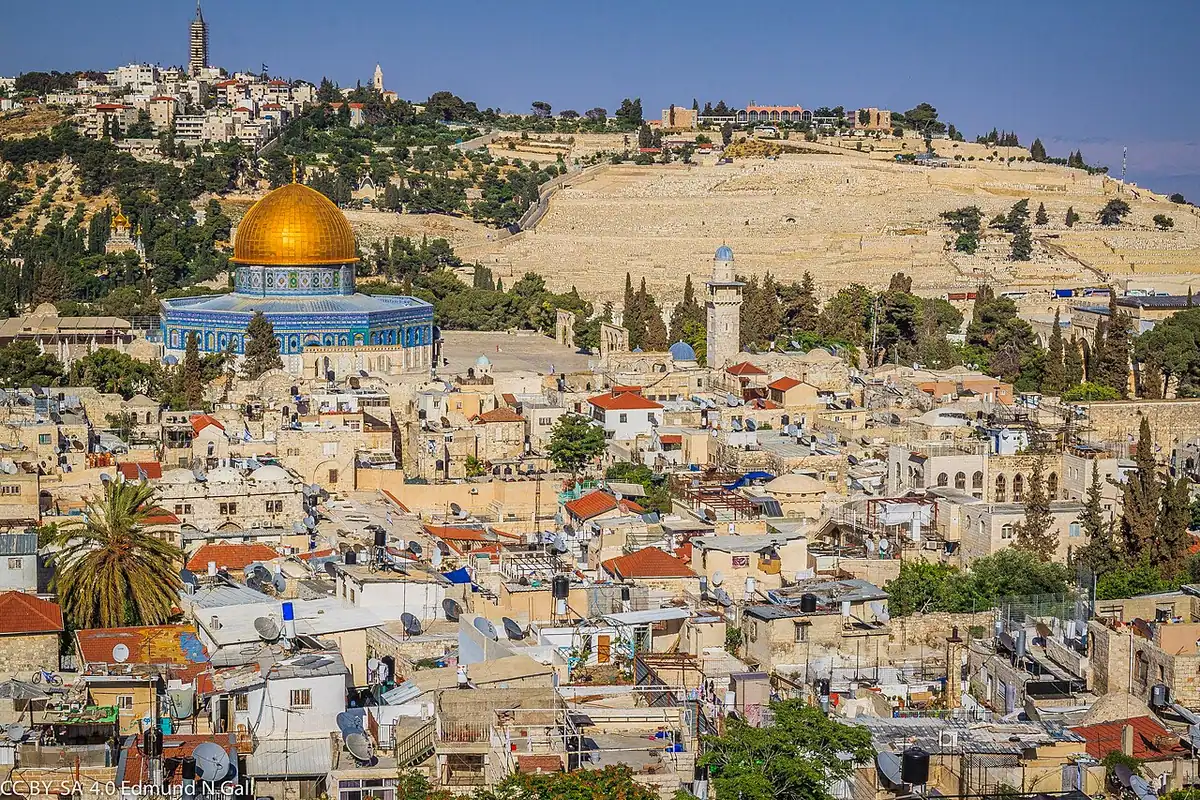
Holy cities, Mediterranean beaches and the Dead Sea
Photo: Edmund Gall, CC BY-SA 2.0 · via Wikimedia Commons
Capital
Jerusalem (status disputed internationally)
Languages
Hebrew, Arabic, English widely spoken
Currency
Israeli new shekel (ILS)
Plugs and power
Types C, H · 230 V
Drives on the
Right
Time zone
UTC+2, daylight saving in summer (UTC+3)
The short version
What to expect in Israel
Israel packs a lot into a small area: the Old City of Jerusalem, Tel Aviv's beaches and cafes, Galilee hills, and the Negev desert and Dead Sea. The country is sacred to Jews, Christians and Muslims, and its food and nightlife are lively. Ongoing conflict, rocket fire and tension in the West Bank and near Gaza affect safety, so check current government advice and local news before and during any trip.
- Jerusalem's Old City
- Dead Sea floating
- Tel Aviv beaches and food
- Masada and desert hikes
Did you know?
The Dead Sea is so salty that swimmers float without effort, and its shore lies far below sea level.
Food and drink
What to eat in Israel
- 01
Hummus
Warm chickpea paste with tahini, olive oil and pita, often eaten for breakfast.
- 02
Shakshuka
Eggs poached in a spiced tomato and pepper sauce.
- 03
Falafel
Fried chickpea balls stuffed into pita with salad and tahini.
Language
Say it like a local
Hebrew
שלום (shalom)
Hello / Peace
תודה (toda)
Thank you
סבבה (sababa)
Cool, all good
Money and manners: From Friday evening to Saturday evening (Shabbat) public transport largely stops and many shops close in Jewish areas. Dress modestly at holy sites; restaurant tips of 10 to 15 percent are usual.
Timing
When to go
The taller the bar, the more of our Israel trips are at their best that month.
Best months: Mar–May, Oct–Nov
Guides
Trip guides for Israel
 4 days
Israel
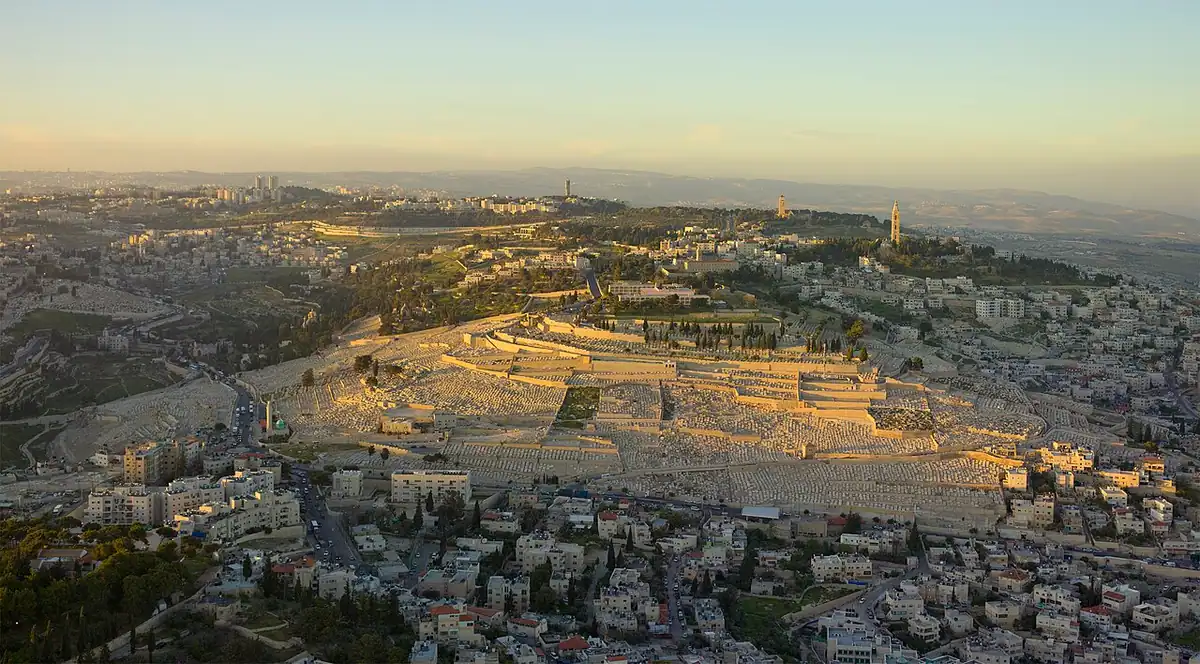
Jerusalem: the Old City and beyond
Jerusalem
- Price
- $$$
- Difficulty
- Moderate
- Best time:
- Mar–May, Oct–Nov
 3 daysGood with kids
Israel
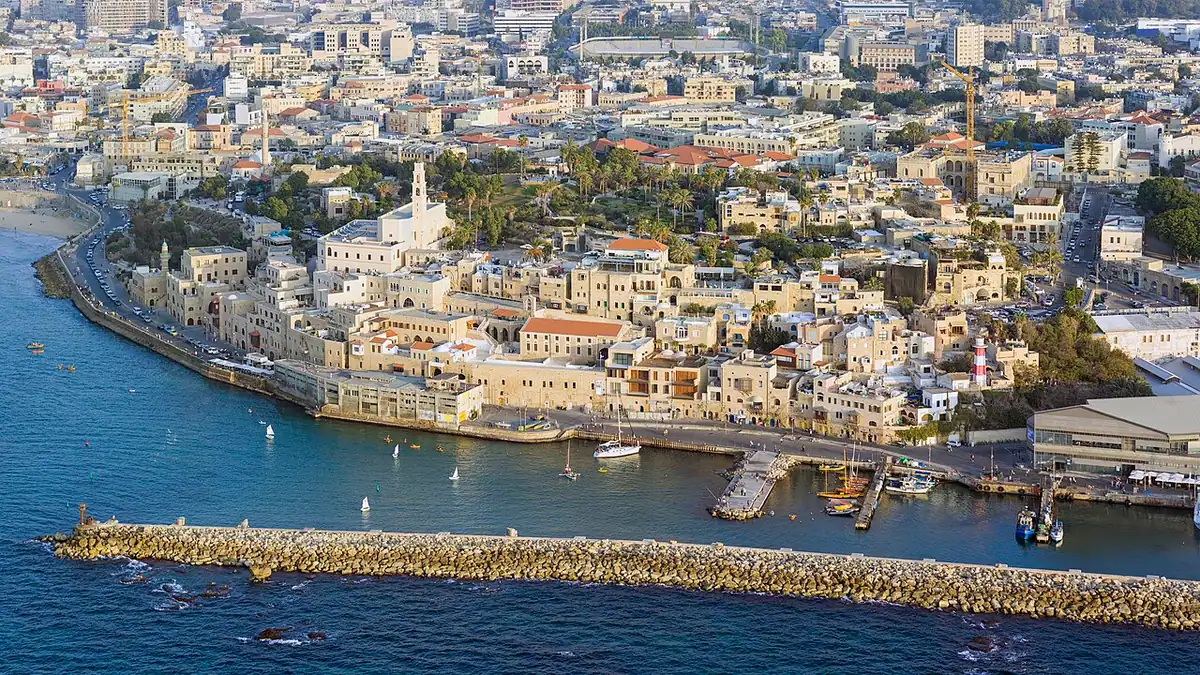
Tel Aviv and Jaffa by the sea
Tel Aviv and Jaffa
- Price
- $$$
- Difficulty
- Easy
- Best time:
- Apr–Jun, Sep–Oct
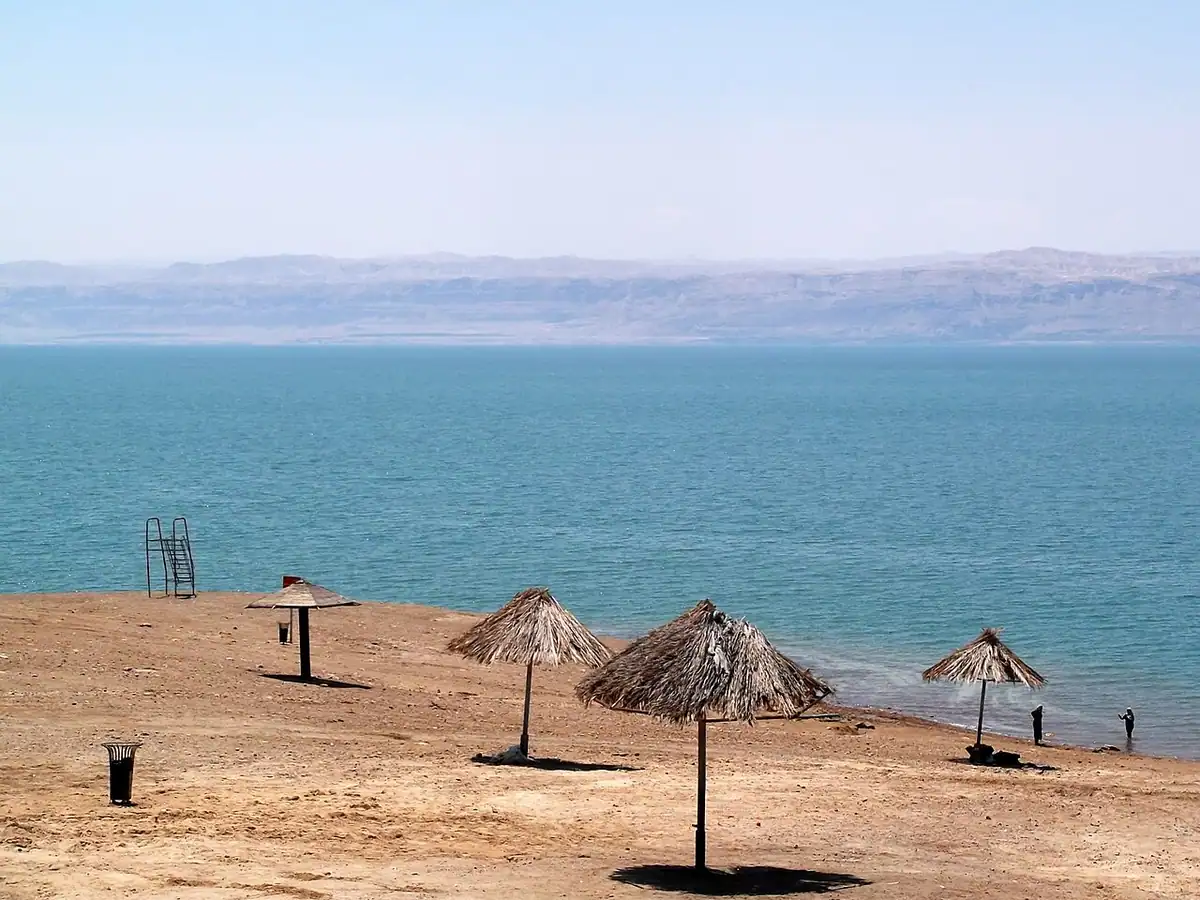 3 days
Israel
The Dead Sea, Masada and Ein Gedi
Ein Gedi, Masada and Arad
- Price
- $$$
- Difficulty
- Moderate
- Best time:
- Feb–Mar, Oct–Dec
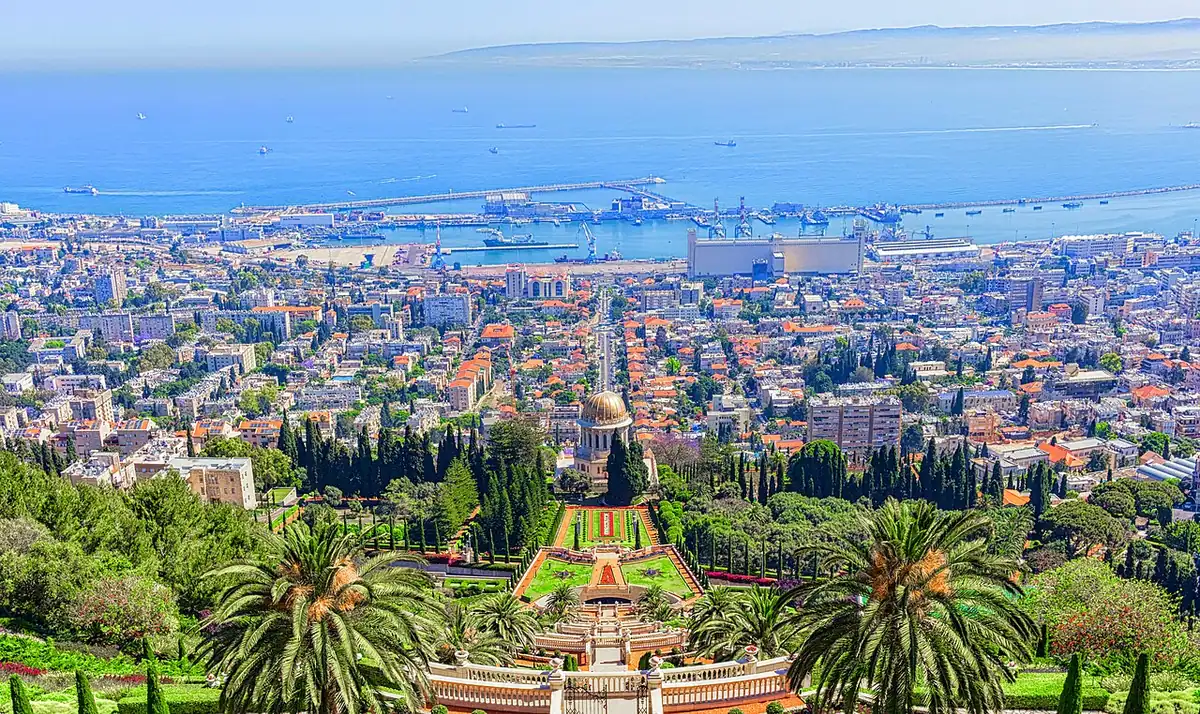 3 daysGood with kids
Israel
Haifa, Akko and Caesarea on the coast
Haifa, Akko and Caesarea
- Price
- $$$
- Difficulty
- Easy
- Best time:
- Mar–May, Oct–Nov
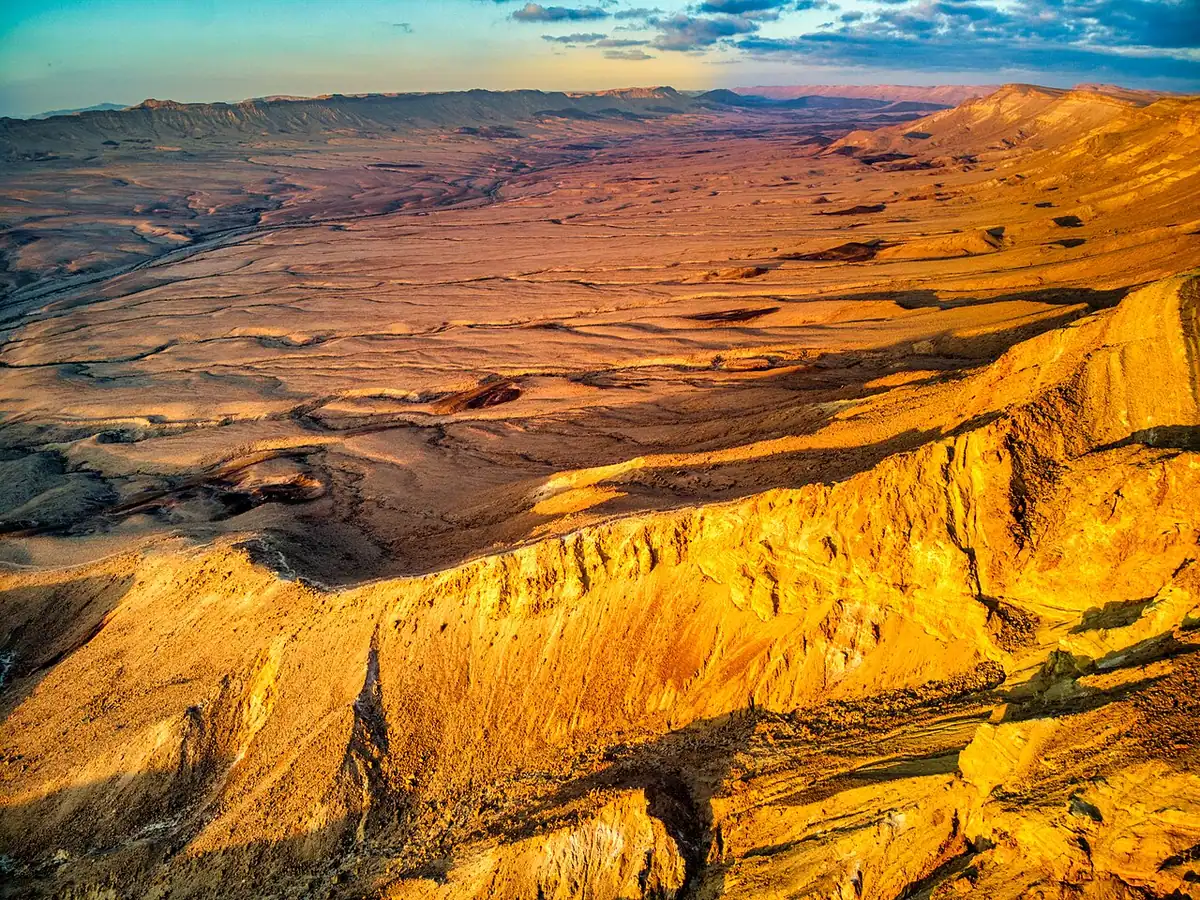 3 days
Israel
Negev desert and Mitzpe Ramon
Sde Boker, Avdat and Mitzpe Ramon
- Price
- $$$
- Difficulty
- Moderate
- Best time:
- Feb–Apr, Oct–Nov
Safety, health and entry
Before you go
What to know about entry, health and safety before you go, summarized from official guidance for U.S. passport holders. Rules change, so confirm on the sources linked below.
Visa for U.S. citizens
Visa-free for up to 90 days
Visa-freePassport
Valid at least 6 months from arrival
Vaccines
No vaccines required
State Department advisory
Reconsider travel
Level 3Entry and visas
Visa-free for up to 90 days
U.S. citizens can visit Israel as tourists without a visa for up to 90 days, but must get the ETA-IL electronic travel authorization before arriving. Border checks and airport security are thorough, so allow extra time.
Have ready
- Valid at least 6 months from arrival
- Apply for the ETA-IL online before you fly. It costs 25 shekels and is valid for 2 years of 90-day visits.
- At Ben Gurion Airport you get an entry card instead of a passport stamp. Keep it with your passport until you leave.
- Working without the proper permit can lead to detention and deportation. Entry to the West Bank is separately controlled.
Health and vaccines
No vaccines required
Israel has high-standard hospitals, but costs are high for visitors. Carry travel health insurance that covers medical evacuation, and expect disruption to services during conflict.
Drinking water: Tap water in Israel is generally safe to drink. In the West Bank and Gaza, stick to bottled water.
Required to enter
No vaccines are required for U.S. travelers arriving directly.
Recommended by the CDC
Health risks
- Summer heat and dehydration
- Measles and polio, so check your vaccines
- Limited health care and a health notice for Gaza
Safety
Level 3: Reconsider travel
Reconsider travel (Level 3)
The U.S. State Department rates Israel Level 3, Reconsider Travel, because of terrorism and unrest, reissued in August 2026. Rocket, missile and drone attacks and security incidents can happen with little warning. Some border zones are Level 4, Do Not Travel.
Avoid
- Level 4 zones: north of Route 85 to Route 90 to Route 87, within 7 miles (11.3 km) of Gaza, and within 1.5 miles (2.4 km) of the Egypt border except Taba.
- Gaza, where travel is not safe.
Watch for
- Rocket and missile alerts: know where the nearest shelter is
- Terrorist attacks, including stabbings and shootings in public places
- Flight cancellations and airspace closures at short notice
- Demonstrations and road closures, especially in Jerusalem
Local laws and customs
- Carry your passport or ID. Security staff may question you and search your bags.
- Drug offenses, including cannabis, are illegal and prosecuted.
- Dress modestly at holy sites, and expect many businesses and public transport to close from Friday evening to Saturday night.
Emergency numbers
- Emergency
- 100
- Police
- 100
- Ambulance
- 101
- Fire
- 102
Sources: U.S. State Department travel advisories · U.S. CDC travel health notices · UK government travel advice. Summarized in November 2026. Advisory levels and entry rules change, so confirm on the sources before you book.
Other governments: Canada, Spain (in Spanish), World Health Organization.
This is general information, not medical, legal or security advice.
Keep exploring
More in Middle East



Your trip, your way.
Start from a guide or a blank page. Free on the web, with iPhone and Android apps coming soon.