
Asia
Pakistan
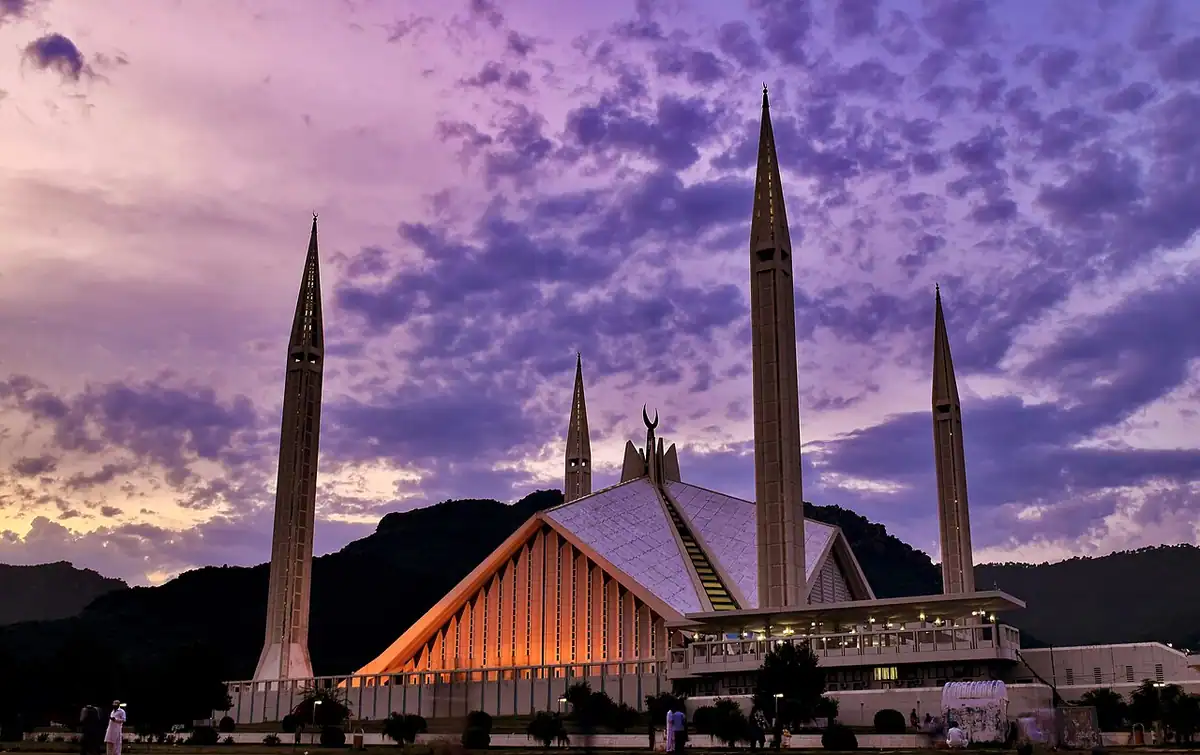
Karakoram peaks, Mughal forts, and endless chai
Photo: Ali Mujtaba, CC BY-SA 4.0 · via Wikimedia Commons
Capital
Islamabad
Languages
Urdu, English, Punjabi, Sindhi, Pashto
Currency
Pakistani rupee (PKR)
Plugs and power
Types C, D, G, M · 230 V
Drives on the
Left
Time zone
UTC+5, no daylight saving
The short version
What to expect in Pakistan
Pakistan stretches from the Arabian Sea to some of the highest mountains on Earth. Visitors come for the Karakoram and Hunza valleys, the Mughal monuments of Lahore, and the old Indus Valley sites. Hospitality is a point of pride, and food, poetry, and tea shape daily life in the cities.
- K2 and the Karakoram
- Lahore's Mughal heritage
- Hunza Valley scenery
- Truck art and cricket
Did you know?
Mohenjo-daro in Sindh was a city of the Indus Valley civilization more than four thousand years ago.
Food and drink
What to eat in Pakistan
- 01
Biryani
Spiced rice layered with meat, a staple at celebrations.
- 02
Nihari
Slow-cooked beef stew, often eaten at breakfast with naan.
- 03
Chapli kebab
Flat spiced minced-meat patty from Peshawar and the northwest.
Language
Say it like a local
Urdu
السلام علیکم (Assalam alaikum)
Hello (peace be upon you)
شکریہ (Shukriya)
Thank you
کتنے کا ہے؟ (Kitne ka hai?)
How much is it?
Money and manners: Dress modestly, with shoulders and legs covered, and remove shoes before entering mosques and many homes. Check your government's current travel advice before planning.
Timing
When to go
The taller the bar, the more of our Pakistan trips are at their best that month.
Best months: Feb, Nov–Dec
Guides
Trip guides for Pakistan
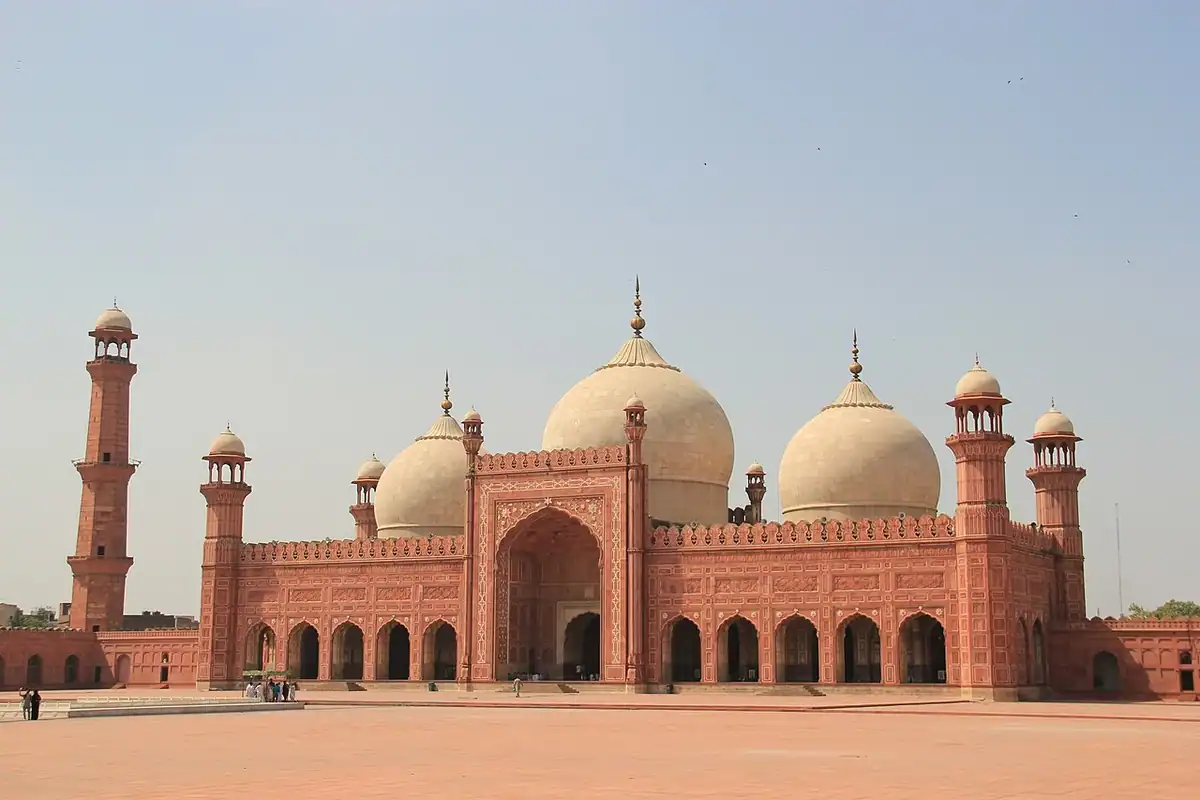 4 daysGood with kids
Pakistan
Lahore and Islamabad heritage
Lahore and Islamabad
- Price
- $$$
- Difficulty
- Easy
- Best time:
- Feb–Apr, Oct–Nov
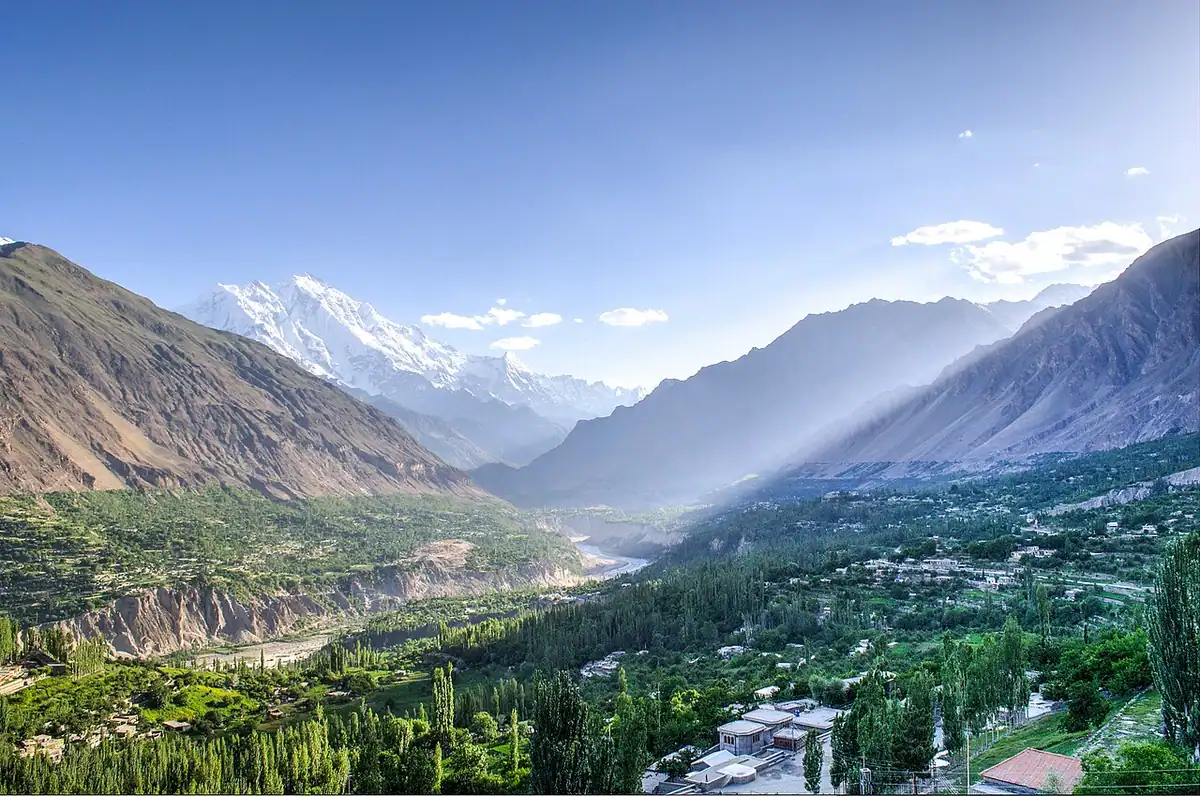 7 days
Pakistan
Fairy Meadows, Hunza and Skardu
Fairy Meadows, Hunza Valley and Skardu
- Price
- $$$
- Difficulty
- Challenging
- Best time:
- Jun–Sep
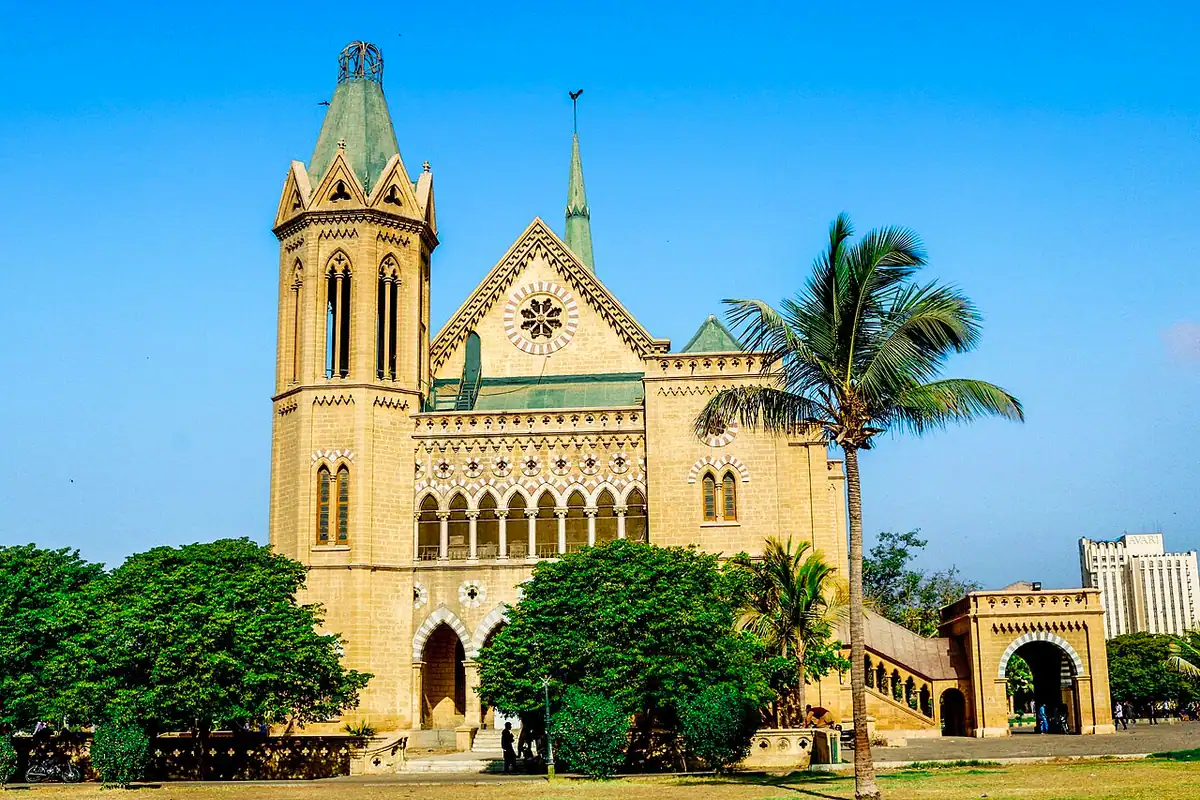 3 days
Pakistan
Karachi and the tombs of Thatta
Karachi and Thatta
- Price
- $$$
- Difficulty
- Moderate
- Best time:
- Nov–Feb
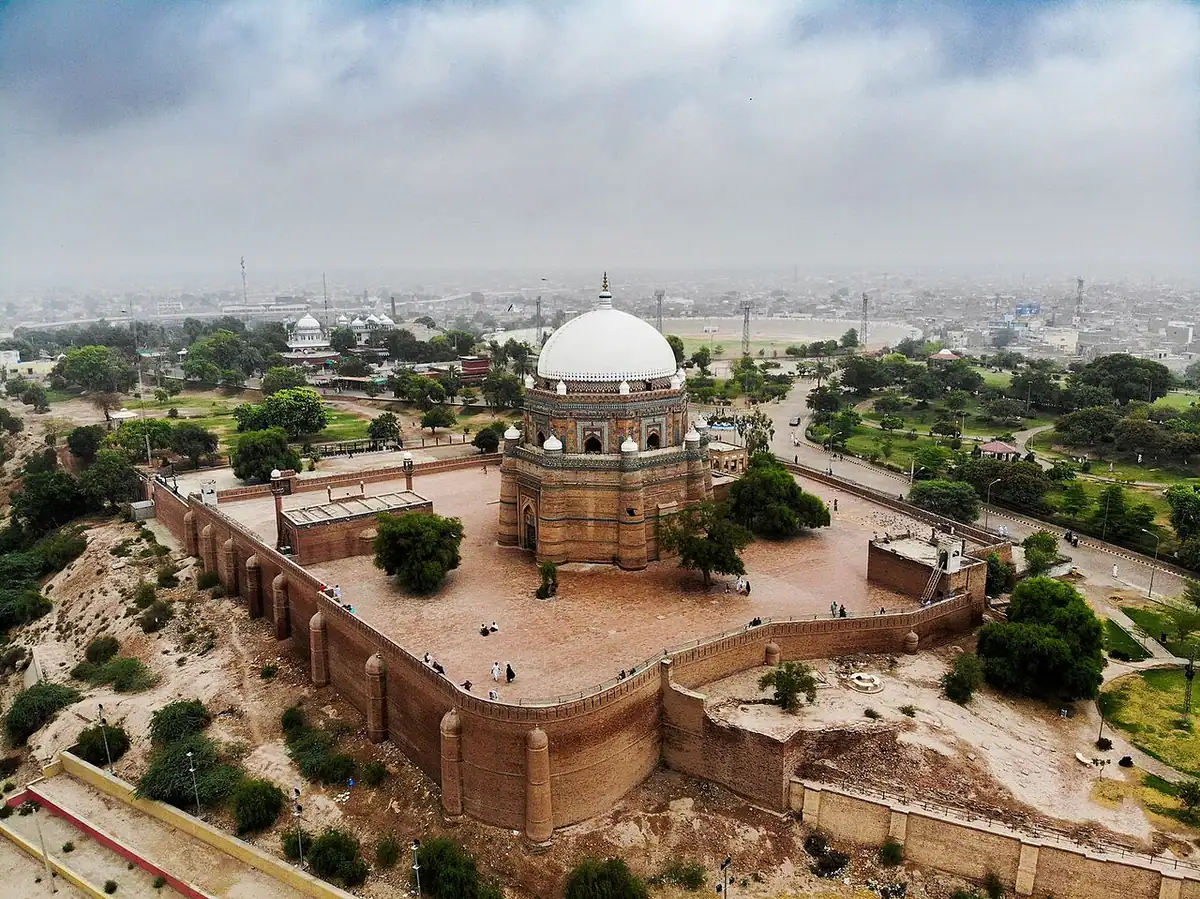 3 days
Pakistan
Shrines and palaces of southern Punjab
Multan, Bahawalpur and Uch Sharif
- Price
- $$$
- Difficulty
- Moderate
- Best time:
- Nov–Feb
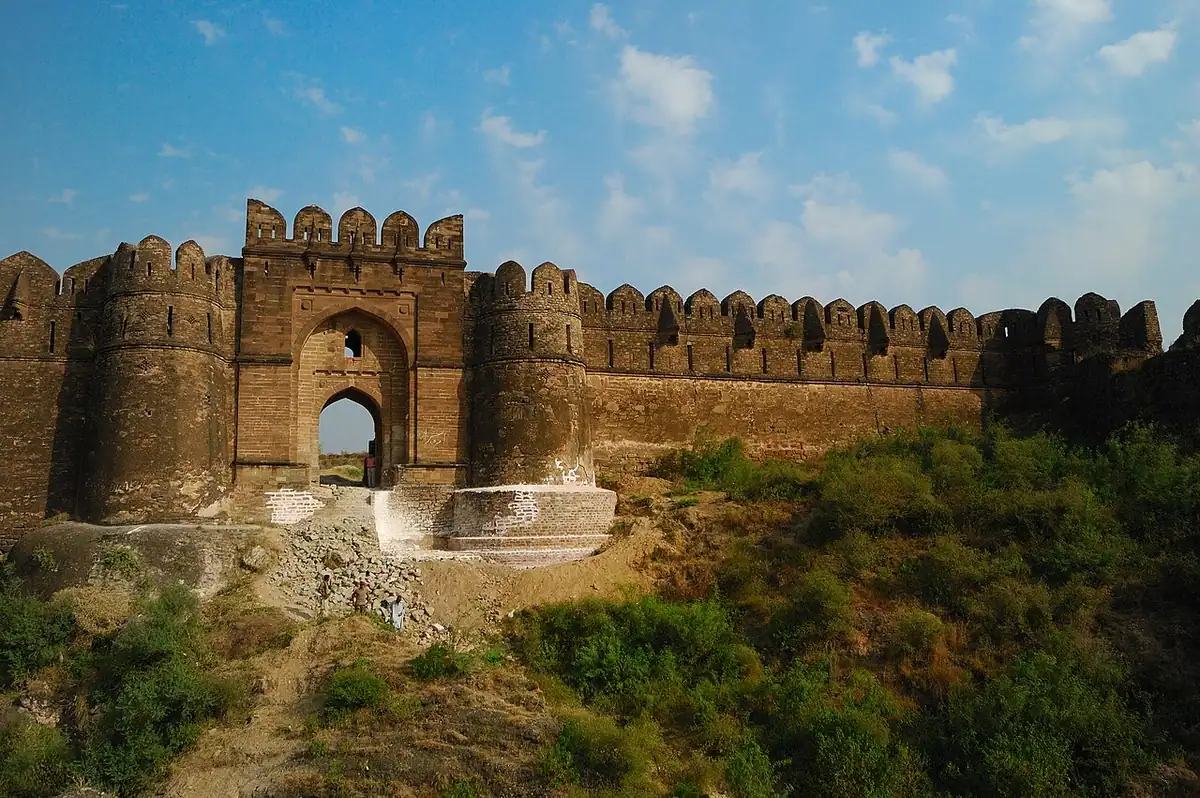 3 days
Pakistan
Taxila, Rohtas Fort and the Salt Range
Taxila, Rohtas Fort and Khewra
- Price
- $$$
- Difficulty
- Moderate
- Best time:
- Feb–Mar, Oct–Dec
Safety, health and entry
Before you go
What to know about entry, health and safety before you go, summarized from official guidance for U.S. passport holders. Rules change, so confirm on the sources linked below.
Visa for U.S. citizens
Visa needed before you travel
Visa in advancePassport
Valid at least 6 months beyond your visa application
Vaccines
Yellow fever certificate if arriving from risk areas
State Department advisory
Reconsider travel
Level 3Entry and visas
Visa needed before you travel
U.S. citizens need a visa for Pakistan and should get it before departure. Pakistan has an online visa application, but the options open to U.S. passports change, so confirm them with a Pakistani embassy or consulate before booking.
Have ready
- Valid at least 6 months beyond your visa application
- Apply for the visa in advance and follow its terms exactly. Overstaying or breaking visa conditions can bring fines or detention.
- Make sure your passport is stamped on entry. Leaving the country is difficult without an entry stamp.
- Rules for U.S. passports could not be fully confirmed here, so check current visa options before booking.
Health and vaccines
Yellow fever certificate if arriving from risk areas
Care is limited outside big cities, and ambulances can take over an hour in remote areas. Medicine shortages are common, so bring supplies and buy medical evacuation insurance.
Drinking water: Do not drink tap water; use sealed bottled water or treated water, and take care when buying bottled water.
Required to enter
Recommended by the CDC
Health risks
- Typhoid and cholera
- Dengue and chikungunya
- Polio (check your vaccines)
- Heavy air pollution, worst October to February
Safety
Level 3: Reconsider travel
Reconsider travel
The State Department tells U.S. citizens to reconsider travel to Pakistan because of terrorism and the risk of armed conflict. Khyber Pakhtunkhwa, Balochistan and areas near the Indian and Afghan borders carry a separate Do Not Travel advisory.
Avoid
- Khyber Pakhtunkhwa, including Peshawar and Swat, and all of Balochistan
- Areas near the Afghan border and the Line of Control with India
Watch for
- Terrorist attacks, including at markets, places of worship, hotels and police posts
- Sectarian violence, protests and processions that can turn violent without warning
- Dangerous roads and mountain driving; avoid the railway network
- Monsoon floods and landslides, and earthquakes
Local laws and customs
- Blasphemy laws carry severe penalties; avoid criticizing religion
- Alcohol is largely banned for Muslims and tightly restricted; drug penalties are harsh
- Same-sex relations are illegal; dress modestly and be discreet in public
Emergency numbers
- Emergency
- 15
- Police
- 15
- Ambulance
- 1122
- Fire
- 16
Sources: U.S. State Department travel advisories · U.S. CDC travel health notices · UK government travel advice. Summarized in November 2026. Advisory levels and entry rules change, so confirm on the sources before you book.
Other governments: Canada, Spain (in Spanish), World Health Organization.
This is general information, not medical, legal or security advice.
Keep exploring
More in Asia



Your trip, your way.
Start from a guide or a blank page. Free on the web, with iPhone and Android apps coming soon.