
Asia
India
Palaces, backwaters, and a different meal every state
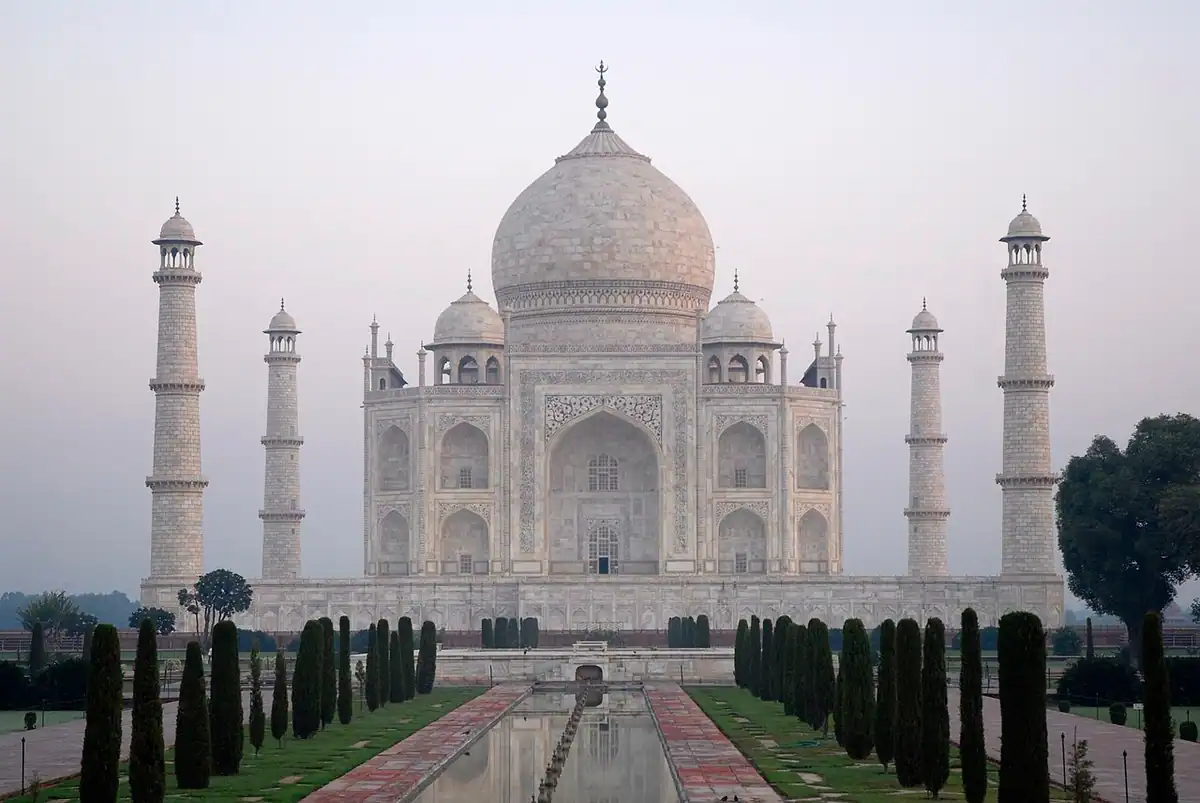
Photo: Kristian Bertel, CC BY-SA 4.0 · via Wikimedia Commons
Capital
New Delhi
Languages
Hindi, English and many regional languages
Currency
Indian rupee (INR)
Plugs and power
Types C, D, M · 230 V
Drives on the
Left
Time zone
UTC+5:30, no daylight saving
The short version
What to expect in India
India is a huge country where food, language and religion change from one state to the next. Travelers can visit the Taj Mahal and the forts of Rajasthan, ride a houseboat through Kerala's backwaters, or trek in the Himalayas. Trains, markets, festivals and temples fill the days, and it rewards slow, flexible planning.
- The Taj Mahal
- Rajasthan's forts and palaces
- Kerala backwaters
- Himalayan treks
Did you know?
Chess is widely believed to have developed from chaturanga, an early board game played in India.
Food and drink
What to eat in India
- 01
Masala dosa
Crisp fermented rice crepe filled with spiced potato, with chutney.
- 02
Biryani
Fragrant layered rice cooked with spices and meat or vegetables.
- 03
Masala chai
Black tea simmered with milk, sugar, ginger and spices.
Language
Say it like a local
Hindi
नमस्ते (namaste)
Hello
धन्यवाद (dhanyavaad)
Thank you
कितने का है? (kitne ka hai)
How much is it?
Money and manners: Take off your shoes before entering temples and many homes, and cover shoulders and knees at religious sites. A tip of about 10 percent is normal in restaurants that do not add a service charge.
Timing
When to go
The taller the bar, the more of our India trips are at their best that month.
Best months: Oct–Mar
Guides
Trip guides for India
 6 days
India
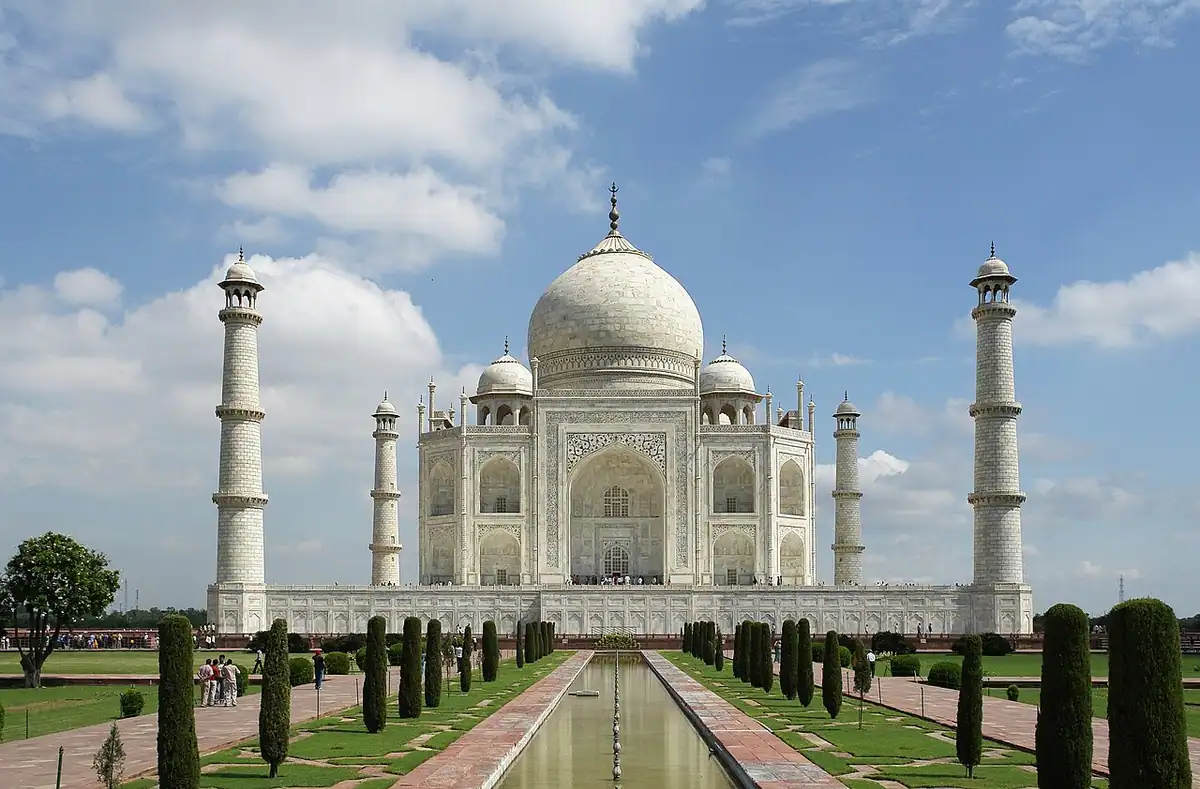
The Golden Triangle: Delhi, Agra and Jaipur
Delhi, Agra and Jaipur
- Price
- $$$
- Difficulty
- Moderate
- Best time:
- Oct–Mar
 7 days
India
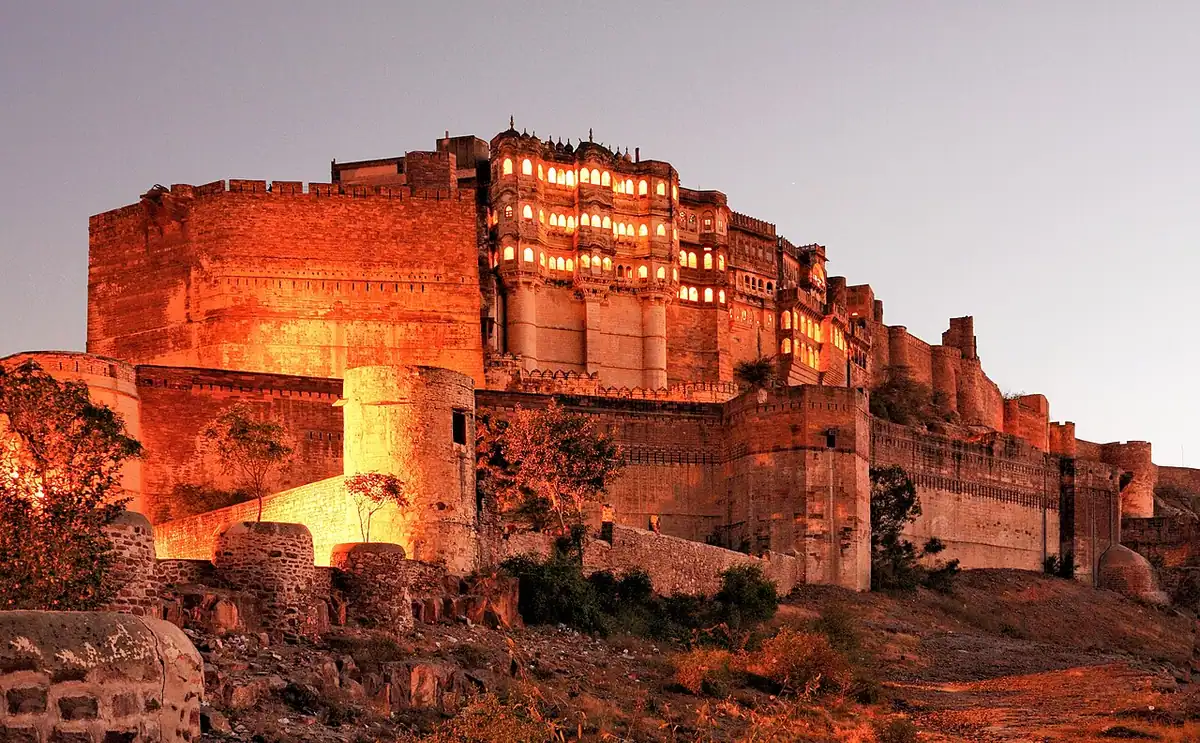
Rajasthan: Udaipur and Jodhpur
Udaipur, Jodhpur and Jaisalmer
- Price
- $$$
- Difficulty
- Moderate
- Best time:
- Oct–Mar
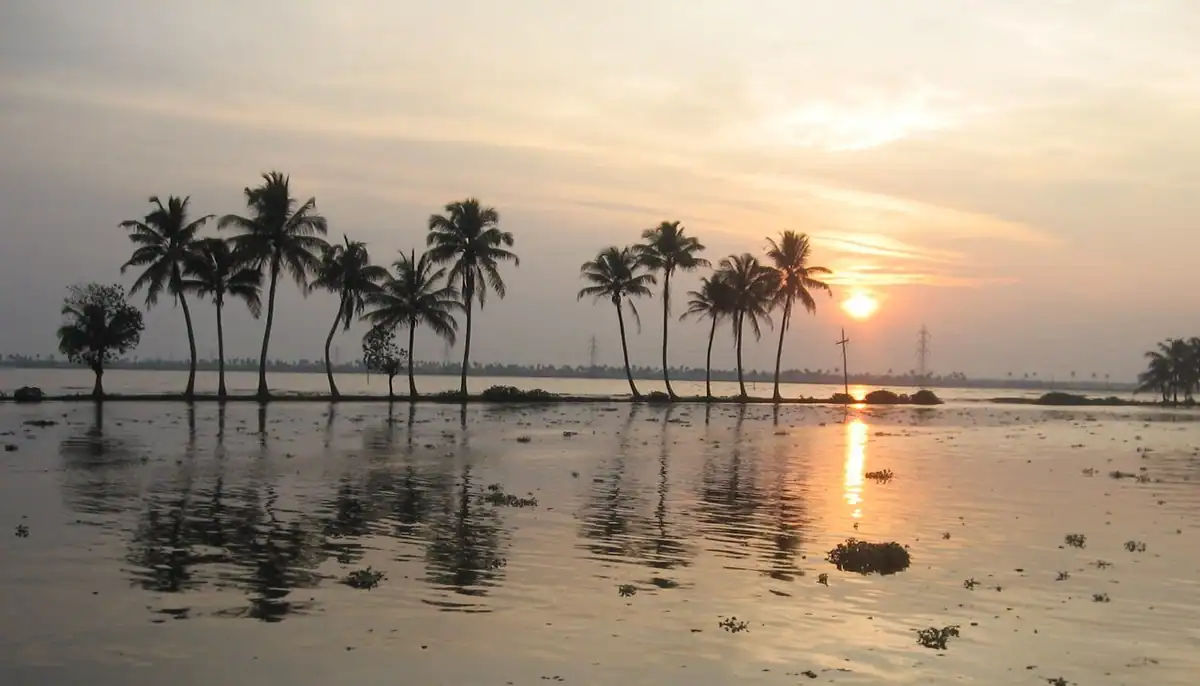 6 days
India
Kerala backwaters
Kochi, Munnar, Periyar, Alleppey and Varkala
- Price
- $$$
- Difficulty
- Easy
- Best time:
- Oct–Mar
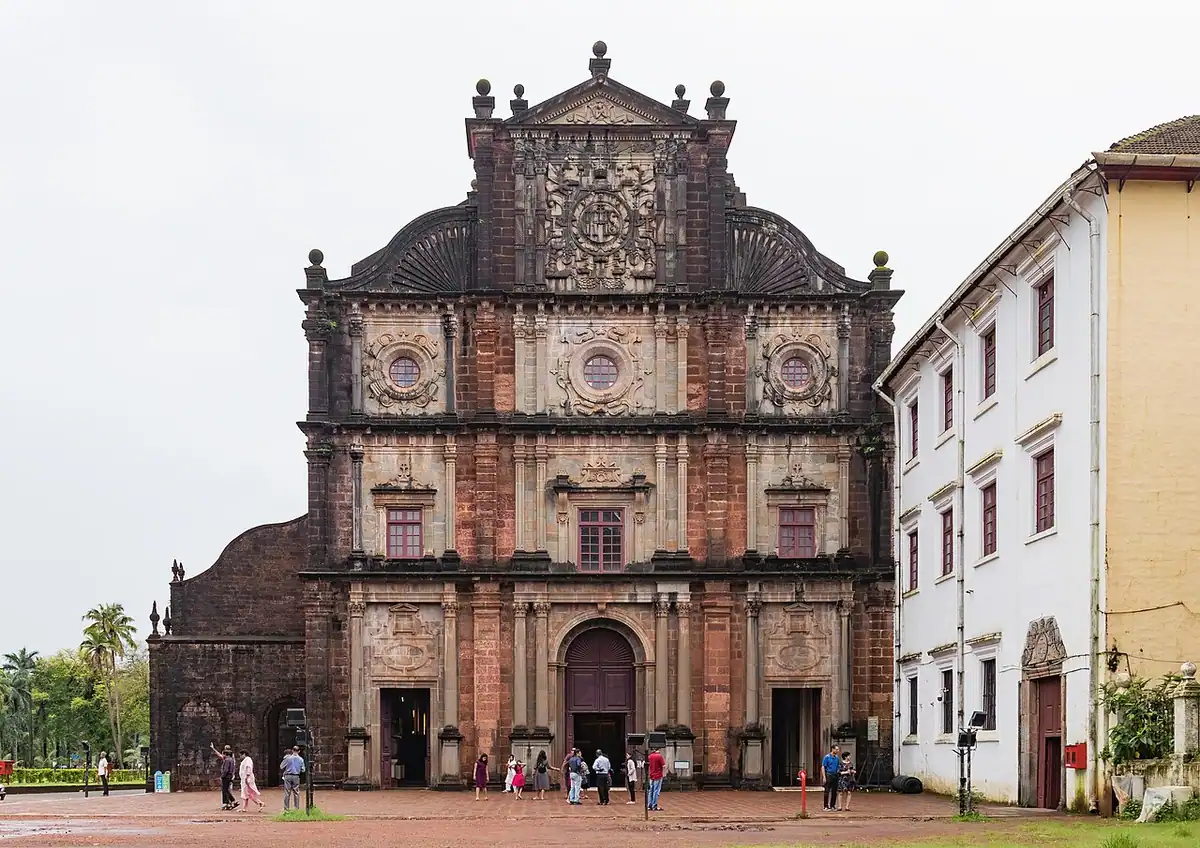 5 daysGood with kids
India
Goa
Old Goa, Panjim, Anjuna and Palolem
- Price
- $$$
- Difficulty
- Easy
- Best time:
- Nov–Mar
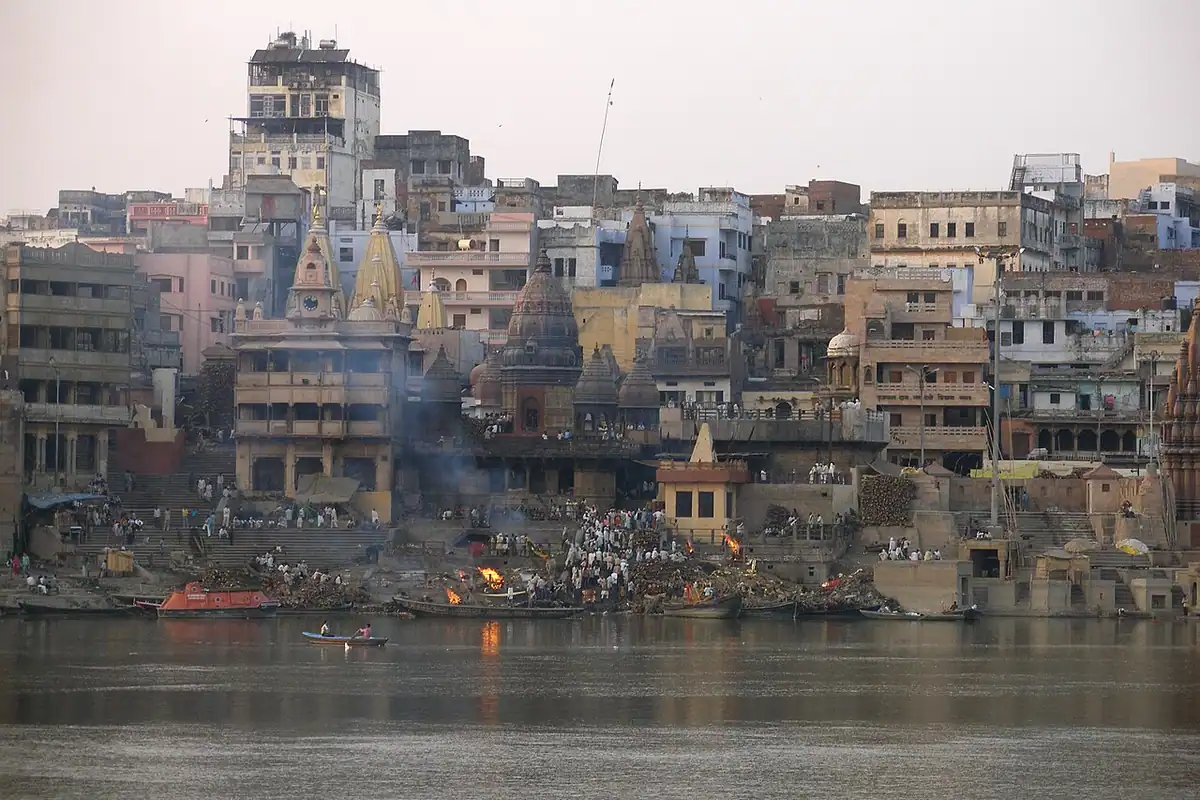 3 days
India
Varanasi
Varanasi and Sarnath
- Price
- $$$
- Difficulty
- Easy
- Best time:
- Oct–Mar
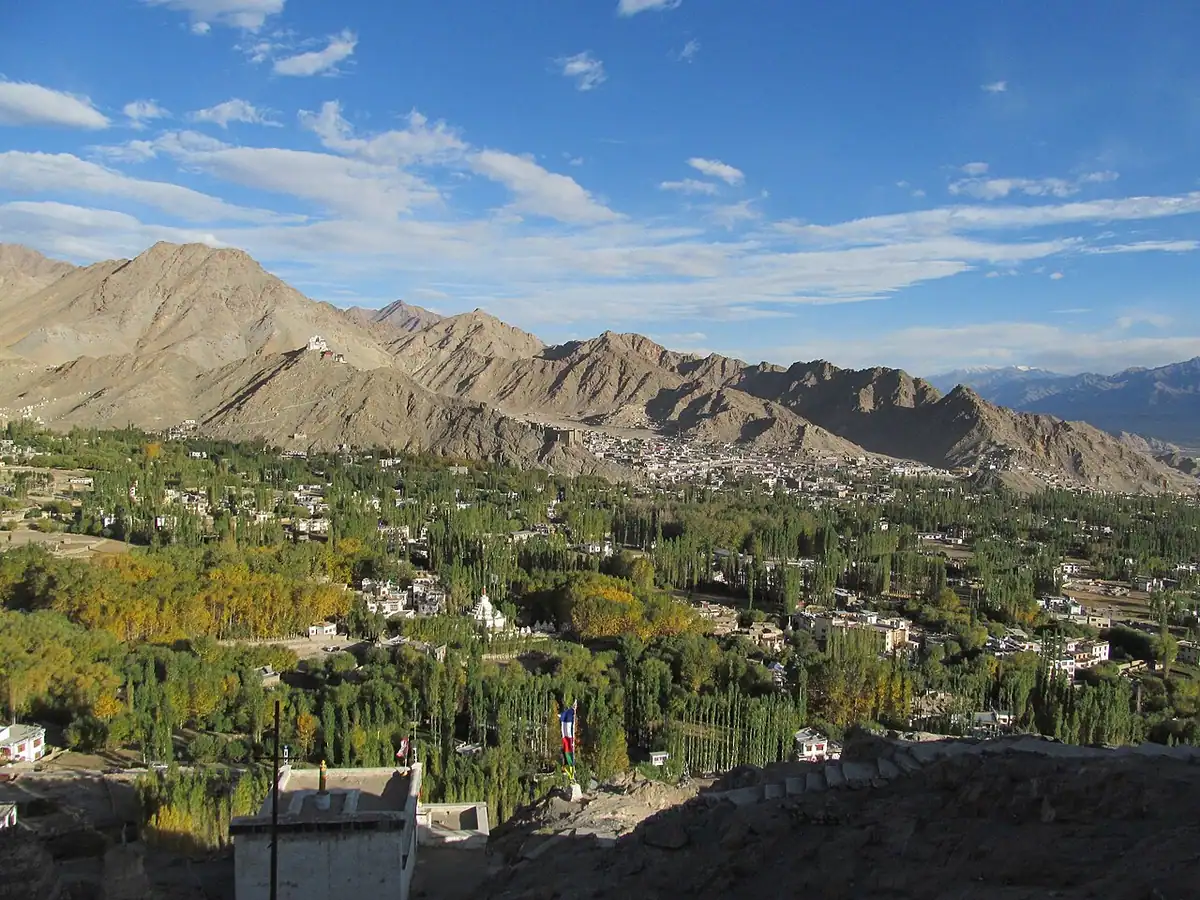 6 days
India
Ladakh
Leh, Nubra Valley and Pangong Lake
- Price
- $$$
- Difficulty
- Challenging
- Best time:
- Jun–Sep
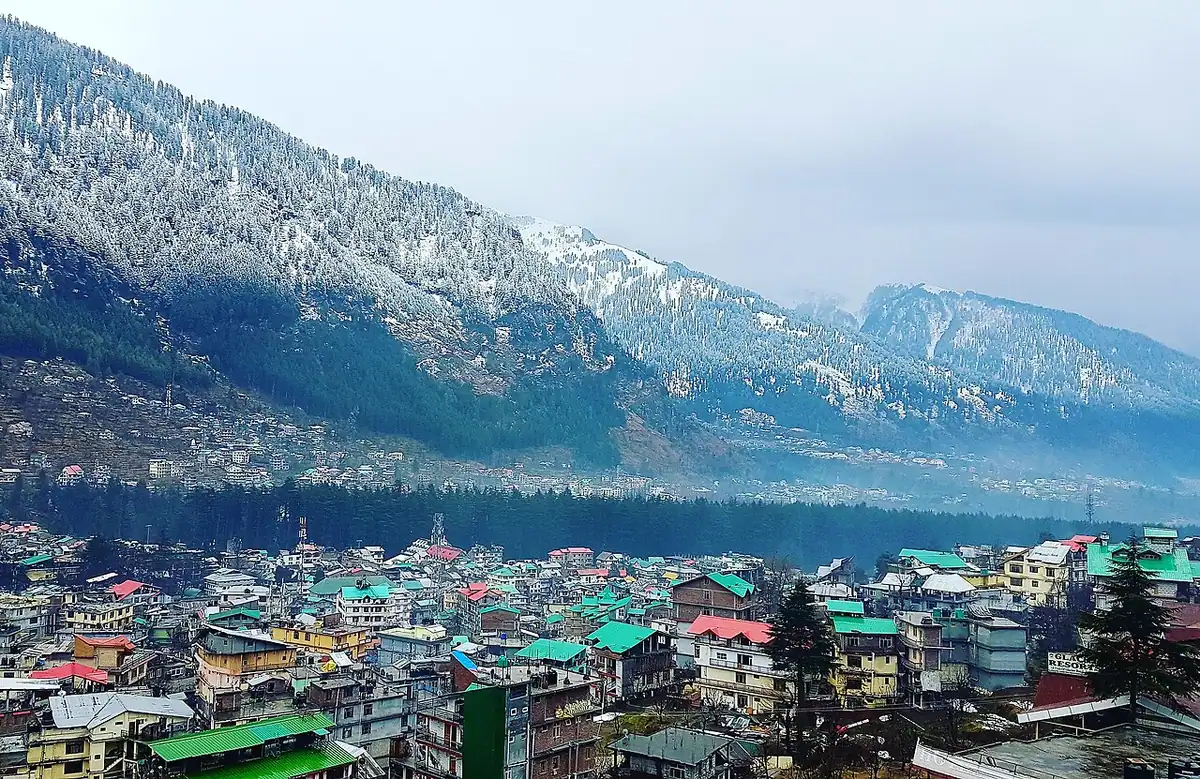 6 daysGood with kids
India
Himachal Pradesh: Shimla and Manali
Shimla, Kullu Valley and Manali
- Price
- $$$
- Difficulty
- Moderate
- Best time:
- Mar–Jun, Sep–Oct
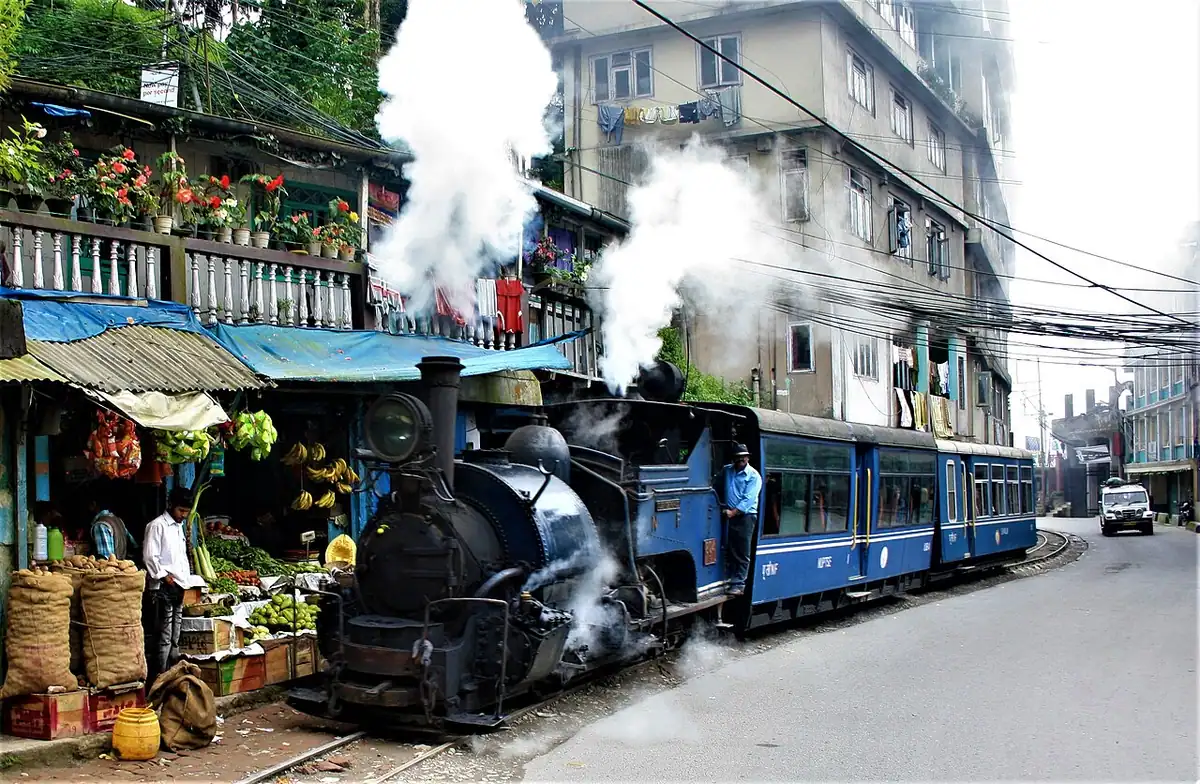 6 daysGood with kids
India
Darjeeling and Sikkim
Darjeeling and Gangtok
- Price
- $$$
- Difficulty
- Moderate
- Best time:
- Mar–May, Sep–Nov
Safety, health and entry
Before you go
What to know about entry, health and safety before you go, summarized from official guidance for U.S. passport holders. Rules change, so confirm on the sources linked below.
Visa for U.S. citizens
E-visa or visa required in advance
Online visa or authorizationPassport
Valid 6 months after arrival, 2 blank pages
Vaccines
No vaccines required from the U.S.
State Department advisory
Exercise increased caution
Level 2Entry and visas
E-visa or visa required in advance
U.S. citizens need a visa before arriving in India, usually an e-visa applied for online. The visa type must match your purpose of travel, or you can be refused entry or deported. Allow plenty of time for processing.
Have ready
- Valid 6 months after arrival, 2 blank pages
- Apply for the e-visa online through the official Indian government portal before you fly.
- Complete the online e-arrival card before you reach immigration.
- Check that your e-visa type fits your trip, since work or journalism needs a different visa.
Health and vaccines
No vaccines required from the U.S.
Care is good in major cities but limited elsewhere, and hospitals may require payment up front. Carry travel insurance with medical evacuation cover.
Drinking water: Drink only bottled or treated water, and avoid ice and raw produce washed in tap water.
Required to enter
No vaccines are required for U.S. travelers arriving directly.
Recommended by the CDC
Health risks
- Dengue and chikungunya from mosquito bites
- Rabies, common in dogs
- Traveler's diarrhea and food-borne illness
- Air pollution, especially in winter in northern cities
Safety
Level 2: Exercise increased caution
Exercise increased caution
The U.S. State Department rates India Level 2, with higher levels and no-travel warnings for some regions. The UK FCDO advises against all travel within 10 km of the Pakistan border and to Jammu and Kashmir, and against all but essential travel to Manipur.
Avoid
- Jammu and Kashmir, and areas within 10 km of the Pakistan border, per the FCDO.
- Manipur, where the FCDO advises against all but essential travel.
Watch for
- Terrorist attacks, which are very likely to be attempted, so stay alert in crowded places
- Strikes and protests that can turn violent
- Stampedes at crowded religious events and festivals
- Monsoon floods and landslides, and altitude and weather risks when trekking above 3,000 meters
- Petty theft, taxi and ticket scams, and road accidents
Local laws and customs
- Drug offenses carry long mandatory sentences, and bail is hard to get.
- Do not photograph military sites, airports, bridges or government buildings.
- Dress modestly, and remove shoes at temples and many homes.
Emergency numbers
- Emergency
- 112
- Police
- 100
- Ambulance
- 102
- Fire
- 101
Sources: U.S. State Department travel advisories · U.S. CDC travel health notices · UK government travel advice. Summarized in November 2026. Advisory levels and entry rules change, so confirm on the sources before you book.
Other governments: Canada, Spain (in Spanish), World Health Organization.
This is general information, not medical, legal or security advice.
Keep exploring
More in Asia


Your trip, your way.
Start from a guide or a blank page. Free on the web, with iPhone and Android apps coming soon.