
Asia
Nepal
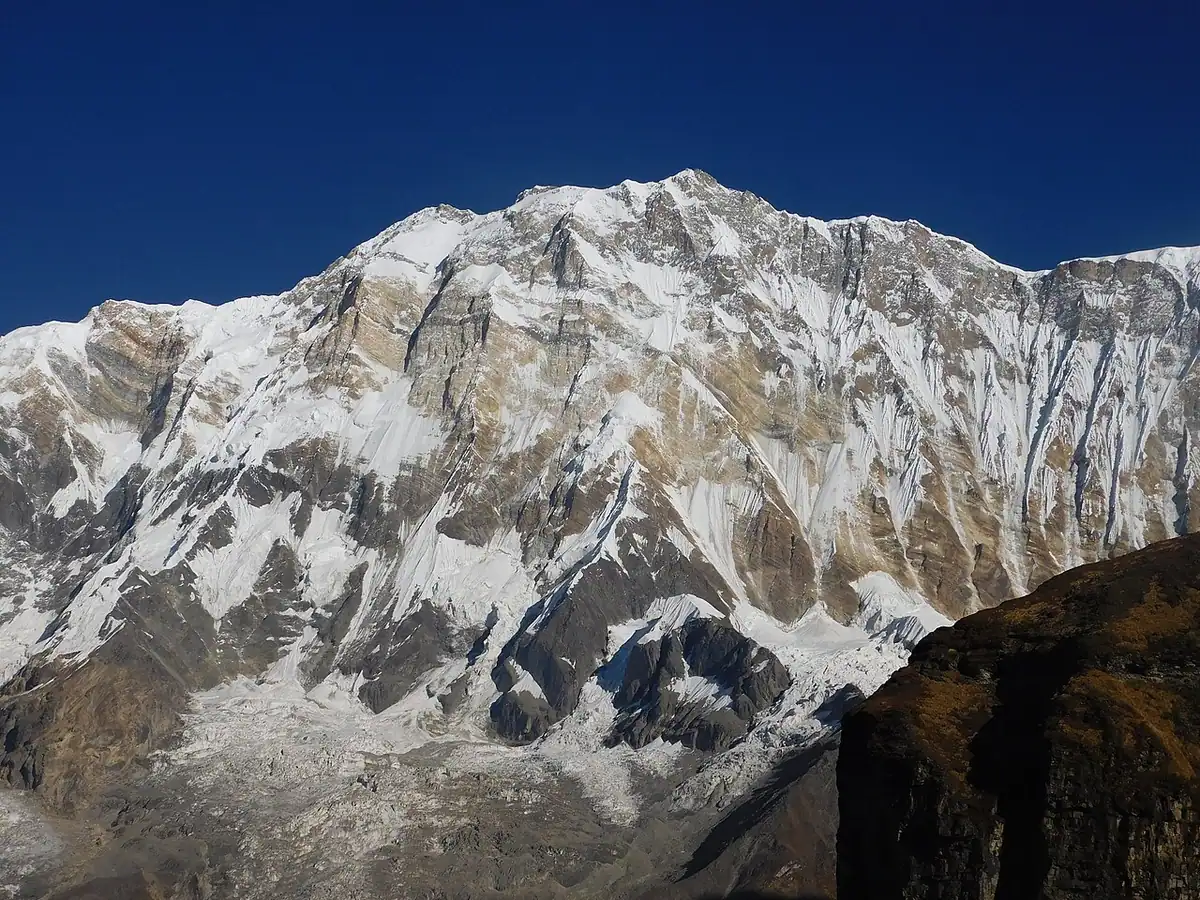
Himalayan trails and temple-filled valleys
Photo: PrajwalMohan, CC BY-SA 4.0 · via Wikimedia Commons
Capital
Kathmandu
Languages
Nepali, plus Maithili, Bhojpuri and many others
Currency
Nepalese rupee (NPR)
Plugs and power
Types C, D, M · 230 V
Drives on the
Left
Time zone
UTC+5:45, no daylight saving
The short version
What to expect in Nepal
Nepal holds eight of the world's fourteen mountains above 8,000 meters, including Everest, and trekking is the main reason people come. Between hikes, Kathmandu and Pokhara offer Hindu and Buddhist temples, busy old squares, lakeside cafes and plates of momos. Teahouses along the main trails make multi-day walks possible without a tent.
- Everest and Annapurna treks
- Kathmandu temples and stupas
- Pokhara lakeside
- Chitwan rhinos
Did you know?
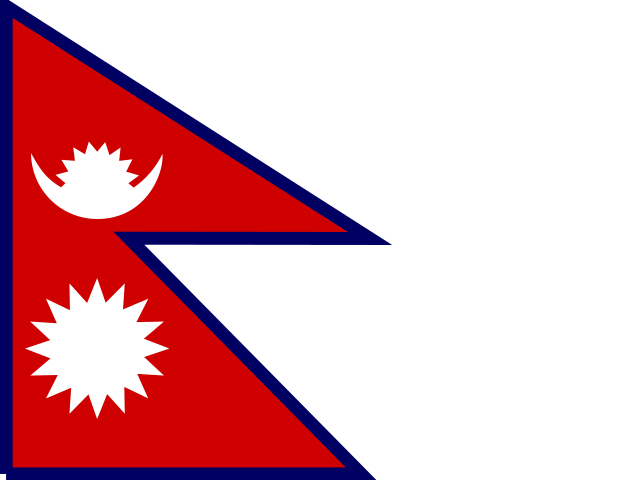
Nepal's flag is made of two stacked triangular pennants instead of a rectangle.
Food and drink
What to eat in Nepal
- 01
Dal bhat
Rice with lentil soup, curry and pickles, often refilled free.
- 02
Momo
Steamed dumplings filled with meat or vegetables, served with spicy sauce.
- 03
Sel roti
Ring-shaped fried rice bread, a festival and breakfast treat.
Language
Say it like a local
Nepali
नमस्ते (namaste)
Hello
धन्यवाद (dhanyabad)
Thank you
कति हो? (kati ho?)
How much is it?
Money and manners: Take off your shoes before entering temples and homes, and walk clockwise around stupas and prayer wheels.
Timing
When to go
The taller the bar, the more of our Nepal trips are at their best that month.
Best months: Mar–Apr, Oct–Nov
Guides
Trip guides for Nepal
 5 days
Nepal
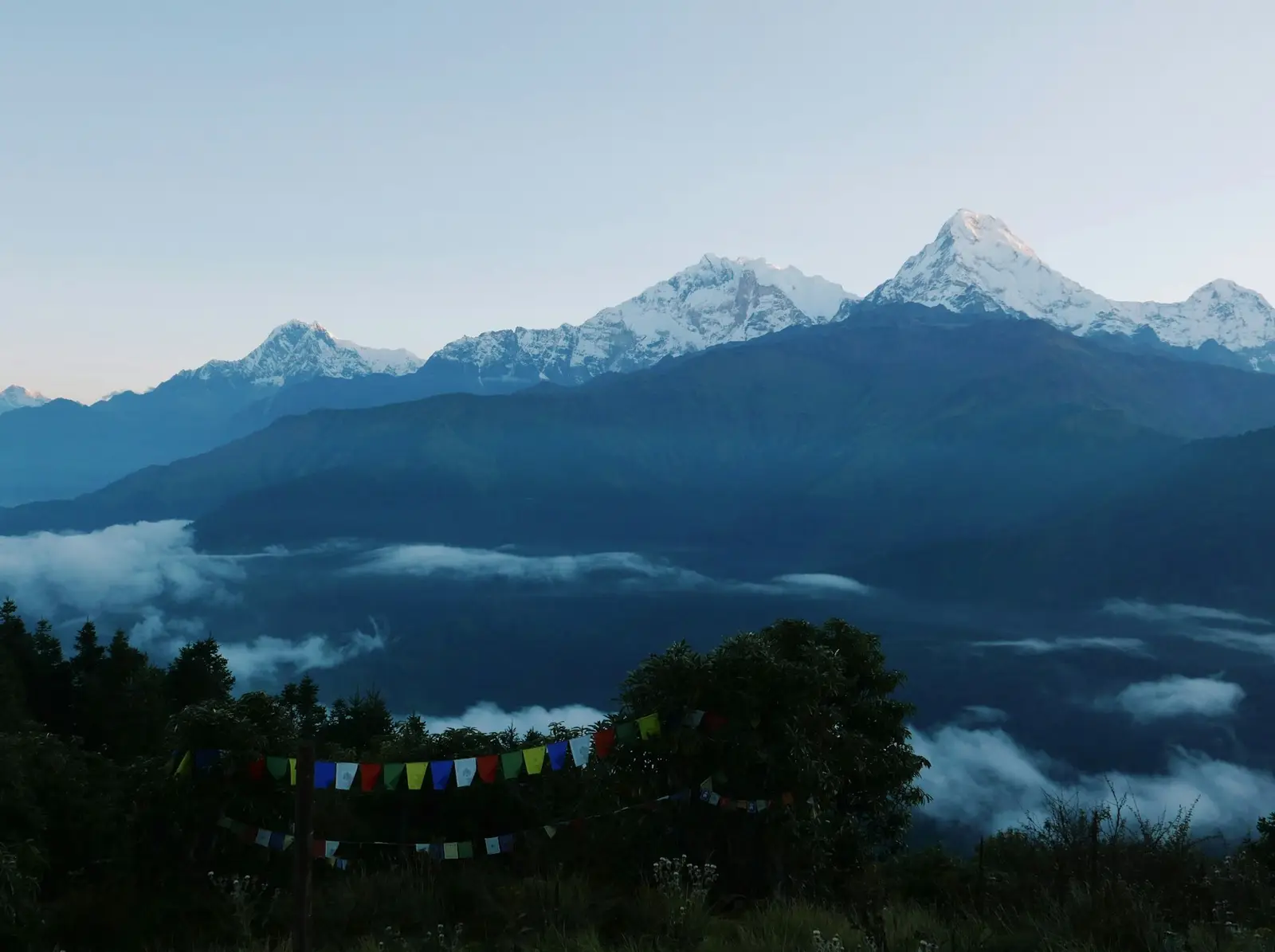
Nepal: the Poon Hill trek
Pokhara, Ghorepani and Ghandruk
- Price
- $$$
- Difficulty
- Challenging
- Best time:
- Mar–Apr, Oct–Nov
 5 days
Nepal
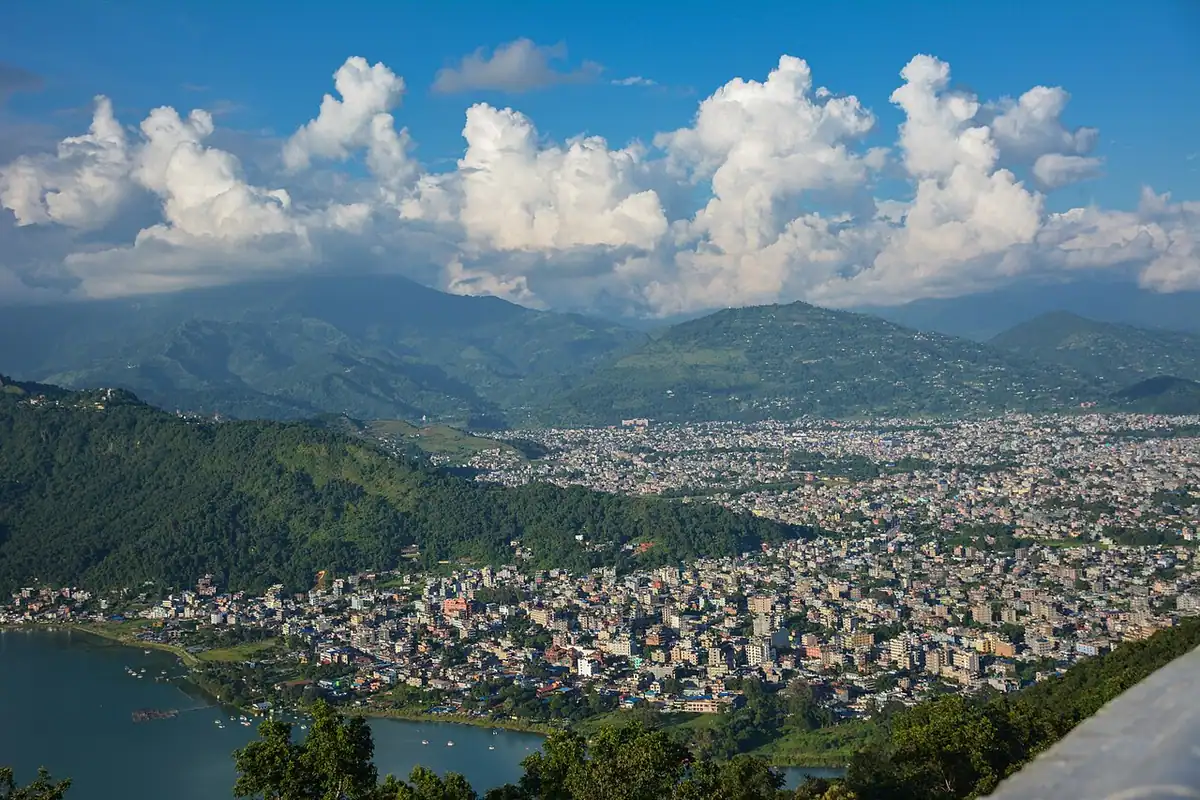
Kathmandu and Pokhara
Kathmandu, Patan and Pokhara
- Price
- $$$
- Difficulty
- Moderate
- Best time:
- Mar–Apr, Oct–Nov
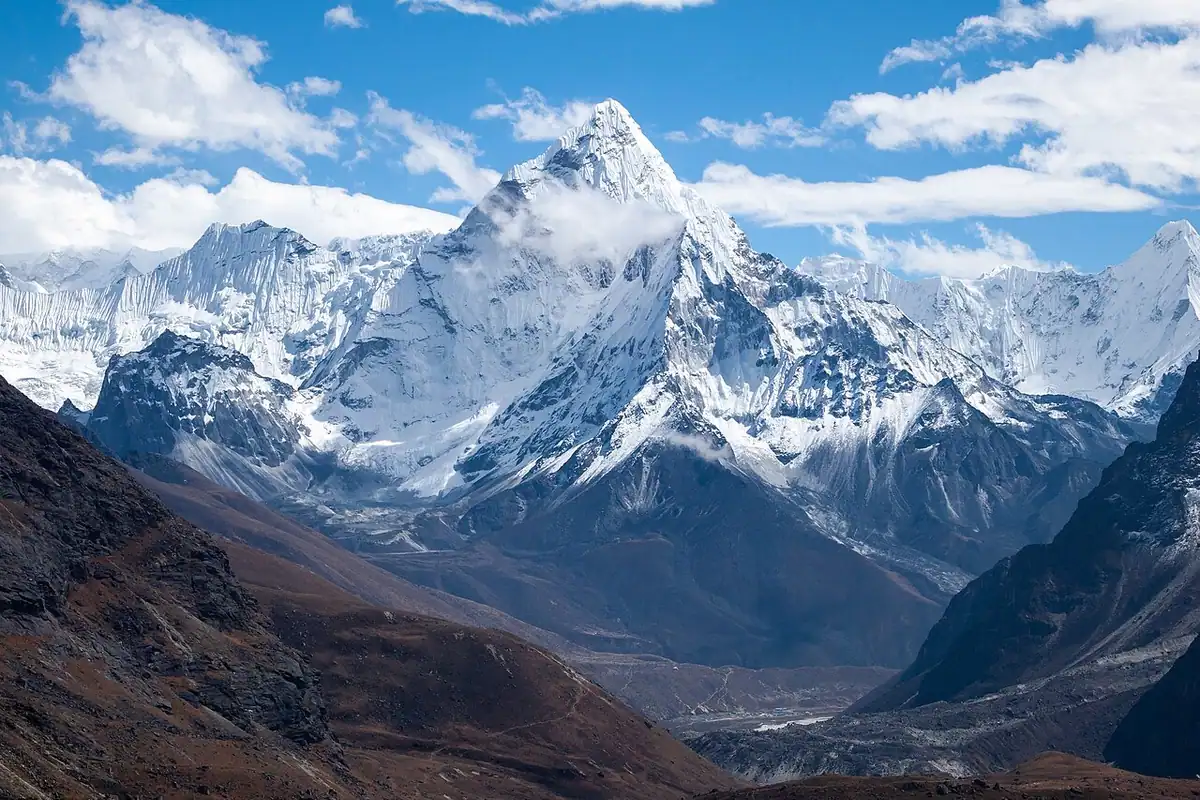 7 days
Nepal
Everest region: Namche Bazaar and Tengboche
Lukla, Namche Bazaar, Khumjung and Tengboche
- Price
- $$$
- Difficulty
- Challenging
- Best time:
- Mar–May, Oct–Nov
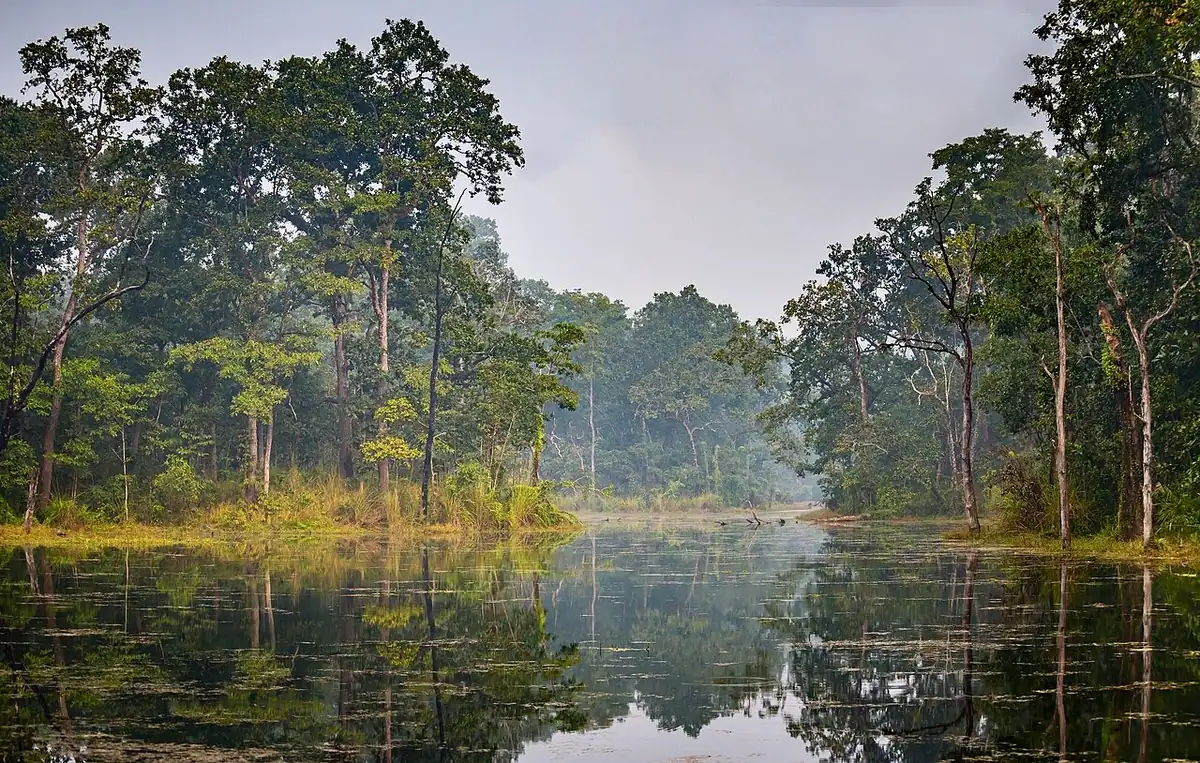 4 daysGood with kids
Nepal
Chitwan jungle and Lumbini
Chitwan National Park and Lumbini
- Price
- $$$
- Difficulty
- Easy
- Best time:
- Feb–Apr, Oct–Nov
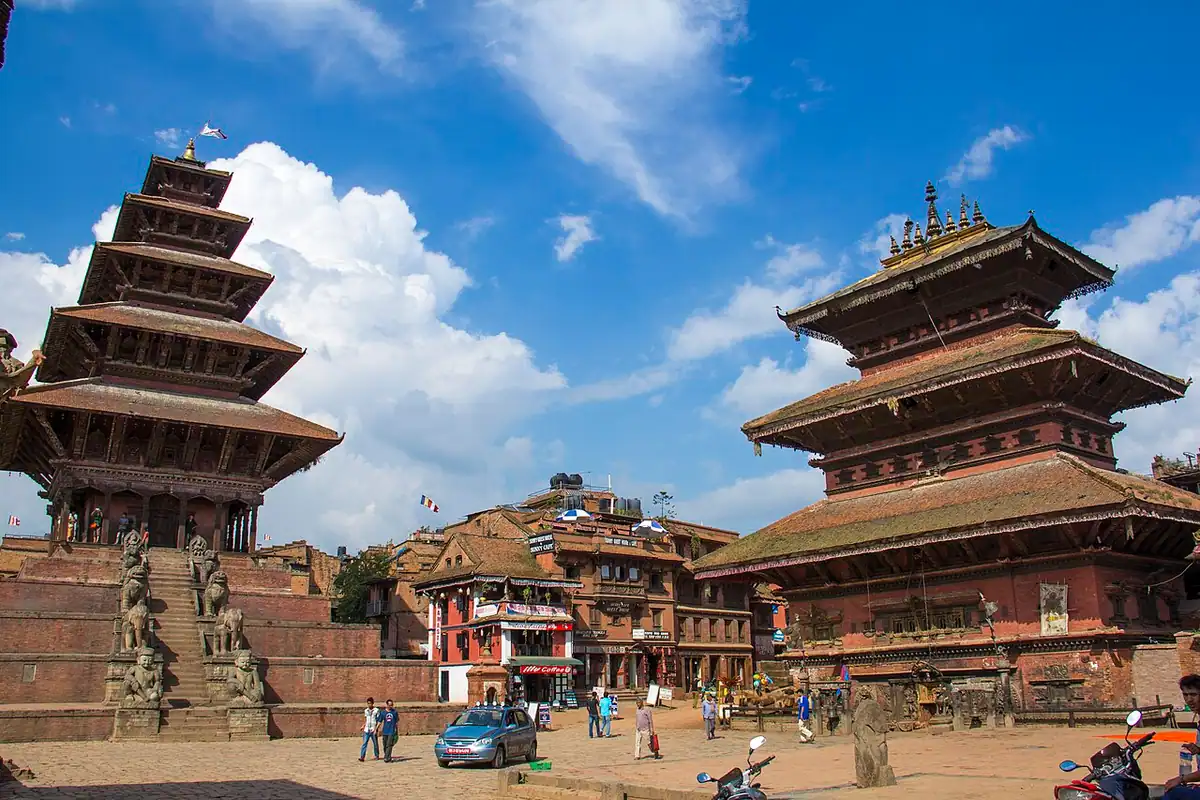 4 days
Nepal
Newar towns around Kathmandu
Bhaktapur, Nagarkot, Namo Buddha and Bungamati
- Price
- $$$
- Difficulty
- Moderate
- Best time:
- Mar–Apr, Oct–Nov
Safety, health and entry
Before you go
What to know about entry, health and safety before you go, summarized from official guidance for U.S. passport holders. Rules change, so confirm on the sources linked below.
Visa for U.S. citizens
Visa on arrival or in advance
Visa on arrivalPassport
Valid 6 months after arrival, blank page
Vaccines
No vaccines required
State Department advisory
Exercise increased caution
Level 2Entry and visas
Visa on arrival or in advance
U.S. citizens need a visa for Nepal, available on arrival at the airport or in advance. Tourists can stay no more than 150 days in a calendar year, and overstays bring daily fines.
Have ready
- Valid 6 months after arrival, blank page
- Tourist visa fees are payable in US dollars: 30 for 15 days, 50 for 30 days and 125 for 90 days.
- Bring a passport photo and a blank page for each entry stamp.
- Trekkers in protected areas need a permit and a TIMS card, arranged before setting out.
Health and vaccines
No vaccines required
Healthcare is poor outside the Kathmandu Valley and Pokhara, and helicopter evacuation can be hard to arrange. Carry insurance that covers trekking altitude and evacuation.
Drinking water: Do not drink tap water; use bottled, filtered or treated water everywhere, including on treks.
Required to enter
No vaccines are required for U.S. travelers arriving directly.
Recommended by the CDC
Health risks
- Altitude sickness on treks
- Dengue, chikungunya and cholera
- Rabies from dogs
- Air pollution in Kathmandu
Safety
Level 2: Exercise increased caution
Exercise increased caution
The U.S. State Department rates Nepal Level 2, citing natural disasters and civil unrest. Serious crime is low, but earthquakes are common, and monsoon floods and landslides cut roads. Strikes can start suddenly.
Avoid
- The Rasuwagadhi-Timure-Syafrubesi area of Rasuwa, including the China border crossing, after flood damage.
Watch for
- Pickpockets in Thamel and on crowded buses.
- Monsoon floods and landslides from June to September.
- Mountain road accidents; buses and jeeps are often overcrowded.
- Sudden strikes and protests that close roads and shops.
Local laws and customs
- Drug offenses carry long prison sentences.
- Trekking in protected areas without a permit can bring fines.
- Remove shoes before entering temples, and do not take leather items into some religious sites.
Emergency numbers
- Emergency
- 100
- Police
- 100
- Ambulance
- 102
- Fire
- 101
Sources: U.S. State Department travel advisories · U.S. CDC travel health notices · UK government travel advice. Summarized in November 2026. Advisory levels and entry rules change, so confirm on the sources before you book.
Other governments: Canada, Spain (in Spanish), World Health Organization.
This is general information, not medical, legal or security advice.
Keep exploring
More in Asia
Your trip, your way.
Start from a guide or a blank page. Free on the web, with iPhone and Android apps coming soon.