
Middle East
Lebanon
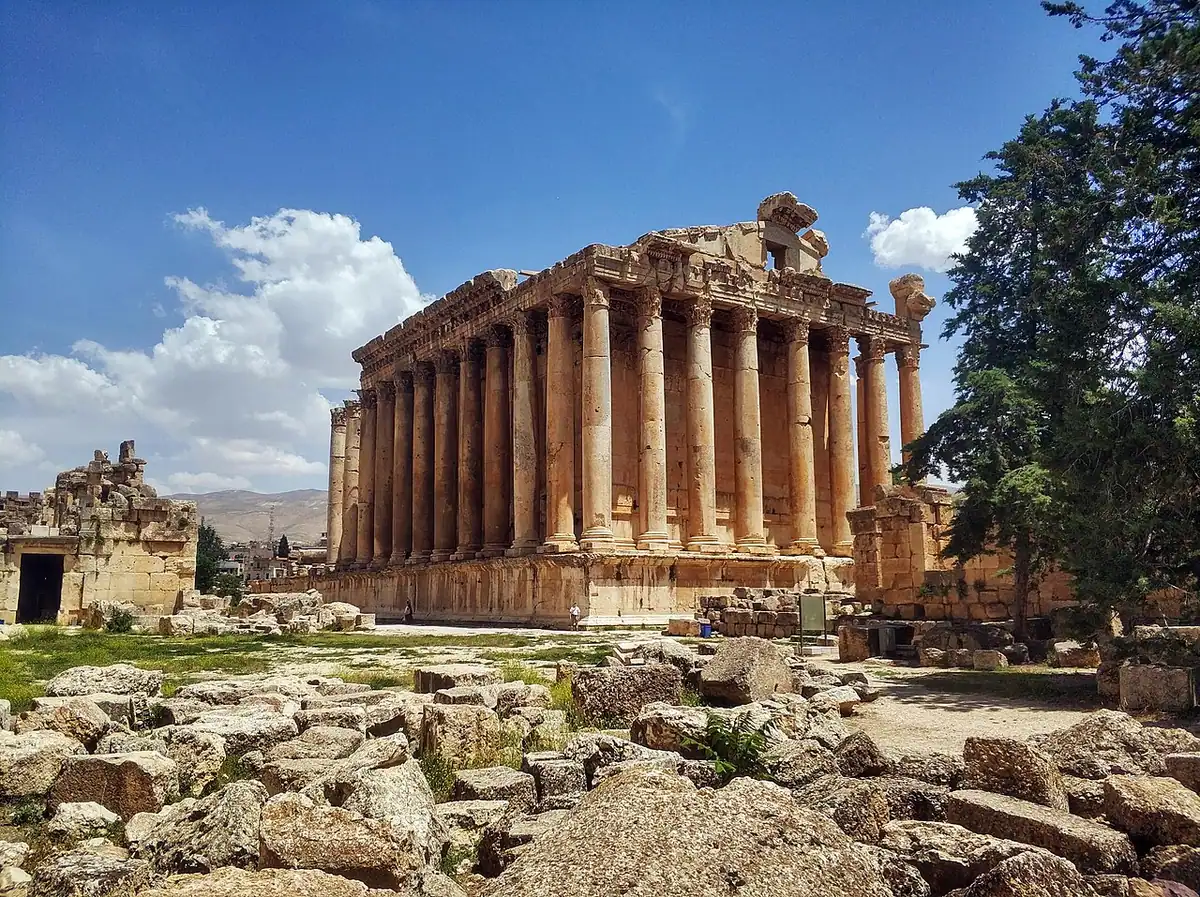
Roman temples, mountain villages and long dinners
Photo: Lodo from Moscow, Russia, CC BY-SA 2.0 · via Wikimedia Commons
Capital
Beirut
Languages
Arabic, with French and English widely used
Currency
Lebanese pound (LBP)
Plugs and power
Types C, D, G · 230 V
Drives on the
Right
Time zone
UTC+2, daylight saving in summer (UTC+3)
The short version
What to expect in Lebanon
Lebanon is a narrow country on the eastern Mediterranean, where you can see snow on the mountains and the sea in the same day. Beirut has a lively food and music scene, and the country holds Roman temples at Baalbek, the old port of Byblos and cedar forests. The economy is in deep crisis, and conflict near the southern border and in other areas is a risk. Check current government advice before you go.
- Baalbek Roman temples
- Byblos old port
- Cedar forests
- Beirut food and nightlife
Did you know?
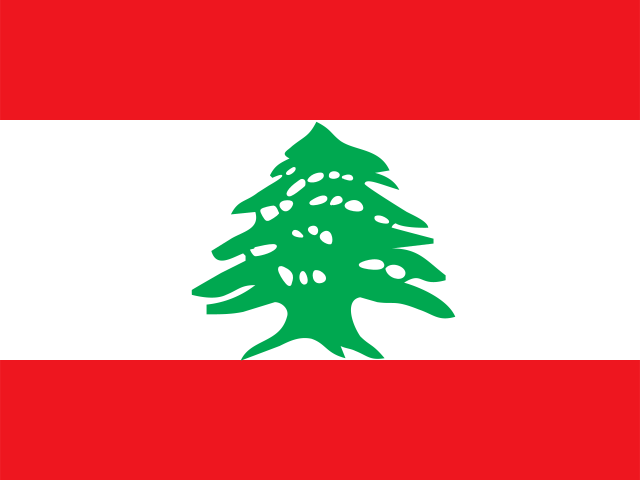
A cedar tree appears at the center of Lebanon's flag.
Food and drink
What to eat in Lebanon
- 01
Mezze
A spread of small dishes like hummus, tabbouleh and baba ghanoush.
- 02
Kibbeh
Bulgur and minced meat shaped into ovals, fried, baked or raw.
- 03
Manakish
Flatbread baked with za'atar, cheese or meat, a common breakfast.
Language
Say it like a local
Arabic
مرحبا (marhaba)
Hello
شكراً (shukran)
Thank you
يلا (yalla)
Let's go
Money and manners: Banks and many shops quote prices in US dollars as well as Lebanese pounds, so ask which currency applies. Tipping around 10 percent in restaurants is usual.
Timing
When to go
Spring and autumn are warm and pleasant for the coast, ruins and mountain walks, while winter brings snow in the mountains and summer is hot and humid on the coast.
Best months: Apr–Jun, Sep–Nov
Guides
No trip guides for Lebanon yet
We have not written a trip guide here yet. The facts below cover entry, health and safety, and you can still plan a trip of your own in Andamos.
Safety, health and entry
Before you go
What to know about entry, health and safety before you go, summarized from official guidance for U.S. passport holders. Rules change, so confirm on the sources linked below.
Visa for U.S. citizens
Visa on arrival, about 1 month
Visa on arrivalPassport
Valid at least 3 months from entry
Vaccines
No vaccines required
State Department advisory
Do not travel
Level 4Entry and visas
Visa on arrival, about 1 month
Visitors normally get a free single-entry tourist visa on arrival at Beirut airport, valid for one month and extendable at General Security offices. Rules for U.S. passports were not fully confirmed, so check before booking. The U.S. says do not travel to Lebanon.
Have ready
- Valid at least 3 months from entry
- An Israeli stamp or border crossing record in your passport can get you refused entry.
- Officers check names against an offender database, and a name match can mean detention until it is cleared.
- Overstay fines are paid at the airport in Lebanese currency only. Flights and airport access can be disrupted by hostilities.
Health and vaccines
No vaccines required
Hospitals are strained by the economic crisis and conflict, and medicines can be short. Carry medical evacuation insurance, since the U.S. government has limited ability to help.
Drinking water: Tap water is not recommended for drinking. Use bottled or treated water.
Required to enter
No vaccines are required for U.S. travelers arriving directly.
Recommended by the CDC
Health risks
- Food and water illness
- Measles, so check your vaccines
- Landmines and unexploded ordnance
- Rabid dogs are common
Safety
Level 4: Do not travel
Do not travel (Level 4)
The U.S. State Department rates Lebanon Level 4, Do Not Travel, because of crime, terrorism, unrest, kidnapping or hostage-taking, landmines and armed conflict. Drone and missile strikes can hit anywhere, including Beirut, and the U.S. embassy ordered departure of non-emergency staff in February 2026.
Avoid
- Southern Lebanon, the Syrian border area, the Dahiyeh and southern Beirut, and refugee settlements, which are the highest-risk areas.
- Protests and large crowds, which can turn violent quickly.
Watch for
- Sudden strikes and outbreaks of violence with no warning
- Kidnapping that can target foreigners, whatever the reason for the visit
- Celebratory gunfire, which is illegal but common
- Flight disruption and roads to the airport that may close
Local laws and customs
- Same-sex sexual acts can be prosecuted, so be discreet.
- Drug offenses carry heavy penalties, and photographing military sites is not allowed.
- Carry your passport or a copy. Overstay fines are paid in Lebanese currency.
Emergency numbers
- Emergency
- 112
- Police
- 112
- Ambulance
- 140
- Fire
- 175
Sources: U.S. State Department travel advisories · U.S. CDC travel health notices · UK government travel advice. Summarized in November 2026. Advisory levels and entry rules change, so confirm on the sources before you book.
Other governments: Canada, Spain (in Spanish), World Health Organization.
This is general information, not medical, legal or security advice.
Keep exploring
More in Middle East
Your trip, your way.
Start from a guide or a blank page. Free on the web, with iPhone and Android apps coming soon.