
Middle East
Iran
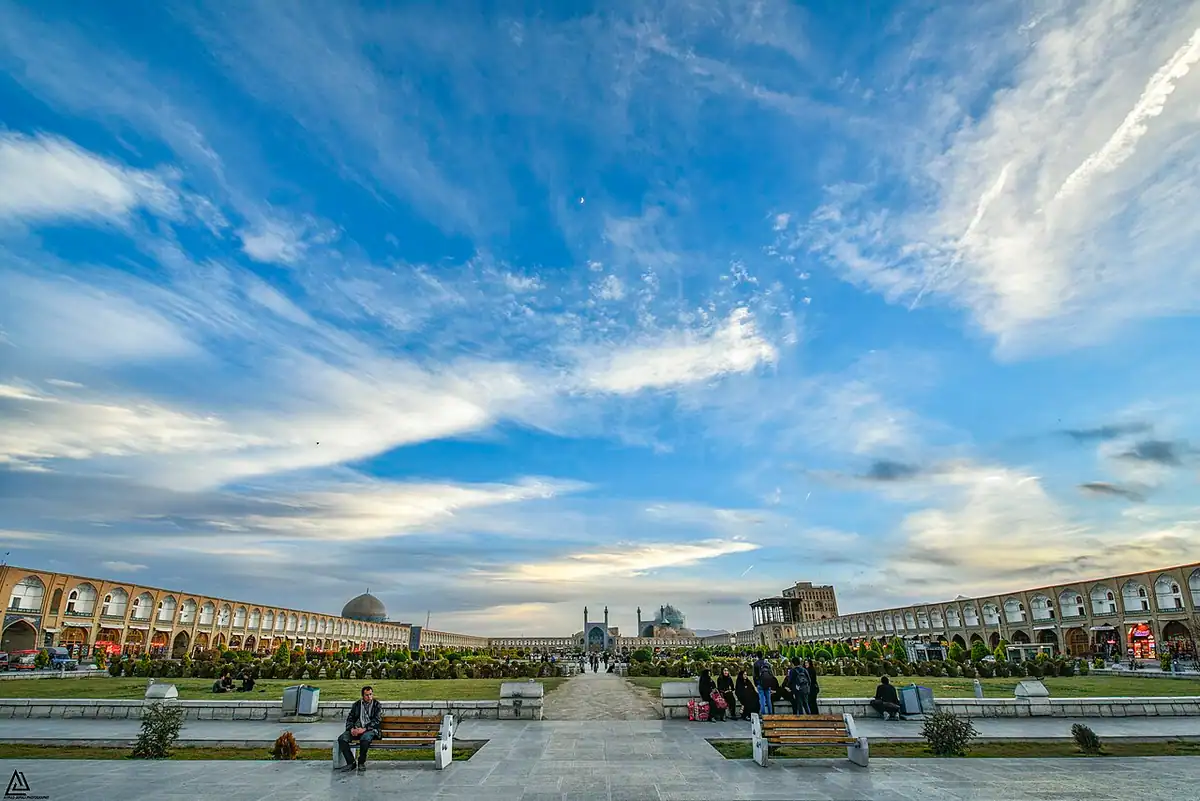
Tiled mosques, poets and desert caravan towns
Photo: احمد جمالی مقدم, CC BY-SA 4.0 · via Wikimedia Commons
Capital
Tehran
Languages
Persian (Farsi), Azerbaijani, Kurdish and others
Currency
Iranian rial (IRR)
Plugs and power
Types C, F · 230 V
Drives on the
Right
Time zone
UTC+3:30, no daylight saving
The short version
What to expect in Iran
Iran is a large country of high plateaus, mountains and desert, with a Persian culture that goes back thousands of years. Visitors come for the tiled mosques of Isfahan, the ruins at Persepolis, bazaars, gardens and the tea houses where poetry is still quoted. Many governments advise against travel because of the risk of arbitrary detention, especially for foreign and dual nationals, so check current advice carefully.
- Persepolis ruins
- Isfahan's Naqsh-e Jahan Square
- Persian carpets and poetry
- Gardens and tea houses
Did you know?
Nowruz, the Persian new year, begins on the spring equinox and has been celebrated for thousands of years.
Food and drink
What to eat in Iran
- 01
Chelo kabab
Grilled minced or sliced meat served over saffron rice with grilled tomato.
- 02
Ghormeh sabzi
Herb stew with kidney beans, dried lime and lamb or beef.
- 03
Tahdig
The crisp golden layer of rice from the bottom of the pot.
Language
Say it like a local
Persian (Farsi)
سلام (salâm)
Hello
ممنون (mamnun)
Thank you
خیلی خوشمزه بود (kheili khoshmazeh bud)
It was very tasty
Money and manners: Foreign bank and credit cards do not work in Iran, so bring enough cash. Politeness called taarof means hosts may refuse payment at first; insist gently.
Timing
When to go
Spring and autumn bring mild weather for the central cities, while summer is very hot in the south and winter is cold in the mountains.
Best months: Mar–May, Sep–Nov
Guides
No trip guides for Iran yet
We have not written a trip guide here yet. The facts below cover entry, health and safety, and you can still plan a trip of your own in Andamos.
Safety, health and entry
Before you go
What to know about entry, health and safety before you go, summarized from official guidance for U.S. passport holders. Rules change, so confirm on the sources linked below.
Visa for U.S. citizens
Visa and escort needed, travel not advised
Restricted entryPassport
Valid at least 6 months after arrival
Vaccines
No vaccines required from the U.S.
State Department advisory
Do not travel
Level 4Entry and visas
Visa and escort needed, travel not advised
U.S. citizens need an Iranian visa and generally can only travel in Iran on a pre-arranged guided tour or with an approved escort. The U.S. government says do not travel to Iran because of the risk of wrongful detention. Verify current rules with an Iranian interests section before any plans.
Have ready
- Valid at least 6 months after arrival
- Visas are arranged ahead of travel, normally through an Iranian-approved tour operator. Rules for U.S. passports change often.
- Israeli stamps or crossing points on your passport can lead to refused entry.
- Iran does not recognize dual nationality. Dual citizens are treated as Iranian and must use an Iranian passport.
Health and vaccines
No vaccines required from the U.S.
Care in major cities is serviceable, but medicines can be short and the U.S. government cannot help in an emergency. Carry medical evacuation insurance and plan your own exit route.
Drinking water: Bottled water is the safer choice. Tap water quality varies and can upset visitors' stomachs.
Required to enter
No vaccines are required for U.S. travelers arriving directly.
Recommended by the CDC
Health risks
- Food and water illness
- Malaria in some southern areas
- Leishmaniasis from sand flies
- Rabid dogs are common
Safety
Level 4: Do not travel
Do not travel (Level 4)
The U.S. State Department rates Iran Level 4, Do Not Travel. The reasons include a very high risk of arrest, interrogation and long detention of U.S. citizens, terrorism, civil unrest and armed conflict. The U.S. has no embassy in Iran and cannot evacuate or assist you.
Avoid
- All travel to Iran. Border areas, especially Sistan-Baluchistan, Kurdistan and the Iraq and Afghanistan borders, carry added risk.
Watch for
- Arbitrary arrest and detention of foreigners, including on security charges
- Terrorist attacks, including by ISIS-K, at crowded and religious sites
- Protests and sudden changes in the security situation
- Air, sea and land exits controlled by the authorities and may close in a crisis
Local laws and customs
- Dress rules apply: women must cover their hair and wear loose clothing in public.
- Alcohol is banned and drug offenses can bring the death penalty.
- Do not photograph military sites, officials or protests. Sharing opinions online can also lead to arrest.
- Same-sex relations are illegal and can carry severe penalties.
Emergency numbers
- Emergency
- 110
- Police
- 110
- Ambulance
- 115
- Fire
- 125
Sources: U.S. State Department travel advisories · U.S. CDC travel health notices · UK government travel advice. Summarized in November 2026. Advisory levels and entry rules change, so confirm on the sources before you book.
Other governments: Canada, Spain (in Spanish), World Health Organization.
This is general information, not medical, legal or security advice.
Keep exploring
More in Middle East
Your trip, your way.
Start from a guide or a blank page. Free on the web, with iPhone and Android apps coming soon.