
Oceania
Cook Islands
Fifteen small islands and one lagoon worth floating in
Photo: Mr Bullitt, CC BY 2.5 · via Wikimedia Commons
Capital
Avarua
Languages
English, Cook Islands Māori
Currency
New Zealand dollar (NZD)
Plugs and power
Type I · 230 V
Drives on the
Left
Time zone
UTC-10, no daylight saving
The short version
What to expect in Cook Islands
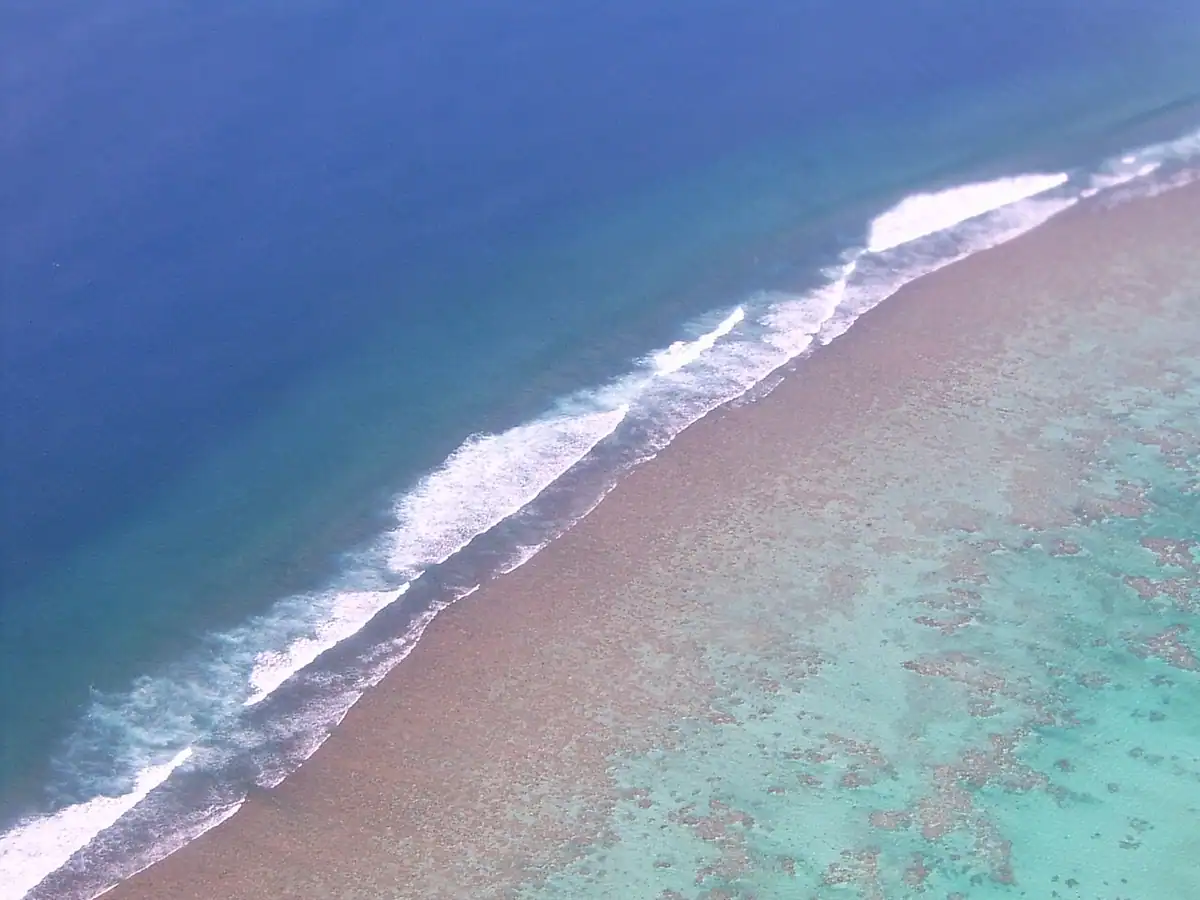
The Cook Islands are 15 small islands spread over a large part of the South Pacific. Rarotonga, the main island, has a mountain interior with jungle walks and a road that circles the coast in under an hour. Aitutaki is known for its lagoon, which visitors explore by boat, snorkel and kayak. Life moves slowly and Sunday is a quiet day.
- Aitutaki lagoon
- Rarotonga's coast road
- Snorkeling and diving
- Island dance and drumming
Did you know?
The Cook Islands govern themselves in free association with New Zealand, and its people hold New Zealand citizenship.
Food and drink
What to eat in Cook Islands
- 01
Ika mata
Raw fish marinated in lime juice and finished with coconut cream.
- 02
Rukau
Taro leaves cooked down with coconut cream, a common side dish.
- 03
Poke
Local fruit pudding made with banana or papaya and topped with coconut cream.
Language
Say it like a local
Cook Islands Māori
Kia orana
Hello
Meitaki
Thank you
Aere ra
Goodbye
Money and manners: Tipping is not expected and is not part of local custom. Many places close or go quiet on Sundays, so plan meals and transport ahead.
Timing
When to go
The taller the bar, the more of our Cook Islands trips are at their best that month.
Best months: May–Oct
Guides
Trip guides for Cook Islands
 5 daysGood with kids
Cook Islands
Rarotonga, Cook Islands
Rarotonga
- Price
- $$$
- Difficulty
- Moderate
- Best time:
- May–Oct
 3 daysGood with kids
Cook Islands
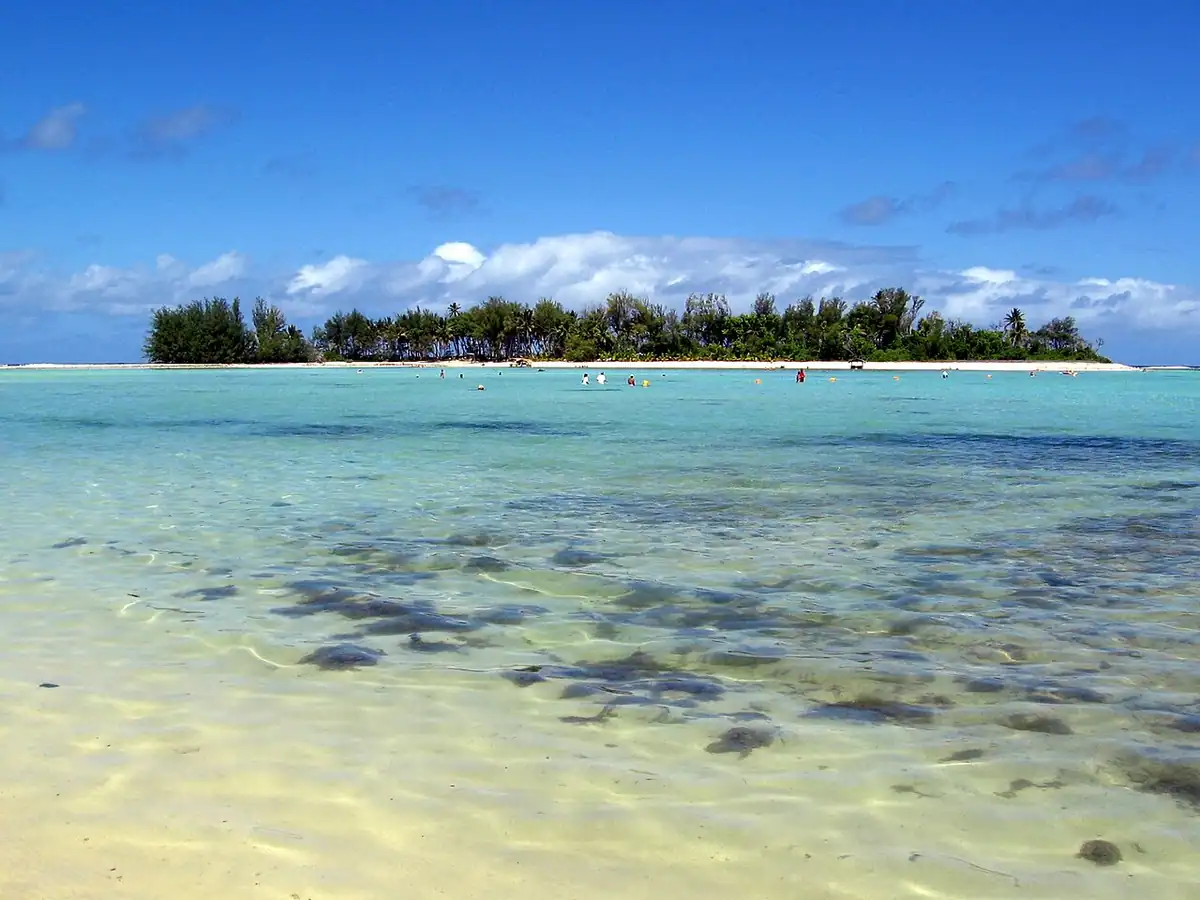
Aitutaki and its lagoon
Aitutaki
- Price
- $$$
- Difficulty
- Easy
- Best time:
- May–Oct
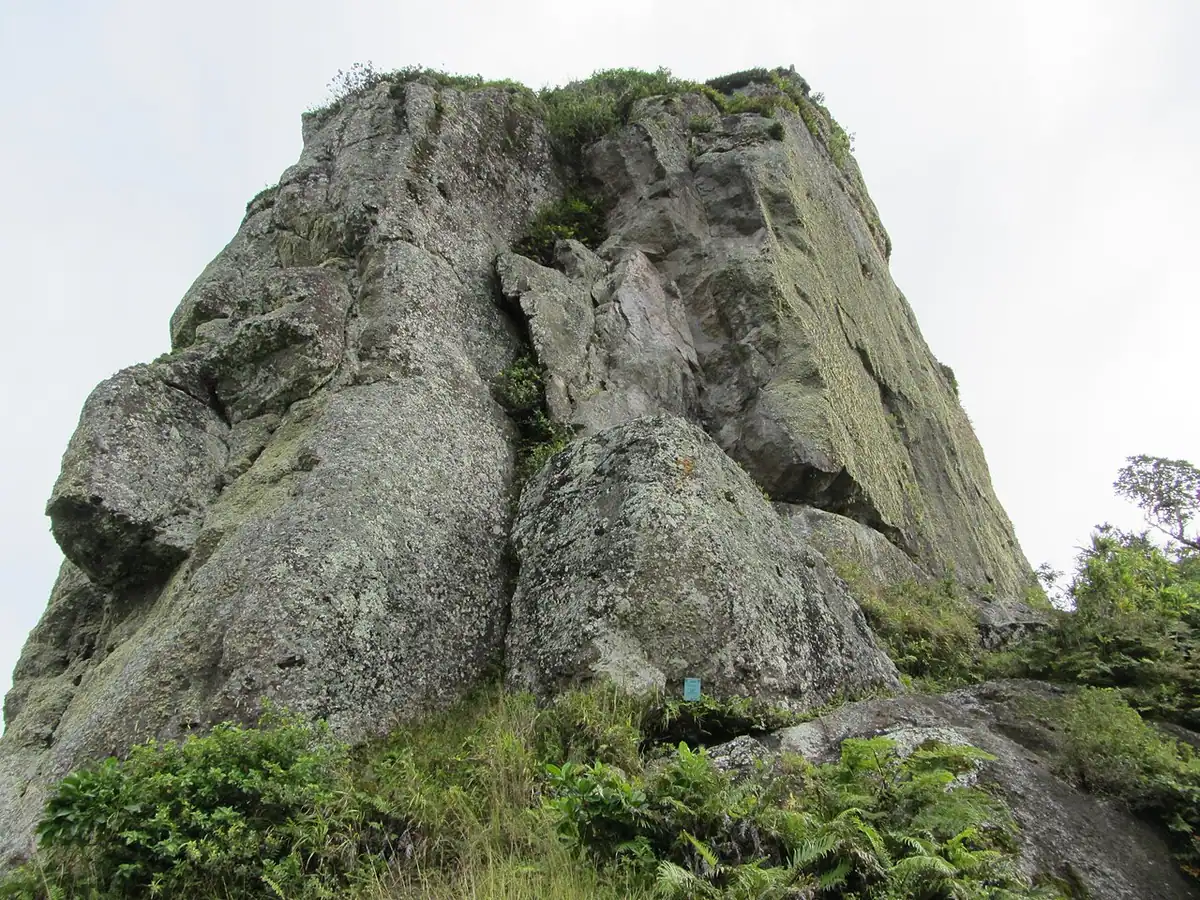 2 daysGood with kids
Cook Islands
Rarotonga for whales and birds
Rarotonga
- Price
- $$$
- Difficulty
- Easy
- Best time:
- Jul–Oct
Safety, health and entry
Before you go
What to know about entry, health and safety before you go, summarized from official guidance for U.S. passport holders. Rules change, so confirm on the sources linked below.
Visa for U.S. citizens
Visa-free for up to 31 days
Visa-freePassport
Valid 6 months beyond departure, two blank pages
Vaccines
No vaccines required
State Department advisory
Low crime, scooter and cyclone risks
Entry and visas
Visa-free for up to 31 days
U.S. citizens can visit the Cook Islands without a visa for up to 31 days. Monthly extensions are possible up to five months in total.
Have ready
- Valid 6 months beyond departure, two blank pages
- Have an onward or return ticket, proof of accommodation and any visa needed for your next country.
- Arrivals by yacht or tourist boat need prior permission.
- Fill in the arrival card and follow biosecurity rules; undeclared food and plants can bring fines.
Health and vaccines
No vaccines required
Medical facilities are limited outside Rarotonga, and serious cases may need evacuation to New Zealand. Carry insurance with medical evacuation cover.
Drinking water: Water supplies can be contaminated, so drink only boiled or bottled water.
Required to enter
No vaccines are required for U.S. travelers arriving directly.
Recommended by the CDC
Health risks
- Dengue and Zika from mosquitoes
- Scooter injuries
- Sun and heat exposure
Safety
Low crime, scooter and cyclone risks
Crime is low, but belongings left on beaches or in unlocked scooter storage are common targets. The State Department level could not be confirmed here, so check it before booking. Cyclone season runs from 1 November to 30 April.
Watch for
- Scooter and motorbike crashes; check that your insurance covers riding
- Thefts from beaches and unsecured storage
- Cyclones from November to April
- ATMs only on Rarotonga and Aitutaki; carry cash for other islands
Local laws and customs
- Drug possession carries severe penalties.
- A local driving license is required to ride a scooter, and helmets are required.
- Dress modestly away from the beach and in churches; Sundays are quiet.
Emergency numbers
- Emergency
- 999
- Police
- 999
- Ambulance
- 998
- Fire
- 996
Sources: U.S. State Department travel advisories · U.S. CDC travel health notices · UK government travel advice. Summarized in November 2026. Advisory levels and entry rules change, so confirm on the sources before you book.
Other governments: Canada, Spain (in Spanish), World Health Organization.
This is general information, not medical, legal or security advice.
Keep exploring
More in Oceania

Your trip, your way.
Start from a guide or a blank page. Free on the web, with iPhone and Android apps coming soon.