

Oceania
Palau
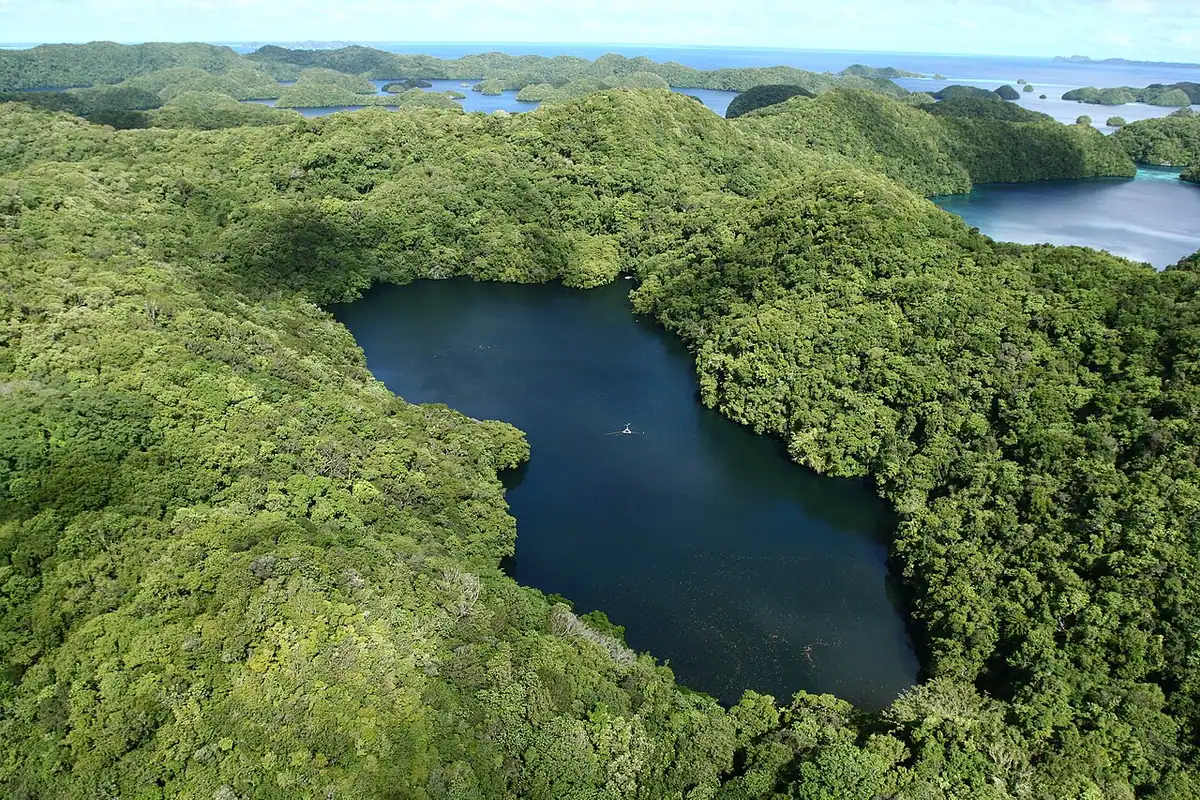
Limestone islands, jellyfish lakes, wrecks to dive
Photo: Lukas from Munich, Germany, CC BY 2.0 · via Wikimedia Commons
Capital
Ngerulmud
Languages
Palauan, English
Currency
US dollar (USD)
Plugs and power
Types A, B · 120 V
Drives on the
Right
Time zone
UTC+9, no daylight saving
The short version
What to expect in Palau
Palau is a scattered group of islands in the western Pacific, known for clear water and some of the best diving and snorkeling in the region. Day boats head out to the green limestone Rock Islands, where you can swim in quiet lagoons. On land, villages keep strong traditions and visitors are asked to respect the sea and local customs.
- Rock Islands lagoons
- Jellyfish Lake
- World War II wrecks
- Diving and snorkeling
Did you know?
On arrival, visitors get a stamp in their passport with a pledge to protect the islands and ocean.
Food and drink
What to eat in Palau
- 01
Fruit bat soup
Traditional coconut broth soup, served at celebrations and some restaurants.
- 02
Taro
Starchy root boiled or steamed, a staple next to fish.
- 03
Fresh tuna sashimi
Local catch served raw, a nod to Japanese influence.
Language
Say it like a local
Palauan
Alii
Hello
Sulang
Thank you
Kmal mesulang
Thank you very much
Money and manners: Visitors sign the Palau Pledge on arrival and need a permit to swim in the Rock Islands, which day tour operators usually arrange.
Timing
When to go
The taller the bar, the more of our Palau trips are at their best that month.
Best months: Dec–Apr
Guides
Trip guides for Palau
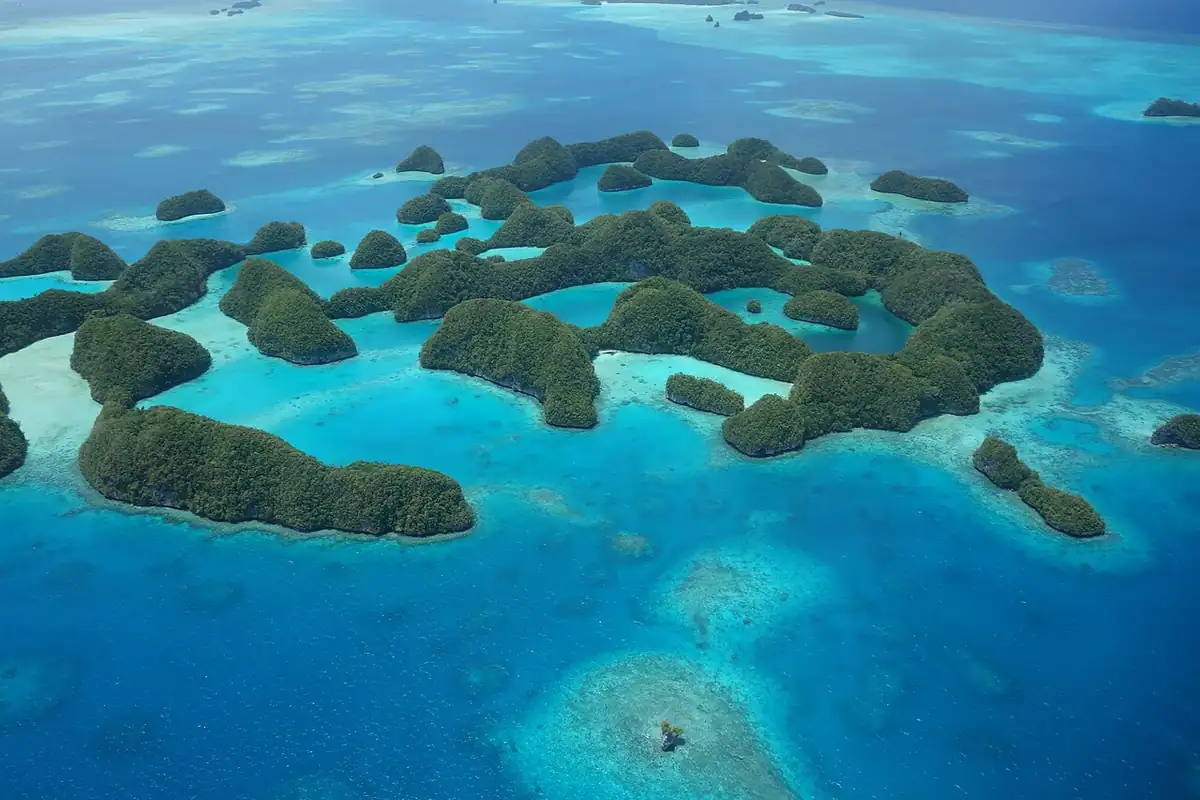 5 days
Palau
Palau: the Rock Islands
Koror, the Rock Islands and Peleliu
- Price
- $$$
- Difficulty
- Moderate
- Best time:
- Nov–Apr
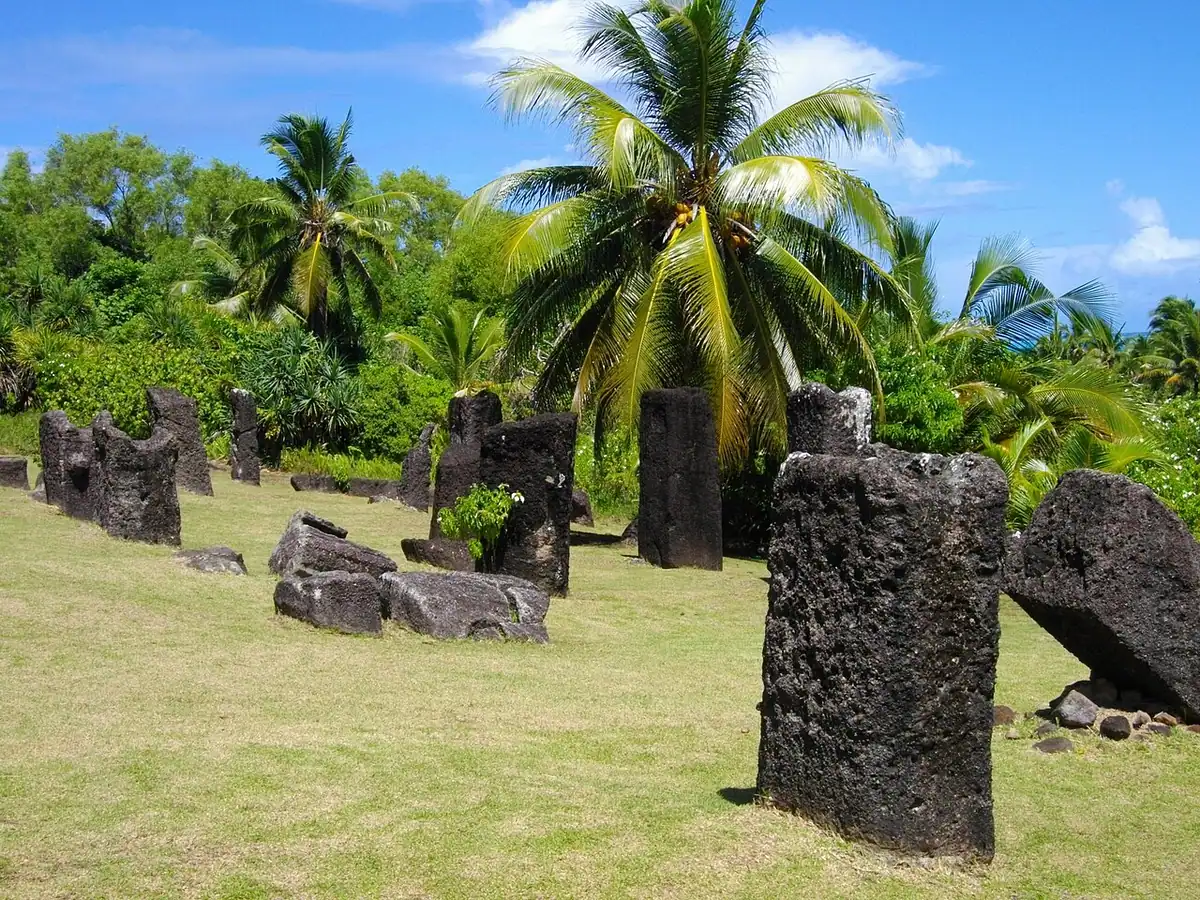 3 days
Palau
Northern Babeldaob and Kayangel
Babeldaob, Ngarchelong and Kayangel
- Price
- $$$
- Difficulty
- Moderate
- Best time:
- Dec–Apr
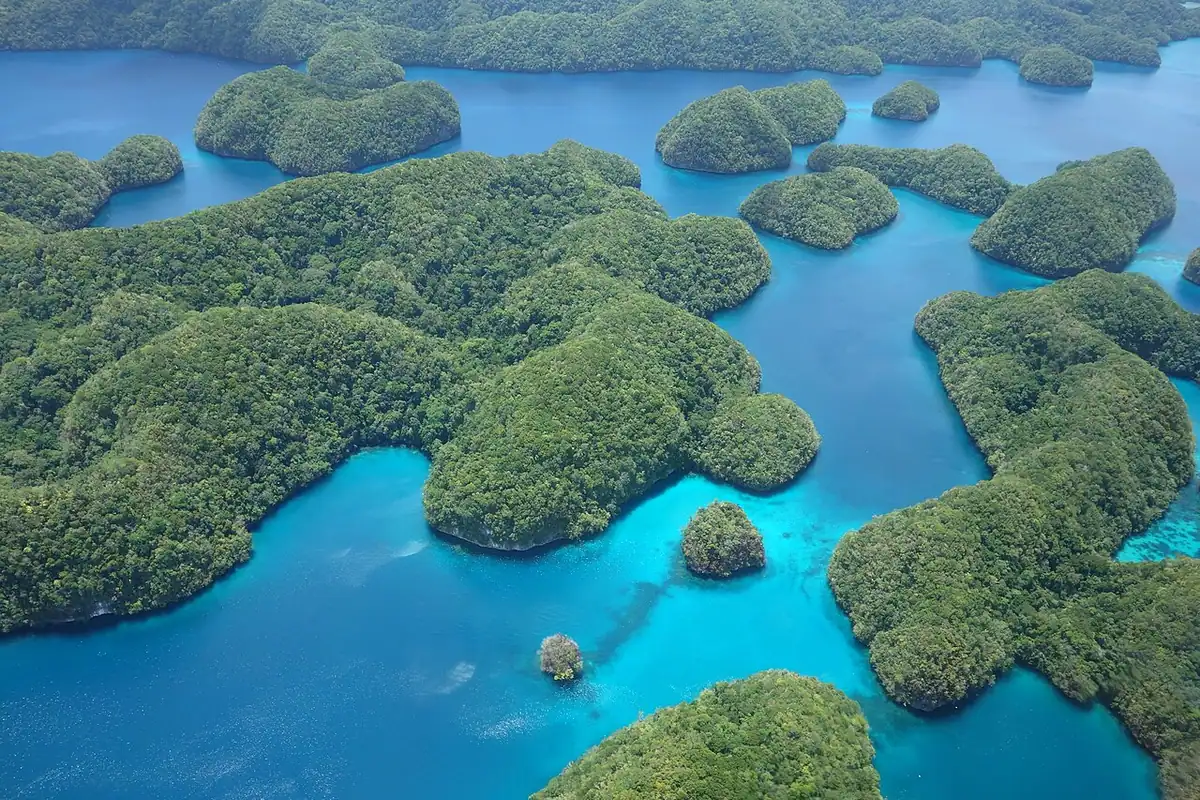 2 daysGood with kids
Palau
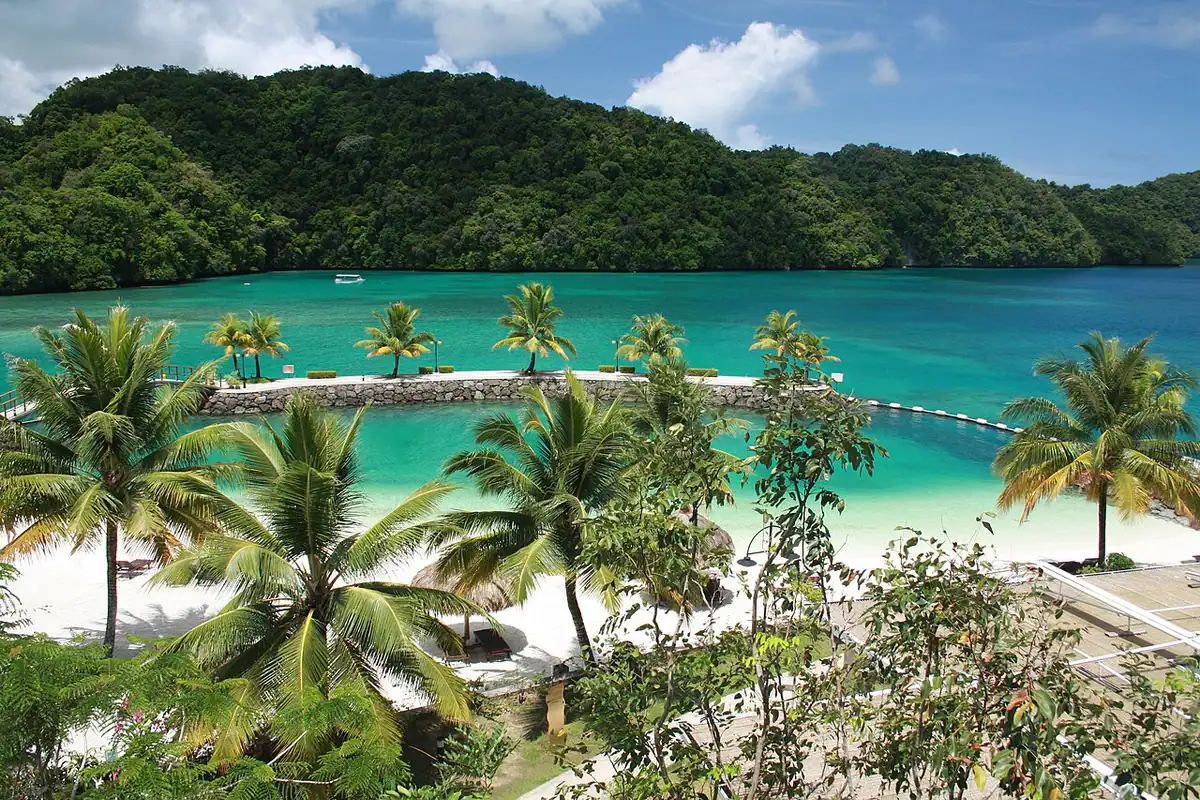
Palau reef and lagoon with kids
Koror and the Rock Islands
- Price
- $$$
- Difficulty
- Easy
- Best time:
- Dec–Apr
 3 daysGood with kids
Palau
Koror town, culture and local food
Koror and Malakal
- Price
- $$$
- Difficulty
- Easy
- Best time:
- Dec–Apr
 3 days
Palau
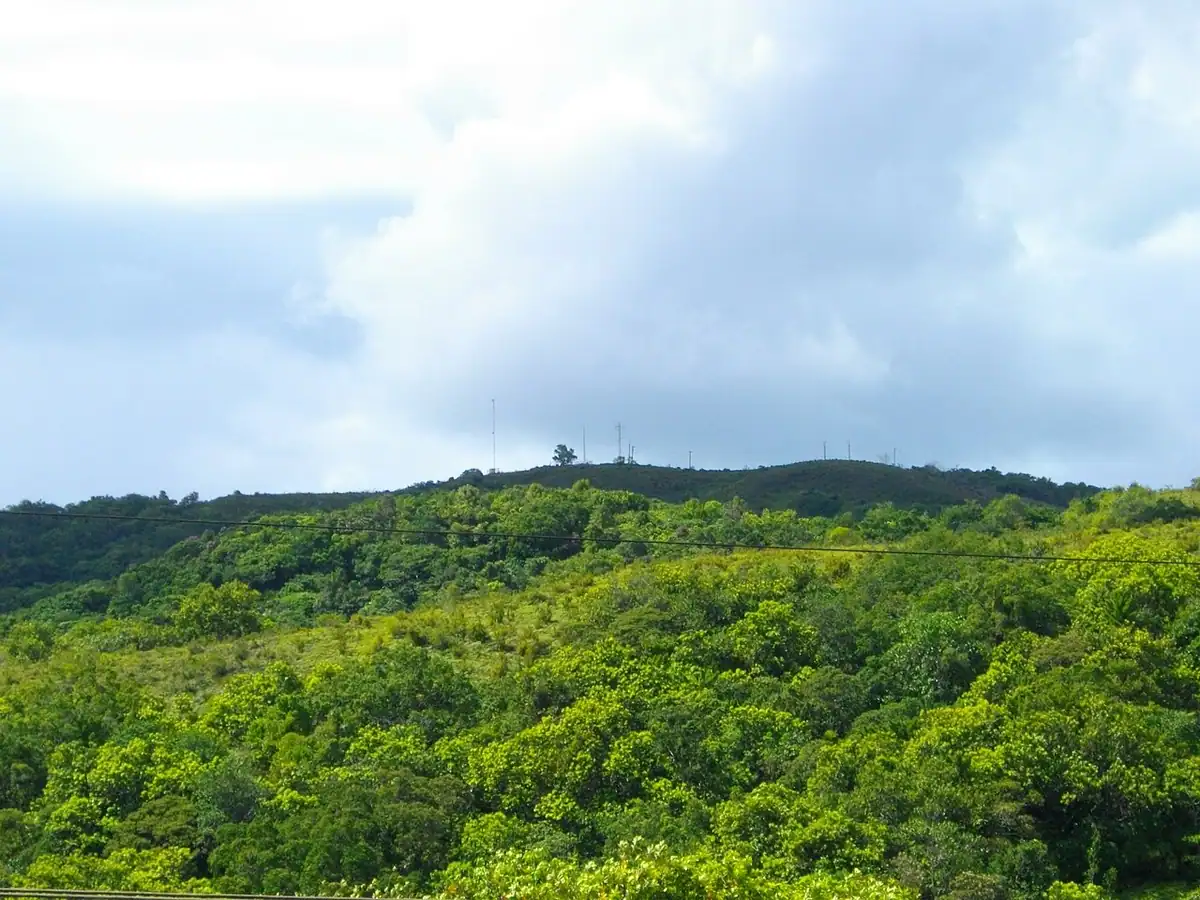
Babeldaob forest, lake and mangroves
Ngardok Nature Reserve and Ngeremeduu Bay
- Price
- $$$
- Difficulty
- Moderate
- Best time:
- Dec–Apr
Safety, health and entry
Before you go
What to know about entry, health and safety before you go, summarized from official guidance for U.S. passport holders. Rules change, so confirm on the sources linked below.
Visa for U.S. citizens
Visa-free, usually 30 days
Visa-freePassport
Valid passport, ideally 6 months of validity
Vaccines
No vaccines required
State Department advisory
Exercise normal precautions
Level 1Entry and visas
Visa-free, usually 30 days
U.S. citizens do not need a visa. Under the Compact of Free Association they are admitted as visitors, usually for 30 days, and extensions are possible. You must sign the Palau Pledge, which is stamped in your passport.
Have ready
- Valid passport, ideally 6 months of validity
- Sign the Palau Pledge on arrival; it is stamped in your passport and commits you to protect the environment.
- Complete the Palau entry form within 72 hours of arrival.
- You may be asked for proof of onward travel, so keep your return ticket handy.
Health and vaccines
No vaccines required
There is one national hospital, in Koror, with a hyperbaric chamber for diving accidents. Serious conditions may need medical evacuation, and clinics often expect immediate payment, so carry evacuation insurance.
Drinking water: Tap water is generally treated, but check locally, and drink bottled water if unsure, especially outside Koror.
Required to enter
No vaccines are required for U.S. travelers arriving directly.
Recommended by the CDC
Health risks
- Dengue and Zika from mosquitoes
- Diving accidents (decompression sickness)
- Sun and heat exposure
Safety
Level 1: Exercise normal precautions
Level 1: low crime, remote medical care
The U.S. State Department rates Palau Level 1, exercise normal precautions, with Level 2 for the Rock Islands and smaller outlying islands, where emergency care can be a multi-hour boat ride away, and for Peleliu, where unexploded World War 2 ordnance remains. Crime is low, and theft of unattended items is the most likely problem.
Avoid
- Caves and off-trail hiking on Peleliu and Angaur, where unexploded ordnance remains. Never touch metal objects.
Watch for
- Limited medical care outside Koror and Babeldaob; ambulances are unreliable outside Koror.
- Credit card fraud and skimming devices have increased, so take care at ATMs.
- Theft of unattended items from beaches, boats and rental cars.
- Strong currents and changing conditions on dive and snorkel sites; use licensed operators.
- Typhoons and heavy rain can disrupt boats and flights.
Local laws and customs
- Drug offences carry heavy penalties.
- Drinking alcohol in public outside licensed premises is illegal.
- Respect marine rules: some sites need permits, and the Palau Pledge bans harming reefs and wildlife.
Emergency numbers
- Emergency
- 911
Sources: U.S. State Department travel advisories · U.S. CDC travel health notices · UK government travel advice. Summarized in November 2026. Advisory levels and entry rules change, so confirm on the sources before you book.
Other governments: Canada, Spain (in Spanish), World Health Organization.
This is general information, not medical, legal or security advice.
Keep exploring
More in Oceania


Your trip, your way.
Start from a guide or a blank page. Free on the web, with iPhone and Android apps coming soon.