
Central America & Caribbean
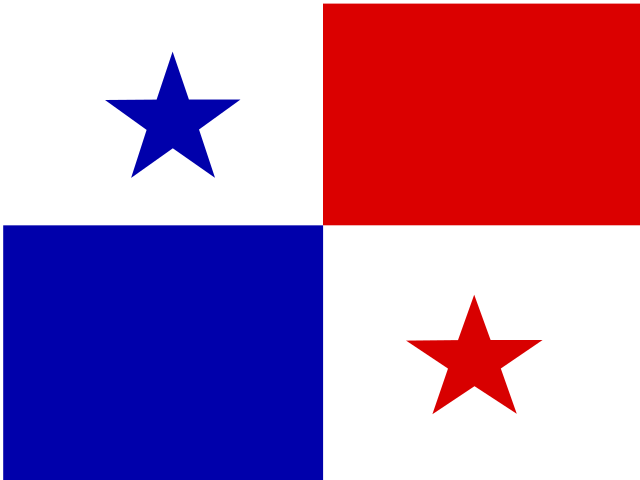
Panama
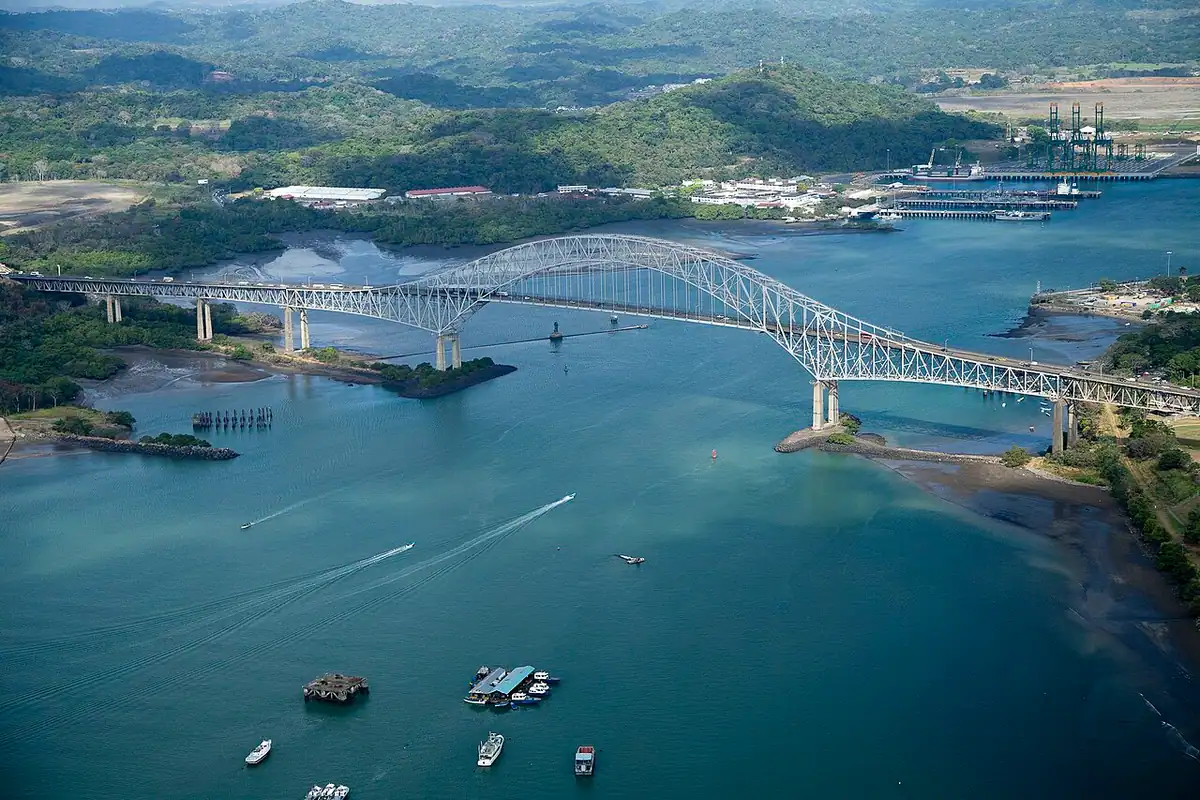
Two oceans, one canal, rainforest next door
Photo: Rodrigo Guerrero, CC BY 2.0 · via Wikimedia Commons
Capital
Panama City
Languages
Spanish
Currency
US dollar (balboa coins) (USD)
Plugs and power
Types A, B · 120 V
Drives on the
Right
Time zone
UTC-5, no daylight saving
The short version
What to expect in Panama
Panama links North and South America and has coasts on both the Caribbean and the Pacific. You can watch ships pass through the Panama Canal, wander the old streets of Casco Viejo, then be in rainforest or on an island beach within hours. Panama City has a modern skyline, while the highlands and the San Blas islands feel a world away.
- The Panama Canal
- Casco Viejo old town
- San Blas islands
- Boquete coffee highlands
Did you know?
The Panama Canal lets ships cross between the Atlantic and Pacific using a system of locks.
Food and drink
What to eat in Panama
- 01
Sancocho
Hearty chicken and root vegetable soup, a national comfort dish.
- 02
Ceviche
Raw fish cured in lime with onion and chili, often sold on the street.
- 03
Hojaldras
Fried dough eaten at breakfast, often with cheese or eggs.
Language
Say it like a local
Spanish
Hola
Hello
Gracias
Thank you
¿Qué xopá?
What's up? (casual greeting)
Money and manners: Panama uses US dollar bills, so bring small notes for taxis and markets, and tip about 10 percent in restaurants if service is not already added.
Timing
When to go
The taller the bar, the more of our Panama trips are at their best that month.
Best months: Dec–Apr
Guides
Trip guides for Panama
 3 daysGood with kids
Panama
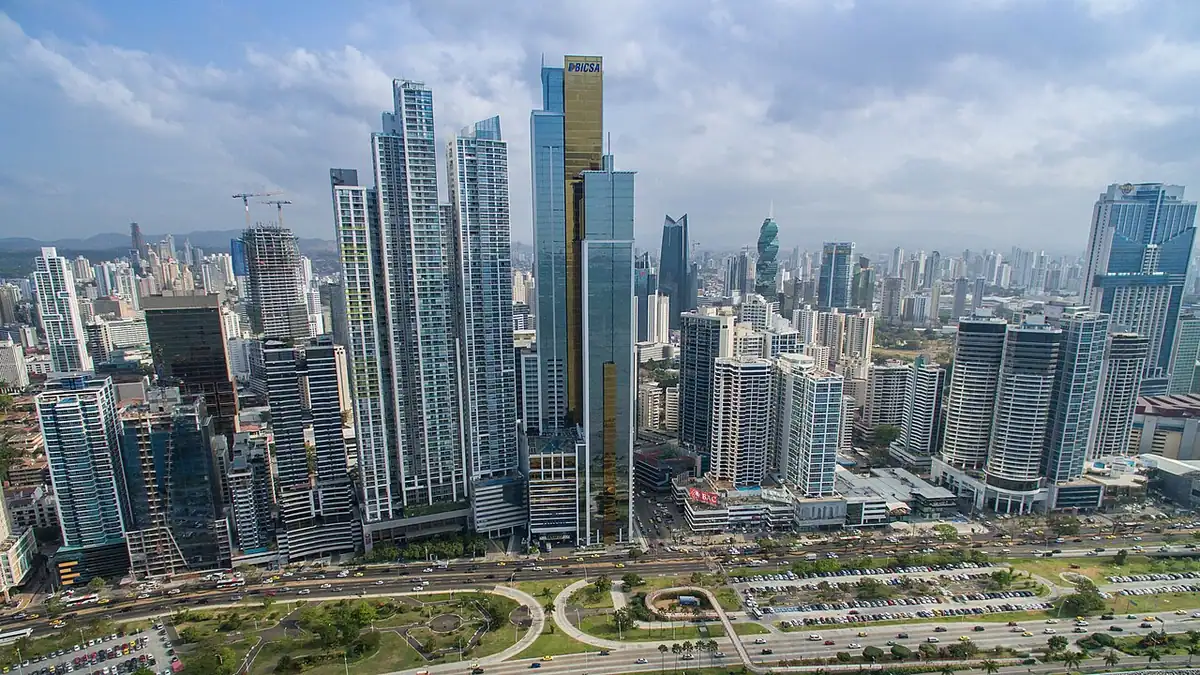
Panama City and the Panama Canal
Panama City, Miraflores and Gamboa
- Price
- $$$
- Difficulty
- Easy
- Best time:
- Dec–Apr
 4 daysGood with kids
Panama
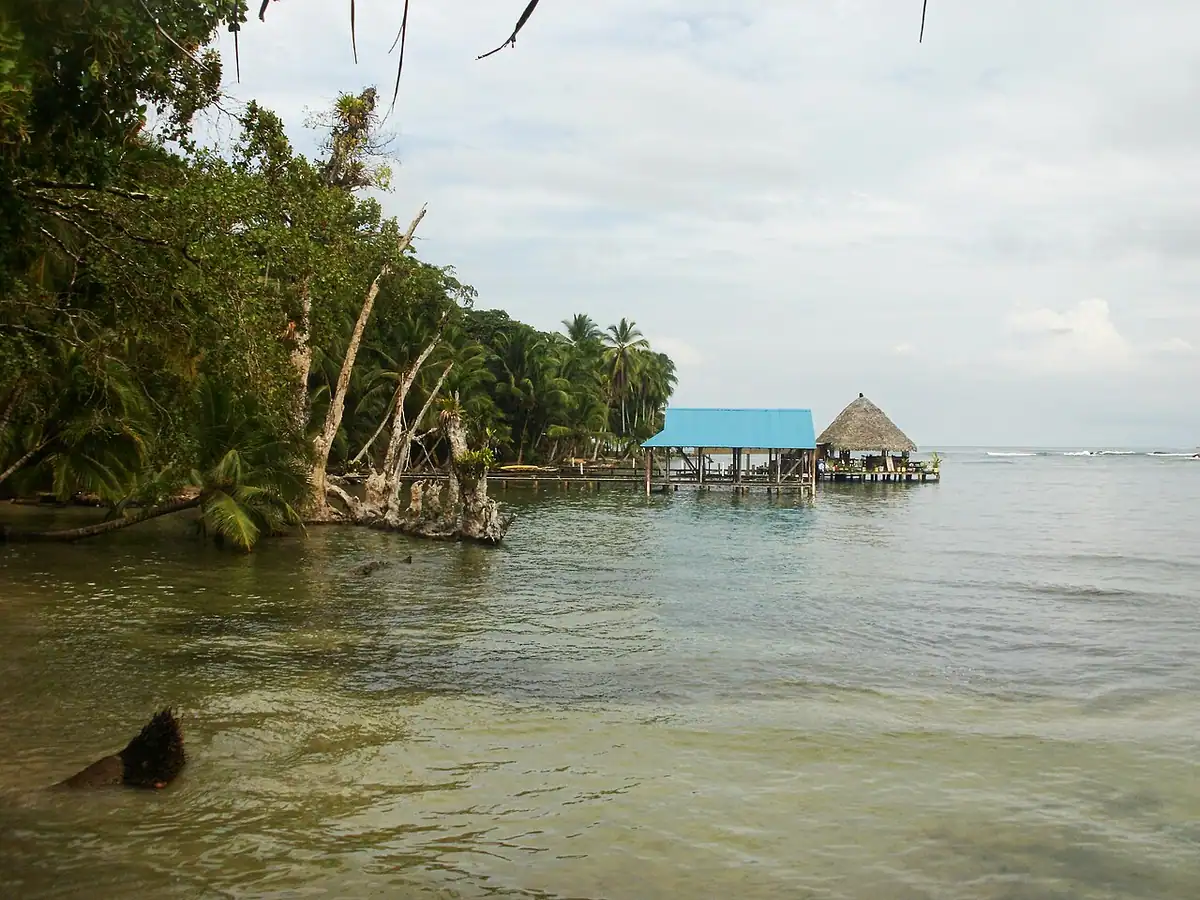
Bocas del Toro
Isla Colón, Isla Bastimentos and the Zapatilla Cays
- Price
- $$$
- Difficulty
- Easy
- Best time:
- Feb–Apr, Sep–Oct
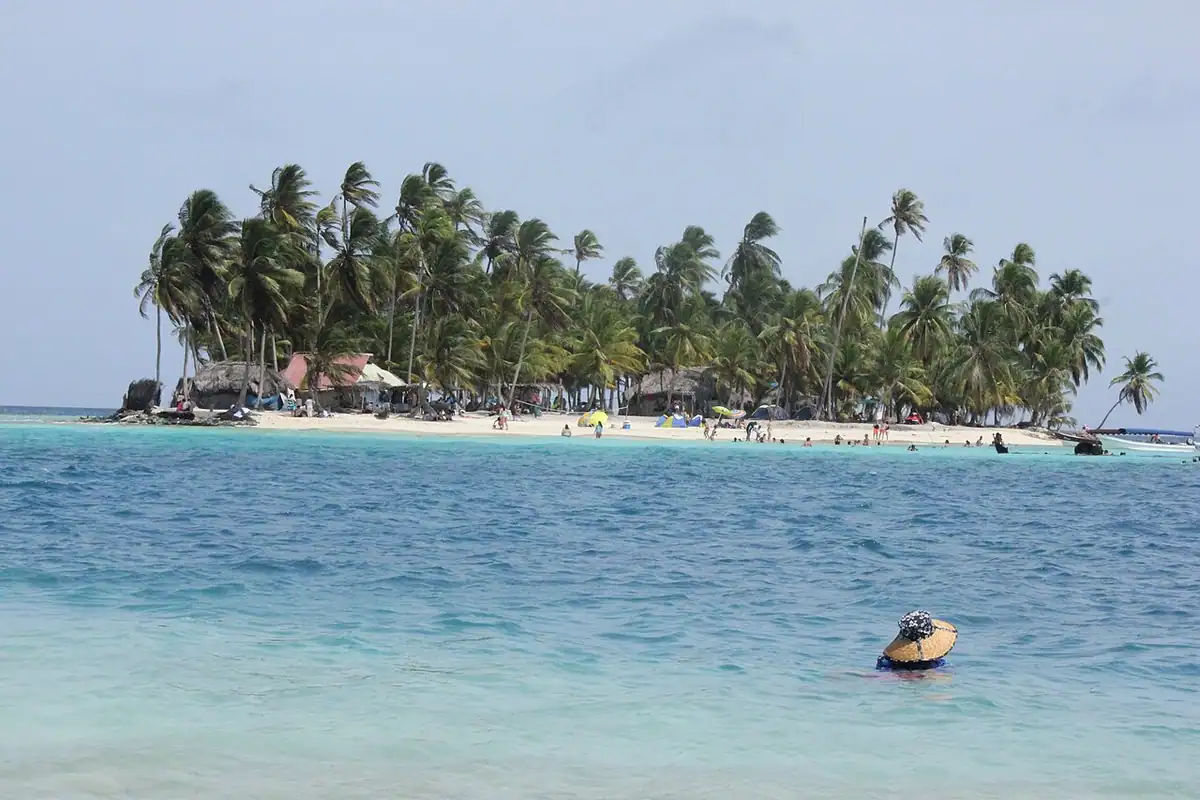 3 days
Panama
San Blas (Guna Yala) islands
Carti and the Guna Yala islands
- Price
- $$$
- Difficulty
- Moderate
- Best time:
- Dec–Apr
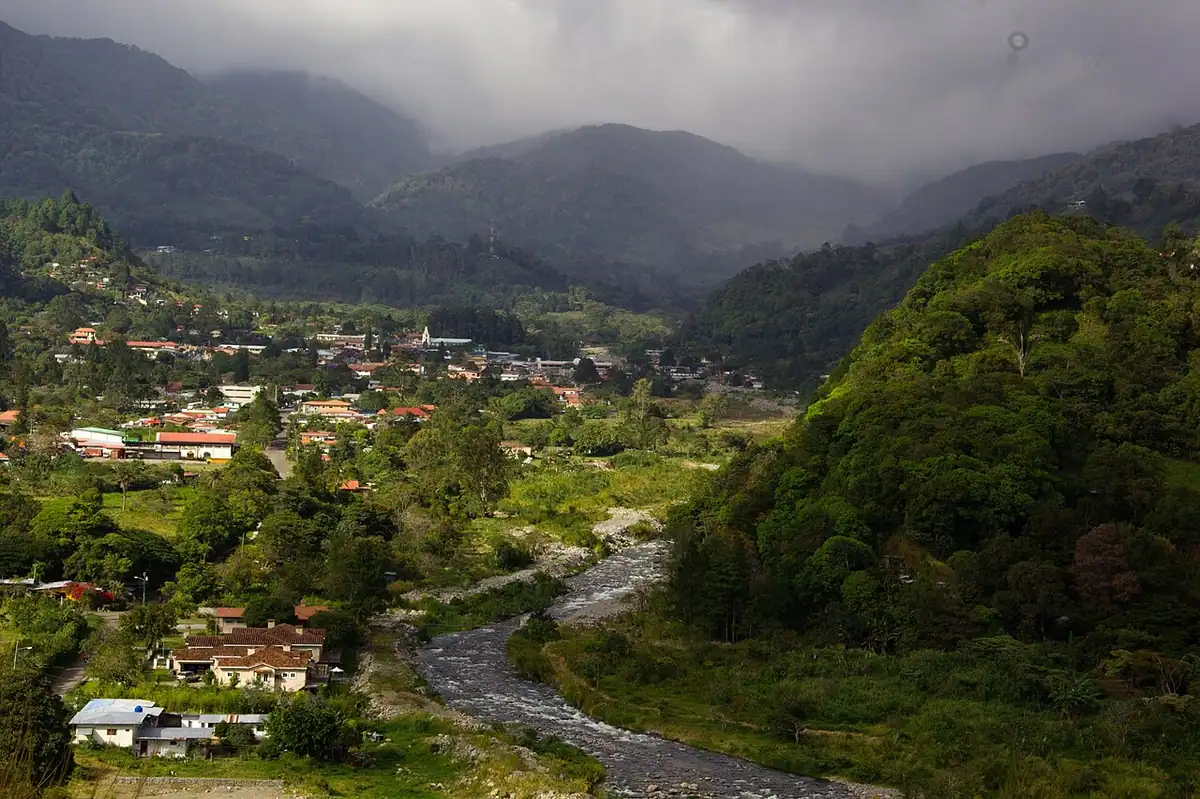 5 daysGood with kids
Panama
Panama highlands: Boquete and Volcán Barú
Boquete, Volcán Barú and Cerro Punta
- Price
- $$$
- Difficulty
- Moderate
- Best time:
- Dec–Apr
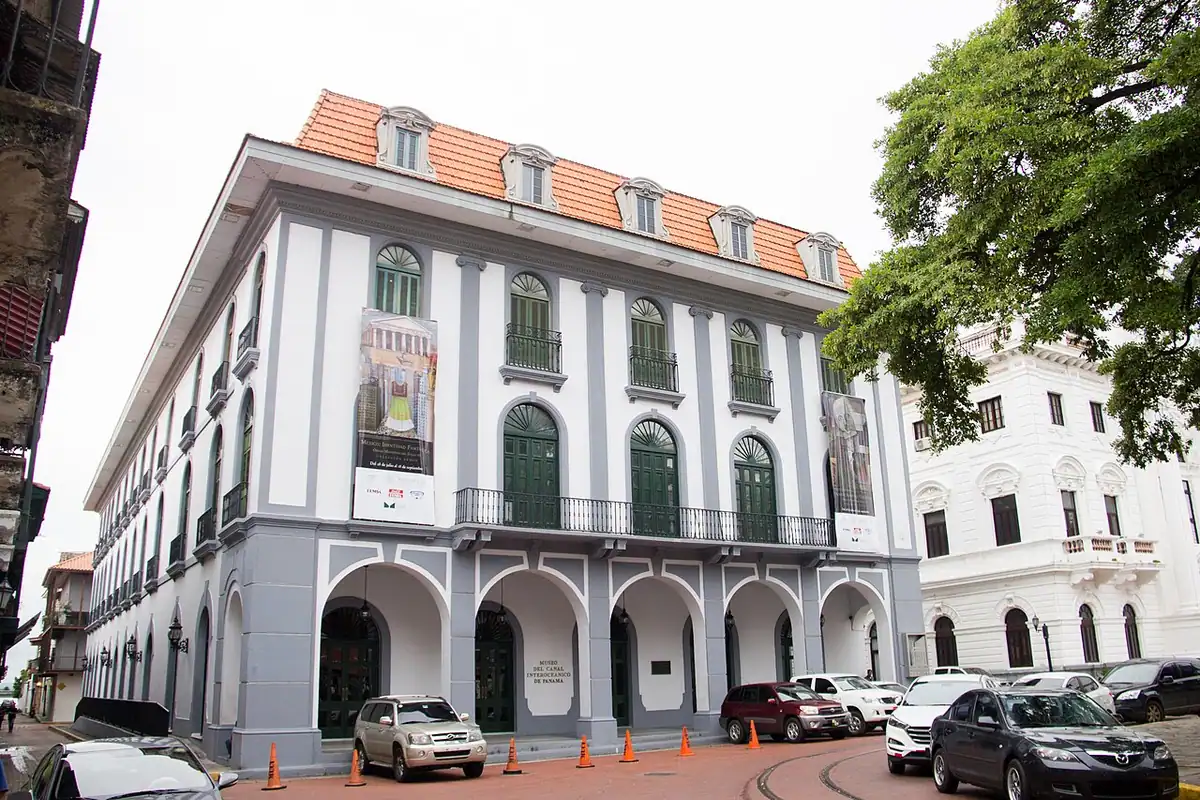 4 daysGood with kids
Panama
Panama City food trip and Casco Viejo
Panama City and Casco Viejo
- Price
- $$$
- Difficulty
- Easy
- Best time:
- May–Nov
Safety, health and entry
Before you go
What to know about entry, health and safety before you go, summarized from official guidance for U.S. passport holders. Rules change, so confirm on the sources linked below.
Visa for U.S. citizens
Visa-free, usually up to 180 days
Visa-freePassport
6 months beyond arrival is safest; keep a blank page
Vaccines
Yellow fever certificate in some cases
State Department advisory
Exercise increased caution
Level 2Entry and visas
Visa-free, usually up to 180 days
U.S. citizens can enter Panama for tourism without a visa and are usually allowed up to 180 days. Officers may ask for your accommodation address, a return or onward ticket, and proof of funds.
Have ready
- 6 months beyond arrival is safest; keep a blank page
- Carry a return or onward ticket; airlines and officers often check it.
- Be ready to show 1,000 US dollars in cash or funds, or a credit card.
- Keep your accommodation address and phone number for the arrival form.
Health and vaccines
Yellow fever certificate in some cases
Care is good in Panama City but limited elsewhere. Buy travel insurance with medical evacuation, especially for trips to islands or remote areas.
Drinking water: Tap water is safe to drink in most of the country, but use bottled water in rural and island areas.
Required to enter
Recommended by the CDC
Health risks
- Dengue, Zika and chikungunya
- Malaria in some provinces
- Heat and strong sun
Safety
Level 2: Exercise increased caution
Level 2: Exercise increased caution
The U.S. State Department lists Panama at Level 2 because of crime and civil unrest, with Darién province under a stronger advisory. A magnitude 7.6 earthquake struck on 9 October 2026, so expect aftershocks and follow local instructions.
Avoid
- Darién province and the area near the Colombian border east of Punta Carreto and Yaviza, because of armed groups and kidnapping. Go only with an organised group if you must.
Watch for
- Pickpocketing and muggings in busy areas of Panama City and Colón.
- Attacks on people after they withdraw cash; use ATMs inside banks or malls.
- Protests that block roads, including the Paso Canoas border crossing.
- Rip currents on Pacific and Caribbean beaches, and aftershocks after the October earthquake.
Local laws and customs
- Carry a copy of your passport; police may ask for ID.
- Drug offences carry long prison sentences.
- Photographing police, border and canal security areas can cause problems.
Emergency numbers
- Emergency
- 911
Sources: U.S. State Department travel advisories · U.S. CDC travel health notices · UK government travel advice. Summarized in November 2026. Advisory levels and entry rules change, so confirm on the sources before you book.
Other governments: Canada, Spain (in Spanish), World Health Organization.
This is general information, not medical, legal or security advice.
Keep exploring
More in Central America & Caribbean
Your trip, your way.
Start from a guide or a blank page. Free on the web, with iPhone and Android apps coming soon.