
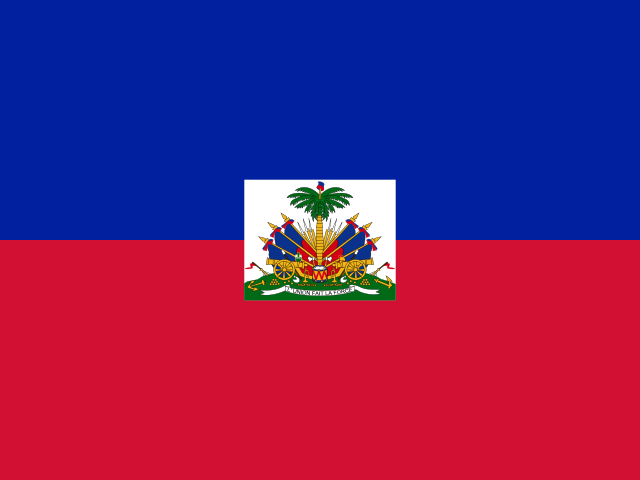
Central America & Caribbean
Haiti
Mountains, bright art and a proud revolution
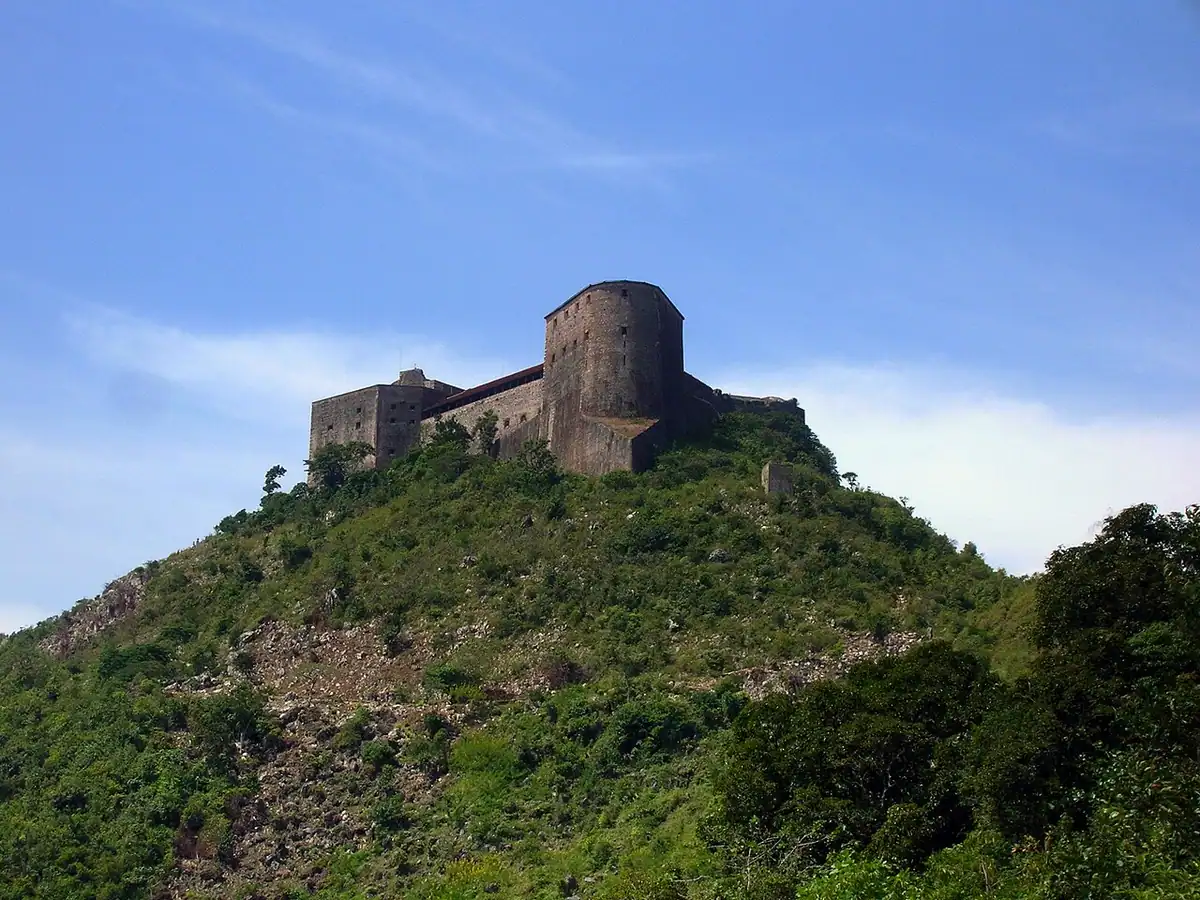
Photo: Rémi Kaupp, CC BY-SA 3.0 · via Wikimedia Commons
Capital
Port-au-Prince
Languages
Haitian Creole, French
Currency
Haitian gourde (HTG)
Plugs and power
Types A, B · 110 V
Drives on the
Right
Time zone
UTC-5, daylight saving observed in summer
The short version
What to expect in Haiti
Haiti shares the island of Hispaniola with the Dominican Republic and is mostly mountainous, with Caribbean beaches and a strong creative culture. Painting, metal sculpture, drumming and kompa music are part of daily life, and the country was the first to gain independence through a revolution led by enslaved people. Armed gangs, kidnapping and fuel shortages mean most governments advise against travel, so read current advisories closely.
- Citadelle Laferrière fortress
- Haitian painting and metal art
- Kompa and rara music
- Independence in 1804
Did you know?
Soup joumou, eaten on January 1 to mark independence, was added to UNESCO's list of intangible cultural heritage in 2021.
Food and drink
What to eat in Haiti
- 01
Griot
Marinated pork cubes, fried until crisp and served with pikliz.
- 02
Diri ak djon djon
Rice cooked in black mushroom broth, dark and earthy.
- 03
Soup joumou
Pumpkin soup with beef and vegetables, eaten on New Year's Day.
Language
Say it like a local
Haitian Creole
Bonjou
Hello
Mèsi
Thank you
Kijan ou ye?
How are you?
Money and manners: Cash is the norm, and US dollars are widely understood though prices are often quoted in gourdes. Greet people politely before asking for anything.
Timing
When to go
December to March is cooler and drier, which avoids the main rains and the peak of the hurricane season from August to October.
Best months: Dec–Mar
Guides
No trip guides for Haiti yet
We have not written a trip guide here yet. The facts below cover entry, health and safety, and you can still plan a trip of your own in Andamos.
Safety, health and entry
Before you go
What to know about entry, health and safety before you go, summarized from official guidance for U.S. passport holders. Rules change, so confirm on the sources linked below.
Visa for U.S. citizens
Visa-free for up to 90 days
Visa-freePassport
Valid at least 6 months after arrival
Vaccines
No vaccines required from the U.S.
State Department advisory
Do not travel
Level 4Entry and visas
Visa-free for up to 90 days
U.S. citizens do not need a visa for tourist stays of up to 90 days. Entry is possible on paper, but the U.S. government says do not travel to Haiti for any reason, and U.S. commercial flights to Port-au-Prince are not operating.
Have ready
- Valid at least 6 months after arrival
- Tourists pay a 10 USD entry fee in cash on arrival, so carry small U.S. bills.
- A departure tax of 55 USD usually comes included in the airfare. Confirm with your airline.
- The land border with the Dominican Republic is closed to travelers and can change at short notice.
Health and vaccines
No vaccines required from the U.S.
Medical services are extremely limited and easily overwhelmed, and the U.S. government may not be able to help in an emergency. Medical evacuation is very expensive, so insurance that covers it is essential.
Drinking water: Do not drink tap water. Cholera is widespread, so use sealed bottled or properly treated water.
Required to enter
No vaccines are required for U.S. travelers arriving directly.
Recommended by the CDC
Health risks
- Widespread cholera
- Diphtheria outbreak
- Malaria and dengue from mosquitoes
- Rabid dogs are common
Safety
Level 4: Do not travel
Do not travel (Level 4)
The U.S. State Department rates Haiti Level 4, Do Not Travel, because of widespread kidnapping, gang violence and terrorism designations, crime, unrest and limited health care. The U.S. government has an extremely limited ability to help U.S. citizens, and a national state of emergency has been in effect since March 2024.
Avoid
- Do not travel to Haiti for any reason. Gang activity is especially heavy in Port-au-Prince areas such as Bel Air, Cité Soleil, Martissant, Carrefour and downtown.
- Roads and travel by land, where kidnappers target vehicles and convoys.
Watch for
- Kidnapping for ransom, including attacks on vehicles and buses
- Armed robbery, often by thieves on motorcycles in daylight
- Roadblocks, violent protests and fuel shortages
- Attacks on people using ATMs or leaving banks
Local laws and customs
- Carry ID at all times. Local police have very limited capacity to respond to crime.
- U.S. embassy staff are restricted from leaving the embassy for non-essential travel, so consular help is minimal.
- Drug offenses can bring long prison terms in poor conditions.
Emergency numbers
- Emergency
- 122
- Police
- 122
- Ambulance
- 116
- Fire
- 115
Sources: U.S. State Department travel advisories · U.S. CDC travel health notices · UK government travel advice. Summarized in November 2026. Advisory levels and entry rules change, so confirm on the sources before you book.
Other governments: Canada, Spain (in Spanish), World Health Organization.
This is general information, not medical, legal or security advice.
Keep exploring
More in Central America & Caribbean
Your trip, your way.
Start from a guide or a blank page. Free on the web, with iPhone and Android apps coming soon.