
Central America & Caribbean
Dominica
Rainforest, hot springs and a boiling lake
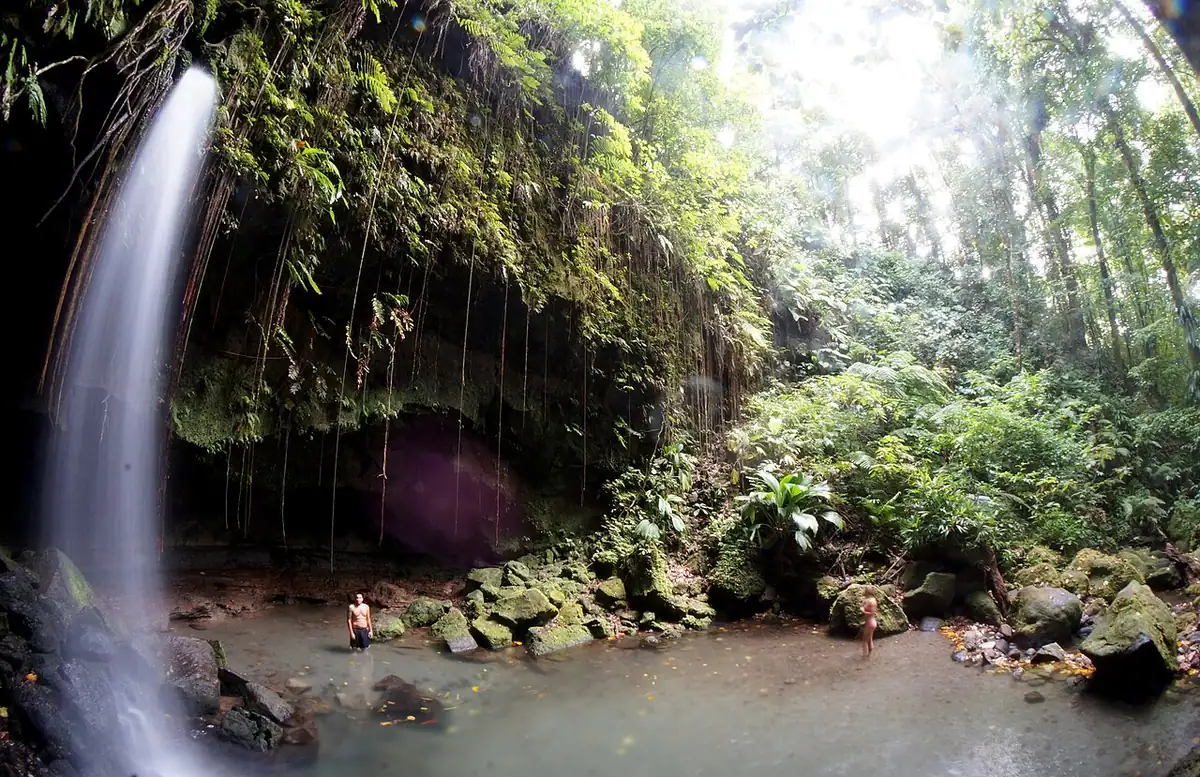
Photo: Aneil Lutchman, CC BY-SA 2.0 · via Wikimedia Commons
Capital
Roseau
Languages
English, Dominican Creole French (Kwéyòl)
Currency
East Caribbean dollar (XCD)
Plugs and power
Types D, G · 230 V
Drives on the
Left
Time zone
UTC-4, no daylight saving
The short version
What to expect in Dominica
Dominica is a steep volcanic island covered in rainforest, with rivers, waterfalls and hot springs. It is a place for hiking, snorkeling and diving rather than long beach days. Roseau is a small, low-key capital, and many villages are tucked along the coast and in the hills.
- Boiling Lake hike
- Waterfalls and rivers
- Diving and snorkeling
- Kalinago Territory
Did you know?
Dominica is home to the Kalinago Territory, where descendants of the island's first Caribbean inhabitants still live.
Food and drink
What to eat in Dominica
- 01
Callaloo soup
Creamy soup made from dasheen leaves, often with coconut milk.
- 02
Bakes and saltfish
Fried dough bread eaten with salted fish for breakfast.
- 03
Bouyon
Hearty stew with provisions, dumplings and meat.
Language
Say it like a local
Kwéyòl
Bonjou
Hello
Mèsi
Thank you
Souplé
Please
Money and manners: Many restaurants add a 10% service charge. If not, 10% is a fair tip. Carry some small cash for villages and local buses.
Timing
When to go
The taller the bar, the more of our Dominica trips are at their best that month.
Best months: Feb–May
Guides
Trip guides for Dominica
 6 days
Dominica
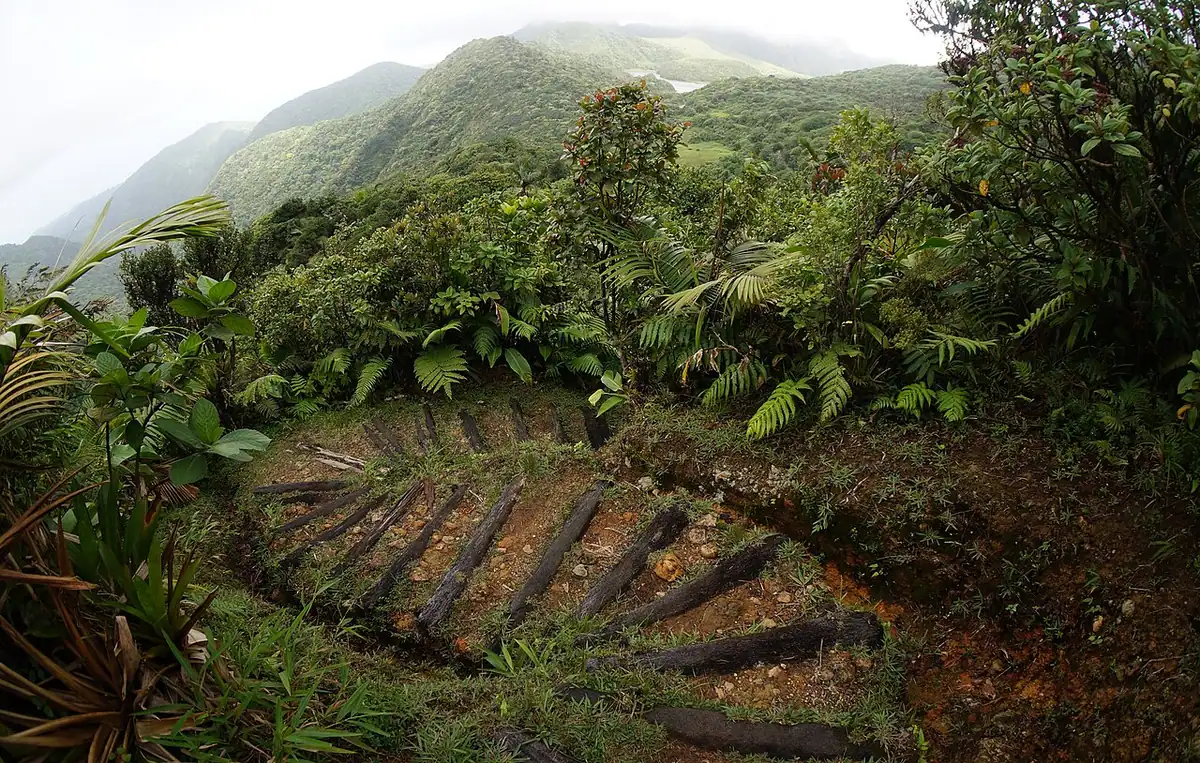
Dominica, the nature island
Roseau, Morne Trois Pitons and Portsmouth
- Price
- $$$
- Difficulty
- Challenging
- Best time:
- Feb–May
 3 days
Dominica
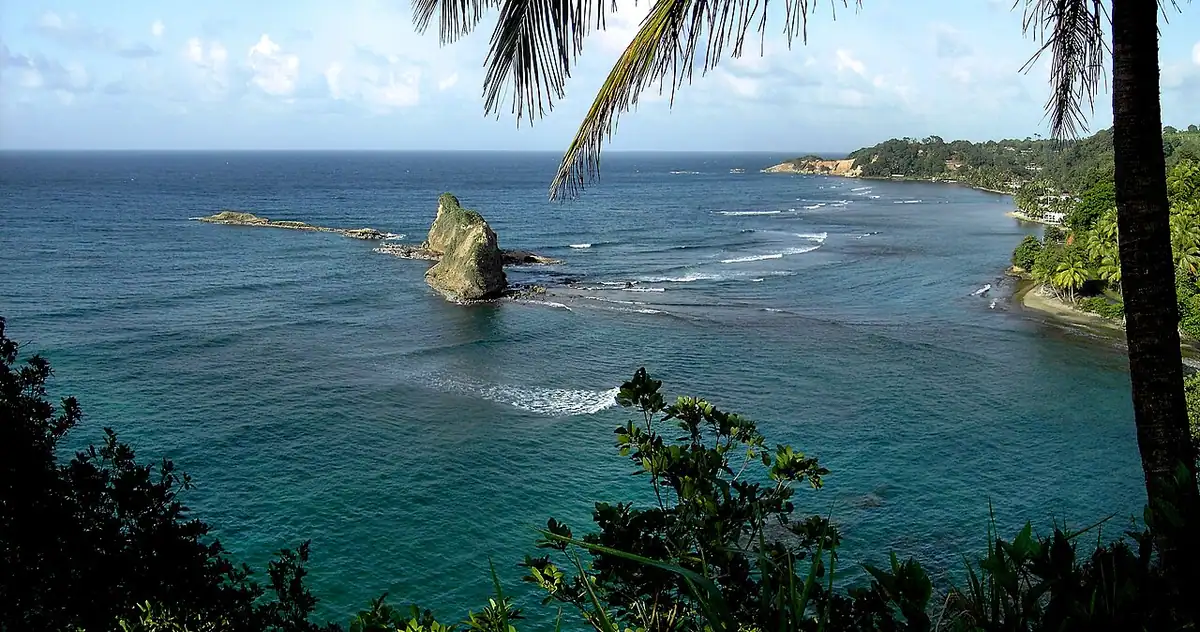
Dominica’s north and northeast coast
Calibishie, Morne Diablotin and Marigot
- Price
- $$$
- Difficulty
- Moderate
- Best time:
- Feb–Jun
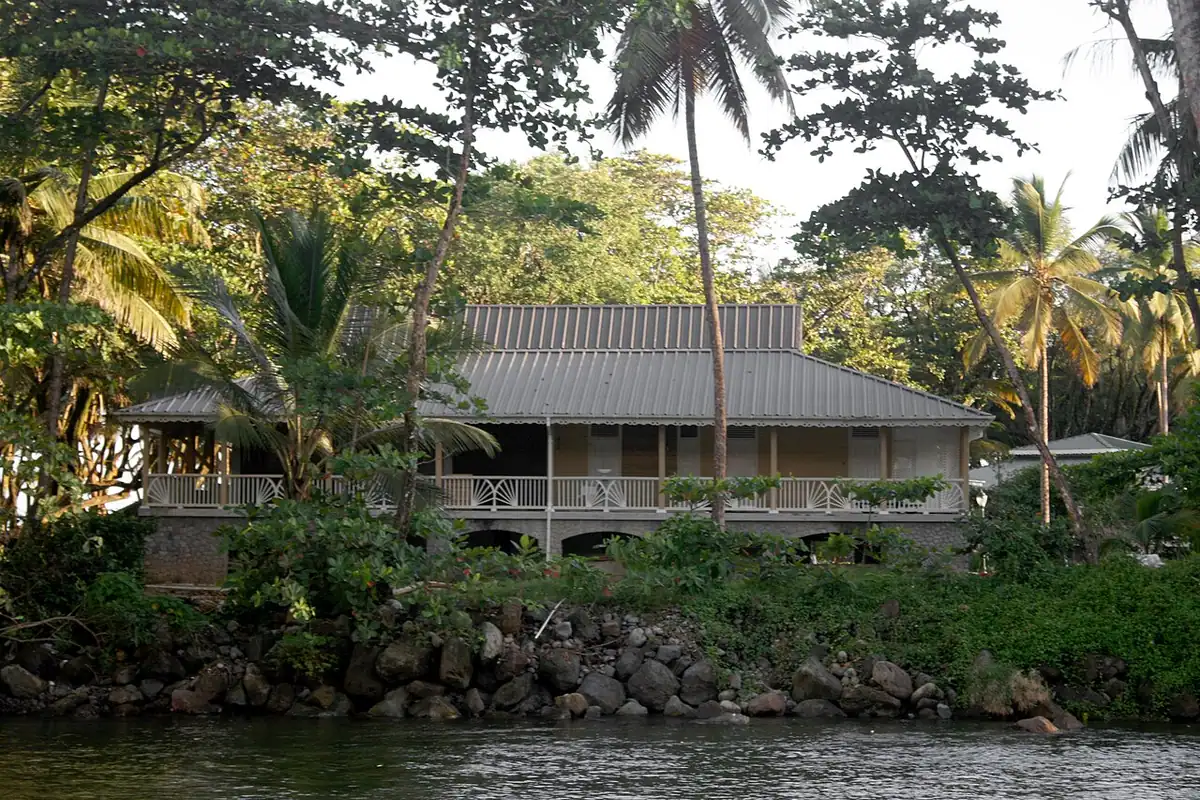 2 days
Dominica
Dominica’s east coast waterfalls
Delices, Rosalie and La Plaine
- Price
- $$$
- Difficulty
- Moderate
- Best time:
- Feb–May
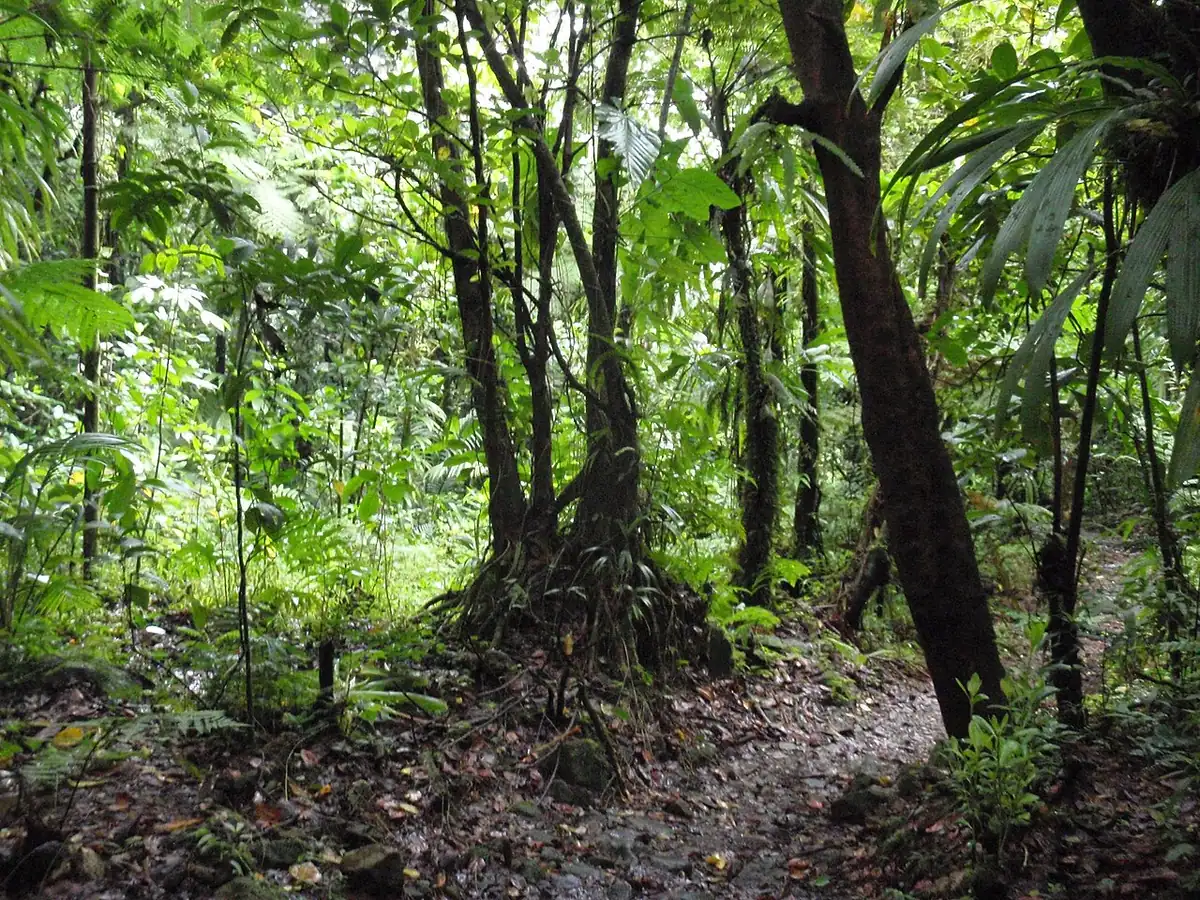 3 days
Dominica
Dominica’s lakes and mountain trails
Middleham Falls, Freshwater Lake and Morne Anglais
- Price
- $$$
- Difficulty
- Challenging
- Best time:
- Feb–May
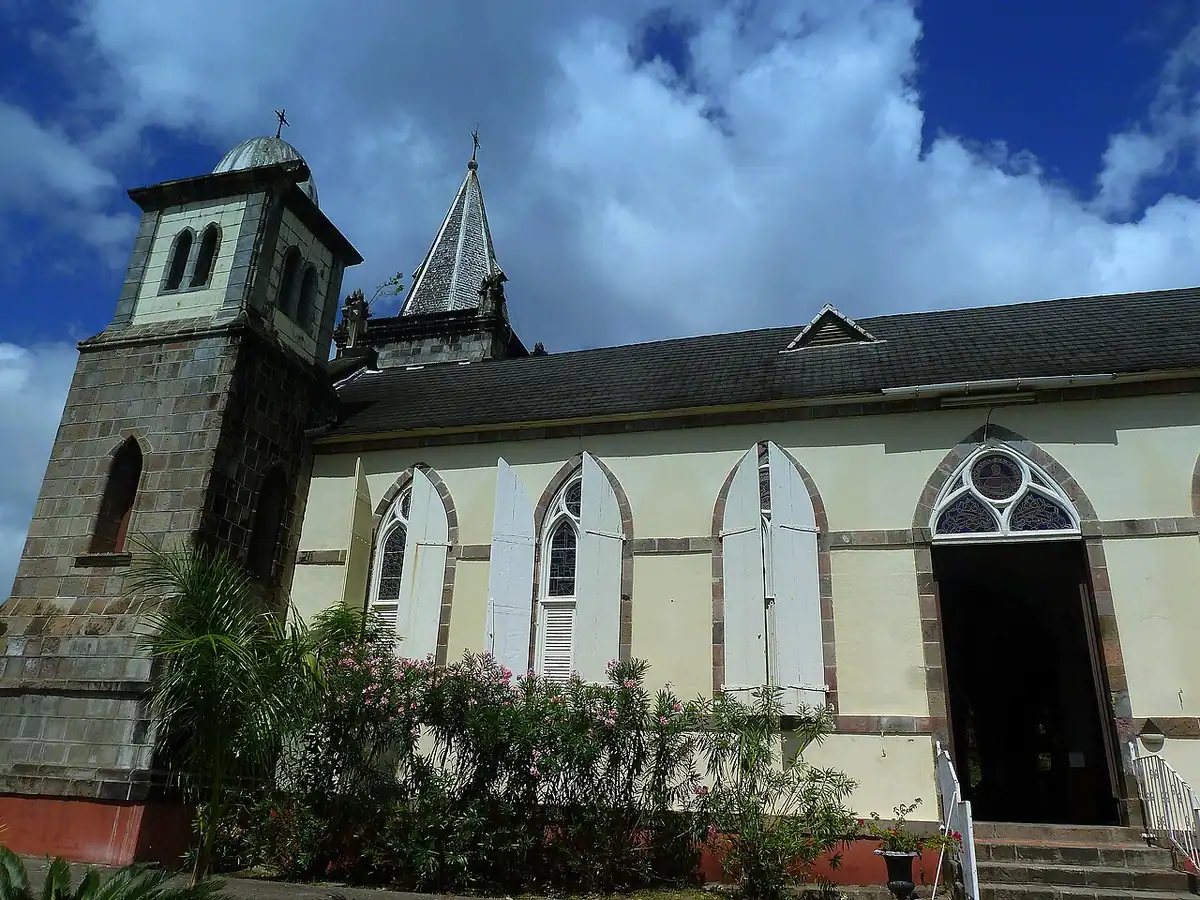 2 daysGood with kids
Dominica
Whales and the west coast of Dominica
Roseau, Soufrière and Mero
- Price
- $$$
- Difficulty
- Easy
- Best time:
- Nov–Apr
Safety, health and entry
Before you go
What to know about entry, health and safety before you go, summarized from official guidance for U.S. passport holders. Rules change, so confirm on the sources linked below.
Visa for U.S. citizens
Visa-free for tourist visits
Visa-freePassport
Valid at least 6 months after arrival
Vaccines
No vaccines required, mosquito-borne illness
State Department advisory
Exercise normal precautions
Level 1Entry and visas
Visa-free for tourist visits
U.S. citizens do not need a visa for tourist visits to Dominica. Expect to be asked for a return or onward ticket. A yellow fever certificate is required only if you arrive from a country with yellow fever transmission risk.
Have ready
- Valid at least 6 months after arrival
- Carry a return or onward ticket and the address where you will stay.
- A departure tax of 86 East Caribbean dollars or 33 US dollars is usually included in airfare, and also applies to ferry travel.
- Bring your yellow fever certificate if you arrive from a risk country.
Health and vaccines
No vaccines required, mosquito-borne illness
The main hospital in Roseau handles many cases, but serious illness or injury may need evacuation off the island, so carry insurance that covers medical evacuation.
Drinking water: Use bottled or treated water if you are unsure of the supply, especially after storms.
Required to enter
No vaccines are required for U.S. travelers arriving directly.
Recommended by the CDC
Health risks
- Dengue, Zika and chikungunya from mosquitoes
- Hurricane season from June to November
Safety
Level 1: Exercise normal precautions
Level 1: hurricanes and some crime
The U.S. State Department rates Dominica Level 1, exercise normal precautions, and calls it generally safe. Theft, break-ins and some violent crime occur, so be careful on isolated beaches and in dark or remote places. Hurricane season runs from June to November, and the island has earthquake and volcanic activity.
Avoid
- Protests, which occasionally occur and where police have used tear gas
Watch for
- Walking alone on quiet roads or isolated beaches after dark
- Opportunistic theft from rental cars and unattended belongings
- Storms that can form suddenly during hurricane season
- Narrow, steep, winding roads, with driving on the left
Local laws and customs
- Wearing camouflage clothing is illegal, including for visitors.
- Certain same-sex acts are criminalized under local law.
- Drug offenses, including cannabis, carry serious penalties.
Emergency numbers
- Emergency
- 999
Sources: U.S. State Department travel advisories · U.S. CDC travel health notices · UK government travel advice. Summarized in November 2026. Advisory levels and entry rules change, so confirm on the sources before you book.
Other governments: Canada, Spain (in Spanish), World Health Organization.
This is general information, not medical, legal or security advice.
Keep exploring
More in Central America & Caribbean
Your trip, your way.
Start from a guide or a blank page. Free on the web, with iPhone and Android apps coming soon.